• 文献检索
  • 文档翻译
  • 深度研究
  • 学术资讯
  • Suppr Zotero 插件Zotero 插件
  • 邀请有礼
  • 套餐&价格
  • 历史记录
应用&插件
Suppr Zotero 插件Zotero 插件浏览器插件Mac 客户端Windows 客户端微信小程序
定价
高级版会员购买积分包购买API积分包
服务
文献检索文档翻译深度研究API 文档MCP 服务
关于我们
关于 Suppr公司介绍联系我们用户协议隐私条款
关注我们

Suppr 超能文献

核心技术专利:CN118964589B侵权必究
粤ICP备2023148730 号-1Suppr @ 2026

文献检索

告别复杂PubMed语法,用中文像聊天一样搜索,搜遍4000万医学文献。AI智能推荐,让科研检索更轻松。

立即免费搜索

文件翻译

保留排版,准确专业,支持PDF/Word/PPT等文件格式,支持 12+语言互译。

免费翻译文档

深度研究

AI帮你快速写综述,25分钟生成高质量综述,智能提取关键信息,辅助科研写作。

立即免费体验

脂多糖预处理可减轻分化的PC12细胞系中的促炎反应并促进细胞保护作用:Toll样受体4信号通路的预激活导致半胱天冬酶-3/核因子-κB通路的抑制。

Lipopolysaccharide Pre-conditioning Attenuates Pro-inflammatory Responses and Promotes Cytoprotective Effect in Differentiated PC12 Cell Lines Pre-activation of Toll-Like Receptor-4 Signaling Pathway Leading to the Inhibition of Caspase-3/Nuclear Factor-κappa B Pathway.

作者信息

Sangaran Pushpa Gandi, Ibrahim Zaridatul Aini, Chik Zamri, Mohamed Zahurin, Ahmadiani Abolhassan

机构信息

Department of Pharmacology, Faculty of Medicine, University of Malaya, Kuala Lumpur, Malaysia.

Department of Pharmacology, School of Medicine, Shahid Beheshti University of Medical Sciences, Evin, Tehran, Iran.

出版信息

Front Cell Neurosci. 2021 Jan 22;14:598453. doi: 10.3389/fncel.2020.598453. eCollection 2020.

DOI:10.3389/fncel.2020.598453
PMID:33551748
原文链接:https://pmc.ncbi.nlm.nih.gov/articles/PMC7862565/
Abstract

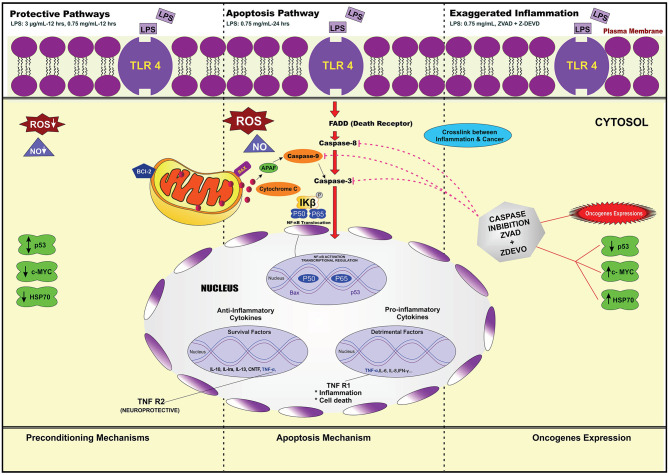
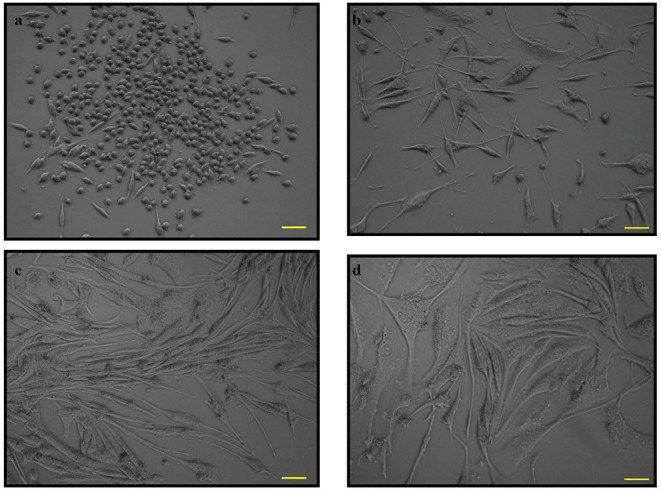
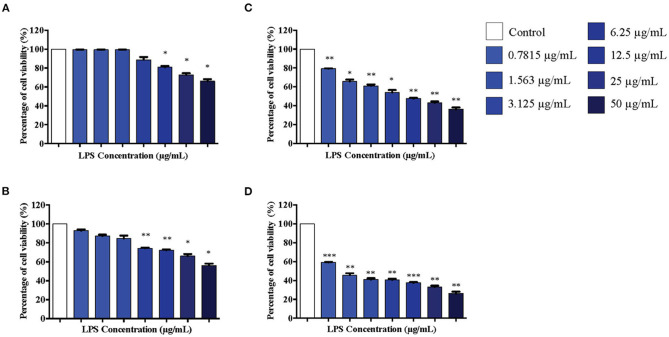
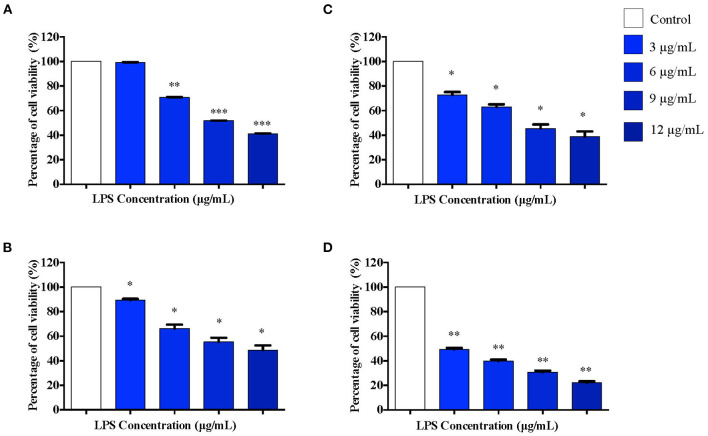
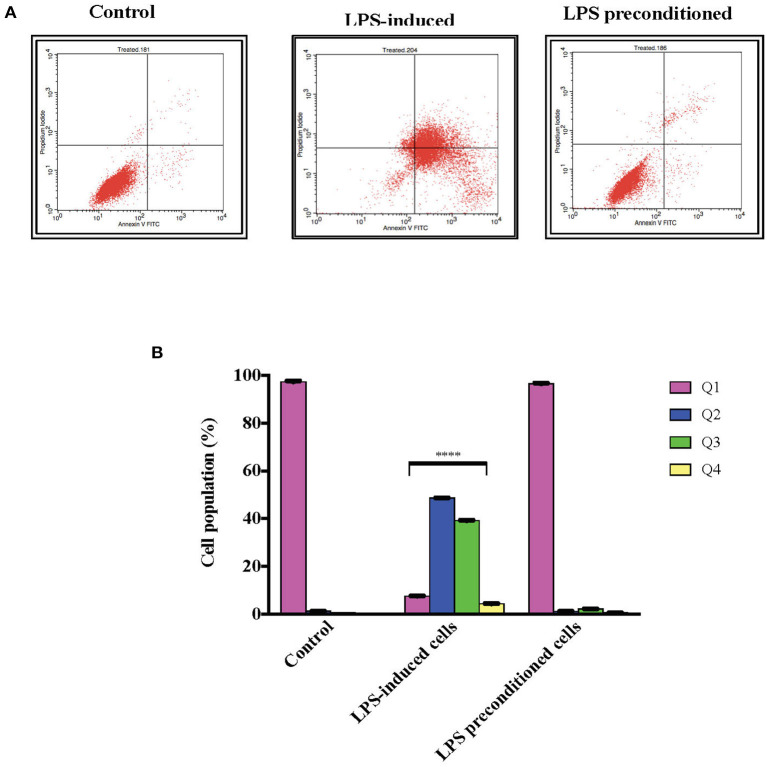
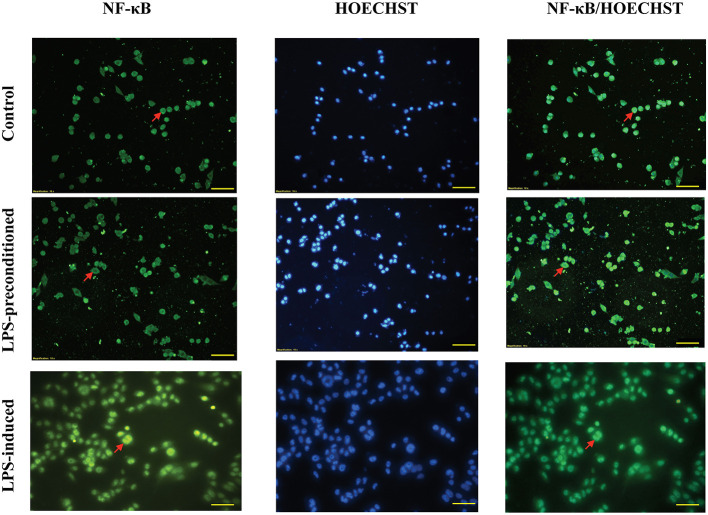
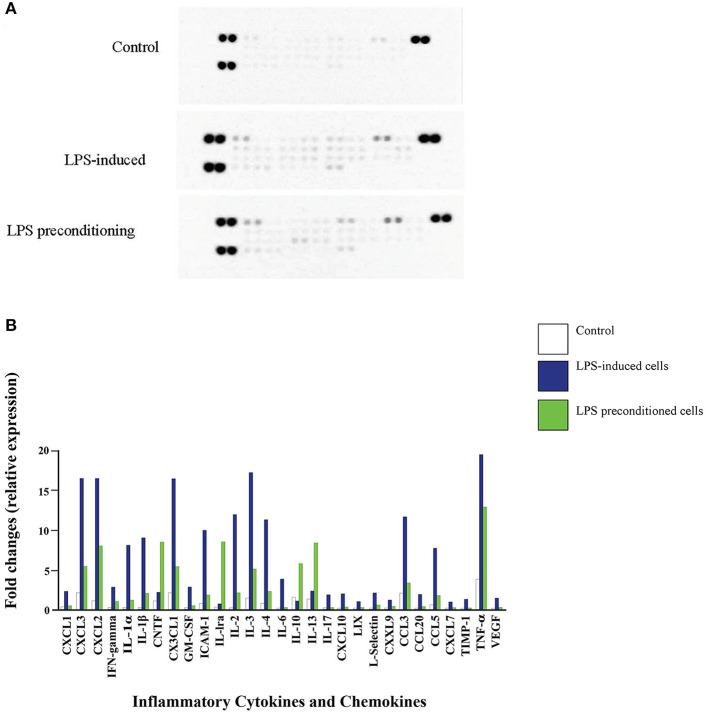
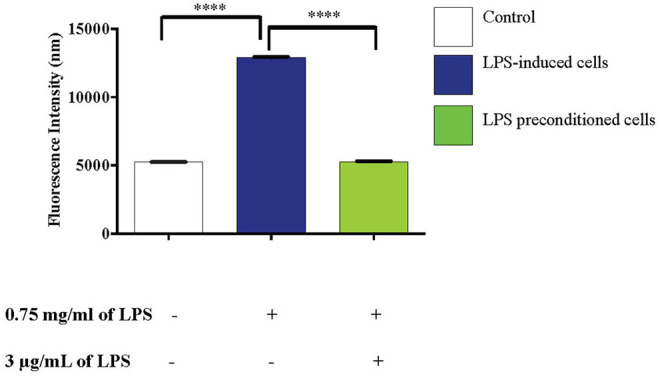
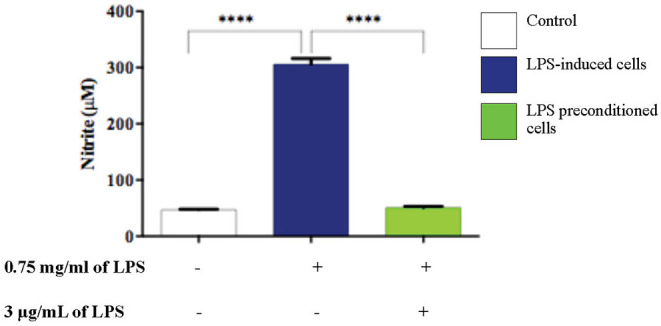
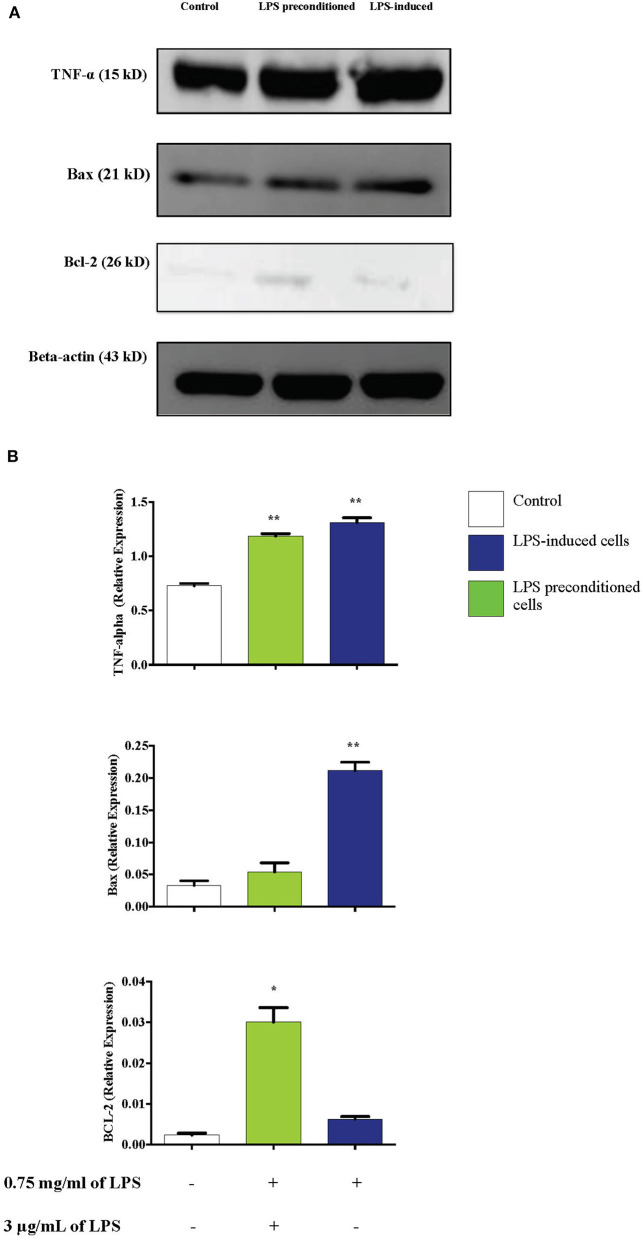
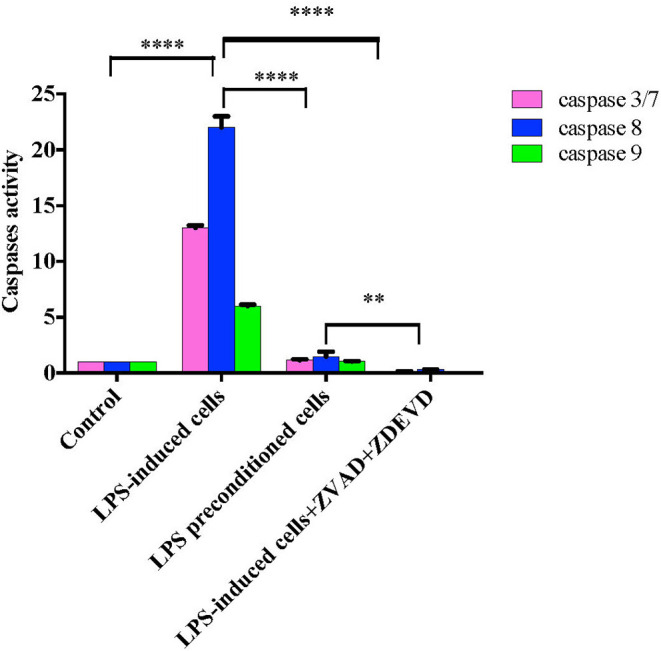
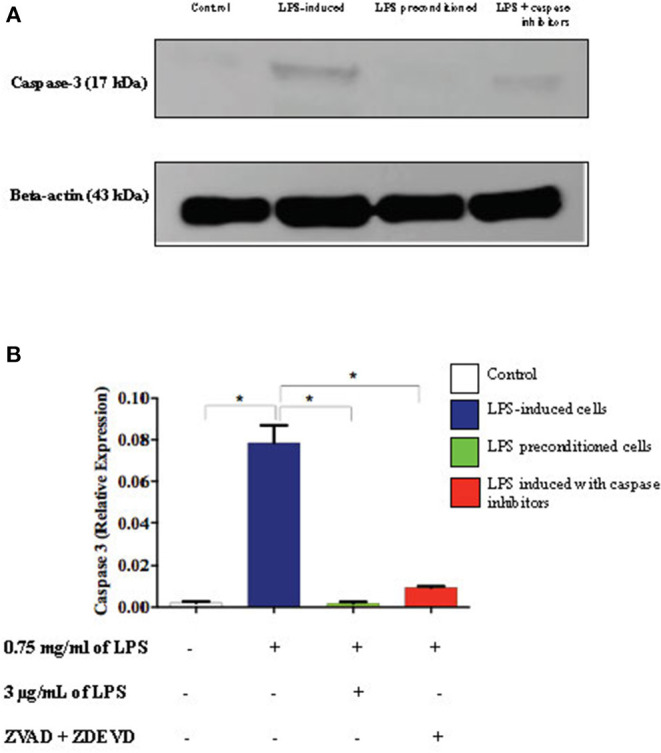
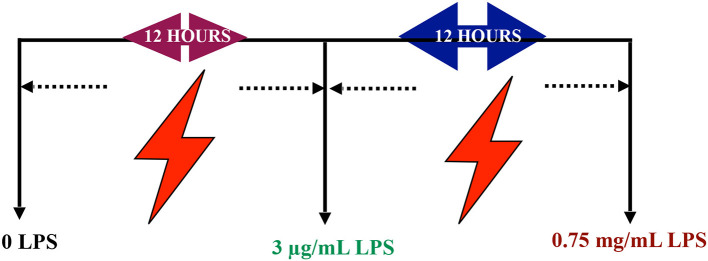
Lipopolysacharide (LPS) pre-conditioning (PC), has been shown to exert protective effects against cytotoxic effects. Therefore, we hypothesized, the tolerance produced by LPS PC will be resulted by the alterations and modifications in gene and protein expression. With reference to the results of MTT assays, AO/PI staining, and Annexin V-FITC analyses of LPS concentration (0.7815-50 μg/mL) and time-dependent (12-72 h) experiments, the pre-exposure to 3 μg/mL LPS for 12 h protected the differentiated PC12 cells against 0.75 mg/mL LPS apoptotic concentration. LPS-treated cells secreted more inflammatory cytokines like IL-1α, IL-1β, IL-2, IL-3, IL-4, IL-6, IL-17, IFN-γ, and TNF-α than LPS-PC cells. The production of inflammatory mediators ROS and NO was also higher in the LPS-induced cells compared to LPS-PC cells. Conversely, anti-inflammatory cytokines (like IL-10, IL-13, CNTF, and IL-1Ra) were upregulated in the LPS-PC cells but not in the LPS-induced cells. Meanwhile, the LPS initiated caspase-8 which in turn activates effector caspase 3/7. When the activities of caspases in the LPS-induced cells were inhibited using z-VADfmk and z-DEVDfmk, the expressions of c-MYC and Hsp70 were increased, but p53 was reduced. The potential molecules associated with protective and destructive effect was measured by RT Profiler PCR array to elucidate the signaling pathways and suggested inhibition NF-κB/caspase-3 signaling pathway regulates the cytoprotective genes and proto-oncogenes. In conclusion, this study provides a basis for future research to better understand the molecular mechanism underlying LPS pre-conditioning /TLR4 pre-activation and its functional role in offering cytoprotective response in neuronal environment.

摘要

脂多糖(LPS)预处理(PC)已被证明对细胞毒性作用具有保护作用。因此,我们推测,LPS PC产生的耐受性将由基因和蛋白质表达的改变和修饰所致。参照MTT分析、AO/PI染色以及LPS浓度(0.7815 - 50μg/mL)和时间依赖性(12 - 72小时)实验的Annexin V-FITC分析结果,预先暴露于3μg/mL LPS 12小时可保护分化的PC12细胞免受0.75mg/mL LPS凋亡浓度的影响。与LPS-PC细胞相比,LPS处理的细胞分泌更多的炎性细胞因子,如IL-1α、IL-1β、IL-2、IL-3、IL-4、IL-6、IL-17、IFN-γ和TNF-α。与LPS-PC细胞相比,LPS诱导的细胞中炎性介质ROS和NO的产生也更高。相反,抗炎细胞因子(如IL-10、IL-13、CNTF和IL-1Ra)在LPS-PC细胞中上调,但在LPS诱导的细胞中未上调。同时,LPS启动了半胱天冬酶-8,进而激活效应半胱天冬酶3/7。当使用z-VADfmk和z-DEVDfmk抑制LPS诱导细胞中的半胱天冬酶活性时,c-MYC和Hsp70的表达增加,但p53减少。通过RT Profiler PCR阵列检测与保护和破坏作用相关的潜在分子,以阐明信号通路,并提示抑制NF-κB/半胱天冬酶-3信号通路调节细胞保护基因和原癌基因。总之,本研究为未来更好地理解LPS预处理/TLR4预激活的分子机制及其在神经元环境中提供细胞保护反应的功能作用提供了基础。
https://cdn.ncbi.nlm.nih.gov/pmc/blobs/9351/7862565/5961e797e5ac/fncel-14-598453-g0024.jpg
https://cdn.ncbi.nlm.nih.gov/pmc/blobs/9351/7862565/5862e15d096c/fncel-14-598453-g0025.jpg
https://cdn.ncbi.nlm.nih.gov/pmc/blobs/9351/7862565/98cd10bede0e/fncel-14-598453-g0001.jpg
https://cdn.ncbi.nlm.nih.gov/pmc/blobs/9351/7862565/12bc0c132832/fncel-14-598453-g0002.jpg
https://cdn.ncbi.nlm.nih.gov/pmc/blobs/9351/7862565/0114cafb76b9/fncel-14-598453-g0003.jpg
https://cdn.ncbi.nlm.nih.gov/pmc/blobs/9351/7862565/2f0257d89359/fncel-14-598453-g0004.jpg
https://cdn.ncbi.nlm.nih.gov/pmc/blobs/9351/7862565/3f90d4409f72/fncel-14-598453-g0005.jpg
https://cdn.ncbi.nlm.nih.gov/pmc/blobs/9351/7862565/e5061c733369/fncel-14-598453-g0006.jpg
https://cdn.ncbi.nlm.nih.gov/pmc/blobs/9351/7862565/7407a9abfda6/fncel-14-598453-g0007.jpg
https://cdn.ncbi.nlm.nih.gov/pmc/blobs/9351/7862565/87d23afdd67b/fncel-14-598453-g0008.jpg
https://cdn.ncbi.nlm.nih.gov/pmc/blobs/9351/7862565/1747623de64d/fncel-14-598453-g0009.jpg
https://cdn.ncbi.nlm.nih.gov/pmc/blobs/9351/7862565/30bde5396124/fncel-14-598453-g0010.jpg
https://cdn.ncbi.nlm.nih.gov/pmc/blobs/9351/7862565/3b14be5bdc92/fncel-14-598453-g0011.jpg
https://cdn.ncbi.nlm.nih.gov/pmc/blobs/9351/7862565/a50f121aae54/fncel-14-598453-g0012.jpg
https://cdn.ncbi.nlm.nih.gov/pmc/blobs/9351/7862565/2b38bf8576d0/fncel-14-598453-g0013.jpg
https://cdn.ncbi.nlm.nih.gov/pmc/blobs/9351/7862565/a9dfb54f3c06/fncel-14-598453-g0014.jpg
https://cdn.ncbi.nlm.nih.gov/pmc/blobs/9351/7862565/addd4b4cbf79/fncel-14-598453-g0015.jpg
https://cdn.ncbi.nlm.nih.gov/pmc/blobs/9351/7862565/e1a750685bff/fncel-14-598453-g0016.jpg
https://cdn.ncbi.nlm.nih.gov/pmc/blobs/9351/7862565/fa36a67e3892/fncel-14-598453-g0017.jpg
https://cdn.ncbi.nlm.nih.gov/pmc/blobs/9351/7862565/8801479c8aee/fncel-14-598453-g0018.jpg
https://cdn.ncbi.nlm.nih.gov/pmc/blobs/9351/7862565/380d4a848c72/fncel-14-598453-g0019.jpg
https://cdn.ncbi.nlm.nih.gov/pmc/blobs/9351/7862565/2a9fc68a4c73/fncel-14-598453-g0020.jpg
https://cdn.ncbi.nlm.nih.gov/pmc/blobs/9351/7862565/309ca5e7f403/fncel-14-598453-g0021.jpg
https://cdn.ncbi.nlm.nih.gov/pmc/blobs/9351/7862565/d0503ce9ec0f/fncel-14-598453-g0022.jpg
https://cdn.ncbi.nlm.nih.gov/pmc/blobs/9351/7862565/bfe5bb4193d0/fncel-14-598453-g0023.jpg
https://cdn.ncbi.nlm.nih.gov/pmc/blobs/9351/7862565/5961e797e5ac/fncel-14-598453-g0024.jpg
https://cdn.ncbi.nlm.nih.gov/pmc/blobs/9351/7862565/5862e15d096c/fncel-14-598453-g0025.jpg
https://cdn.ncbi.nlm.nih.gov/pmc/blobs/9351/7862565/98cd10bede0e/fncel-14-598453-g0001.jpg
https://cdn.ncbi.nlm.nih.gov/pmc/blobs/9351/7862565/12bc0c132832/fncel-14-598453-g0002.jpg
https://cdn.ncbi.nlm.nih.gov/pmc/blobs/9351/7862565/0114cafb76b9/fncel-14-598453-g0003.jpg
https://cdn.ncbi.nlm.nih.gov/pmc/blobs/9351/7862565/2f0257d89359/fncel-14-598453-g0004.jpg
https://cdn.ncbi.nlm.nih.gov/pmc/blobs/9351/7862565/3f90d4409f72/fncel-14-598453-g0005.jpg
https://cdn.ncbi.nlm.nih.gov/pmc/blobs/9351/7862565/e5061c733369/fncel-14-598453-g0006.jpg
https://cdn.ncbi.nlm.nih.gov/pmc/blobs/9351/7862565/7407a9abfda6/fncel-14-598453-g0007.jpg
https://cdn.ncbi.nlm.nih.gov/pmc/blobs/9351/7862565/87d23afdd67b/fncel-14-598453-g0008.jpg
https://cdn.ncbi.nlm.nih.gov/pmc/blobs/9351/7862565/1747623de64d/fncel-14-598453-g0009.jpg
https://cdn.ncbi.nlm.nih.gov/pmc/blobs/9351/7862565/30bde5396124/fncel-14-598453-g0010.jpg
https://cdn.ncbi.nlm.nih.gov/pmc/blobs/9351/7862565/3b14be5bdc92/fncel-14-598453-g0011.jpg
https://cdn.ncbi.nlm.nih.gov/pmc/blobs/9351/7862565/a50f121aae54/fncel-14-598453-g0012.jpg
https://cdn.ncbi.nlm.nih.gov/pmc/blobs/9351/7862565/2b38bf8576d0/fncel-14-598453-g0013.jpg
https://cdn.ncbi.nlm.nih.gov/pmc/blobs/9351/7862565/a9dfb54f3c06/fncel-14-598453-g0014.jpg
https://cdn.ncbi.nlm.nih.gov/pmc/blobs/9351/7862565/addd4b4cbf79/fncel-14-598453-g0015.jpg
https://cdn.ncbi.nlm.nih.gov/pmc/blobs/9351/7862565/e1a750685bff/fncel-14-598453-g0016.jpg
https://cdn.ncbi.nlm.nih.gov/pmc/blobs/9351/7862565/fa36a67e3892/fncel-14-598453-g0017.jpg
https://cdn.ncbi.nlm.nih.gov/pmc/blobs/9351/7862565/8801479c8aee/fncel-14-598453-g0018.jpg
https://cdn.ncbi.nlm.nih.gov/pmc/blobs/9351/7862565/380d4a848c72/fncel-14-598453-g0019.jpg
https://cdn.ncbi.nlm.nih.gov/pmc/blobs/9351/7862565/2a9fc68a4c73/fncel-14-598453-g0020.jpg
https://cdn.ncbi.nlm.nih.gov/pmc/blobs/9351/7862565/309ca5e7f403/fncel-14-598453-g0021.jpg
https://cdn.ncbi.nlm.nih.gov/pmc/blobs/9351/7862565/d0503ce9ec0f/fncel-14-598453-g0022.jpg
https://cdn.ncbi.nlm.nih.gov/pmc/blobs/9351/7862565/bfe5bb4193d0/fncel-14-598453-g0023.jpg
https://cdn.ncbi.nlm.nih.gov/pmc/blobs/9351/7862565/5961e797e5ac/fncel-14-598453-g0024.jpg

相似文献

1
Lipopolysaccharide Pre-conditioning Attenuates Pro-inflammatory Responses and Promotes Cytoprotective Effect in Differentiated PC12 Cell Lines Pre-activation of Toll-Like Receptor-4 Signaling Pathway Leading to the Inhibition of Caspase-3/Nuclear Factor-κappa B Pathway.脂多糖预处理可减轻分化的PC12细胞系中的促炎反应并促进细胞保护作用:Toll样受体4信号通路的预激活导致半胱天冬酶-3/核因子-κB通路的抑制。
Front Cell Neurosci. 2021 Jan 22;14:598453. doi: 10.3389/fncel.2020.598453. eCollection 2020.
2
Florfenicol alleviated lipopolysaccharide (LPS)-induced inflammatory responses in Ctenopharyngodon idella through inhibiting toll / NF-κB signaling pathways.氟苯尼考通过抑制 toll/NF-κB 信号通路缓解鲤鱼脂多糖(LPS)诱导的炎症反应。
Fish Shellfish Immunol. 2019 Nov;94:479-484. doi: 10.1016/j.fsi.2019.08.073. Epub 2019 Aug 28.
3
β-arrestin 2 attenuates lipopolysaccharide-induced liver injury inhibition of TLR4/NF-κB signaling pathway-mediated inflammation in mice.β-arrestin 2 减轻脂多糖诱导的肝损伤 通过抑制 TLR4/NF-κB 信号通路介导的炎症反应在小鼠中。
World J Gastroenterol. 2018 Jan 14;24(2):216-225. doi: 10.3748/wjg.v24.i2.216.
4
Hesperetin, a Citrus Flavonoid, Attenuates LPS-Induced Neuroinflammation, Apoptosis and Memory Impairments by Modulating TLR4/NF-κB Signaling.橙皮素,一种柑橘类黄酮,通过调节 TLR4/NF-κB 信号通路来减轻 LPS 诱导的神经炎症、细胞凋亡和记忆损伤。
Nutrients. 2019 Mar 17;11(3):648. doi: 10.3390/nu11030648.
5
Kegan Liyan oral liquid ameliorates lipopolysaccharide-induced acute lung injury through inhibition of TLR4-mediated NF-κB signaling pathway and MMP-9 expression.克甘利咽口服液通过抑制TLR4介导的NF-κB信号通路和MMP-9表达改善脂多糖诱导的急性肺损伤。
J Ethnopharmacol. 2016 Jun 20;186:91-102. doi: 10.1016/j.jep.2016.03.057. Epub 2016 Mar 30.
6
NZ suppresses TLR4/NF-κB signalings and NLRP3 inflammasome activation in LPS-induced RAW264.7 macrophages.新西兰(NZ)抑制脂多糖(LPS)诱导的RAW264.7巨噬细胞中Toll样受体4(TLR4)/核因子κB(NF-κB)信号传导和NLRP3炎性小体激活。
Inflamm Res. 2015 Oct;64(10):799-808. doi: 10.1007/s00011-015-0863-4. Epub 2015 Aug 23.
7
NF-kappaB- and C/EBPbeta-driven interleukin-1beta gene expression and PAK1-mediated caspase-1 activation play essential roles in interleukin-1beta release from Helicobacter pylori lipopolysaccharide-stimulated macrophages.核因子κB和C/EBPβ驱动的白细胞介素-1β基因表达以及PAK1介导的半胱天冬酶-1激活在幽门螺杆菌脂多糖刺激的巨噬细胞释放白细胞介素-1β中起重要作用。
J Biol Chem. 2005 Feb 11;280(6):4279-88. doi: 10.1074/jbc.M412820200. Epub 2004 Nov 23.
8
Quercetin Suppresses the Migration and Invasion in Human Colon Cancer Caco-2 Cells Through Regulating Toll-like Receptor 4/Nuclear Factor-kappa B Pathway.槲皮素通过调节Toll样受体4/核因子-κB通路抑制人结肠癌细胞Caco-2的迁移和侵袭。
Pharmacogn Mag. 2016 May;12(Suppl 2):S237-44. doi: 10.4103/0973-1296.182154. Epub 2016 May 11.
9
[Study on the molecular expression and regulation of toll pathway in HT-29 cells].[HT-29细胞中Toll途径的分子表达及调控研究]
Sichuan Da Xue Xue Bao Yi Xue Ban. 2010 Jul;41(4):581-5.
10
Aloe vera downregulates LPS-induced inflammatory cytokine production and expression of NLRP3 inflammasome in human macrophages.芦荟下调脂多糖诱导的人巨噬细胞中炎症细胞因子的产生和 NLRP3 炎性体的表达。
Mol Immunol. 2013 Dec;56(4):471-9. doi: 10.1016/j.molimm.2013.05.005. Epub 2013 Aug 1.

引用本文的文献

1
Systemic Inflammation Decreases Initial Brain Injury but Attenuates Neurite Extension and Synapse Formation during the Repair of Injured Brains.全身炎症反应虽可减轻初始脑损伤,但会在损伤脑修复过程中减弱神经突延伸和突触形成。
Exp Neurobiol. 2024 Oct 31;33(5):251-262. doi: 10.5607/en24018.
2
C5a Induces Inflammatory Signaling and Apoptosis in PC12 Cells through C5aR-Dependent Signaling: A Potential Mechanism for Adrenal Damage in Sepsis.C5a 通过 C5aR 依赖性信号诱导 PC12 细胞炎症信号和凋亡:脓毒症肾上腺损伤的潜在机制。
Int J Mol Sci. 2024 Oct 3;25(19):10673. doi: 10.3390/ijms251910673.
3
Pyroptosis leads to loss of centrosomal integrity in macrophages.

本文引用的文献

1
NF-κB signaling in inflammation.NF-κB 信号转导与炎症
Signal Transduct Target Ther. 2017;2:17023-. doi: 10.1038/sigtrans.2017.23. Epub 2017 Jul 14.
2
Targeting the TLR4 signaling pathway by polyphenols: A novel therapeutic strategy for neuroinflammation.多酚靶向 TLR4 信号通路:神经炎症的一种新治疗策略。
Ageing Res Rev. 2017 Jul;36:11-19. doi: 10.1016/j.arr.2017.02.004. Epub 2017 Feb 21.
3
Single low-dose lipopolysaccharide preconditioning: neuroprotective against axonal injury and modulates glial cells.单次低剂量脂多糖预处理:对轴突损伤具有神经保护作用并调节神经胶质细胞。
细胞焦亡导致巨噬细胞中心体完整性丧失。
Cell Death Discov. 2024 Aug 8;10(1):354. doi: 10.1038/s41420-024-02093-1.
4
Microglial modulation as a therapeutic strategy in Alzheimer's disease: Focus on microglial preconditioning approaches.小胶质细胞调节作为阿尔茨海默病的治疗策略:关注小胶质细胞预处理方法。
J Cell Mol Med. 2024 Aug;28(15):e18554. doi: 10.1111/jcmm.18554.
5
Modulating Nitric Oxide: Implications for Cytotoxicity and Cytoprotection.调节一氧化氮:对细胞毒性和细胞保护的影响
Antioxidants (Basel). 2024 Apr 23;13(5):504. doi: 10.3390/antiox13050504.
6
SARS-CoV-2 Spike Protein Downregulates Cell Surface α7nAChR through a Helical Motif in the Spike Neck.SARS-CoV-2 刺突蛋白通过刺突颈部的螺旋基序下调细胞表面 α7nAChR。
ACS Chem Neurosci. 2023 Feb 15;14(4):689-698. doi: 10.1021/acschemneuro.2c00610. Epub 2023 Feb 6.
7
Mesenchymal stem/stromal cells in the pathogenesis and regenerative therapy of inflammatory bowel diseases.间充质干/基质细胞在炎症性肠病发病机制及再生治疗中的作用
Front Immunol. 2022 Aug 4;13:952071. doi: 10.3389/fimmu.2022.952071. eCollection 2022.
8
Evaluation of potential anti-metastatic and antioxidative abilities of natural peptides derived from (L.) Juss. ex Kunth in A549 cells.评价来源于(L.)Juss. ex Kunth 的天然肽的潜在抗转移和抗氧化能力在 A549 细胞中。
PeerJ. 2022 Jul 6;10:e13693. doi: 10.7717/peerj.13693. eCollection 2022.
9
Alterations in Inflammatory Cytokines and Redox Homeostasis in LPS-Induced Pancreatic Beta-Cell Toxicity and Mitochondrial Stress: Protection by Azadirachtin.脂多糖诱导的胰腺β细胞毒性和线粒体应激中炎性细胞因子及氧化还原稳态的改变:印楝素的保护作用
Front Cell Dev Biol. 2022 Jun 20;10:867608. doi: 10.3389/fcell.2022.867608. eCollection 2022.
Neuroimmunol Neuroinflamm. 2017 Jan;4:6-15. doi: 10.20517/2347-8659.2016.40. Epub 2017 Jan 20.
4
NF-kappaB Signaling Pathways in Neurological Inflammation: A Mini Review.神经炎症中的核因子κB信号通路:一篇小型综述
Front Mol Neurosci. 2015 Dec 18;8:77. doi: 10.3389/fnmol.2015.00077. eCollection 2015.
5
Isoflurane preconditioning provides neuroprotection against stroke by regulating the expression of the TLR4 signalling pathway to alleviate microglial activation.异氟烷预处理通过调节Toll样受体4(TLR4)信号通路的表达以减轻小胶质细胞激活,从而为中风提供神经保护作用。
Sci Rep. 2015 Jun 18;5:11445. doi: 10.1038/srep11445.
6
Function and mechanism of toll-like receptors in cerebral ischemic tolerance: from preconditioning to treatment.Toll样受体在脑缺血耐受性中的作用及机制:从预处理到治疗
J Neuroinflammation. 2015 Apr 28;12:80. doi: 10.1186/s12974-015-0301-0.
7
Microglial p53 activation is detrimental to neuronal synapses during activation-induced inflammation: Implications for neurodegeneration.在激活诱导的炎症过程中,小胶质细胞p53激活对神经元突触有害:对神经退行性变的影响。
Neurosci Lett. 2014 Nov 7;583:92-7. doi: 10.1016/j.neulet.2014.08.049. Epub 2014 Sep 7.
8
Lipopolysaccharide preconditioning facilitates M2 activation of resident microglia after spinal cord injury.脂多糖预处理促进脊髓损伤后常驻小胶质细胞的M2激活。
J Neurosci Res. 2014 Dec;92(12):1647-58. doi: 10.1002/jnr.23448. Epub 2014 Jul 10.
9
Preconditioning provides neuroprotection in models of CNS disease: paradigms and clinical significance.预处理为中枢神经系统疾病模型提供神经保护:范例和临床意义。
Prog Neurobiol. 2014 Mar;114:58-83. doi: 10.1016/j.pneurobio.2013.11.005. Epub 2014 Jan 2.
10
Preconditioning for traumatic brain injury.创伤性脑损伤的预处理。
Transl Stroke Res. 2013 Feb;4(1):25-39. doi: 10.1007/s12975-012-0226-1. Epub 2012 Nov 15.