Takano Chika, Ishige Mika, Ogawa Erika, Nagano Nobuhiko, Morohashi Tamaki, Okahashi Aya, Kawakami Kaori, Komatsu Atsushi, Kawana Kei, Urakami Tatsuhiko, Morioka Ichiro
Department of Pediatrics and Child Health, Nihon University School of Medicine, Tokyo, Japan.
Division of Microbiology, Department of Pathology and Microbiology, Nihon University School of Medicine, Tokyo, Japan.
Mol Genet Metab Rep. 2021 Jan 29;26:100711. doi: 10.1016/j.ymgmr.2021.100711. eCollection 2021 Mar.
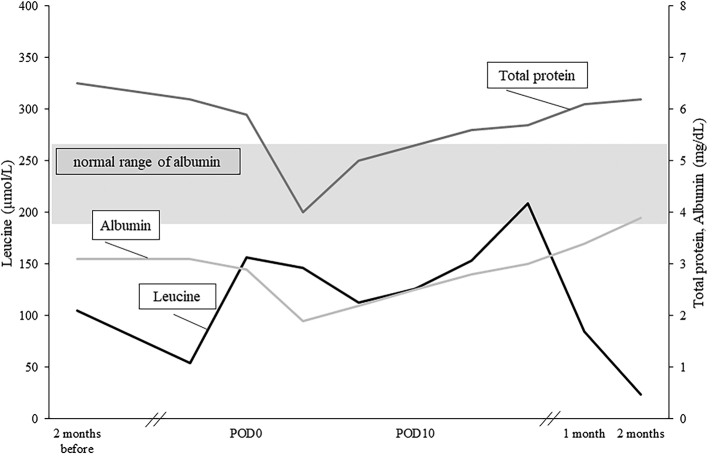
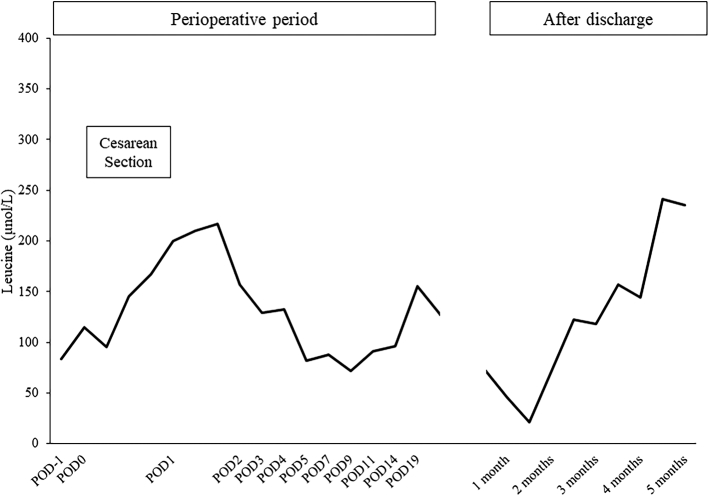
Women with congenital amino acid disorders, including maple syrup urine disease (MSUD), are at risk of metabolic crisis at delivery. There are still only a few case reports of maternal MSUD globally, and we are the first to report the successful perinatal management of a woman with classical MSUD in Japan. A healthy baby was delivered by scheduled cesarean section despite the presence of several uterine fibroids. With precise diet therapy and accurate preparation, she completed the postpartum period without metabolic decompensation. Although her clinical outcome was favorable, she experienced hypoproteinemia at delivery because the available branched-chain amino acid-free medical food did not contain sufficient protein to meet the recommended nutrient intake. Therefore, this case also indicates a potential issue regarding a shortage of variations in specific amino acid-free medical food in Japan, which should be addressed to achieve a better nutrient status of adults with MSUD and other amino acid disorders.
患有先天性氨基酸紊乱疾病(包括枫糖尿症,即MSUD)的女性在分娩时存在代谢危机风险。全球范围内关于母亲患有MSUD的病例报告仍然很少,而我们是首个在日本报道成功对一名患有典型MSUD的女性进行围产期管理的案例。尽管存在多个子宫肌瘤,该女性仍通过择期剖宫产分娩出一个健康的婴儿。通过精确的饮食治疗和准确的准备,她顺利度过产后期,未出现代谢失代偿情况。虽然她的临床结局良好,但她在分娩时出现了低蛋白血症,因为现有的不含支链氨基酸的医用食品所含蛋白质不足以满足推荐的营养素摄入量。因此,该案例还表明了日本特定不含氨基酸的医用食品种类短缺这一潜在问题,要改善患有MSUD和其他氨基酸紊乱疾病的成年人的营养状况,就需要解决这一问题。