Jones Leandra B, Kumar Sanjay, Bell Courtnee' R, Crenshaw Brennetta J, Coats Mamie T, Sims Brian, Matthews Qiana L
Microbiology Program, Department of Biological Sciences, College of Science, Technology, Engineering and Mathematics, Alabama State University, Montgomery, AL, 36104, USA.
Department of Pediatrics and Cell, Developmental and Integrative Biology, Division of Neonatology, University of Alabama at Birmingham, Birmingham, AL, 35294, USA.
Curr Microbiol. 2021 Mar;78(3):920-931. doi: 10.1007/s00284-021-02348-5. Epub 2021 Feb 9.
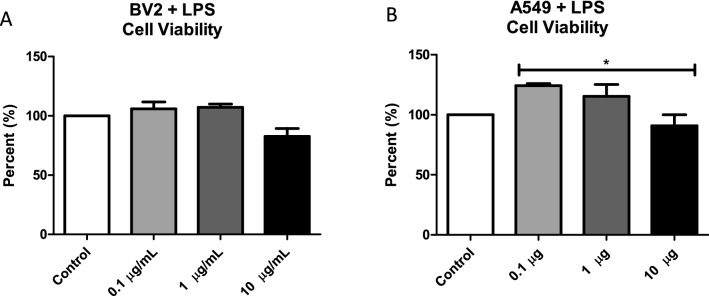
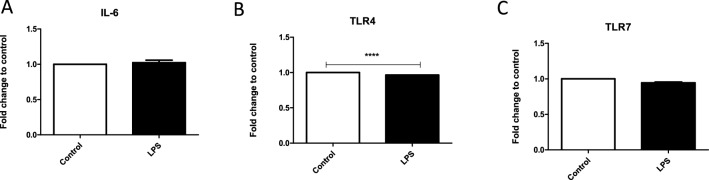
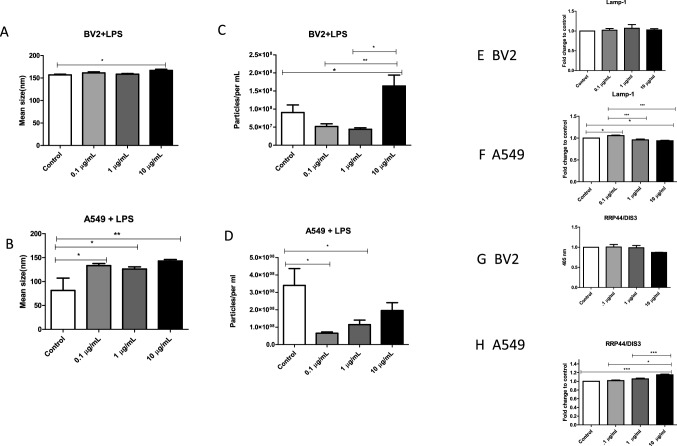
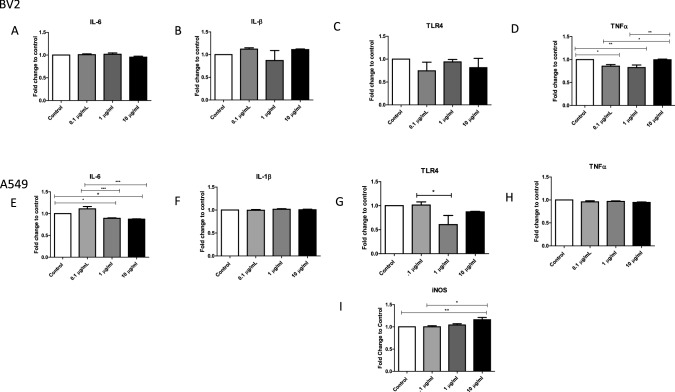
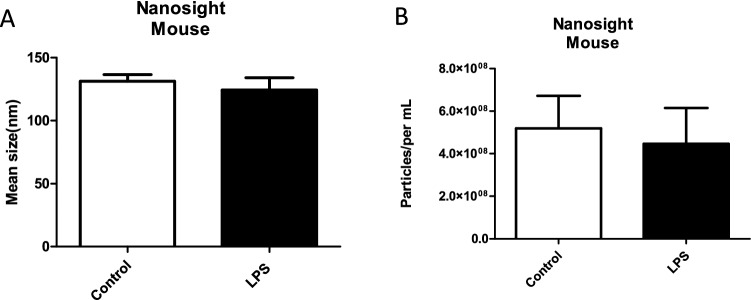
Extracellular vesicles (EVs) play a fundamental role in cell and infection biology and have the potential to act as biomarkers for novel diagnostic tools. In this study, we explored the in vitro impact of bacterial lipopolysaccharide administration on cell lines that represents a target for bacterial infection in the host. Administration of lipopolysaccharide at varying concentrations to A549 and BV-2 cell lines caused only modest changes in cell death, but EV numbers were significantly changed. After treatment with the highest concentration of lipopolysaccharide, EVs derived from A549 cells packaged significantly less interleukin-6 and lysosomal-associated membrane protein 1. EVs derived from BV-2 cells packaged significantly less tumor necrosis factor after administration of lipopolysaccharide concentrations of 0.1 µg/mL and 1 µg/mL. We also examined the impact of lipopolysaccharide administration on exosome biogenesis and cargo composition in BALB/c mice. Serum-isolated EVs from lipopolysaccharide-treated mice showed significantly increased lysosomal-associated membrane protein 1 and toll-like receptor 4 levels compared with EVs from control mice. In summary, this study demonstrated that EV numbers and cargo were altered using these in vitro and in vivo models of bacterial infection.
细胞外囊泡(EVs)在细胞和感染生物学中发挥着重要作用,并且有潜力作为新型诊断工具的生物标志物。在本研究中,我们探讨了细菌脂多糖给药对代表宿主中细菌感染靶标的细胞系的体外影响。向A549和BV-2细胞系施用不同浓度的脂多糖仅引起细胞死亡的适度变化,但EV数量发生了显著变化。用最高浓度的脂多糖处理后,源自A549细胞的EVs包装的白细胞介素-6和溶酶体相关膜蛋白1明显减少。在施用0.1μg/mL和1μg/mL脂多糖浓度后,源自BV-2细胞的EVs包装的肿瘤坏死因子明显减少。我们还研究了脂多糖给药对BALB/c小鼠外泌体生物发生和货物组成的影响。与对照小鼠的EVs相比,来自脂多糖处理小鼠的血清分离EVs显示溶酶体相关膜蛋白1和Toll样受体4水平显著增加。总之,本研究表明,使用这些细菌感染的体外和体内模型,EV数量和货物发生了改变。