Artificial Intelligence Research and Intelligent Systems (airis4D), Thelliyoor, Kerala, India.
Department of Physics, CMS College, Kottayam, Kerala, India.
Commun Biol. 2021 Feb 15;4(1):200. doi: 10.1038/s42003-021-01721-1.
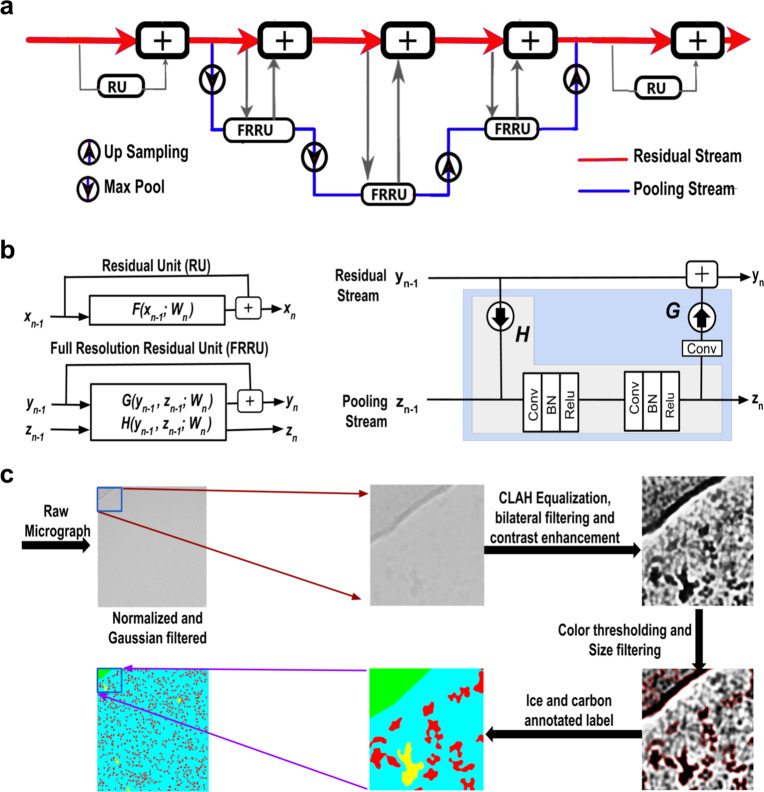
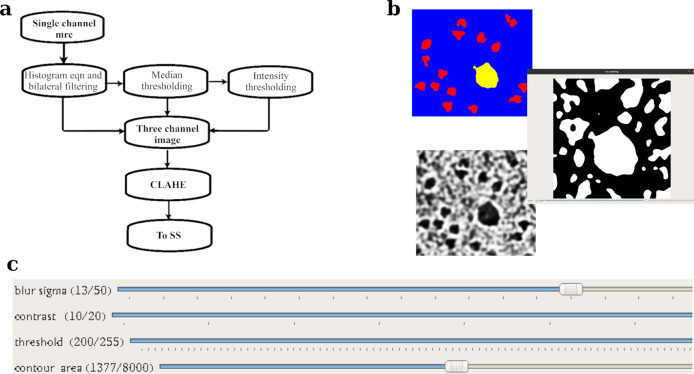
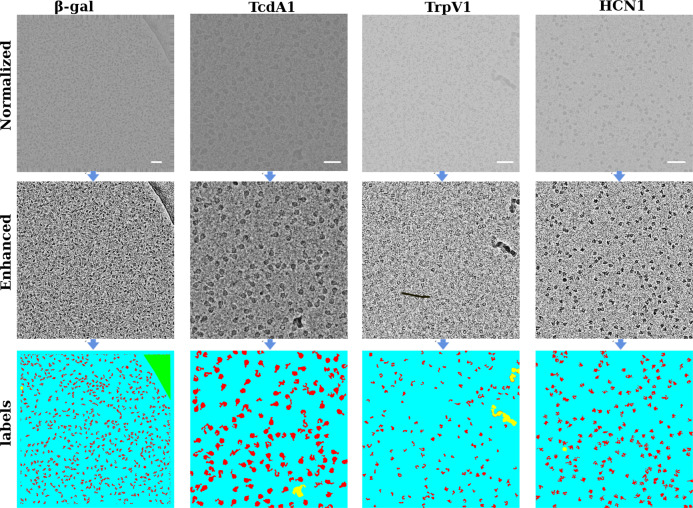
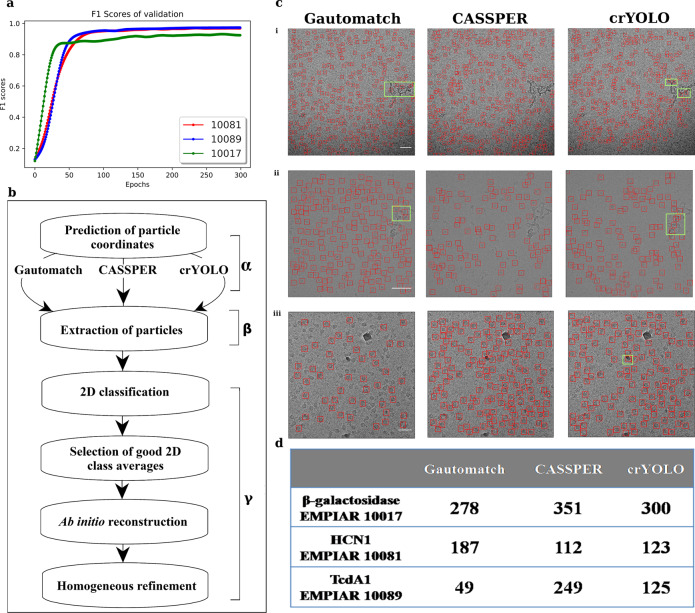
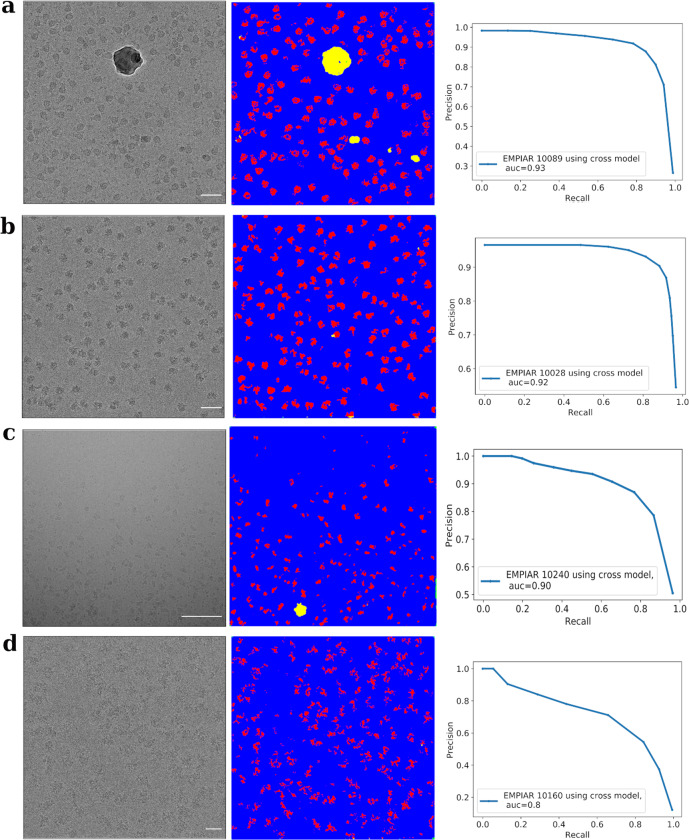
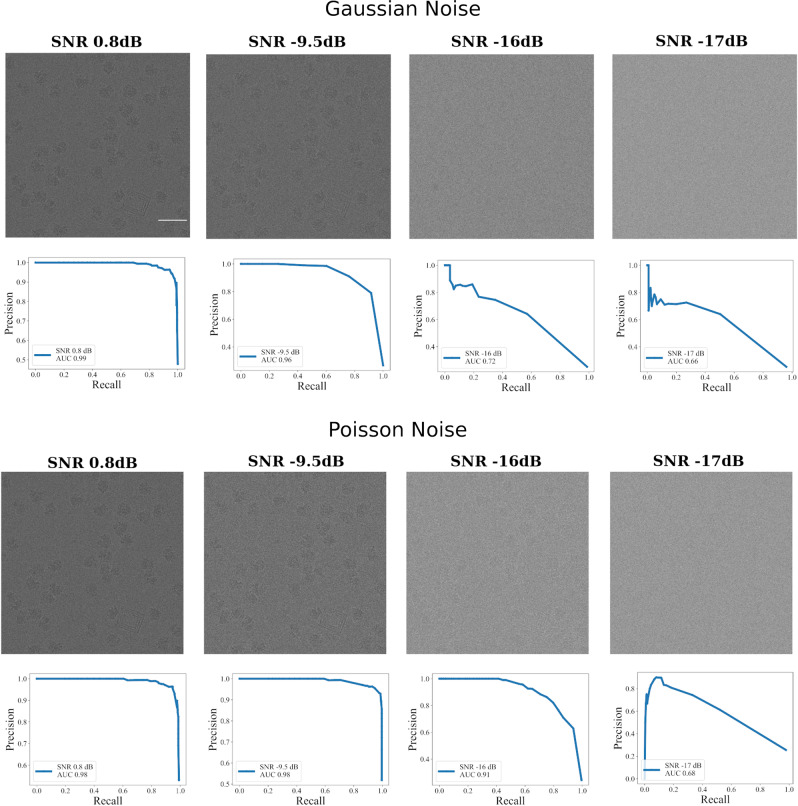
Particle identification and selection, which is a prerequisite for high-resolution structure determination of biological macromolecules via single-particle cryo-electron microscopy poses a major bottleneck for automating the steps of structure determination. Here, we present a generalized deep learning tool, CASSPER, for the automated detection and isolation of protein particles in transmission microscope images. This deep learning tool uses Semantic Segmentation and a collection of visually prepared training samples to capture the differences in the transmission intensities of protein, ice, carbon, and other impurities found in the micrograph. CASSPER is a semantic segmentation based method that does pixel-level classification and completely eliminates the need for manual particle picking. Integration of Contrast Limited Adaptive Histogram Equalization (CLAHE) in CASSPER enables high-fidelity particle detection in micrographs with variable ice thickness and contrast. A generalized CASSPER model works with high efficiency on unseen datasets and can potentially pick particles on-the-fly, enabling data processing automation.
粒子识别和选择是通过单颗粒冷冻电子显微镜确定生物大分子高分辨率结构的前提,但这也是自动化结构确定步骤的主要瓶颈。在这里,我们提出了一种通用的深度学习工具 CASSPER,用于自动检测和分离透射显微镜图像中的蛋白质粒子。这个深度学习工具使用语义分割和一系列视觉准备的训练样本,来捕捉在显微镜中发现的蛋白质、冰、碳和其他杂质的传输强度差异。CASSPER 是一种基于语义分割的方法,进行像素级分类,完全不需要手动挑选粒子。在 CASSPER 中集成对比度受限自适应直方图均衡化(CLAHE),可以在冰厚度和对比度变化的显微镜中进行高保真度的粒子检测。一个通用的 CASSPER 模型可以在未见过的数据集上高效运行,并且可以实时挑选粒子,从而实现数据处理自动化。