Howard Hughes Medical Institute, Harvard Medical School, Department of Cell Biology, Boston, United States.
Skirball Institute, NYU School of Medicine, New York, United States.
Elife. 2021 Feb 18;10:e63049. doi: 10.7554/eLife.63049.
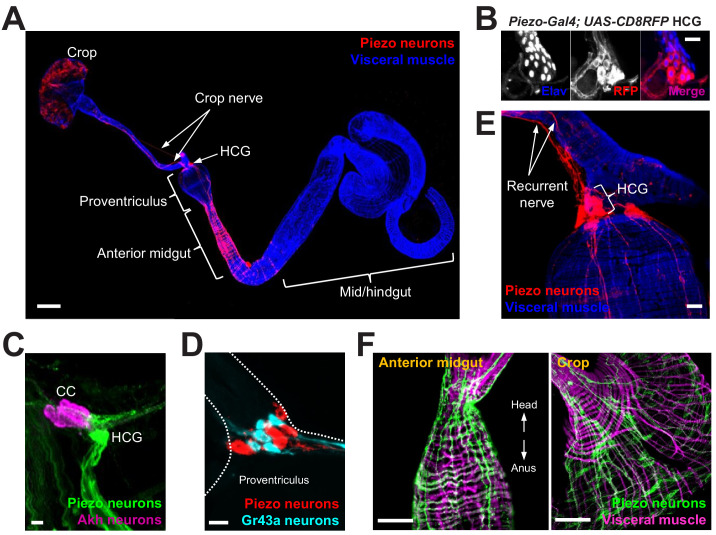
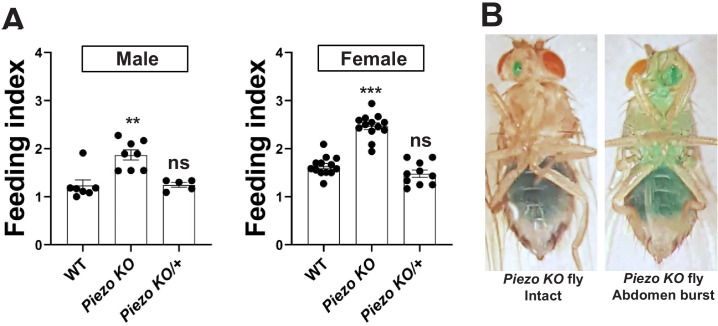
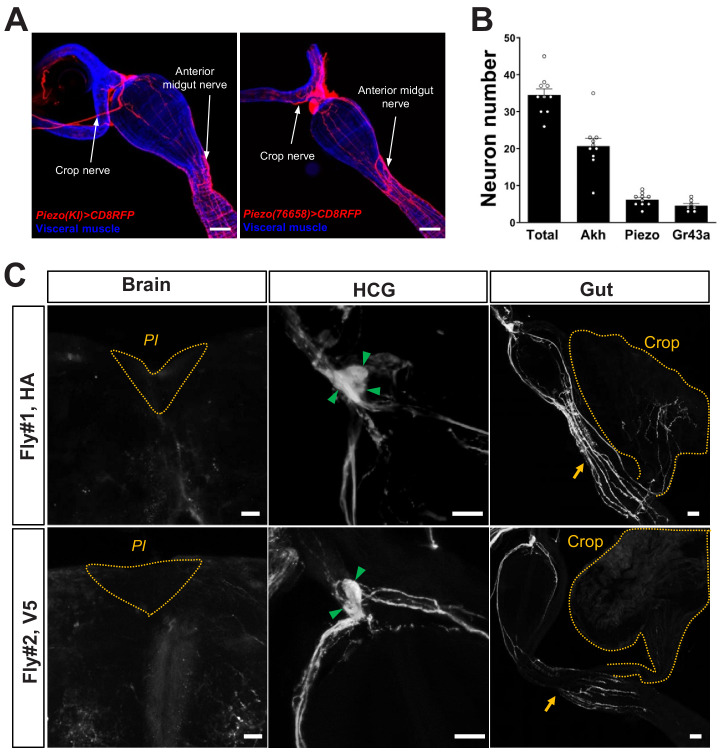
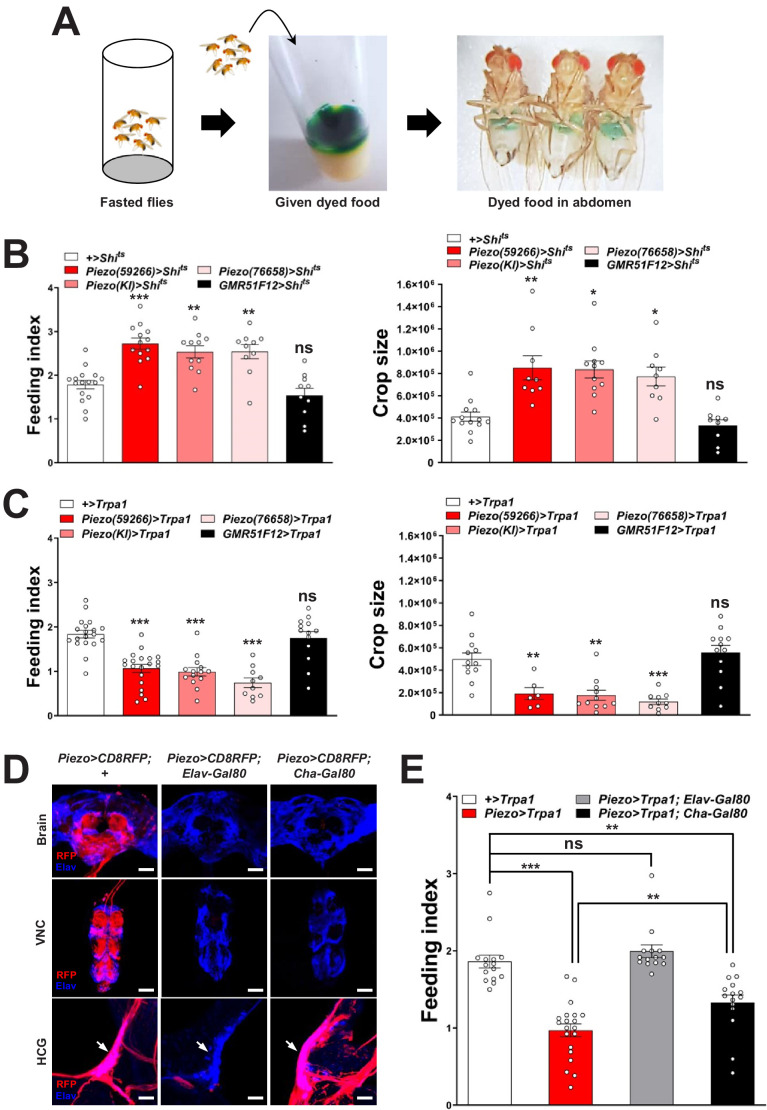
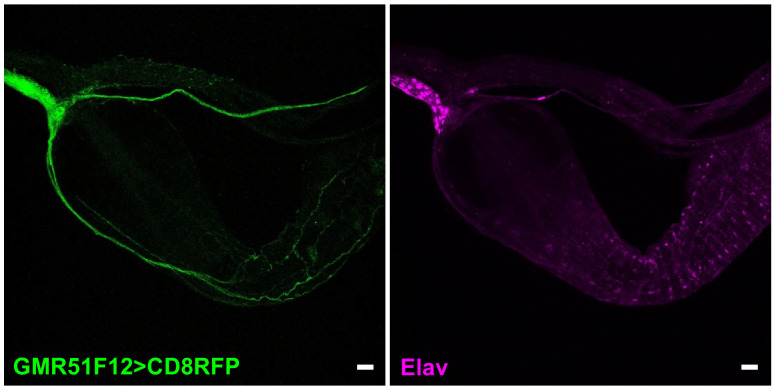
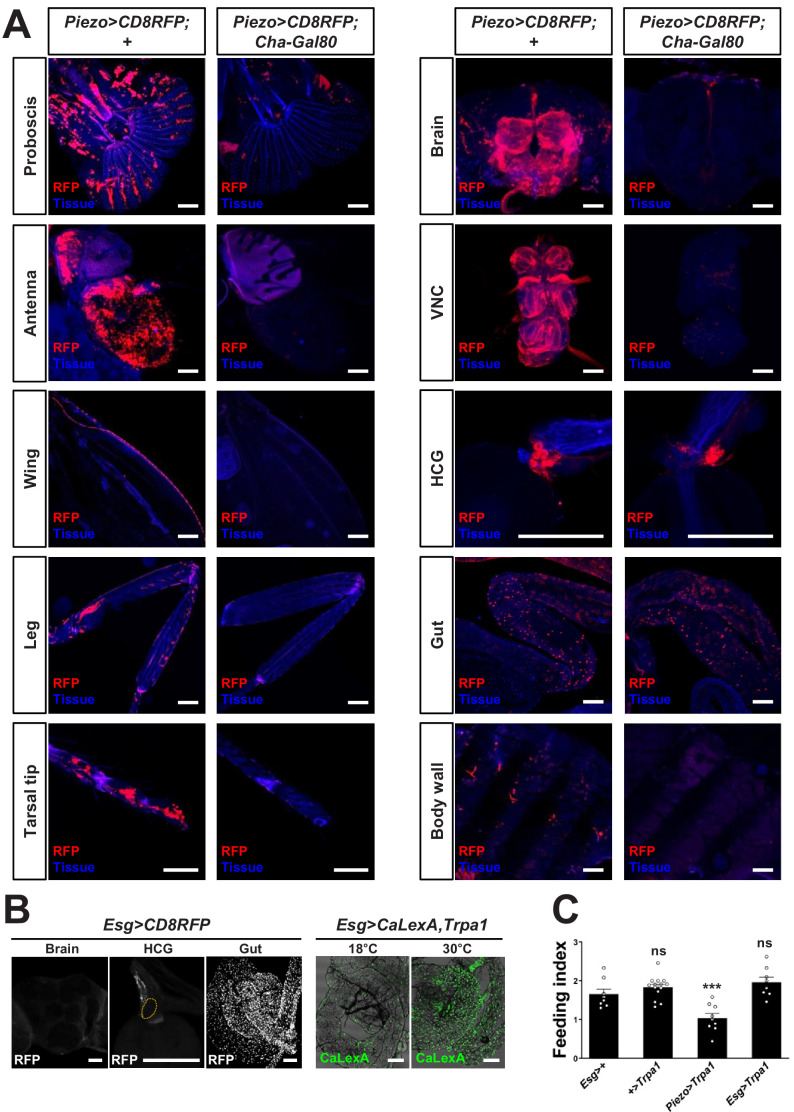
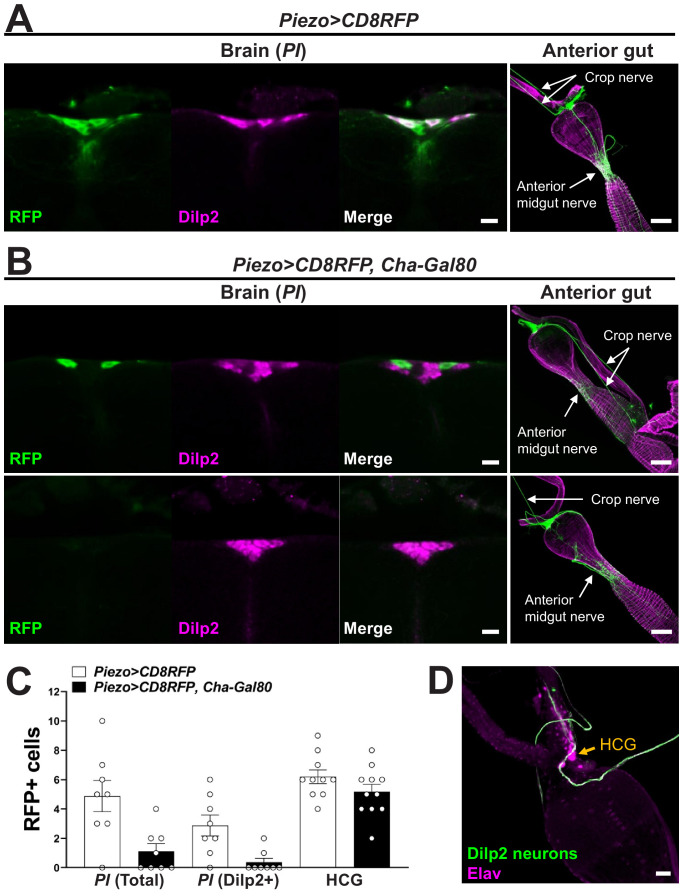
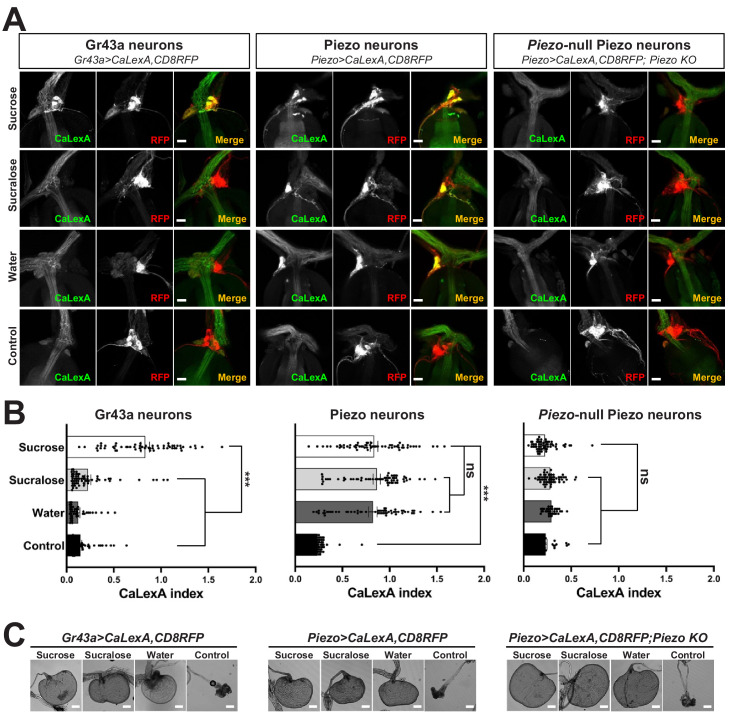
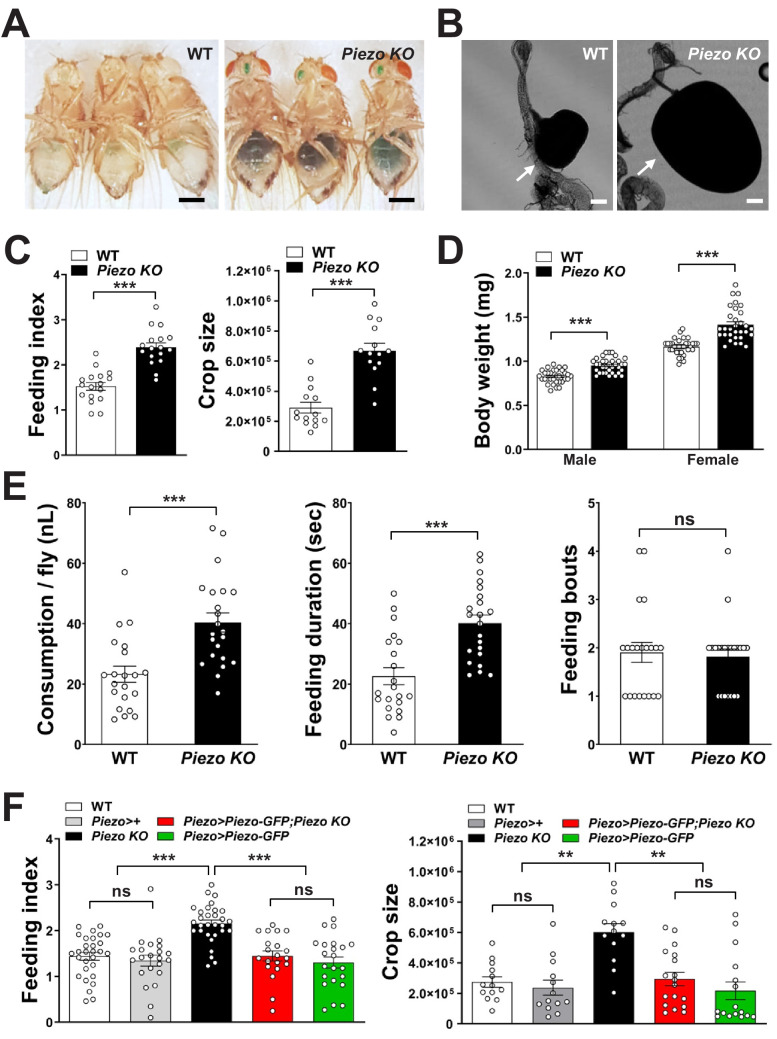
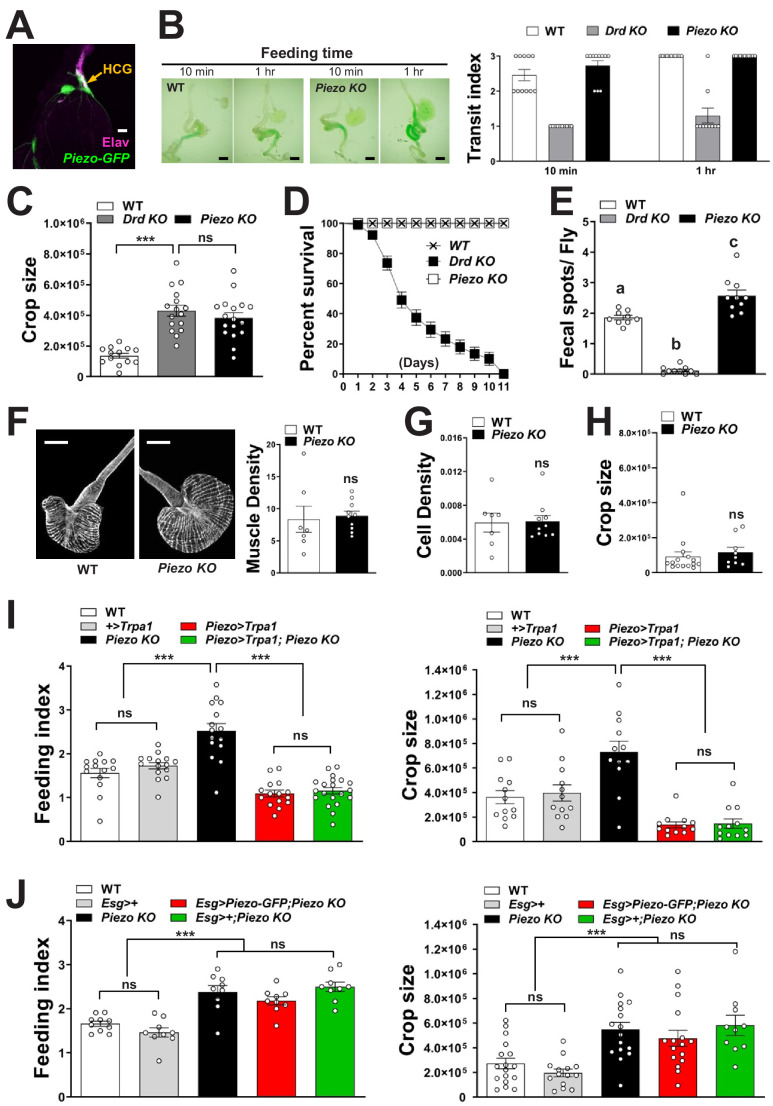
Across animal species, meals are terminated after ingestion of large food volumes, yet underlying mechanosensory receptors have so far remained elusive. Here, we identify an essential role for Piezo in volume-based control of meal size. We discover a rare population of fly neurons that express Piezo, innervate the anterior gut and crop (a food reservoir organ), and respond to tissue distension in a Piezo-dependent manner. Activating Piezo neurons decreases appetite, while knockout and Piezo neuron silencing cause gut bloating and increase both food consumption and body weight. These studies reveal that disrupting gut distension receptors changes feeding patterns and identify a key role for Piezo in internal organ mechanosensation.
在动物物种中,摄入大量食物后会停止进食,但迄今为止,潜在的机械感受器仍未被发现。在这里,我们确定了 Piezo 在基于体积的进食量控制中的重要作用。我们发现了一个罕见的果蝇神经元群体,它们表达 Piezo,支配前肠和嗉囊(食物储存器官),并以依赖于 Piezo 的方式对组织扩张做出反应。激活 Piezo 神经元会降低食欲,而 knockout 和 Piezo 神经元沉默会导致肠道肿胀,并增加食物消耗和体重。这些研究表明,破坏肠道扩张受体改变了进食模式,并确定了 Piezo 在内部器官机械感觉中的关键作用。