USDA-ARS Bee Research Laboratory, Beltsville, Maryland, United States of America.
USDA-ARS Carl Hayden Bee Research Center, Tucson, Arizona, United States of America.
PLoS Pathog. 2021 Feb 18;17(2):e1009270. doi: 10.1371/journal.ppat.1009270. eCollection 2021 Feb.
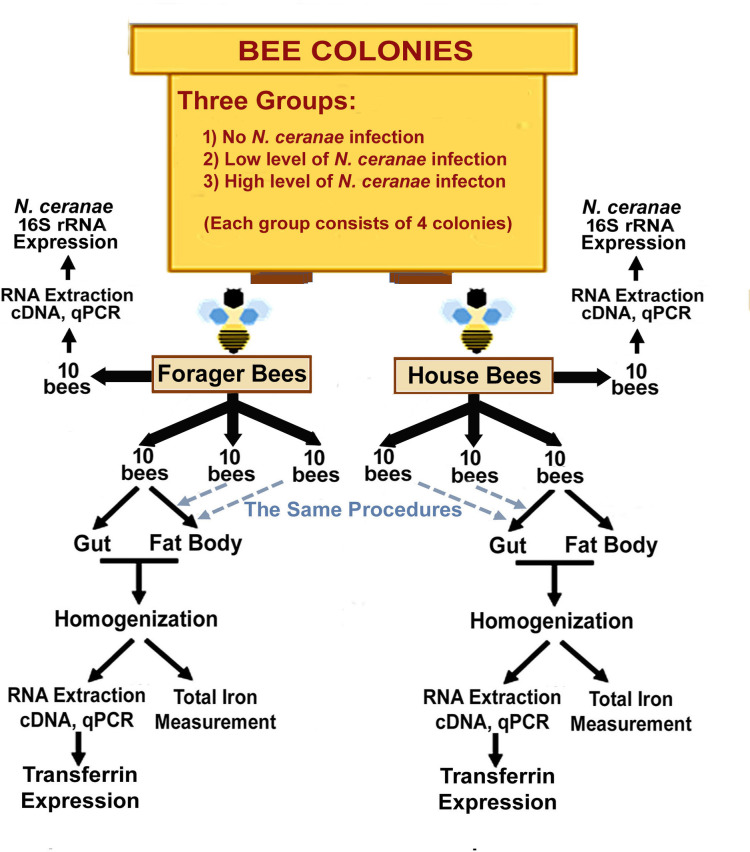
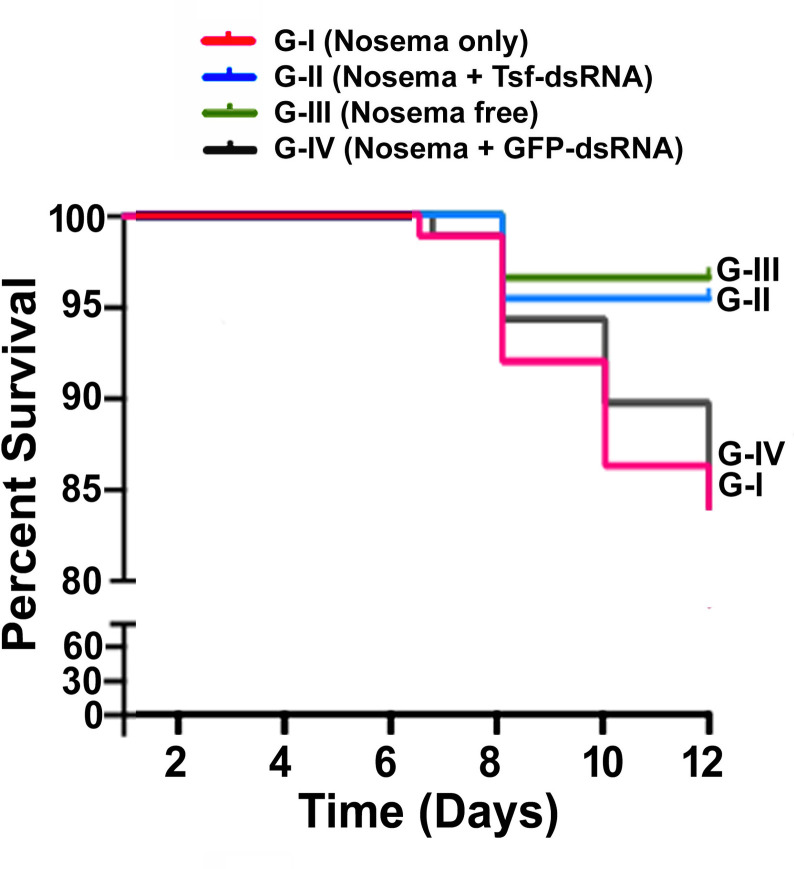
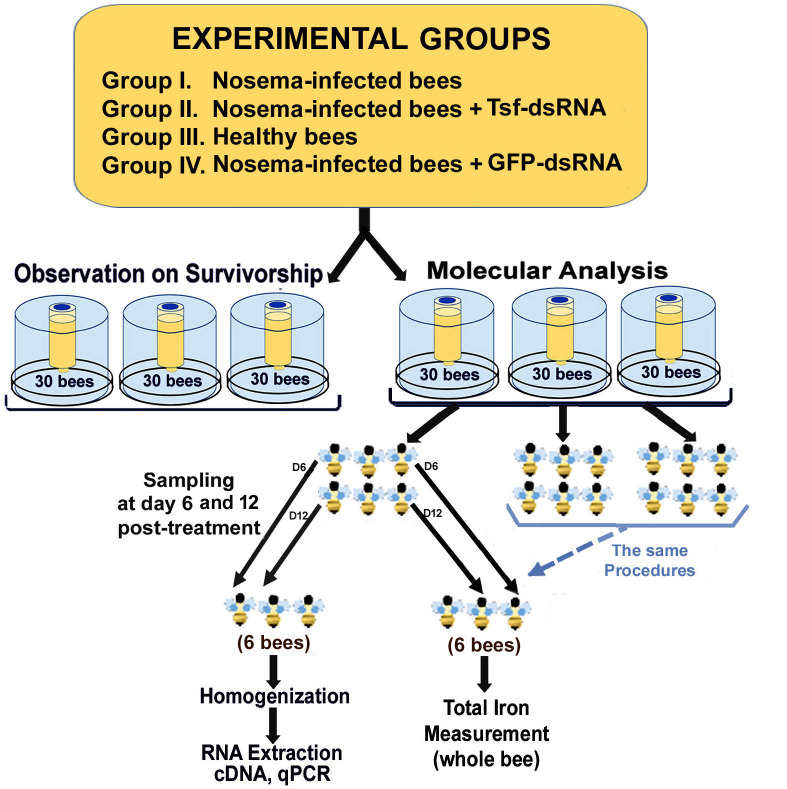
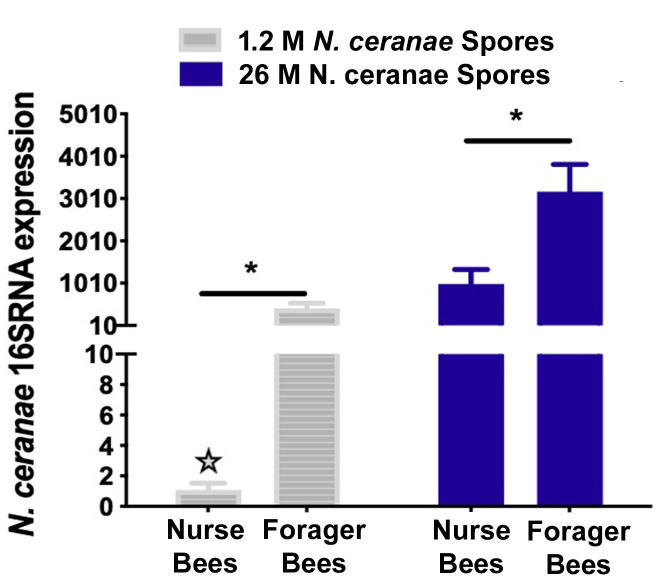
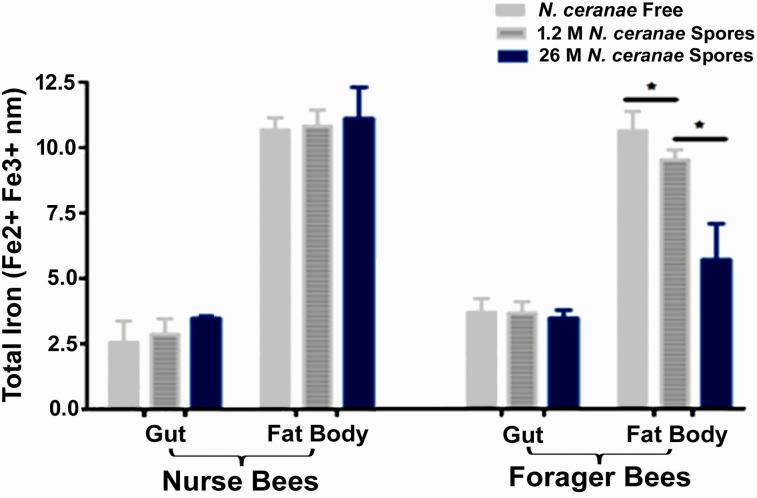
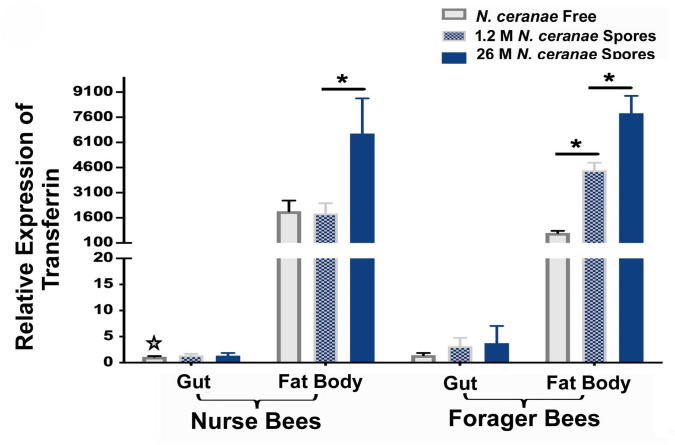
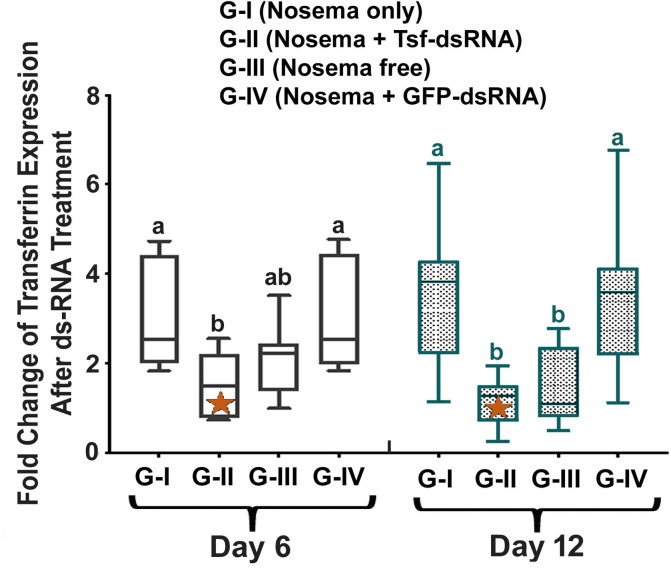
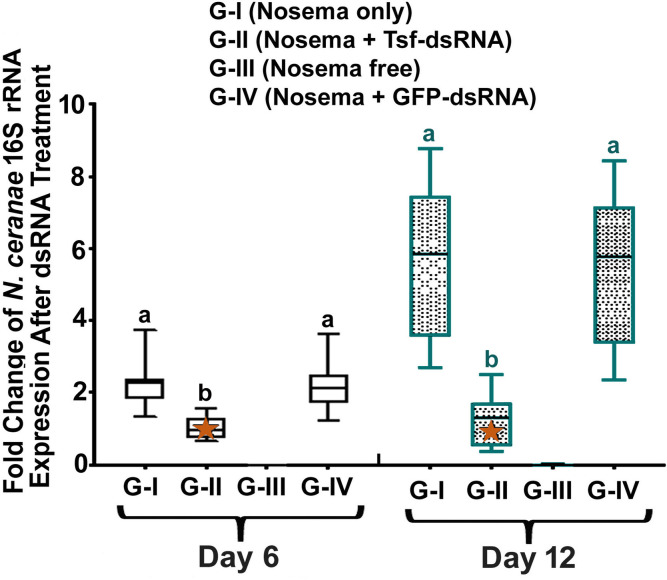
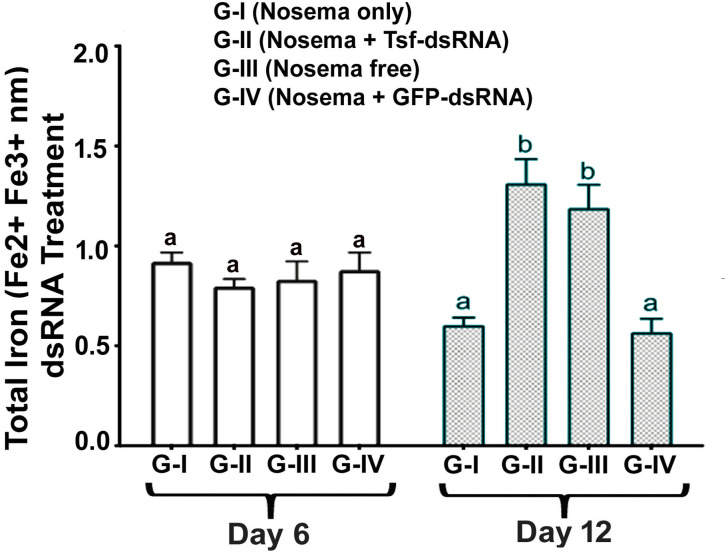
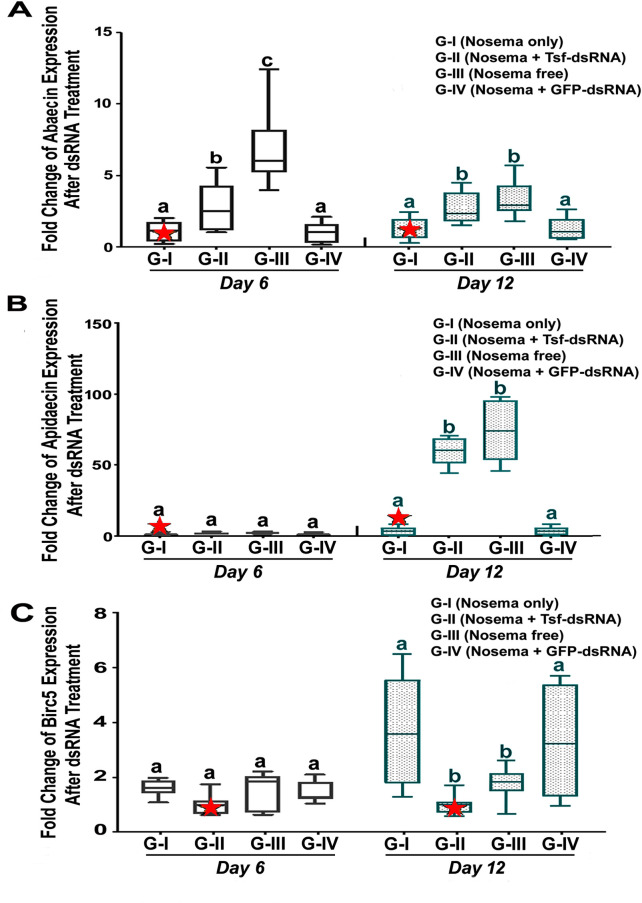
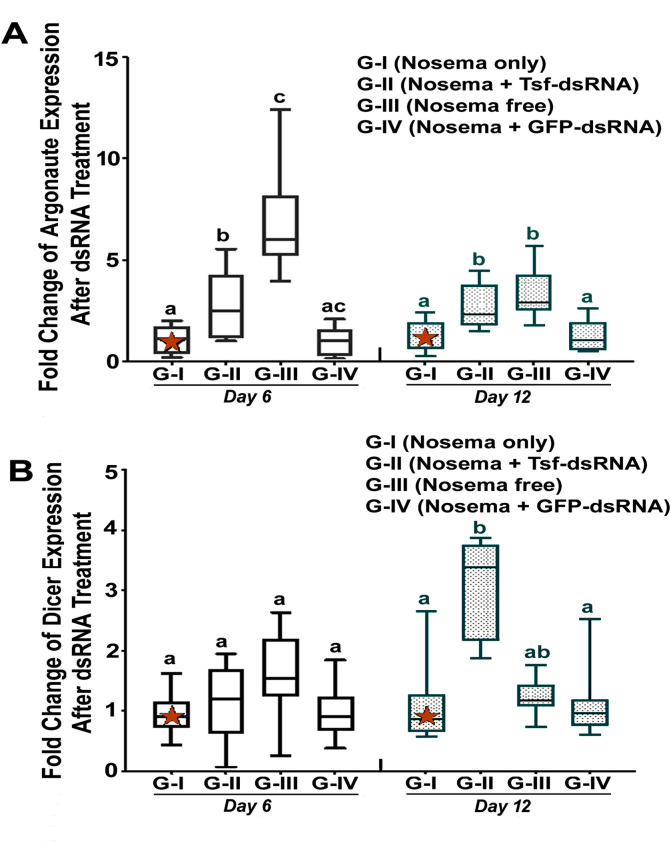
Nosemosis C, a Nosema disease caused by microsporidia parasite Nosema ceranae, is a significant disease burden of the European honey bee Apis mellifera which is one of the most economically important insect pollinators. Nevertheless, there is no effective treatment currently available for Nosema disease and the disease mechanisms underlying the pathological effects of N. ceranae infection in honey bees are poorly understood. Iron is an essential nutrient for growth and survival of hosts and pathogens alike. The iron tug-of-war between host and pathogen is a central battlefield at the host-pathogen interface which determines the outcome of an infection, however, has not been explored in honey bees. To fill the gap, we conducted a study to investigate the impact of N. ceranae infection on iron homeostasis in honey bees. The expression of transferrin, an iron binding and transporting protein that is one of the key players of iron homeostasis, in response to N. ceranae infection was analysed. Furthermore, the functional roles of transferrin in iron homeostasis and honey bee host immunity were characterized using an RNA interference (RNAi)-based method. The results showed that N. ceranae infection causes iron deficiency and upregulation of the A. mellifera transferrin (AmTsf) mRNA in honey bees, implying that higher expression of AmTsf allows N. ceranae to scavenge more iron from the host for its proliferation and survival. The suppressed expression levels of AmTsf via RNAi could lead to reduced N. ceranae transcription activity, alleviated iron loss, enhanced immunity, and improved survival of the infected bees. The intriguing multifunctionality of transferrin illustrated in this study is a significant contribution to the existing body of literature concerning iron homeostasis in insects. The uncovered functional role of transferrin on iron homeostasis, pathogen growth and honey bee's ability to mount immune responses may hold the key for the development of novel strategies to treat or prevent diseases in honey bees.
由微孢子虫寄生虫Nosema ceranae 引起的 Nosemosis C 是欧洲蜜蜂 Apis mellifera 的一种重要疾病负担,它是最具经济重要性的昆虫传粉媒介之一。然而,目前尚无有效的方法来治疗 Nosema 病,而且 N. ceranae 感染对蜜蜂的病理影响的发病机制也知之甚少。铁是宿主和病原体生长和生存所必需的营养物质。宿主和病原体之间的铁拉锯战是宿主-病原体界面的中心战场,决定了感染的结果,然而,在蜜蜂中尚未探索过。为了填补这一空白,我们进行了一项研究,以调查 N. ceranae 感染对蜜蜂铁平衡的影响。分析了铁结合和转运蛋白转铁蛋白(铁稳态的关键因子之一)对 N. ceranae 感染的反应。此外,还使用 RNA 干扰(RNAi)方法来研究转铁蛋白在铁稳态和蜜蜂宿主免疫中的功能作用。结果表明,N. ceranae 感染会导致蜜蜂缺铁和 A. mellifera 转铁蛋白(AmTsf)mRNA 的上调,这意味着 AmTsf 的高表达允许 N. ceranae 从宿主中摄取更多的铁以促进其增殖和生存。通过 RNAi 抑制 AmTsf 的表达水平可能会导致 N. ceranae 转录活性降低,铁损失减少,免疫力增强,感染蜜蜂的存活率提高。本研究中揭示的转铁蛋白的有趣多功能性是对昆虫铁稳态现有文献的重要贡献。转铁蛋白在铁稳态、病原体生长和蜜蜂产生免疫反应能力方面的功能作用可能为开发治疗或预防蜜蜂疾病的新策略提供关键。