Mercado Carmel, Welling John, Oliva Matthew, Li Jack, Gurung Reeta, Ruit Sanduk, Tabin Geoff, Chang David, Thapa Suman, Myung David
Byers Eye Institute, Stanford University, Palo Alto, CA, USA.
John A Moran Eye Center, University of Utah, Salt Lake City, Utah, USA.
J Mob Technol Med. 2017;6(3):34-42. doi: 10.7309/jmtm.6.3.6. Epub 2017 Dec 28.
The ability to obtain high quality ocular images utilizing smartphone technology is of special interest in under-resourced parts of the world where traditional ocular imaging devices are cost-prohibitive, difficult to transport, and require a trained technician for operation.
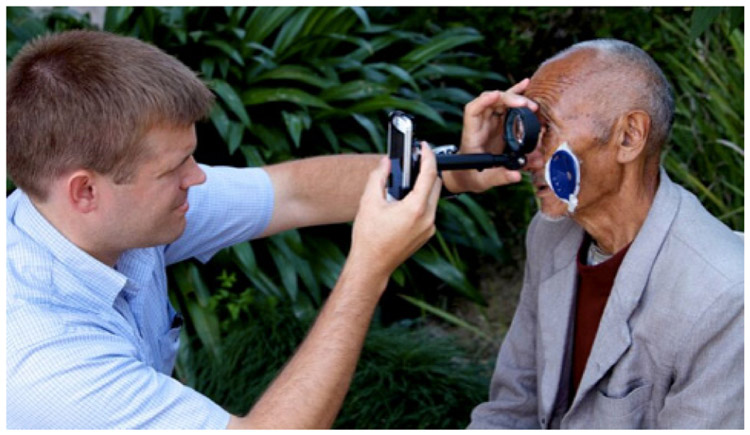
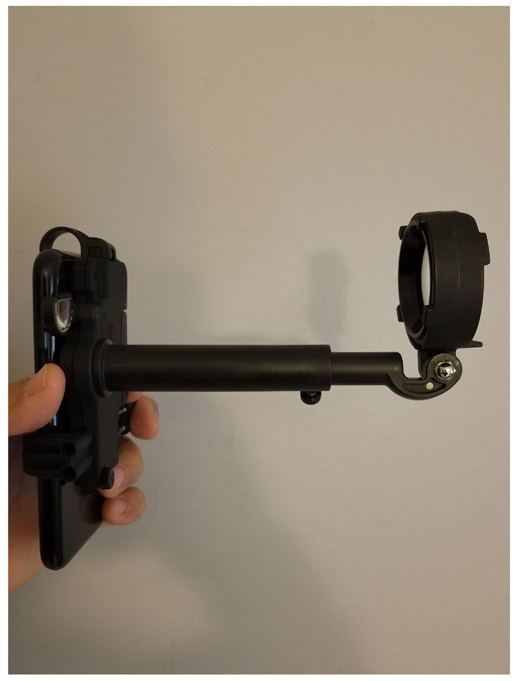
The purpose of this study was to explore potential anterior and posterior segment ocular imaging use cases for a smartphone-based ophthalmic camera adapter (Paxos Scope, Digisight Technologies, San Francisco, CA, USA) in under-resourced settings in Nepal.
From September to November of 2015 we utilized the Paxos Scope smartphone camera adapter coupled with an iPhone 5 to explore anterior and posterior segment clinical applications for this mobile technology. We used the device at a tertiary eye care facility, a rural eye hospital and a rural cataract outreach camp. We tested the device's capability for high quality photo-documentation in clinic, in the operating room, and in the outreach camp setting. Images were automatically uploaded to a secure, cloud-based electronic medical record system that facilitated sharing of images with other providers for telemedicine purposes.
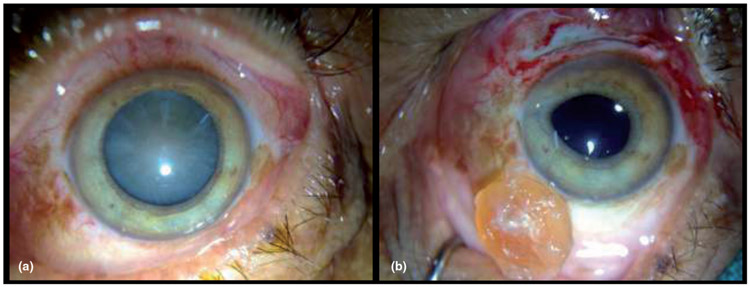
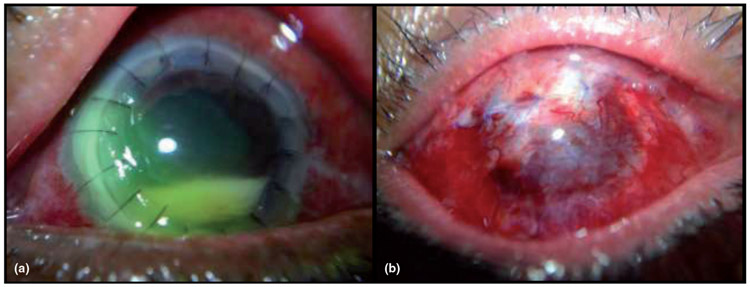
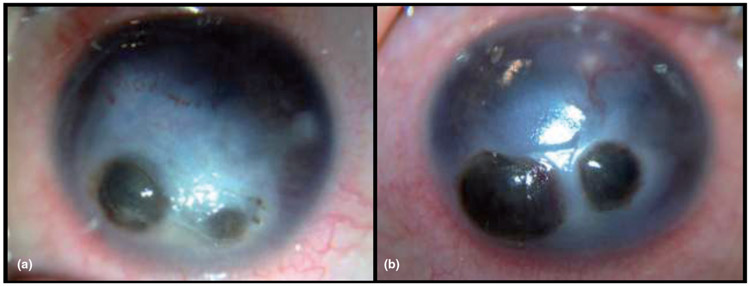
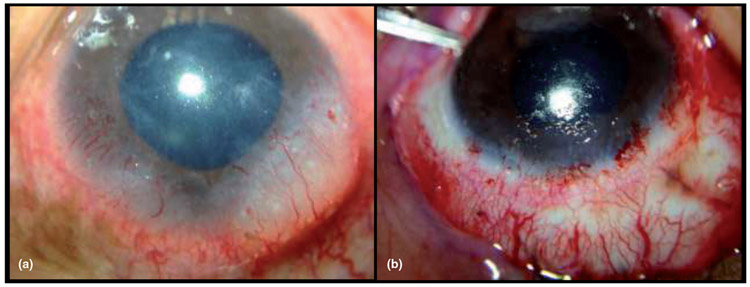
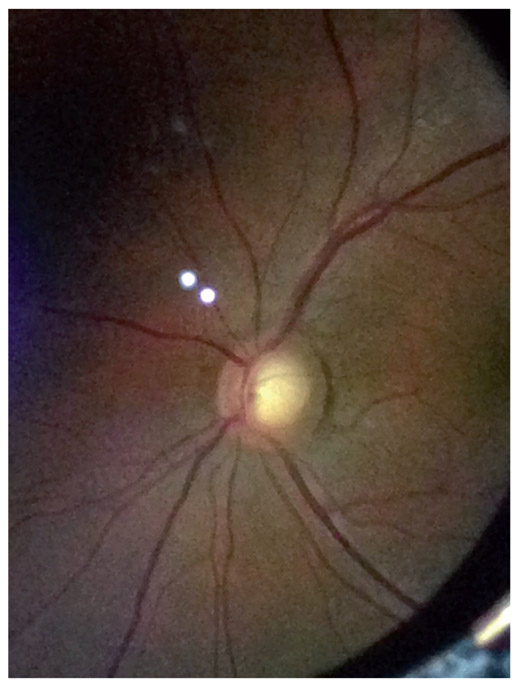
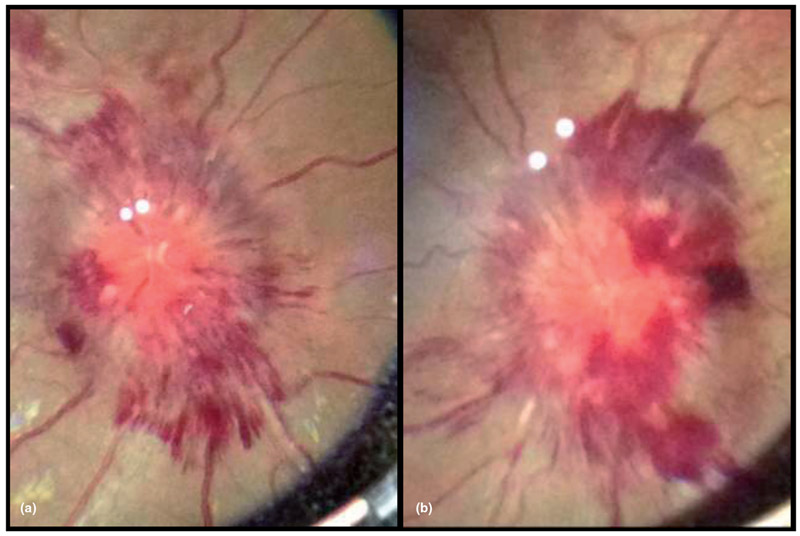
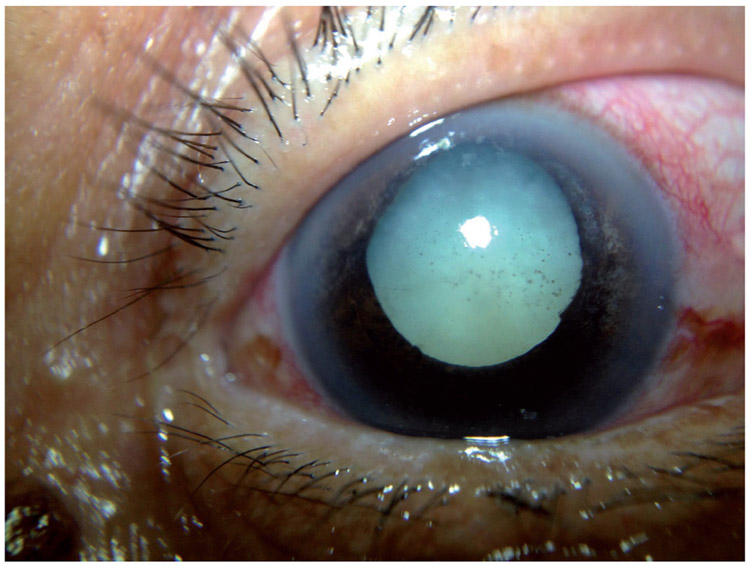
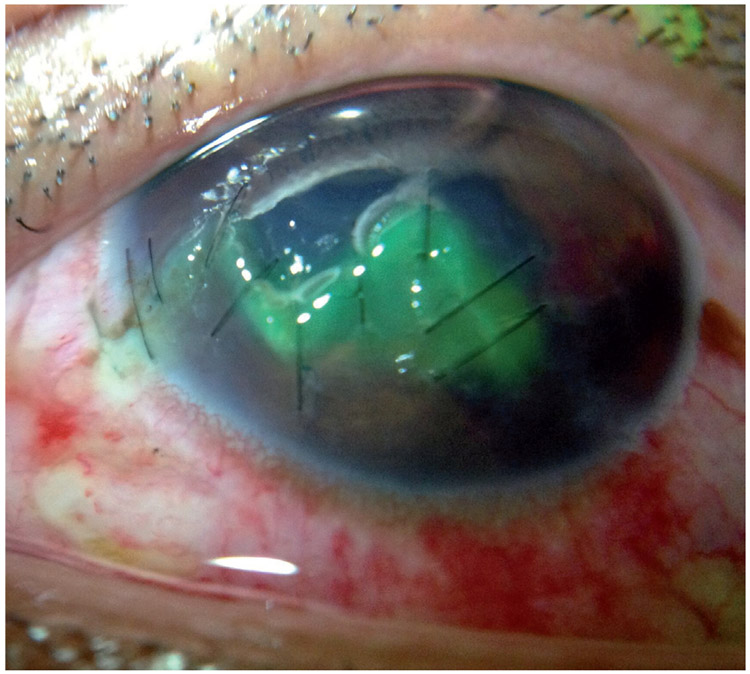
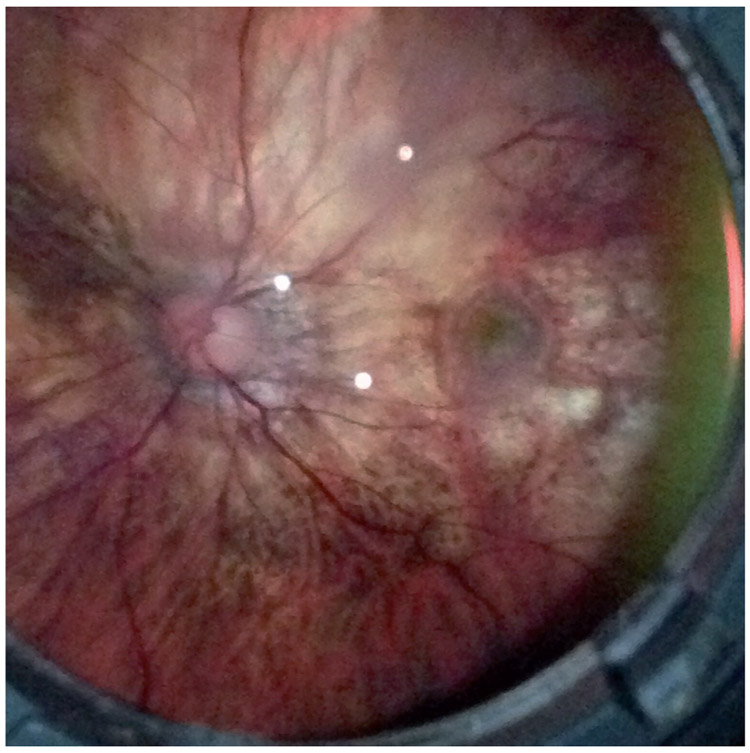
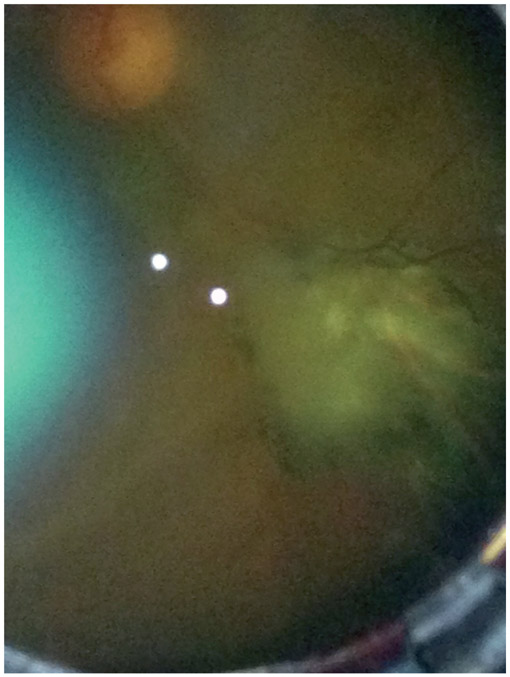
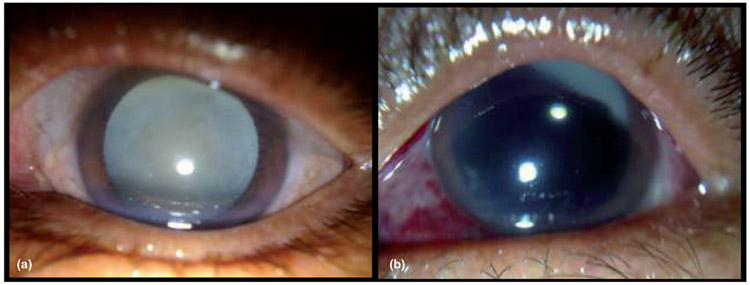
Herein we present 17 ocular images documenting a wide variety of anterior and posterior segment pathology using the Paxos Scope from clinical cases seen in a variety of settings in Nepal.
We found the quality of both the anterior and posterior segment images to be excellent in the clinic, the operating room, and the outreach camp settings. We found the device to be versatile and user-friendly, with a short learning curve. The Paxos Scope smartphone camera adapter may provide an affordable, high-quality, mobile ocular imaging option for under-resourced parts of the world.
在世界上资源匮乏的地区,利用智能手机技术获取高质量眼部图像的能力备受关注,因为传统眼部成像设备成本高昂、运输困难且需要训练有素的技术人员操作。
本研究的目的是探索基于智能手机的眼科相机适配器(Paxos Scope,Digisight Technologies,美国加利福尼亚州旧金山)在尼泊尔资源匮乏地区的潜在眼前段和眼后段眼部成像应用案例。
2015年9月至11月,我们使用Paxos Scope智能手机相机适配器与iPhone 5相结合,探索这种移动技术在眼前段和眼后段的临床应用。我们在一家三级眼科护理机构、一家农村眼科医院和一个农村白内障外展营地使用了该设备。我们测试了该设备在诊所、手术室和外展营地环境中进行高质量照片记录的能力。图像会自动上传到一个安全的、基于云的电子病历系统,便于与其他医疗服务提供者共享图像以用于远程医疗目的。
在此,我们展示了17张眼部图像,这些图像记录了在尼泊尔不同环境下临床病例中使用Paxos Scope观察到的各种眼前段和眼后段病变。
我们发现,在诊所、手术室和外展营地环境中,眼前段和眼后段图像的质量都非常出色。我们发现该设备用途广泛且用户友好,学习曲线短。Paxos Scope智能手机相机适配器可能为世界上资源匮乏的地区提供一种经济实惠、高质量的移动眼部成像选择。