Aryal Diptesh, Beane Abi, Dondorp Arjen M, Green Cameron, Haniffa Rashan, Hashmi Madiha, Jayakumar Devachandran, Marshall John C, McArthur Colin J, Murthy Srinivas, Webb Steven A, Acharya Subhash P, Ishani Pramodya G P, Jawad Issrah, Khanal Sushil, Koirala Kanchan, Luitel Subekshya, Pabasara Upulee, Paneru Hem Raj, Kumar Ashok, Patel Shoaib Siddiq, Ramakrishnan Nagarajan, Salahuddin Nawal, Shaikh Mohiuddin, Tolppa Timo, Udayanga Ishara, Umrani Zulfiqar
Critical Care and Anaesthesia, Nepal Mediciti Hospital, Lalitpur, Bagmati Pradesh, 44600, Nepal.
Critical Care, Mahidol Oxford Tropical Medicine Research Unit, Bangkok, Central Thailand, 10400, Thailand.
Wellcome Open Res. 2021 Jan 28;6:14. doi: 10.12688/wellcomeopenres.16486.1. eCollection 2021.
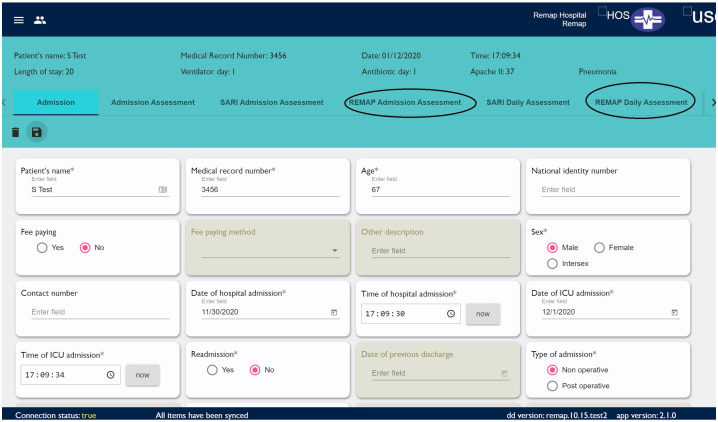
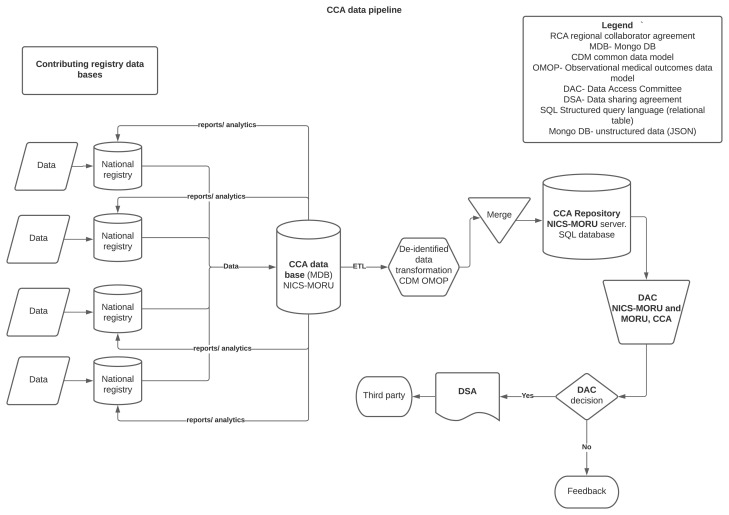
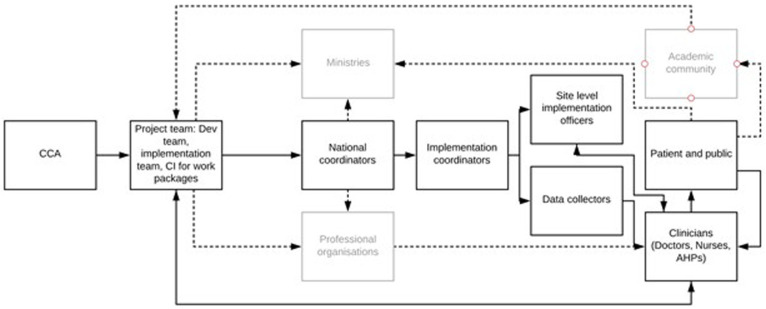
The Randomized Embedded Multifactorial Adaptive Platform (REMAP-CAP) adapted for COVID-19) trial is a global adaptive platform trial of hospitalised patients with COVID-19. We describe implementation in three countries under the umbrella of the Wellcome supported Low and Middle Income Country (LMIC) critical care network: Collaboration for Research, Implementation and Training in Asia (CCA). The collaboration sought to overcome known barriers to multi centre-clinical trials in resource-limited settings. Methods described focused on six aspects of implementation: i, Strengthening an existing community of practice; ii, Remote study site recruitment, training and support; iii, Harmonising the REMAP CAP- COVID trial with existing care processes; iv, Embedding REMAP CAP- COVID case report form into the existing CCA registry platform, v, Context specific adaptation and data management; vi, Alignment with existing pandemic and critical care research in the CCA. Methods described here may enable other LMIC sites to participate as equal partners in international critical care trials of urgent public health importance, both during this pandemic and beyond.
针对2019冠状病毒病的随机嵌入式多因素自适应平台(REMAP-CAP)试验是一项针对住院的2019冠状病毒病患者的全球自适应平台试验。我们描述了在威康支持的低收入和中等收入国家(LMIC)重症监护网络:亚洲研究、实施与培训合作组织(CCA)的框架下,在三个国家的实施情况。该合作旨在克服资源有限环境下多中心临床试验的已知障碍。所描述的方法集中在实施的六个方面:i,加强现有的实践社区;ii,远程研究站点招募、培训和支持;iii,使REMAP CAP-COVID试验与现有护理流程相协调;iv,将REMAP CAP-COVID病例报告表嵌入现有的CCA注册平台;v,根据具体情况进行调整和数据管理;vi,与CCA现有的大流行和重症监护研究保持一致。这里描述的方法可能使其他低收入和中等收入国家的站点能够在本次大流行期间及之后,作为平等伙伴参与具有紧急公共卫生重要性的国际重症监护试验。