Cui Yiping, Wu Bo, Peng Aitian, Song Xiaobing, Chen Xia
Guangdong Provincial Key Laboratory of High Technology for Plant Protection, Plant Protection Research Institute, Guangdong Academy of Agricultural Sciences, Guangzhou, China.
School of Computing, Clemson University, Clemson, SC, United States.
Front Plant Sci. 2021 Feb 4;12:629859. doi: 10.3389/fpls.2021.629859. eCollection 2021.
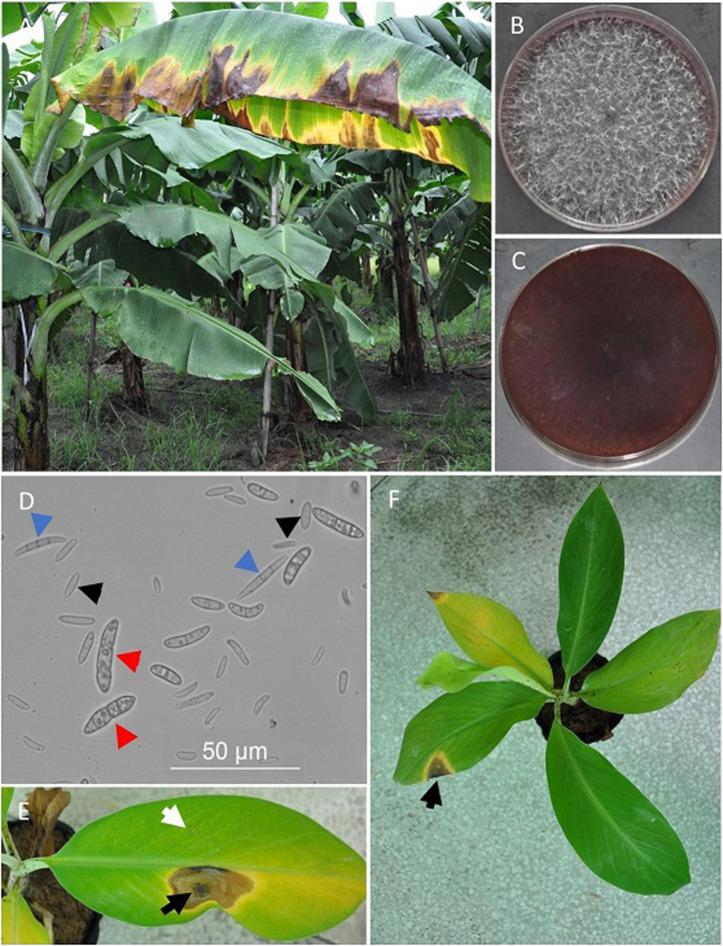
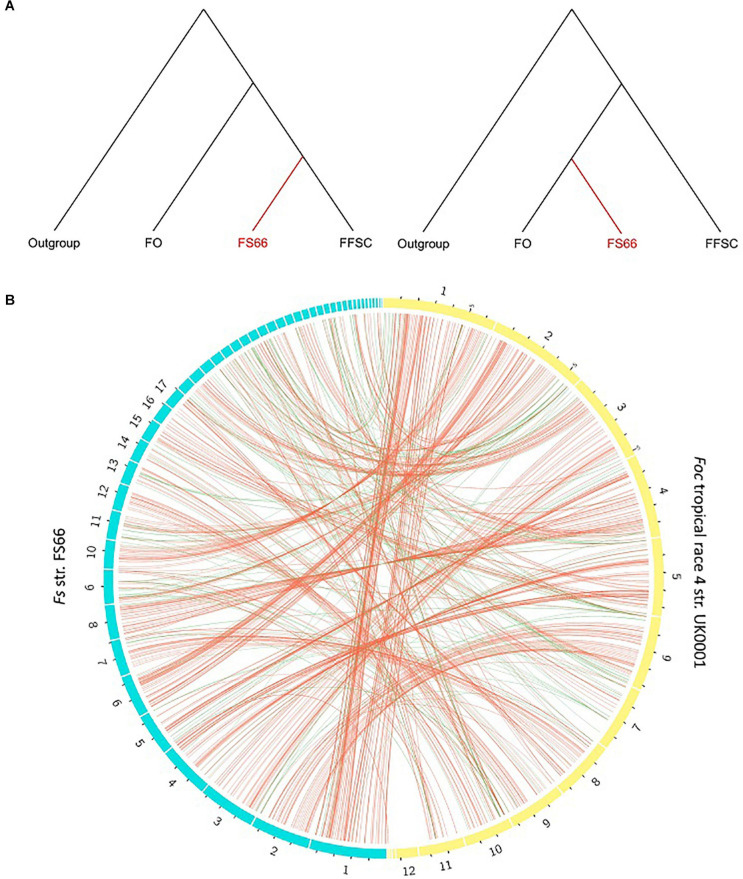
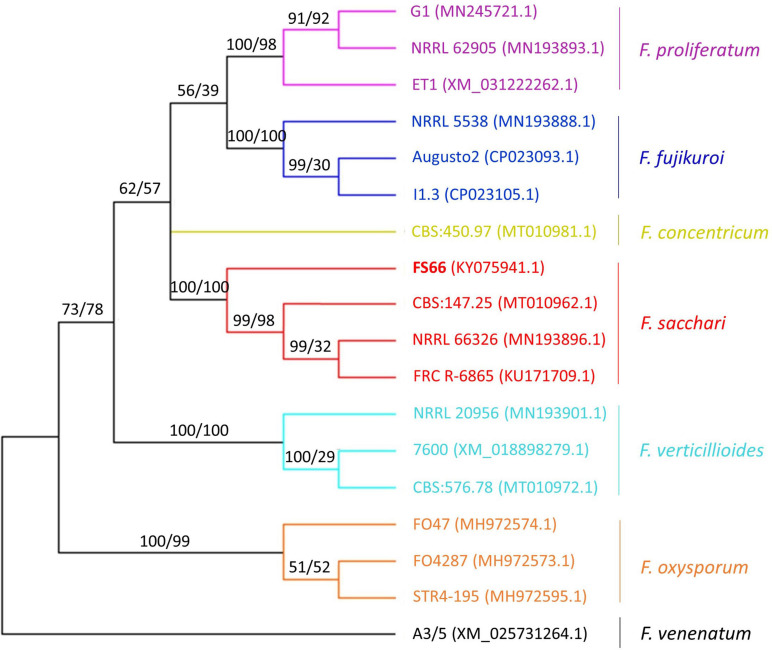
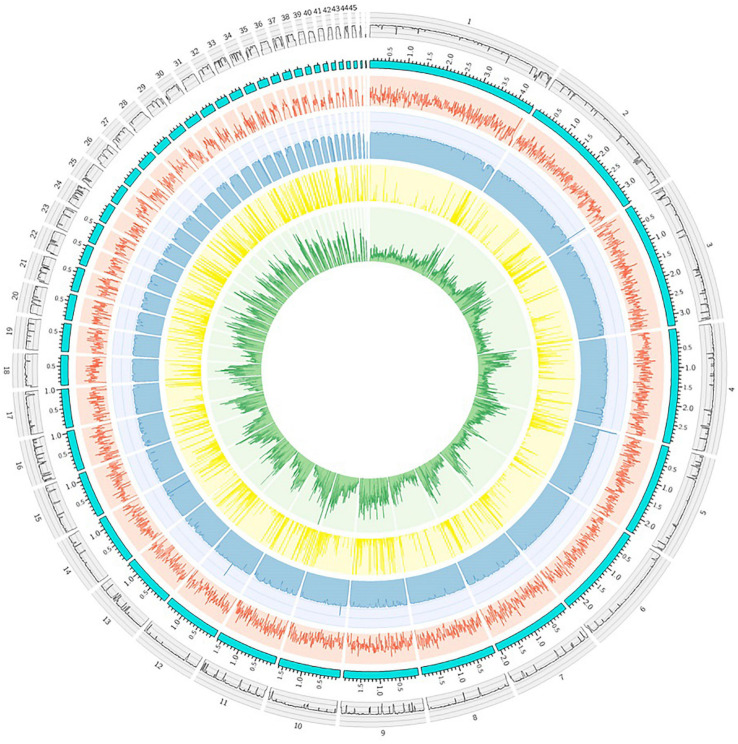
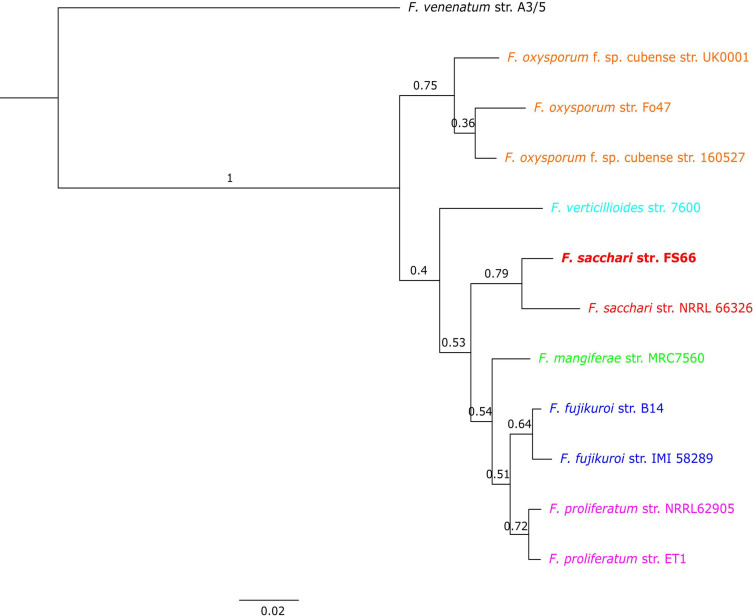
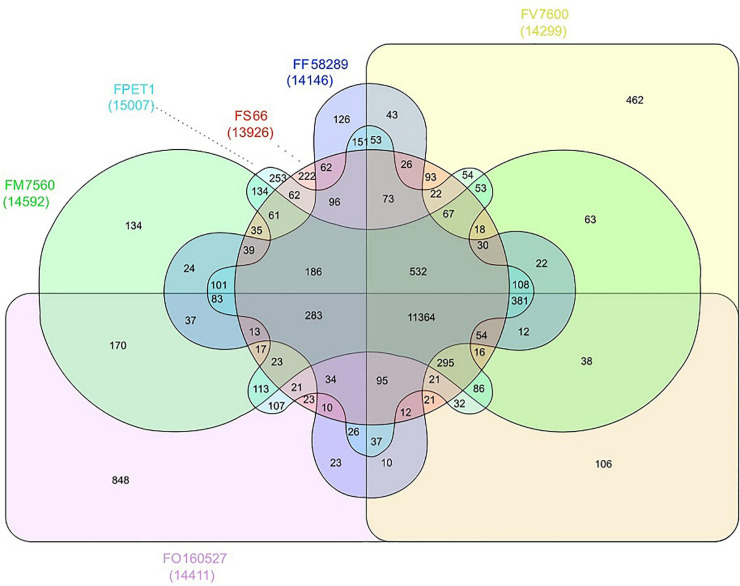
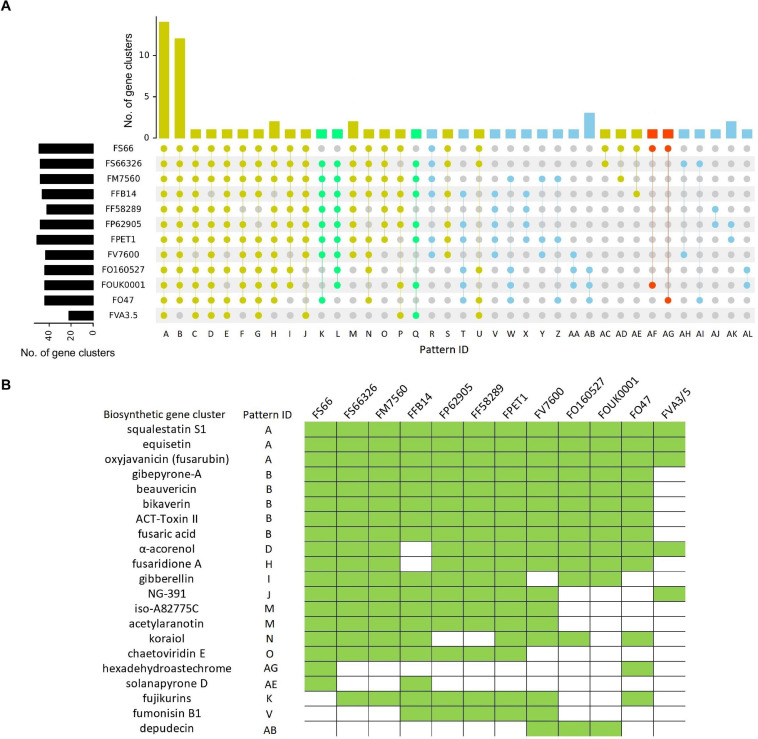
species have been identified as pathogens causing many different plant diseases, and here we report an emerging banana leaf blight (BLB) caused by () discovered in Guangdong, China. From the symptomatic tissues collected in the field, a fungal isolate was obtained, which induced similar symptoms on healthy banana seedlings after inoculation. Koch's postulates were fulfilled after the re-isolation of the pathogen. Phylogenetic analysis on two gene segments and the whole genome sequence identified the pathogen belonging to and named as str. FS66. A 45.74 Mb genome of FS66 was acquired through assembly using long-read sequencing data, and its contig N50 (1.97 Mb) is more than 10-fold larger than the previously available genome in the species. Based on transcriptome sequencing and gene annotation, a total of 14,486 protein-encoding genes and 418 non-coding RNAs were predicted. A total of 48 metabolite biosynthetic gene clusters including the fusaric acid biosynthesis gene cluster were predicted in the FS66 genome. Comparison between FS66 and other 11 Fusarium genomes identified tens to hundreds of genes specifically gained and lost in FS66, including some previously correlated with pathogenicity. The FS66 genome also harbors widespread gene transfer on the core chromosomes putatively from species complex (FOSC), including 30 involved in pathogenicity/virulence. This study not only reports the BLB caused by , but also provides important information and clues for further understanding of the genome evolution among pathogenic species.
多种物种已被鉴定为导致许多不同植物病害的病原体,在此我们报告在中国广东发现的一种由()引起的新兴香蕉叶枯病(BLB)。从田间采集的有症状组织中获得了一种真菌分离物,接种后该分离物在健康香蕉幼苗上诱发了类似症状。重新分离出病原体后,科赫法则得到了验证。对两个基因片段和全基因组序列进行系统发育分析,确定该病原体属于并命名为尖孢镰刀菌str. FS66。通过使用长读测序数据进行组装,获得了FS66的45.74 Mb基因组,其重叠群N50(1.97 Mb)比该物种先前可用的基因组大10倍以上。基于转录组测序和基因注释,预测共有14486个蛋白质编码基因和418个非编码RNA。在FS66基因组中预测了总共48个代谢物生物合成基因簇,包括镰刀菌酸生物合成基因簇。FS66与其他11个镰刀菌基因组之间的比较确定了FS66中特异性获得和丢失的数十至数百个基因,包括一些先前与致病性相关的基因。FS66基因组还在核心染色体上存在广泛的基因转移,推测来自尖孢镰刀菌复合种(FOSC),其中30个基因与致病性/毒力有关。本研究不仅报告了由尖孢镰刀菌引起的香蕉叶枯病,还为进一步了解致病尖孢镰刀菌物种间的基因组进化提供了重要信息和线索。