Medical Research Council (MRC) Versus Arthritis Centre for Musculoskeletal Ageing Research, Royal Derby Hospital, University of Nottingham, Derby DE22 3DT, United Kingdom.
Musculoskeletal Conditions, National Institute for Health Research Nottingham Biomedical Research Centre, Derby DE22 3DT, United Kingdom.
Proc Natl Acad Sci U S A. 2021 Mar 2;118(9). doi: 10.1073/pnas.2018342118.
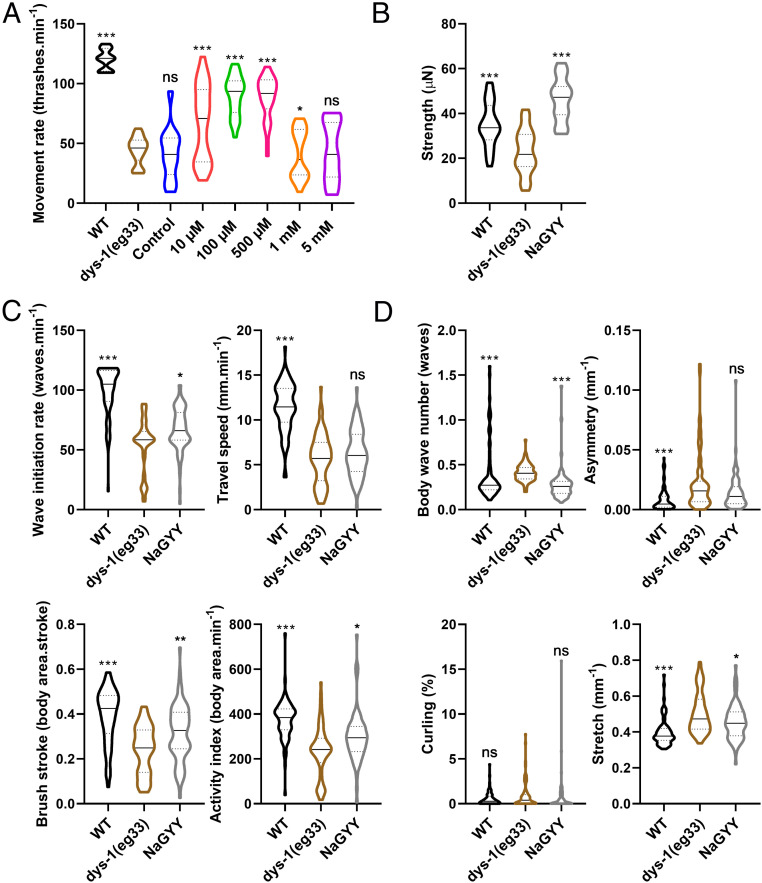
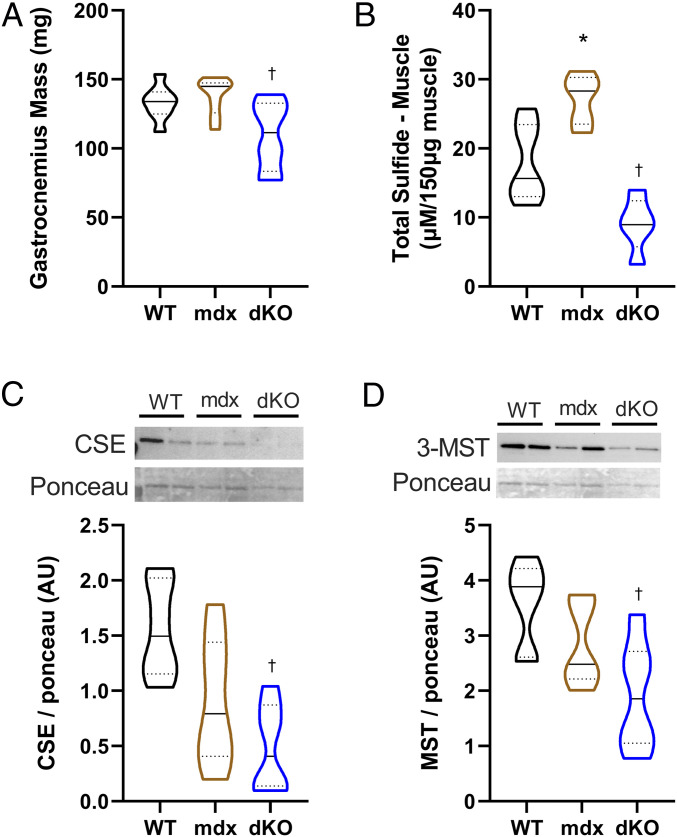
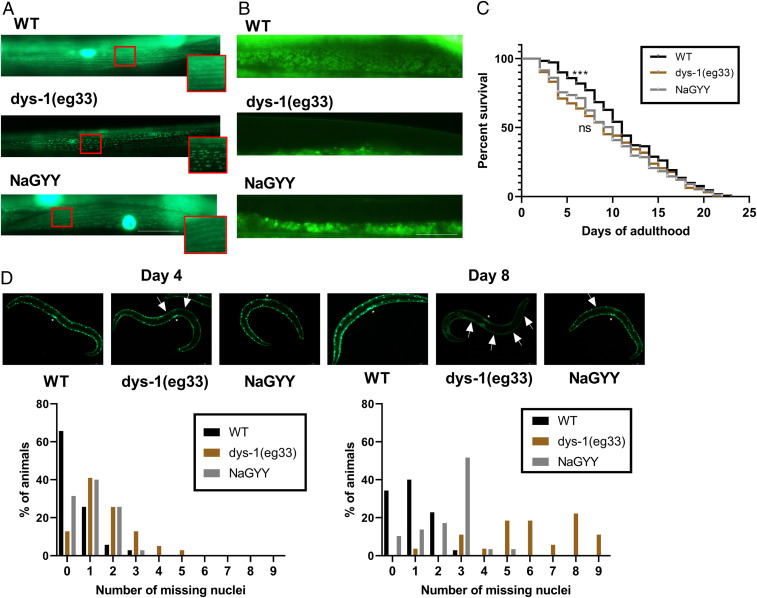
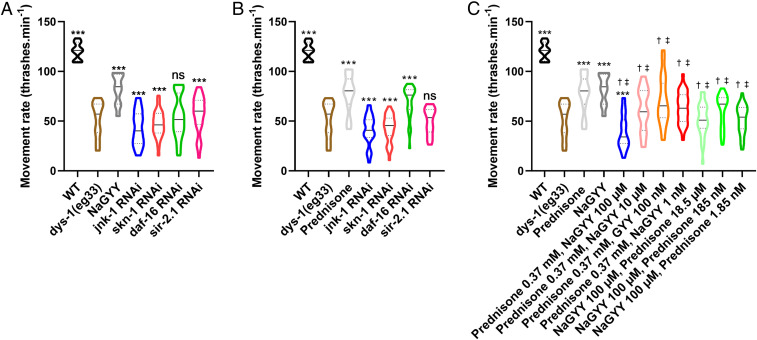
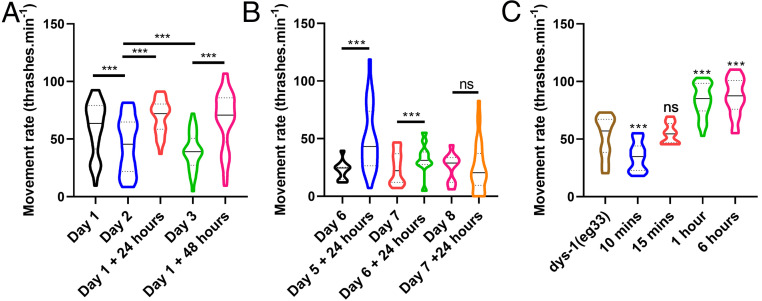
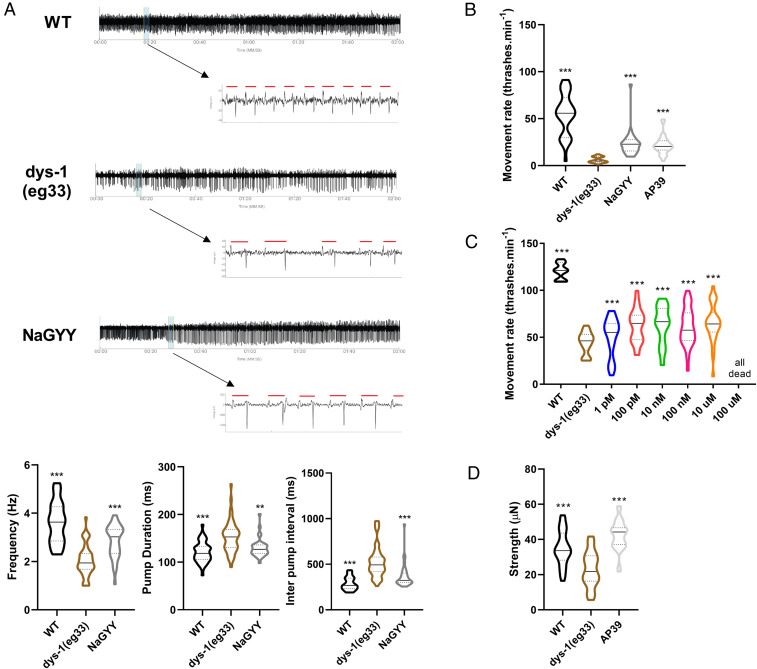
Duchenne muscular dystrophy (DMD) is an X-linked recessive disorder characterized by progressive muscle degeneration and weakness due to mutations in the dystrophin gene. The symptoms of DMD share similarities with those of accelerated aging. Recently, hydrogen sulfide (HS) supplementation has been suggested to modulate the effects of age-related decline in muscle function, and metabolic HS deficiencies have been implicated in affecting muscle mass in conditions such as phenylketonuria. We therefore evaluated the use of sodium GYY4137 (NaGYY), a HS-releasing molecule, as a possible approach for DMD treatment. Using the 33 DMD model, we found that NaGYY treatment (100 µM) improved movement, strength, gait, and muscle mitochondrial structure, similar to the gold-standard therapeutic treatment, prednisone (370 µM). The health improvements of either treatment required the action of the kinase JNK-1, the transcription factor SKN-1, and the NAD-dependent deacetylase SIR-2.1. The transcription factor DAF-16 was required for the health benefits of NaGYY treatment, but not prednisone treatment. AP39 (100 pM), a mitochondria-targeted HS compound, also improved movement and strength in the 33 model, further implying that these improvements are mitochondria-based. Additionally, we found a decline in total sulfide and HS-producing enzymes in dystrophin/utrophin knockout mice. Overall, our results suggest that HS deficit may contribute to DMD pathology, and rectifying/overcoming the deficit with HS delivery compounds has potential as a therapeutic approach to DMD treatment.
杜氏肌营养不良症(DMD)是一种 X 连锁隐性遗传病,其特征是由于 dystrophin 基因突变导致肌肉进行性退化和无力。DMD 的症状与加速衰老的症状相似。最近,有研究表明硫化氢(HS)补充可以调节与年龄相关的肌肉功能下降的影响,代谢性 HS 缺乏与苯丙酮尿症等疾病中的肌肉质量下降有关。因此,我们评估了使用硫化氢释放分子 GYY4137 钠(NaGYY)作为 DMD 治疗的一种可能方法。在使用 33 型 DMD 模型的研究中,我们发现 NaGYY 治疗(100μM)可改善运动、力量、步态和肌肉线粒体结构,与金标准治疗药物泼尼松(370μM)相似。两种治疗方法的健康改善都需要激酶 JNK-1、转录因子 SKN-1 和 NAD 依赖性去乙酰化酶 SIR-2.1 的作用。转录因子 DAF-16 是 NaGYY 治疗健康益处所必需的,但不是泼尼松治疗所必需的。AP39(100pM),一种靶向线粒体的 HS 化合物,也改善了 33 型模型的运动和力量,进一步表明这些改善是基于线粒体的。此外,我们还发现肌营养不良蛋白/utrophin 敲除小鼠中总硫化物和产生 HS 的酶的含量下降。总的来说,我们的研究结果表明,HS 缺乏可能导致 DMD 发病机制,用 HS 传递化合物纠正/克服缺乏可能是 DMD 治疗的一种有前途的方法。