Max-Planck Institute of Molecular Physiology, Otto-Hahn Strasse 11, 44227, Dortmund, Germany.
Current address: School of Physical and Chemical Sciences, University of Canterbury, Private Bag 4800, Christchurch, 8140, New Zealand.
Angew Chem Int Ed Engl. 2021 Jul 12;60(29):15705-15723. doi: 10.1002/anie.202016575. Epub 2021 Mar 23.
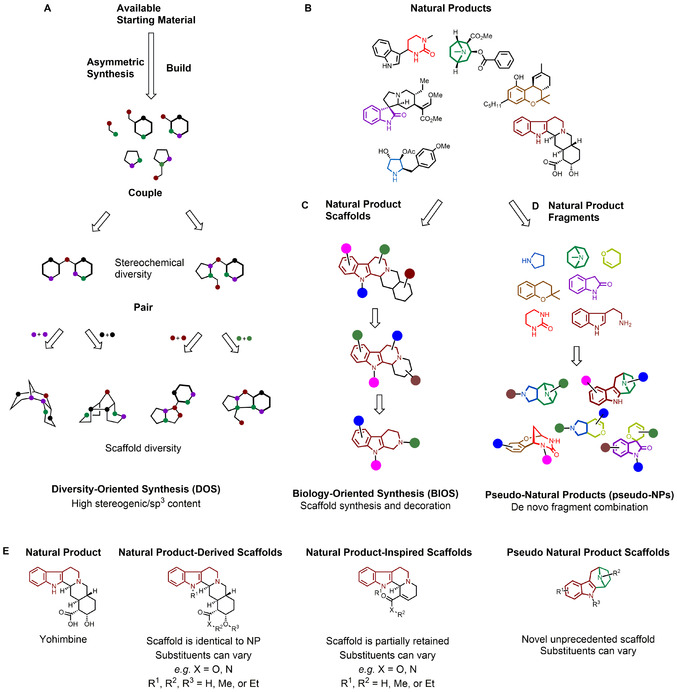
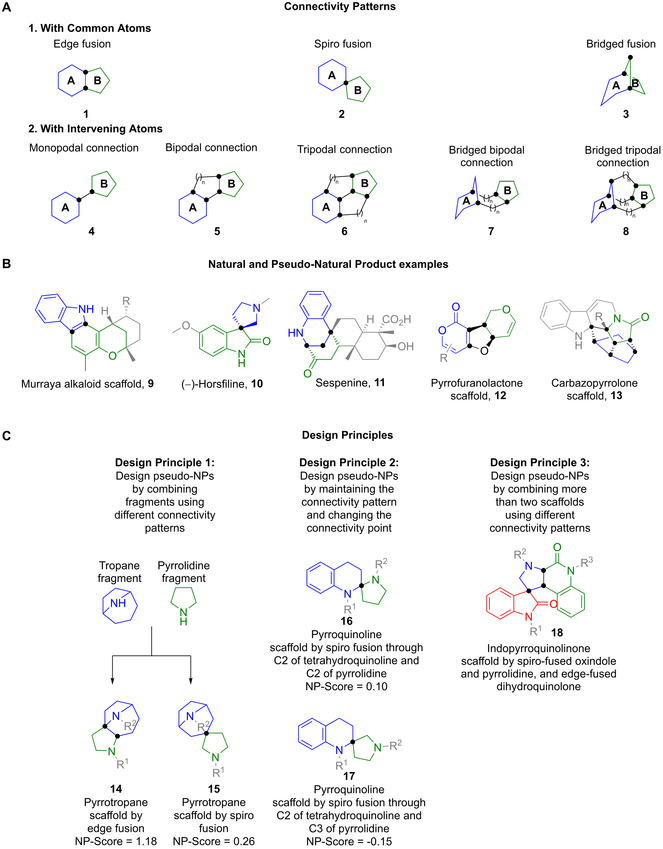
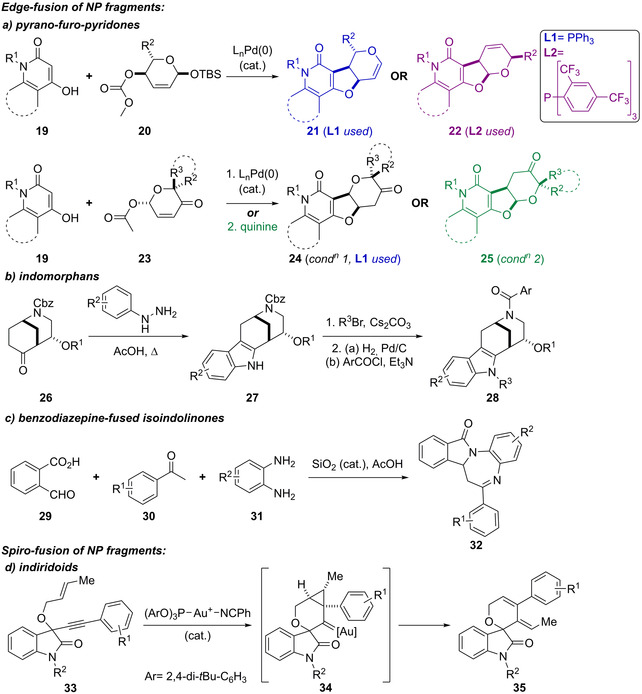
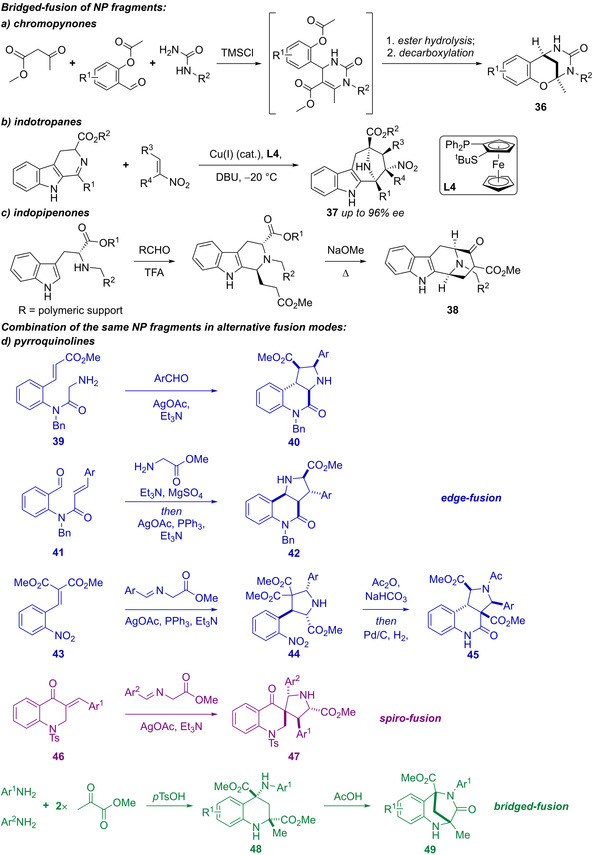
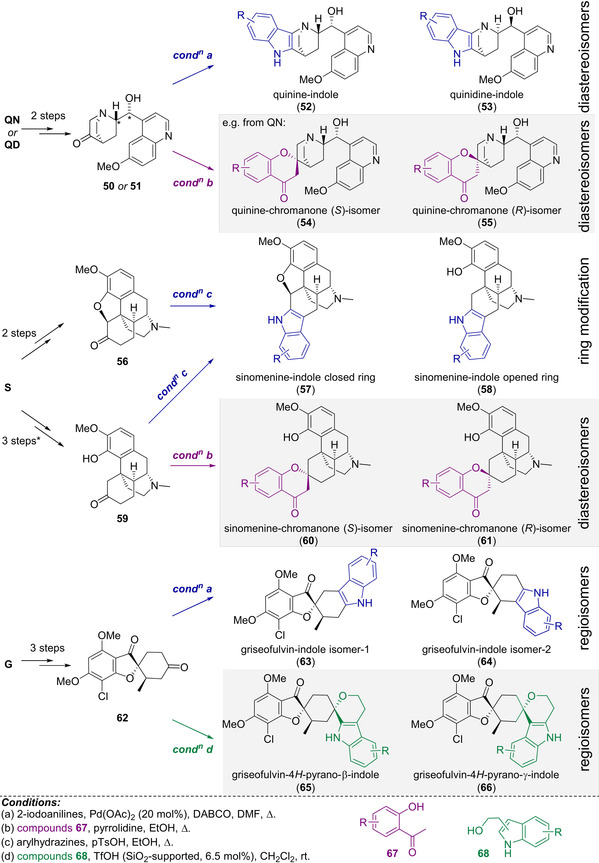
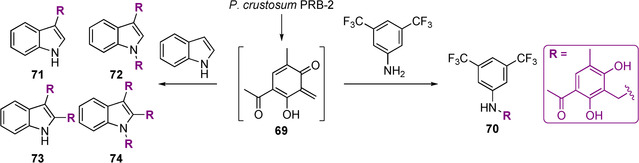
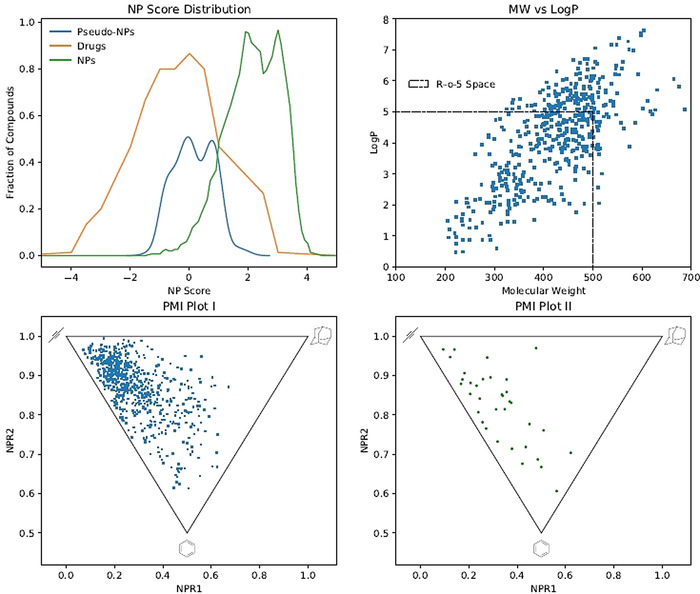
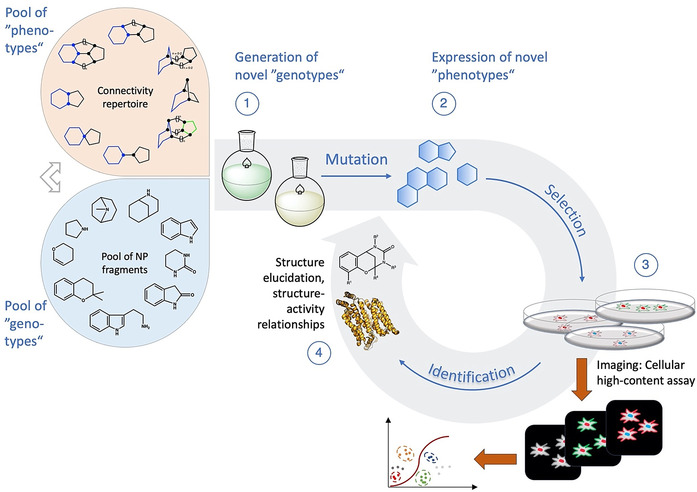
Pseudo-natural products (PNPs) combine natural product (NP) fragments in novel arrangements not accessible by current biosynthesis pathways. As such they can be regarded as non-biogenic fusions of NP-derived fragments. They inherit key biological characteristics of the guiding natural product, such as chemical and physiological properties, yet define small molecule chemotypes with unprecedented or unexpected bioactivity. We iterate the design principles underpinning PNP scaffolds and highlight their syntheses and biological investigations. We provide a cheminformatic analysis of PNP collections assessing their molecular properties and shape diversity. We propose and discuss how the iterative analysis of NP structure, design, synthesis, and biological evaluation of PNPs can be regarded as a human-driven branch of the evolution of natural products, that is, a chemical evolution of natural product structure.
拟天然产物(PNP)将天然产物(NP)片段以当前生物合成途径无法获得的新颖排列组合在一起。因此,它们可以被视为 NP 衍生片段的非生物融合。它们继承了指导天然产物的关键生物学特性,如化学和生理特性,但定义了具有前所未有的或意想不到的生物活性的小分子化学型。我们迭代了 PNP 支架的设计原则,并强调了它们的合成和生物学研究。我们提供了对 PNP 集合的化学信息学分析,评估了它们的分子性质和形状多样性。我们提出并讨论了如何将 NP 结构的迭代分析、PNP 的设计、合成和生物评价视为天然产物进化的人类驱动分支,即天然产物结构的化学进化。