• 文献检索
  • 文档翻译
  • 深度研究
  • 学术资讯
  • Suppr Zotero 插件Zotero 插件
  • 邀请有礼
  • 套餐&价格
  • 历史记录
应用&插件
Suppr Zotero 插件Zotero 插件浏览器插件Mac 客户端Windows 客户端微信小程序
定价
高级版会员购买积分包购买API积分包
服务
文献检索文档翻译深度研究API 文档MCP 服务
关于我们
关于 Suppr公司介绍联系我们用户协议隐私条款
关注我们

Suppr 超能文献

核心技术专利:CN118964589B侵权必究
粤ICP备2023148730 号-1Suppr @ 2026

文献检索

告别复杂PubMed语法,用中文像聊天一样搜索,搜遍4000万医学文献。AI智能推荐,让科研检索更轻松。

立即免费搜索

文件翻译

保留排版,准确专业,支持PDF/Word/PPT等文件格式,支持 12+语言互译。

免费翻译文档

深度研究

AI帮你快速写综述,25分钟生成高质量综述,智能提取关键信息,辅助科研写作。

立即免费体验

在 COVID-19 大流行期间,维生素 D 的显著发展,但总体上仍需谨慎:一项叙述性评论。

Notable Developments for Vitamin D Amid the COVID-19 Pandemic, but Caution Warranted Overall: A Narrative Review.

机构信息

Institute for Translational Medicine and Therapeutics, Perelman School of Medicine, University of Pennsylvania, Philadelphia, PA 19104-5158, USA.

出版信息

Nutrients. 2021 Feb 26;13(3):740. doi: 10.3390/nu13030740.

DOI:10.3390/nu13030740
PMID:33652653
原文链接:https://pmc.ncbi.nlm.nih.gov/articles/PMC7996924/
Abstract

The severe acute respiratory syndrome coronavirus 2 (SARS-CoV-2) is a novel contagion that has infected over 113 million people worldwide. It is responsible for the coronavirus disease (COVID-19), which has cost the lives of 2.5 million people. Ergo, the global scientific community has been scrambling to repurpose or develop therapeutics to treat COVID-19. Dietary supplements and nutraceuticals are among those under consideration due to the link between nutritional status and patient outcomes. Overall, poor vitamin D status seems to be associated with an increased risk of COVID-19. Severely ill COVID-19 patients appear to be deficient or have suboptimal levels of serum 25-hydroxyvitamin D, a measure of vitamin D status. Consequently, vitamin D is now the subject of several prophylactic and therapeutic clinical trials. In this review, the general status of nutraceuticals and dietary supplements amid the pandemic is appraised, with a particular focus on vitamin D. Consumers should be aware of misinformation and unsubstantiated promises for products marketed for COVID-19 protection. However, maintaining a healthy diet and lifestyle will likely maintain health including optimum immune function that may affect patient outcomes. Those who are deficient in key nutrients such as vitamin D should consider lifestyle changes and potentially supplementation in consultation with their physician and/or registered dieticians.

摘要

严重急性呼吸综合征冠状病毒 2 (SARS-CoV-2) 是一种新型传染病,已在全球感染超过 1.13 亿人。它是导致冠状病毒病 (COVID-19) 的罪魁祸首,COVID-19 已导致 250 万人死亡。因此,全球科学界一直在竞相重新利用或开发治疗 COVID-19 的药物。由于营养状况与患者预后之间存在关联,膳食补充剂和营养保健品也在考虑之列。总体而言,维生素 D 状况不佳似乎与 COVID-19 风险增加有关。重症 COVID-19 患者似乎缺乏或血清 25-羟维生素 D 水平不足,血清 25-羟维生素 D 是衡量维生素 D 状况的指标。因此,维生素 D 目前是几项预防和治疗性临床试验的主题。在这篇综述中,评估了大流行期间营养保健品和膳食补充剂的一般状况,特别关注了维生素 D。消费者应该注意针对 COVID-19 保护而销售的产品的错误信息和未经证实的承诺。然而,保持健康的饮食和生活方式可能有助于保持健康,包括最佳的免疫功能,这可能会影响患者的预后。那些缺乏关键营养素(如维生素 D)的人应该考虑改变生活方式,并在咨询医生和/或注册营养师后考虑补充。
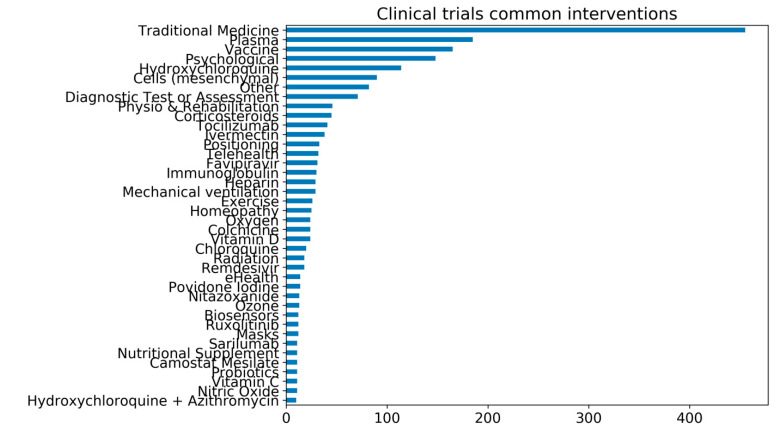
https://cdn.ncbi.nlm.nih.gov/pmc/blobs/1832/7996924/8c6833b204a0/nutrients-13-00740-g002.jpg
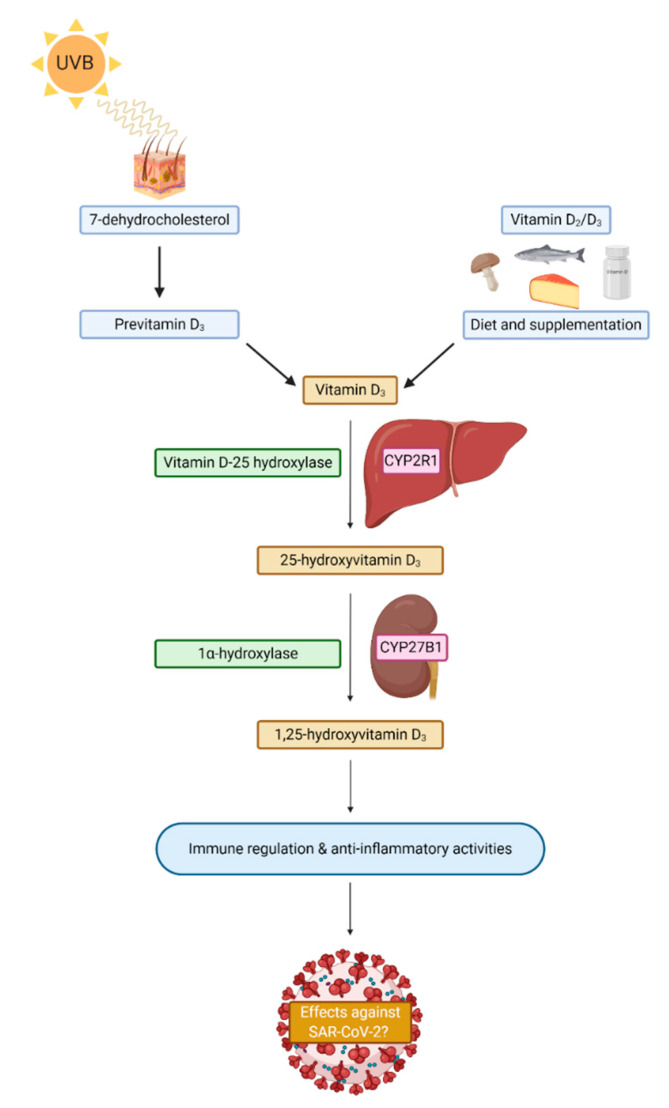
https://cdn.ncbi.nlm.nih.gov/pmc/blobs/1832/7996924/82174609a7d9/nutrients-13-00740-g001.jpg
https://cdn.ncbi.nlm.nih.gov/pmc/blobs/1832/7996924/8c6833b204a0/nutrients-13-00740-g002.jpg
https://cdn.ncbi.nlm.nih.gov/pmc/blobs/1832/7996924/82174609a7d9/nutrients-13-00740-g001.jpg
https://cdn.ncbi.nlm.nih.gov/pmc/blobs/1832/7996924/8c6833b204a0/nutrients-13-00740-g002.jpg

相似文献

1
Notable Developments for Vitamin D Amid the COVID-19 Pandemic, but Caution Warranted Overall: A Narrative Review.在 COVID-19 大流行期间,维生素 D 的显著发展,但总体上仍需谨慎:一项叙述性评论。
Nutrients. 2021 Feb 26;13(3):740. doi: 10.3390/nu13030740.
2
Dietary Supplements and Nutraceuticals under Investigation for COVID-19 Prevention and Treatment.正在接受新冠病毒预防和治疗研究的膳食补充剂与营养保健品
mSystems. 2021 May 4;6(3):e00122-21. doi: 10.1128/mSystems.00122-21.
3
The Benefits of Vitamin D Supplementation for Athletes: Better Performance and Reduced Risk of COVID-19.维生素 D 补充剂对运动员的益处:提高表现和降低 COVID-19 风险。
Nutrients. 2020 Dec 4;12(12):3741. doi: 10.3390/nu12123741.
4
The importance of vitamin d metabolism as a potential prophylactic, immunoregulatory and neuroprotective treatment for COVID-19.维生素D代谢作为COVID-19潜在的预防性、免疫调节性和神经保护性治疗的重要性。
J Transl Med. 2020 Aug 26;18(1):322. doi: 10.1186/s12967-020-02488-5.
5
Vitamin D supplementation and outcomes in coronavirus disease 2019 (COVID-19) patients from the outbreak area of Lombardy, Italy.意大利伦巴第大区疫情爆发地区2019冠状病毒病(COVID-19)患者的维生素D补充与预后
Nutrition. 2021 Feb;82:111055. doi: 10.1016/j.nut.2020.111055. Epub 2020 Nov 11.
6
Vitamin D supplementation as a rational pharmacological approach in the COVID-19 pandemic.维生素 D 补充剂作为 COVID-19 大流行中的合理药物治疗方法。
Am J Physiol Lung Cell Mol Physiol. 2020 Dec 1;319(6):L941-L948. doi: 10.1152/ajplung.00186.2020. Epub 2020 Sep 30.
7
Is there a link between vitamin D status, SARS-CoV-2 infection risk and COVID-19 severity?维生素 D 状态与 SARS-CoV-2 感染风险和 COVID-19 严重程度之间是否存在关联?
Cell Biochem Funct. 2021 Jan;39(1):35-47. doi: 10.1002/cbf.3597. Epub 2020 Nov 2.
8
Role of vitamin D in preventing of COVID-19 infection, progression and severity.维生素 D 在预防 COVID-19 感染、进展和严重程度中的作用。
J Infect Public Health. 2020 Oct;13(10):1373-1380. doi: 10.1016/j.jiph.2020.06.021. Epub 2020 Jun 20.
9
Could Vitamins Help in the Fight Against COVID-19?维生素能帮助对抗新冠病毒吗?
Nutrients. 2020 Aug 23;12(9):2550. doi: 10.3390/nu12092550.
10
Association of vitamin D status with COVID-19 and its severity : Vitamin D and COVID-19: a narrative review.维生素 D 状态与 COVID-19 及其严重程度的关系:维生素 D 与 COVID-19:叙述性综述。
Rev Endocr Metab Disord. 2022 Jun;23(3):579-599. doi: 10.1007/s11154-021-09705-6. Epub 2022 Jan 4.

引用本文的文献

1
Vitamin D and COVID-19: Clinical Evidence and Immunological Insights.维生素D与2019冠状病毒病:临床证据与免疫学见解。
Life (Basel). 2025 Apr 30;15(5):733. doi: 10.3390/life15050733.
2
Five-Year Sales Trends of Osteoporosis Medications in Korea: A Market Analysis Based on IMS Health Sales Audit Data (2018-2023).韩国骨质疏松症药物的五年销售趋势:基于艾美仕市场研究公司销售审计数据(2018 - 2023年)的市场分析
Medicina (Kaunas). 2025 Apr 26;61(5):805. doi: 10.3390/medicina61050805.
3
Impact of vitamin D on COVID-19 and other viral diseases.维生素D对新型冠状病毒肺炎及其他病毒性疾病的影响。

本文引用的文献

1
Pathogenesis, Symptomatology, and Transmission of SARS-CoV-2 through Analysis of Viral Genomics and Structure.通过病毒基因组学和结构分析探讨严重急性呼吸综合征冠状病毒2(SARS-CoV-2)的发病机制、症状学及传播途径
mSystems. 2021 Oct 26;6(5):e0009521. doi: 10.1128/mSystems.00095-21.
2
The role of vitamin D in the age of COVID-19: A systematic review and meta-analysis.维生素 D 在 COVID-19 时代的作用:系统评价和荟萃分析。
Int J Clin Pract. 2021 Nov;75(11):e14675. doi: 10.1111/ijcp.14675. Epub 2021 Aug 6.
3
No evidence that vitamin D is able to prevent or affect the severity of COVID-19 in individuals with European ancestry: a Mendelian randomisation study of open data.
World J Virol. 2024 Dec 25;13(4):100356. doi: 10.5501/wjv.v13.i4.100356.
4
Unveiling the Interplay-Vitamin D and ACE-2 Molecular Interactions in Mitigating Complications and Deaths from SARS-CoV-2.揭示维生素D与血管紧张素转换酶2(ACE-2)的分子相互作用在减轻新冠病毒(SARS-CoV-2)并发症和死亡方面的作用
Biology (Basel). 2024 Oct 16;13(10):831. doi: 10.3390/biology13100831.
5
An overview of regulation for nutraceuticals and concept of personalized nutraceuticals.营养保健品的监管概述及个性化营养保健品的概念。
J Generic Med. 2023 Jun;19(2):66-74. doi: 10.1177/17411343221150875. Epub 2023 Jan 13.
6
Role of micronutrients in the modulation of immune system and platelet activating factor in patients with COVID-19; a narrative review.微量营养素在调节2019冠状病毒病患者免疫系统和血小板活化因子中的作用;一项叙述性综述。
Front Nutr. 2023 Sep 15;10:1207237. doi: 10.3389/fnut.2023.1207237. eCollection 2023.
7
The consumption of dietary supplements in Saudi Arabia during the COVID-19 pandemic: A cross-sectional study.COVID-19大流行期间沙特阿拉伯膳食补充剂的消费情况:一项横断面研究。
Saudi Pharm J. 2023 Oct;31(10):101779. doi: 10.1016/j.jsps.2023.101779. Epub 2023 Sep 9.
8
Could Selenium Supplementation Prevent COVID-19? A Comprehensive Review of Available Studies.硒补充剂能预防 COVID-19 吗?对现有研究的全面综述。
Molecules. 2023 May 16;28(10):4130. doi: 10.3390/molecules28104130.
9
Susceptibility to COVID-19 Nutrition Misinformation and Eating Behavior Change during Lockdowns: An International Web-Based Survey.COVID-19 相关营养错误信息的易感性与封锁期间的饮食行为变化:一项国际网络调查。
Nutrients. 2023 Jan 14;15(2):451. doi: 10.3390/nu15020451.
10
Targeting the Platelet-Activating Factor Receptor (PAF-R): Antithrombotic and Anti-Atherosclerotic Nutrients.靶向血小板激活因子受体(PAF-R):抗血栓和抗动脉粥样硬化的营养素。
Nutrients. 2022 Oct 20;14(20):4414. doi: 10.3390/nu14204414.
没有证据表明维生素D能够预防或影响欧洲血统个体中新冠病毒疾病(COVID-19)的严重程度:一项开放数据的孟德尔随机化研究。
BMJ Nutr Prev Health. 2021 Jan 7;4(1):42-48. doi: 10.1136/bmjnph-2020-000151. eCollection 2021.
4
Dietary Supplements and Nutraceuticals under Investigation for COVID-19 Prevention and Treatment.正在接受新冠病毒预防和治疗研究的膳食补充剂与营养保健品
mSystems. 2021 May 4;6(3):e00122-21. doi: 10.1128/mSystems.00122-21.
5
Vitamin D Status Is Associated With In-Hospital Mortality and Mechanical Ventilation: A Cohort of COVID-19 Hospitalized Patients.维生素 D 状况与住院死亡率和机械通气相关:一项 COVID-19 住院患者队列研究。
Mayo Clin Proc. 2021 Apr;96(4):875-886. doi: 10.1016/j.mayocp.2021.01.001. Epub 2021 Jan 9.
6
Micronutrients, Phytochemicals and Mediterranean Diet: A Potential Protective Role against COVID-19 through Modulation of PAF Actions and Metabolism.微量营养素、植物化学物质和地中海饮食:通过调节 PAF 作用和代谢对 COVID-19 的潜在保护作用。
Nutrients. 2021 Jan 30;13(2):462. doi: 10.3390/nu13020462.
7
Vitamin D Supplementation to Prevent COVID-19 Infections and Deaths-Accumulating Evidence from Epidemiological and Intervention Studies Calls for Immediate Action.维生素 D 补充剂预防 COVID-19 感染和死亡——来自流行病学和干预研究的累积证据呼吁立即采取行动。
Nutrients. 2021 Jan 28;13(2):411. doi: 10.3390/nu13020411.
8
Food policy, nutrition and nutraceuticals in the prevention and management of COVID-19: Advice for healthcare professionals.食品政策、营养与营养保健品在2019冠状病毒病预防与管理中的作用:给医疗保健专业人员的建议
Trends Food Sci Technol. 2020 Nov;105:186-199. doi: 10.1016/j.tifs.2020.09.001. Epub 2020 Sep 12.
9
Habitual use of vitamin D supplements and risk of coronavirus disease 2019 (COVID-19) infection: a prospective study in UK Biobank.习惯性使用维生素 D 补充剂与 2019 年冠状病毒病(COVID-19)感染风险:英国生物库的前瞻性研究。
Am J Clin Nutr. 2021 May 8;113(5):1275-1281. doi: 10.1093/ajcn/nqaa381.
10
Impact of Serum 25(OH) Vitamin D Level on Mortality in Patients with COVID-19 in Turkey.血清 25(OH) 维生素 D 水平对土耳其 COVID-19 患者死亡率的影响。
J Nutr Health Aging. 2021;25(2):189-196. doi: 10.1007/s12603-020-1479-0.