Navarro-Tapia Elisabet, Almeida-Toledano Laura, Sebastiani Giorgia, Serra-Delgado Mariona, García-Algar Óscar, Andreu-Fernández Vicente
Grup de Recerca Infancia i Entorn (GRIE), Institut d'investigacions Biomèdiques August Pi i Sunyer (IDIBAPS), 08036 Barcelona, Spain.
Institut de Recerca Sant Joan de Déu, 08950 Esplugues de Llobregat, Spain.
Int J Mol Sci. 2021 Feb 26;22(5):2351. doi: 10.3390/ijms22052351.
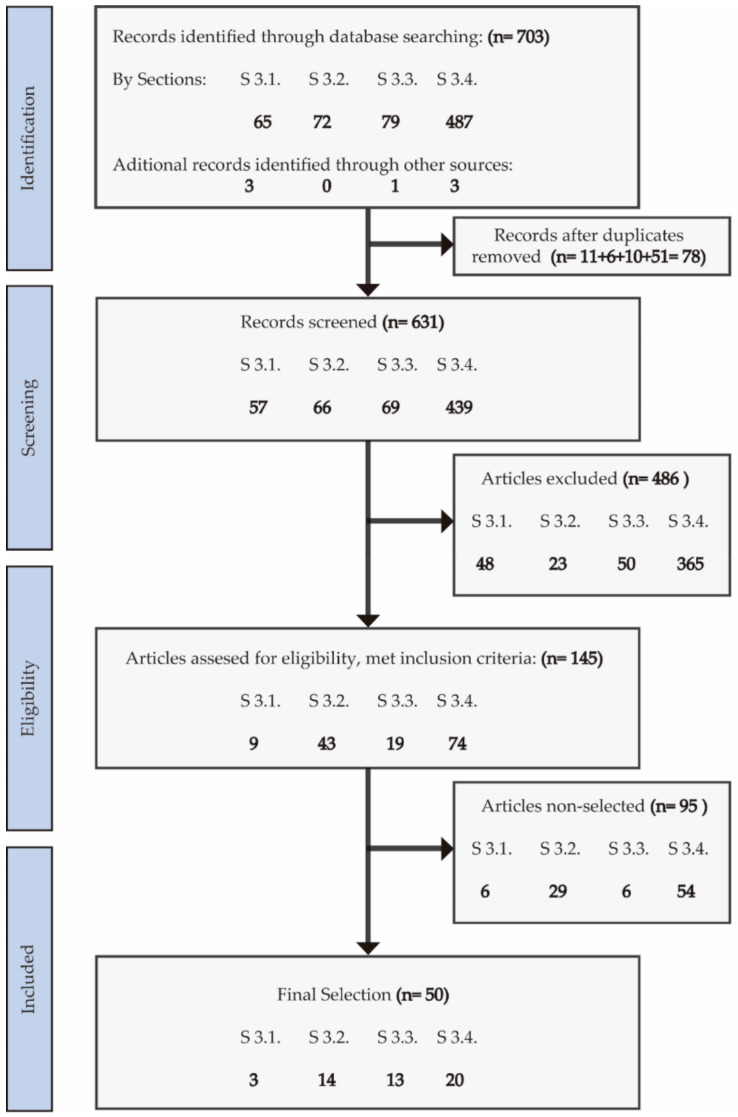
Anxiety and eating disorders produce a physiological imbalance that triggers alterations in the abundance and composition of gut microbiota. Moreover, the gut-brain axis can be altered by several factors such as diet, lifestyle, infections, and antibiotic treatment. Diet alterations generate gut dysbiosis, which affects immune system responses, inflammation mechanisms, the intestinal permeability, as well as the production of short chain fatty acids and neurotransmitters by gut microbiota, which are essential to the correct function of neurological processes. Recent studies indicated that patients with generalized anxiety or eating disorders (anorexia nervosa, bulimia nervosa, and binge-eating disorders) show a specific profile of gut microbiota, and this imbalance can be partially restored after a single or multi-strain probiotic supplementation. Following the PRISMA methodology, the current review addresses the main microbial signatures observed in patients with generalized anxiety and/or eating disorders as well as the importance of probiotics as a preventive or a therapeutic tool in these pathologies.
焦虑和饮食失调会导致生理失衡,进而引发肠道微生物群丰度和组成的改变。此外,肠道-脑轴会受到多种因素的影响,如饮食、生活方式、感染和抗生素治疗。饮食改变会导致肠道菌群失调,影响免疫系统反应、炎症机制、肠道通透性,以及肠道微生物群产生短链脂肪酸和神经递质,而这些对于神经过程的正常功能至关重要。最近的研究表明,患有广泛性焦虑症或饮食失调(神经性厌食症、神经性贪食症和暴饮暴食症)的患者表现出特定的肠道微生物群特征,并且在单一或多菌株益生菌补充后,这种失衡可以得到部分恢复。按照PRISMA方法,本综述探讨了在广泛性焦虑症和/或饮食失调患者中观察到的主要微生物特征,以及益生菌作为这些病症预防或治疗工具的重要性。