Department of Environmental and Radiological Health Sciences, Colorado State University, Environmental Health Building, 1601 Campus Delivery, Fort Collins, CO, 80523, USA.
Logan Simpson, 213 Linden Street, Fort Collins, CO, 80524, USA.
Curr Environ Health Rep. 2021 Jun;8(2):138-145. doi: 10.1007/s40572-021-00307-7. Epub 2021 Mar 5.
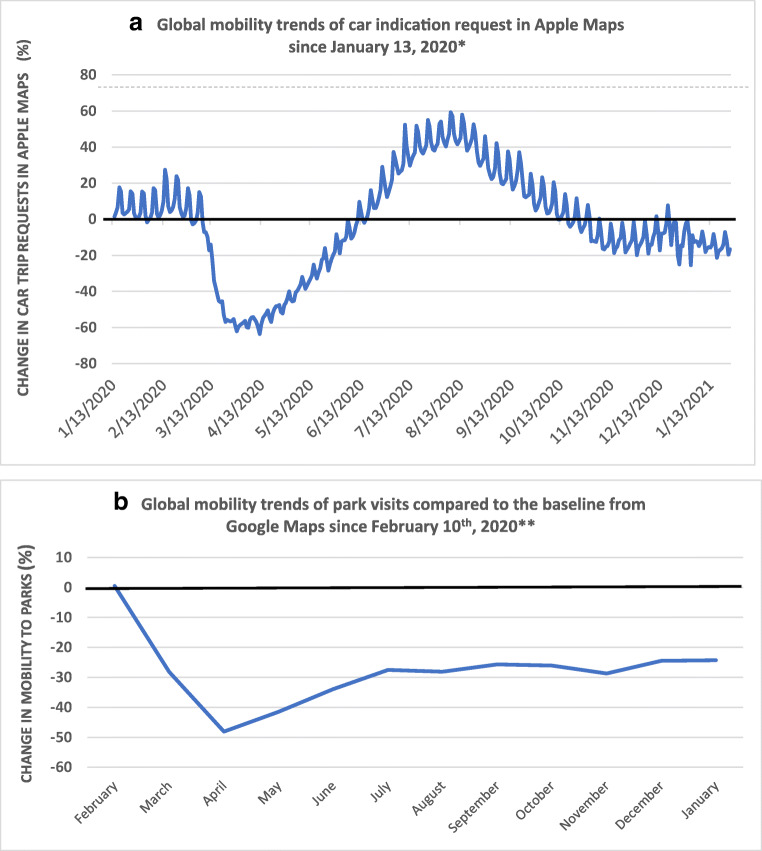
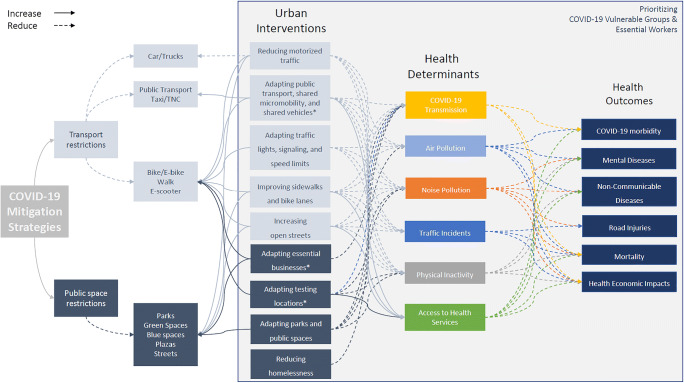
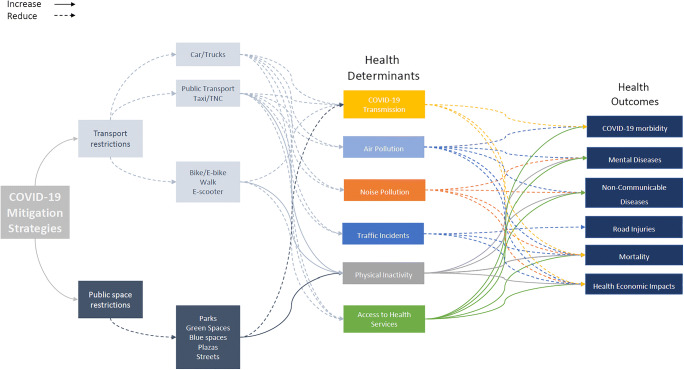
The COVID-19 pandemic has impacted daily-life activities around the world. Multiple countries and cities are implementing different mitigation strategies to reduce their transmission (e.g., physical distancing, stay-at-home orders, avoiding large gatherings). Such interventions have been related to positive and negative health externalities. Currently, the selection of mitigation strategies has not been systematically considering a long-term vision for urban health equity. This review presents evidence and a framework linking COVID-19 mitigation strategies, the built environment, and transport to health determinants and outcomes. In addition, the paper provides a set of urban interventions aimed at supporting COVID-19 mitigation strategies and promoting a long-term health equity vision.
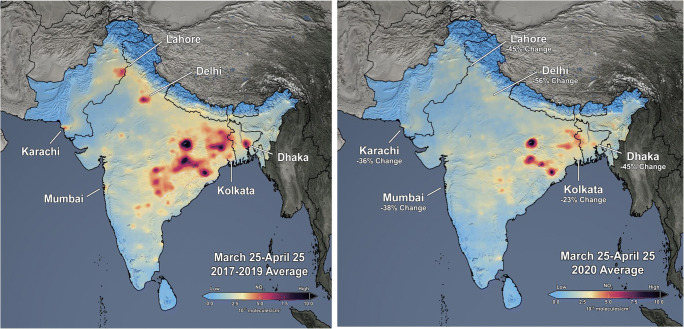
COVID-19 mitigation strategies, in addition to helping reduce disease transmission, have also decreased urban road transport, resulting in indirect benefits on air quality, traffic noise, and traffic incidents. On the other hand, the same mitigation strategies have had negative impacts on physical activity, mental health, home isolation, and access to transport options, among others. COVID-19 mitigation strategies are an opportunity to test and implement built environment and transport interventions aimed to maximize health equity and minimize health risks. National and local authorities should systematically integrate a long-term urban health equity vision when designing and implementing COVID-19 mitigation strategies. COVID-19 offers an opportunity to rethink the built environment and transport infrastructure with the aim to support short-term mitigation strategies and reduce long-term urban health inequities.
综述目的:COVID-19 大流行已对全球的日常生活活动造成影响。许多国家和城市正在实施不同的缓解策略,以减少传播(例如,保持社交距离、居家令、避免大型集会)。这些干预措施与健康的正、负面影响有关。目前,缓解策略的选择尚未系统地考虑城市健康公平的长期愿景。本文综述了将 COVID-19 缓解策略、建筑环境和交通与健康决定因素和结果联系起来的证据和框架。此外,本文还提出了一系列城市干预措施,旨在支持 COVID-19 缓解策略并促进长期健康公平愿景。
最新发现:除了有助于减少疾病传播外,COVID-19 缓解策略还减少了城市道路交通,从而间接改善了空气质量、交通噪音和交通事故。另一方面,同样的缓解策略对身体活动、心理健康、居家隔离和交通选择的获取等产生了负面影响。COVID-19 缓解策略是测试和实施旨在最大限度地实现健康公平和最小化健康风险的建筑环境和交通干预措施的机会。国家和地方当局在设计和实施 COVID-19 缓解策略时,应系统地纳入长期的城市健康公平愿景。COVID-19 为重新思考建筑环境和交通基础设施提供了机会,旨在支持短期缓解策略并减少长期的城市健康不平等。