Martinez Cristina A, Cambra Josep M, Lucas Xiomara, Ferreira-Dias Graça, Rodriguez-Martinez Heriberto, Gil Maria A, Martinez Emilio A, Cuello Cristina, Parrilla Inmaculada
Faculty of Veterinary Medicine, International Excellence Campus for Higher Education and Research "Campus Mare Nostrum", University of Murcia, 30100 Murcia, Spain.
Institute for Biomedical Research of Murcia (IMIB-Arrixaca), Campus de Ciencias de la Salud, 30120 Murcia, Spain.
Biology (Basel). 2021 Feb 17;10(2):159. doi: 10.3390/biology10020159.
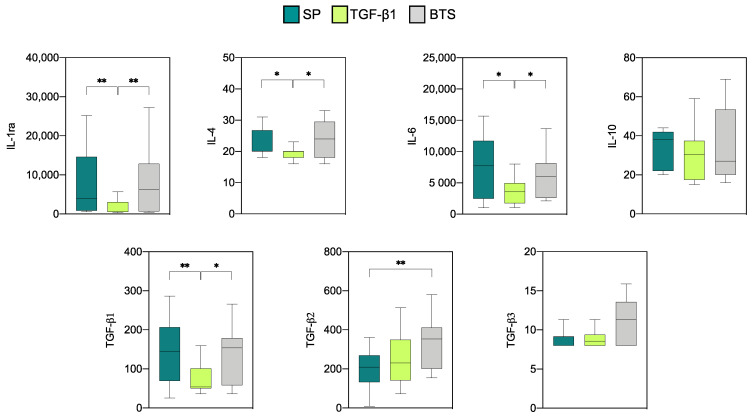
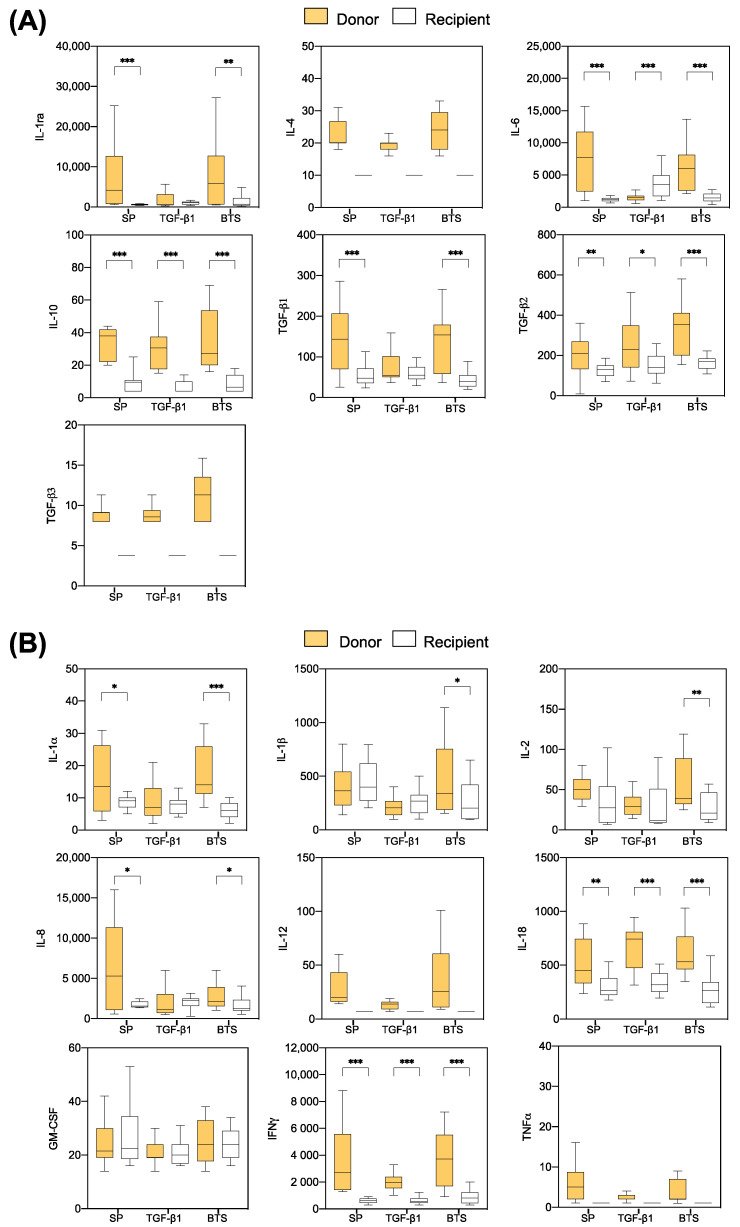
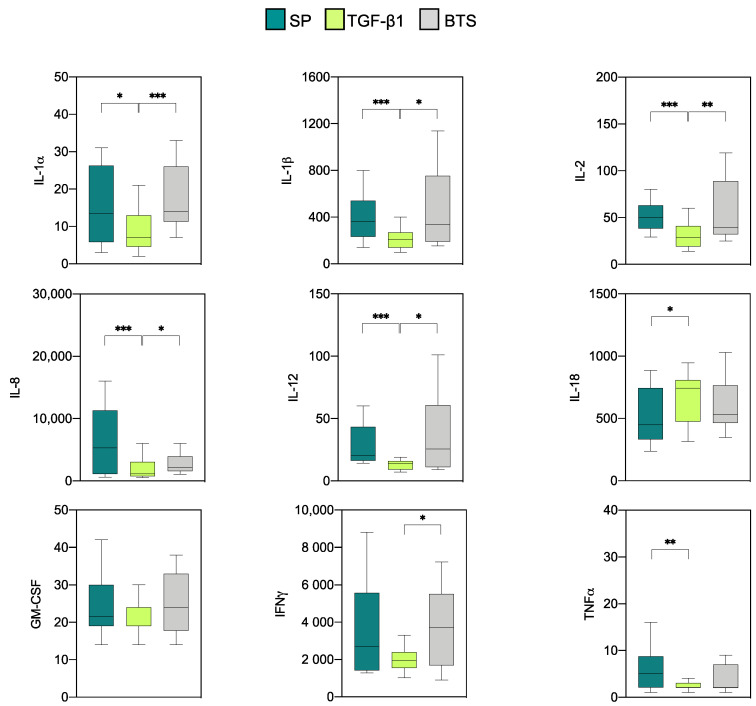
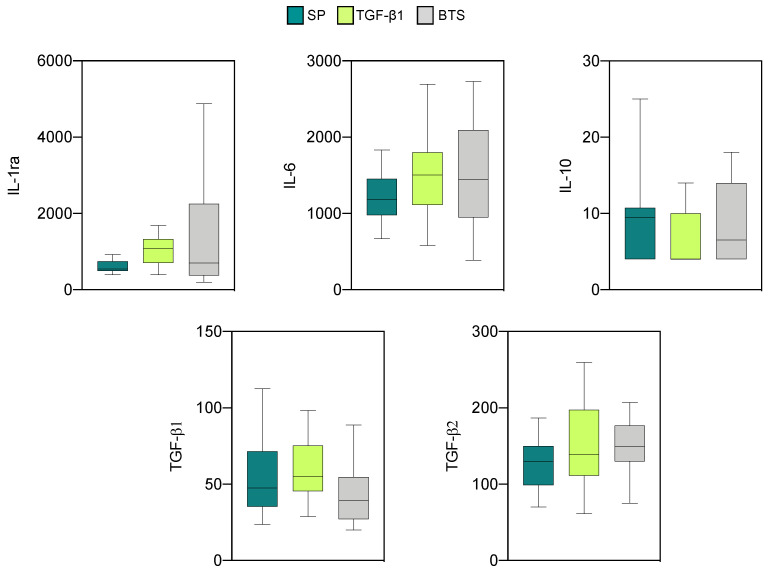
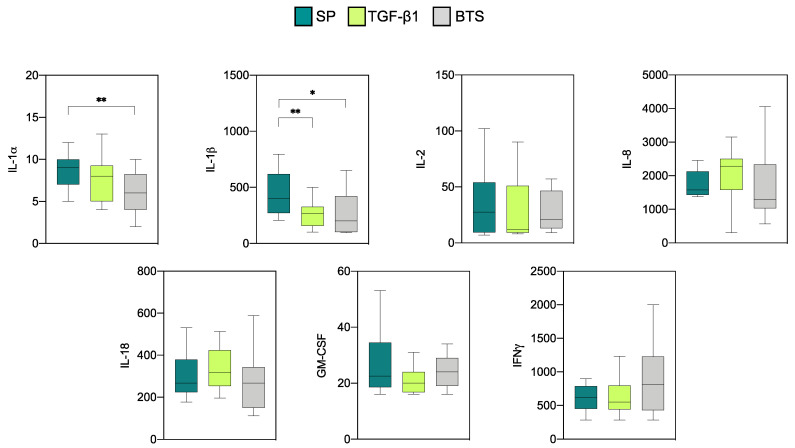
Seminal plasma (SP) in the female genital tract induces changes that affect multiple reproductive processes. One of the active components in SP is the transforming growth factor β1 (TGF-β1), which has major roles in embryo development and pregnancy. Embryo transfer (ET) technology is welcomed by the pig industry provided that embryo quality at embryo collection as well as the fertility and prolificacy of the recipients after the ET is increased. This study evaluated different intrauterine infusion treatments at estrus (40 mL of SP, TGF-β1 cytokine in the extender, or the extender alone (control)) by mimicking an ET scenario in so-called "donor" (inseminated) and "recipient" (uninseminated) sows. On day 6 (day 0-onset of estrus), all "donors" were laparotomized to determine their pregnancy status (presence and developmental stage of the embryos). In addition, endometrial explants were collected from pregnant "donors" and cyclic "recipients," incubated for 24 h, and analyzed for cytokine production. SP infusions (unlike TGF-β1 infusions) positively influenced the developmental stage of day 6 embryos. Infusion treatments differentially influenced the endometrial cytokine production, mainly in donors. We concluded that SP infusions prior to AI not only impacted the porcine preimplantation embryo development but also influenced the endometrial cytokine production six days after treatment, both in donors and recipients.
雌性生殖道中的精液血浆(SP)会引发影响多个生殖过程的变化。SP中的一种活性成分是转化生长因子β1(TGF-β1),它在胚胎发育和妊娠中起主要作用。只要提高胚胎采集时的胚胎质量以及胚胎移植后受体的生育力和繁殖力,胚胎移植(ET)技术就会受到养猪业的欢迎。本研究通过模拟所谓“供体”(已授精)和“受体”(未授精)母猪的胚胎移植场景,评估了发情期不同的子宫内灌注处理(40毫升SP、稀释剂中的TGF-β1细胞因子或仅用稀释剂(对照))。在第6天(发情开始日为第0天),所有“供体”都接受剖腹手术以确定其妊娠状态(胚胎的存在和发育阶段)。此外,从怀孕的“供体”和发情周期的“受体”收集子宫内膜外植体,培养24小时,并分析细胞因子的产生。SP灌注(与TGF-β1灌注不同)对第6天胚胎的发育阶段有积极影响。灌注处理对子宫内膜细胞因子的产生有不同影响,主要是在供体中。我们得出结论,人工授精前的SP灌注不仅影响猪植入前胚胎的发育,而且在处理后6天对供体和受体的子宫内膜细胞因子产生都有影响。