Pérez-Arques Carlos, Navarro-Mendoza María Isabel, Murcia Laura, Lax Carlos, Sanchis Marta, Capilla Javier, Navarro Eusebio, Garre Victoriano, Nicolás Francisco Esteban
Departmento de Genética y Microbiología, Facultad de Biología, Universidad de Murcia, 30100 Murcia, Spain.
Unidad de Microbiología, Universitat Rovira i Virgili, IISPV, 43003 Tarragona, Spain.
Microorganisms. 2021 Feb 23;9(2):459. doi: 10.3390/microorganisms9020459.
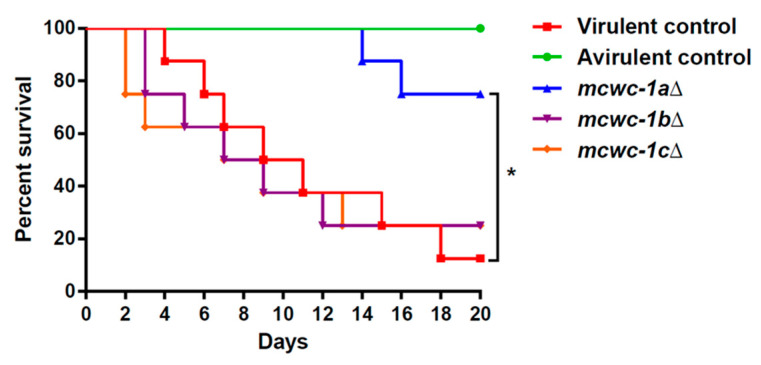
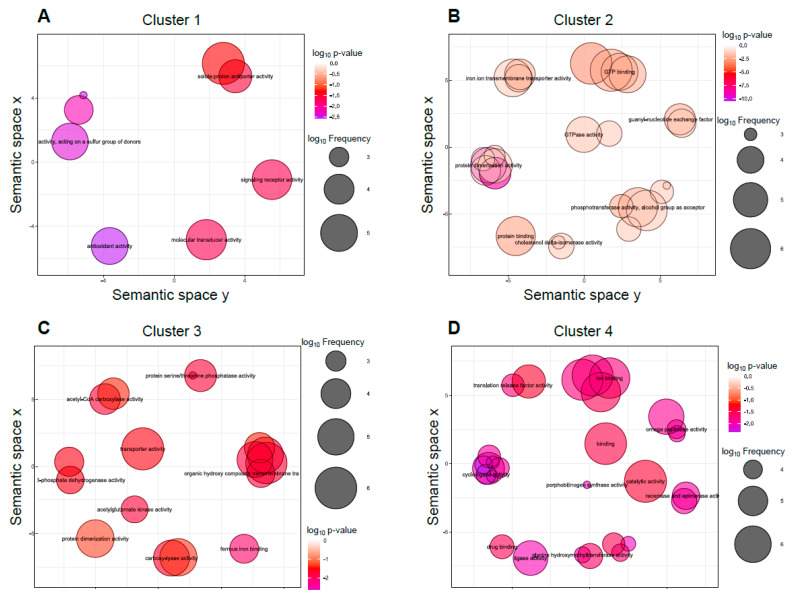
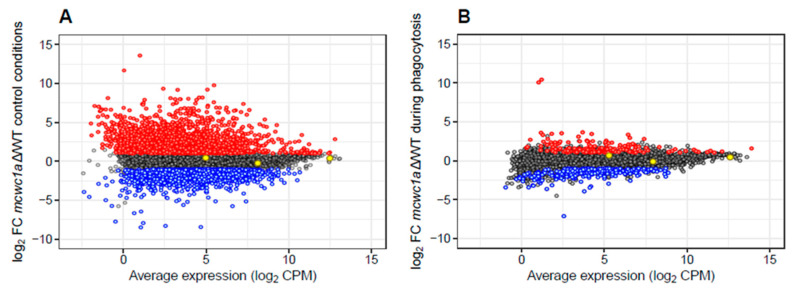
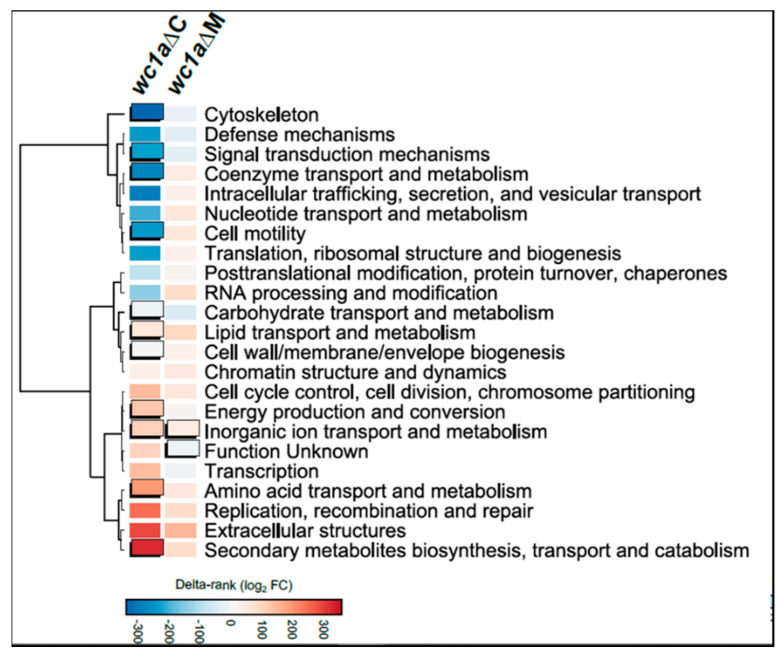
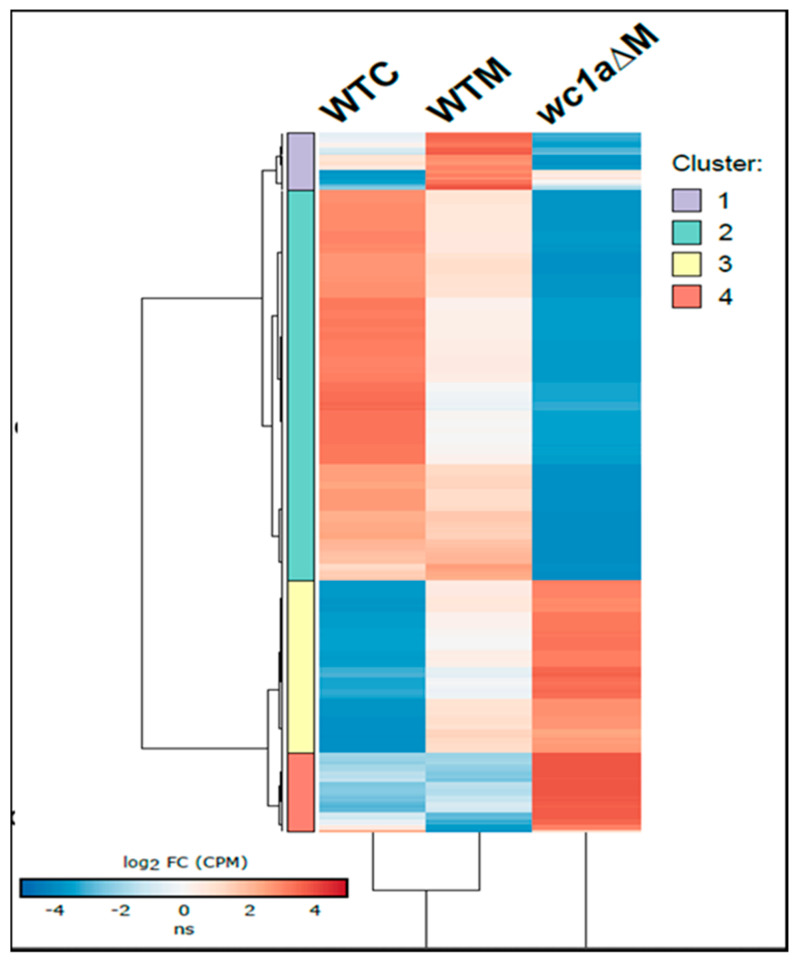
Mucolares are an ancient group of fungi encompassing the causal agents for the lethal infection mucormycosis. The high lethality rates, the emerging character of this disease, and the broad antifungal resistance of its causal agents are mucormycosis features that are alarming clinicians and researchers. Thus, the research field around mucormycosis is currently focused on finding specific weaknesses and targets in Mucorales for developing new treatments. In this work, we tested the role of the genes family in the virulence potential of . Study of the three genes of this family, , , and , resulted in a marked functional specialization, as only was essential to maintain the virulence potential of . The traditional role of genes regulating light-dependent responses is a thoroughly studied field, whereas their role in virulence remains uncharacterized. In this work, we investigated the mechanism involving in virulence from an integrated transcriptomic and functional approach during the host-pathogen interaction. Our results revealed as a master regulator controlling an extensive gene network. Further dissection of this gene network clustering its components by type of regulation and functional criteria disclosed a multifunctional mechanism depending on diverse pathways. In the absence of phagocytic cells, controlled pathways related to cell motility and the cytoskeleton that could be associated with the essential tropism during tissue invasion. After phagocytosis, several oxidative response pathways dependent on were activated during the germination of spores inside phagocytic cells, which is the first stage of the infection. The third relevant group of genes involved in virulence and regulated by belonged to the "unknown function," indicating that new and hidden pathways are involved in virulence. The unknown function category is especially pertinent in the study of mucormycosis, as it is highly enriched in specific fungal genes that represent the most promising targets for developing new antifungal compounds. These results unveil a complex multifunctional mechanism used by genes to regulate the pathogenic potential in Mucorales that could also apply to other fungal pathogens.
毛霉目真菌是一类古老的真菌,其中包含导致致命感染毛霉病的病原体。高致死率、该疾病的新发特性以及其病原体广泛的抗真菌耐药性,这些都是毛霉病的特征,令临床医生和研究人员感到担忧。因此,目前围绕毛霉病的研究领域聚焦于在毛霉目中寻找特定的弱点和靶点,以开发新的治疗方法。在这项工作中,我们测试了 基因家族在 毒力潜力中的作用。对该家族的三个基因 、 和 的研究导致了显著的功能特化,因为只有 对于维持 的毒力潜力至关重要。 基因调节光依赖性反应的传统作用是一个经过充分研究的领域,而它们在毒力中的作用仍未得到表征。在这项工作中,我们从宿主 - 病原体相互作用过程中的综合转录组学和功能方法研究了 参与毒力的机制。我们的结果揭示 是控制广泛基因网络的主调节因子。通过调节类型和功能标准对该基因网络的组成部分进行进一步剖析,揭示了一种依赖于多种途径的多功能机制。在没有吞噬细胞的情况下, 控制与细胞运动和细胞骨架相关的途径,这可能与组织侵袭过程中的基本嗜性有关。吞噬后,在吞噬细胞内 孢子萌发期间,几种依赖于 的氧化反应途径被激活,这是感染的第一阶段。参与毒力并由 调节的第三组相关基因属于“未知功能”,表明新的和隐藏的途径参与了毒力。未知功能类别在毛霉病研究中特别相关,因为它在特定真菌基因中高度富集,这些基因是开发新抗真菌化合物最有希望的靶点。这些结果揭示了 基因用于调节毛霉目致病潜力的复杂多功能机制,这也可能适用于其他真菌病原体。