Key Laboratory of Systems Microbial Biotechnology, Tianjin Institute of Industrial Biotechnology, Chinese Academy of Sciences, Tianjin 300308, China.
National Technology Innovation Center of Synthetic Biology, Tianjin 300308, China.
Int J Mol Sci. 2021 Feb 14;22(4):1890. doi: 10.3390/ijms22041890.
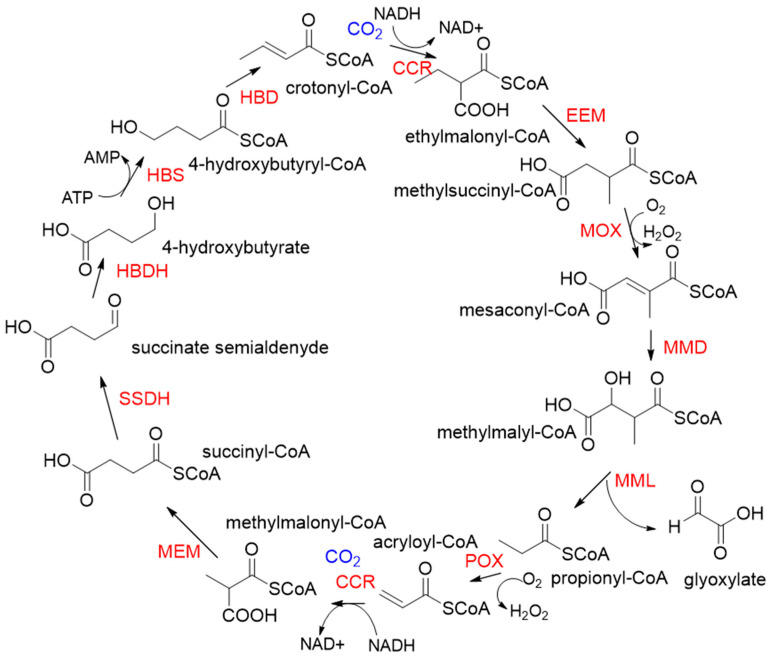
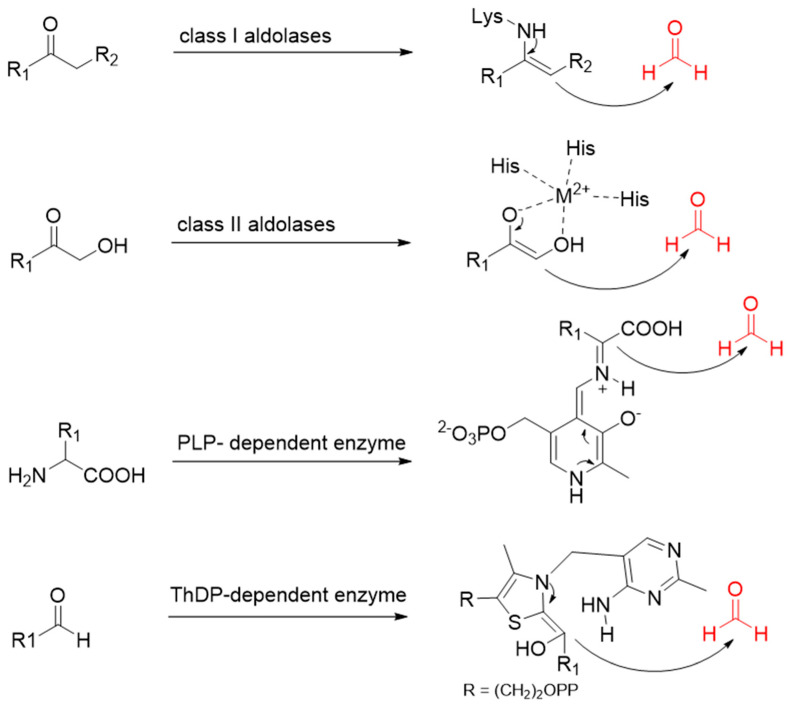
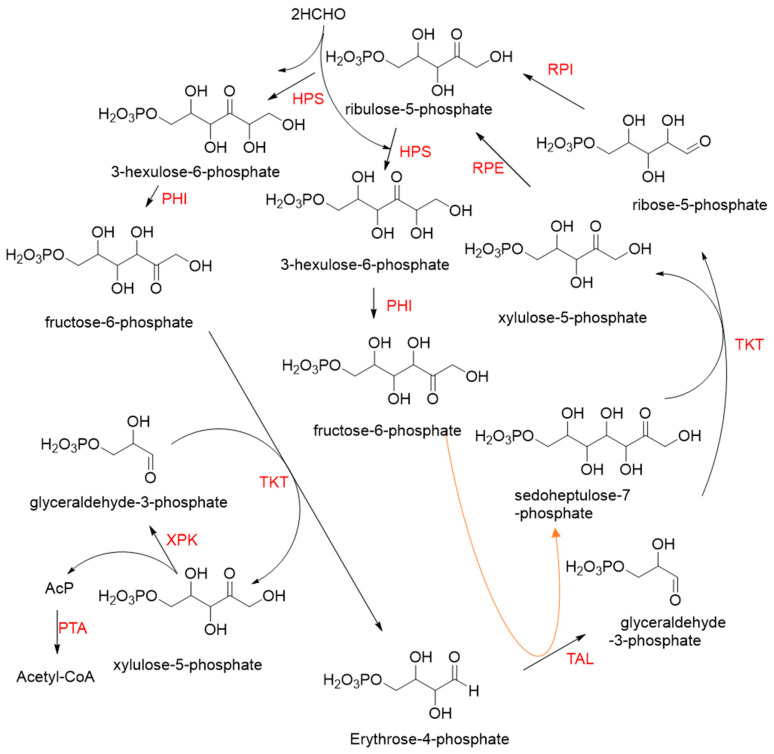
The carbon-carbon bond formation has always been one of the most important reactions in C1 resource utilization. Compared to traditional organic synthesis methods, biocatalytic C-C bond formation offers a green and potent alternative for C1 transformation. In recent years, with the development of synthetic biology, more and more carboxylases and C-C ligases have been mined and designed for the C1 transformation in vitro and C1 assimilation in vivo. This article presents an overview of C-C bond formation in biocatalytic C1 resource utilization is first provided. Sets of newly mined and designed carboxylases and ligases capable of catalyzing C-C bond formation for the transformation of CO, formaldehyde, CO, and formate are then reviewed, and their catalytic mechanisms are discussed. Finally, the current advances and the future perspectives for the development of catalysts for C1 resource utilization are provided.
碳-碳键的形成一直是 C1 资源利用中最重要的反应之一。与传统的有机合成方法相比,生物催化的 C-C 键形成为 C1 转化提供了一种绿色有效的替代方法。近年来,随着合成生物学的发展,越来越多的羧化酶和 C-C 连接酶被挖掘和设计用于体外的 C1 转化和体内的 C1 同化。本文首先概述了生物催化 C1 资源利用中的 C-C 键形成,然后综述了一系列新挖掘和设计的能够催化 CO、甲醛、CO2 和甲酸盐转化的 C-C 键形成的羧化酶和连接酶,并讨论了它们的催化机制。最后,提供了 C1 资源利用催化剂发展的现状和未来展望。