Bentz Alexandra B, Niederhuth Chad E, Carruth Laura L, Navara Kristen J
Department of Biology, Indiana University, Bloomington, IN, 47405, USA.
Center for the Integrative Study of Animal Behavior, Indiana University, Bloomington, IN, 47405, USA.
BMC Genomics. 2021 Mar 6;22(1):158. doi: 10.1186/s12864-021-07466-9.
Maternal hormones, like testosterone, can strongly influence developing offspring, even generating long-term organizational effects on adult behavior; yet, the mechanisms facilitating these effects are still unclear. Here, we experimentally elevated prenatal testosterone in the eggs of zebra finches (Taeniopygia guttata) and measured male aggression in adulthood along with patterns of neural gene expression (RNA-seq) and DNA methylation (MethylC-Seq) in two socially relevant brain regions (hypothalamus and nucleus taenia of the amygdala). We used enrichment analyses and protein-protein interaction networks to find candidate processes and hub genes potentially affected by the treatment. We additionally identified differentially expressed genes that contained differentially methylated regions.
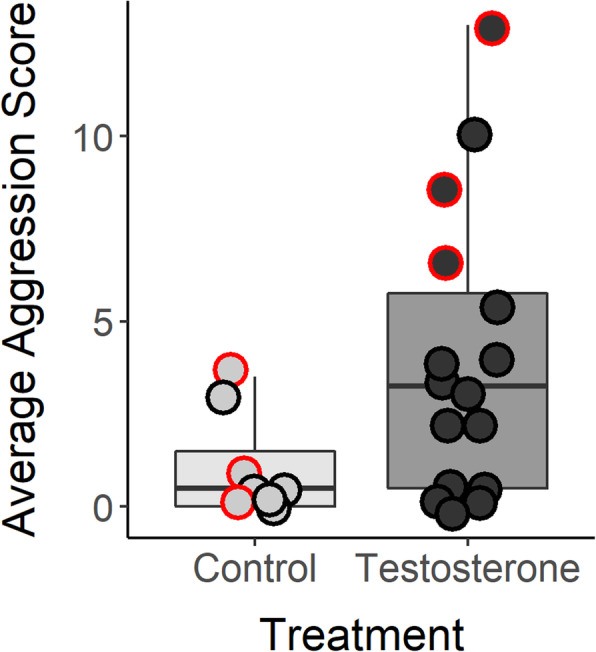
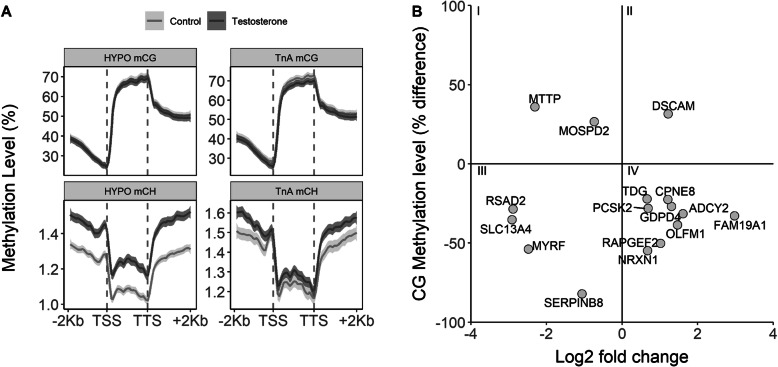
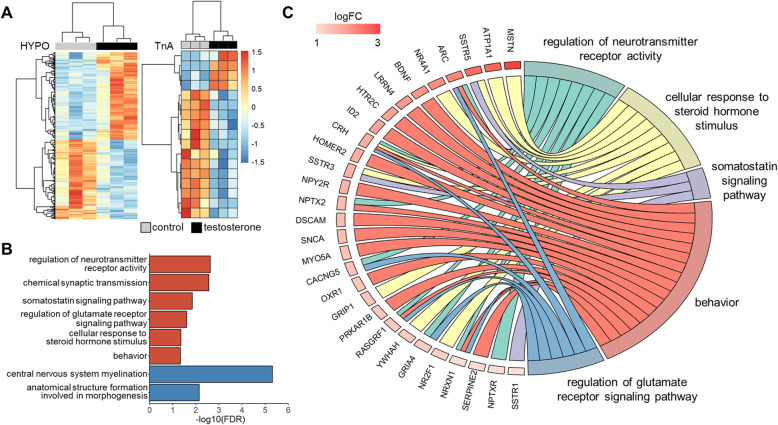
We found that males from testosterone-injected eggs displayed more aggressive behaviors compared to males from control eggs. Hundreds of genes were differentially expressed, particularly in the hypothalamus, including potential aggression-related hub genes (e.g., brain derived neurotrophic factor). There were also enriched processes with well-established links to aggressive phenotypes (e.g., somatostatin and glutamate signaling). Furthermore, several highly connected genes identified in protein-protein interaction networks also showed differential methylation, including adenylate cyclase 2 and proprotein convertase 2.
These results highlight genes and processes that may play an important role in mediating the effects of prenatal testosterone on long-term phenotypic outcomes, thereby providing insights into the molecular mechanisms that facilitate hormone-mediated maternal effects.
母体激素,如睾酮,可对发育中的后代产生强烈影响,甚至对成年行为产生长期的组织效应;然而,促进这些效应的机制仍不清楚。在此,我们通过实验提高了斑胸草雀(Taeniopygia guttata)卵中的产前睾酮水平,并测量了成年雄性的攻击性,以及两个与社会行为相关的脑区(下丘脑和杏仁核带状核)的神经基因表达模式(RNA测序)和DNA甲基化(甲基化C测序)。我们使用富集分析和蛋白质-蛋白质相互作用网络来寻找可能受该处理影响的候选过程和枢纽基因。我们还鉴定了包含差异甲基化区域的差异表达基因。
我们发现,注射睾酮的卵孵化出的雄性比对照卵孵化出的雄性表现出更多的攻击性行为。数百个基因存在差异表达,特别是在下丘脑中,包括潜在的与攻击相关的枢纽基因(如脑源性神经营养因子)。也有一些与攻击表型有明确联系的富集过程(如生长抑素和谷氨酸信号传导)。此外,在蛋白质-蛋白质相互作用网络中鉴定出的几个高度连接的基因也显示出差异甲基化,包括腺苷酸环化酶2和前蛋白转化酶2。
这些结果突出了可能在介导产前睾酮对长期表型结果的影响中起重要作用的基因和过程,从而为促进激素介导的母体效应的分子机制提供了见解。