Department of Biochemistry and Structural Biology, University of Texas Health Science Center at San Antonio, San Antonio, Texas, USA.
The Second Xiangya Hospital of Central South University, Changsha, China.
JCI Insight. 2021 Mar 8;6(5):134611. doi: 10.1172/jci.insight.134611.
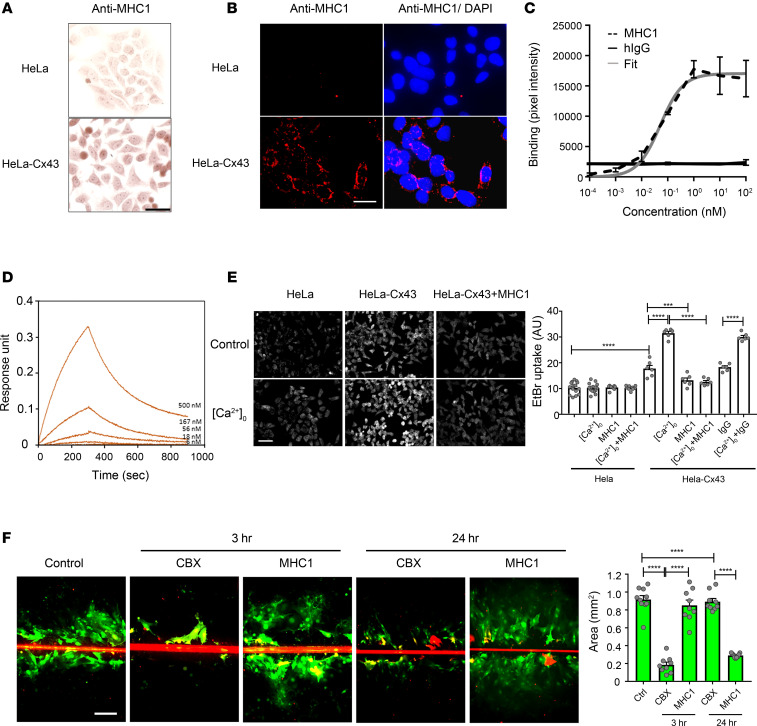
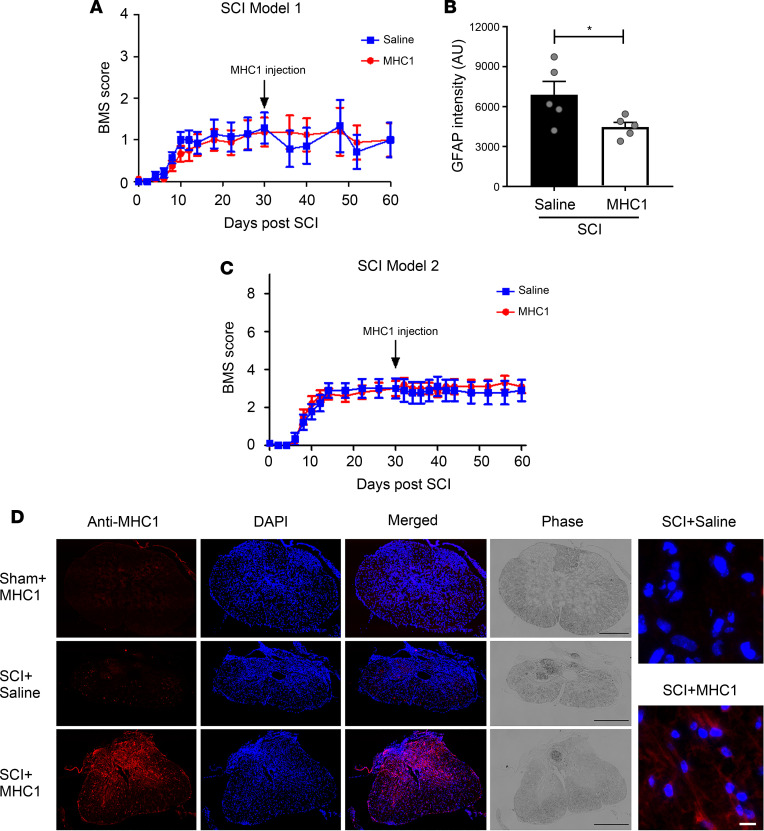
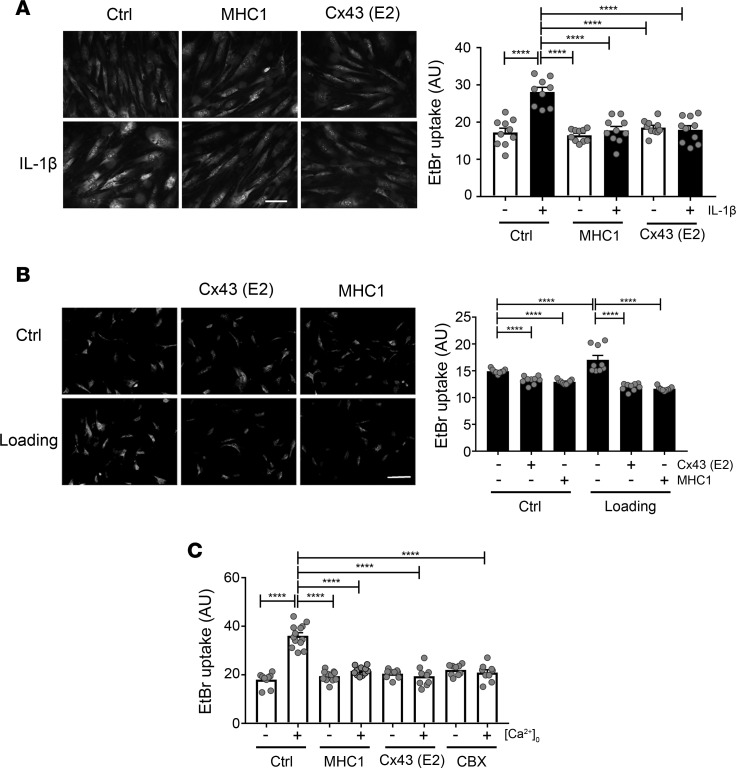
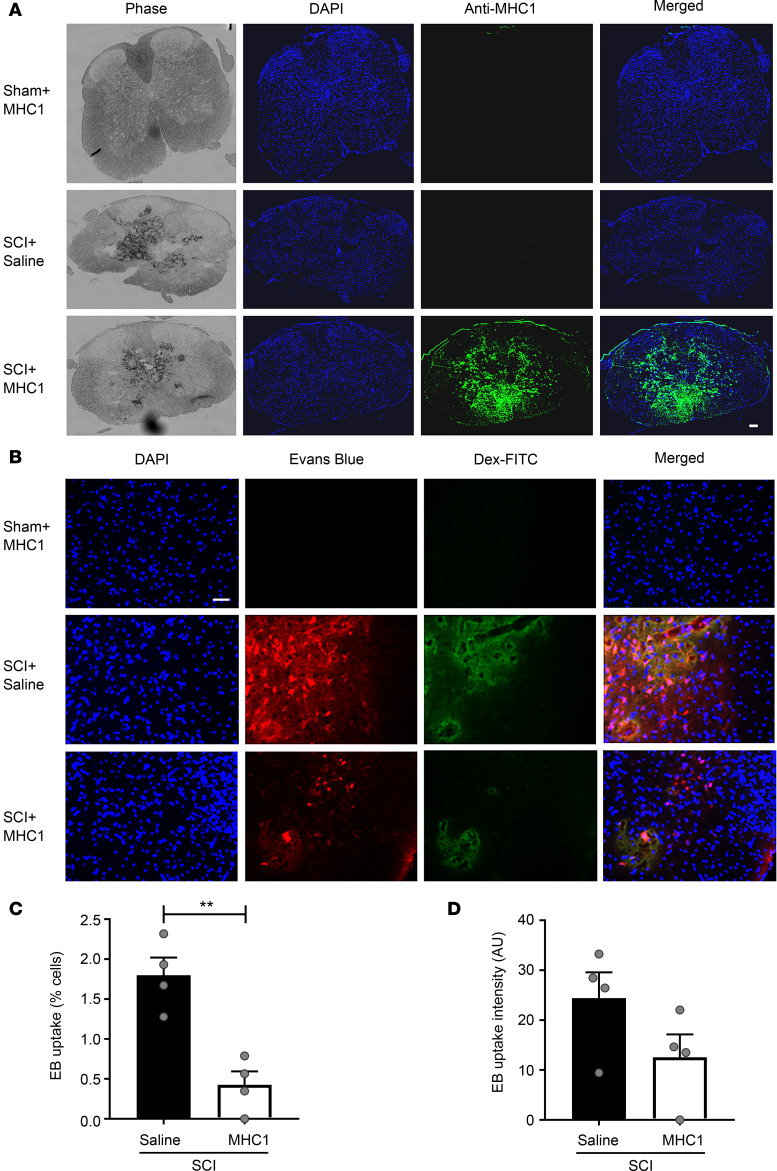
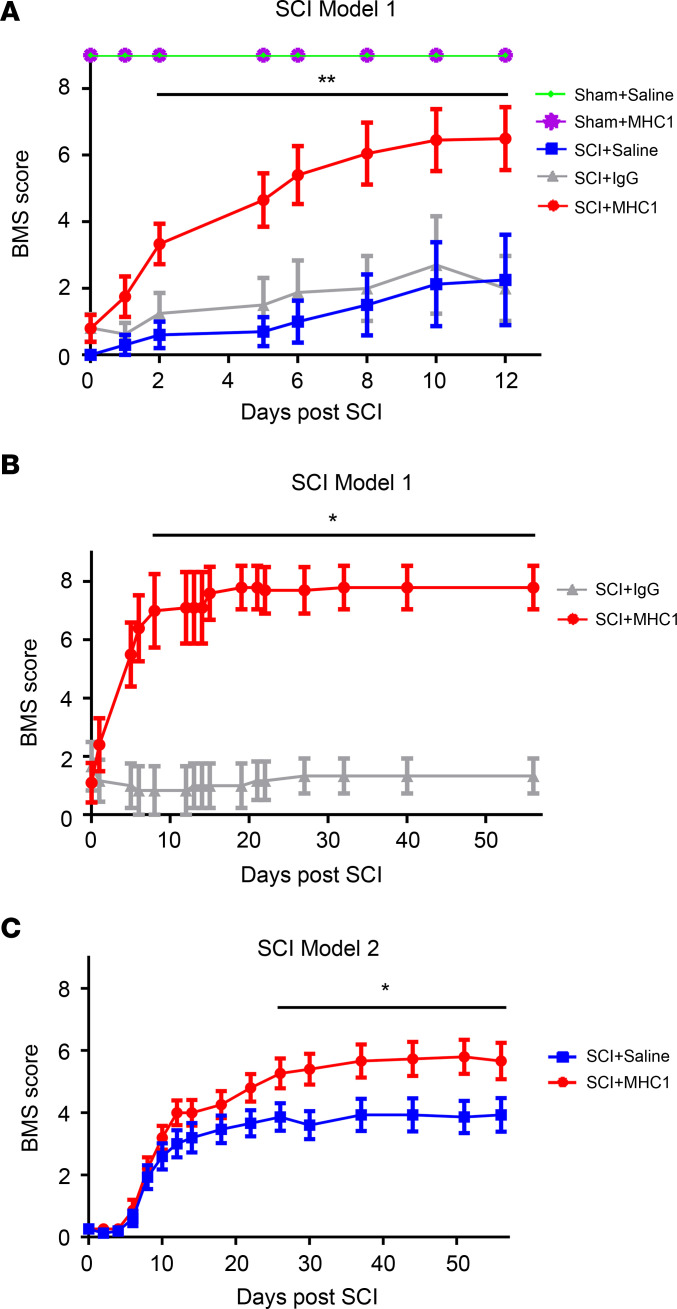
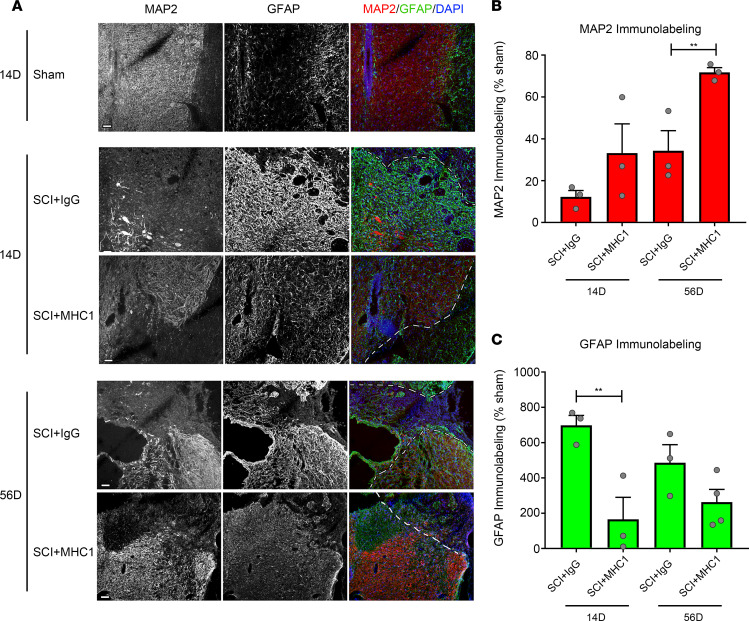
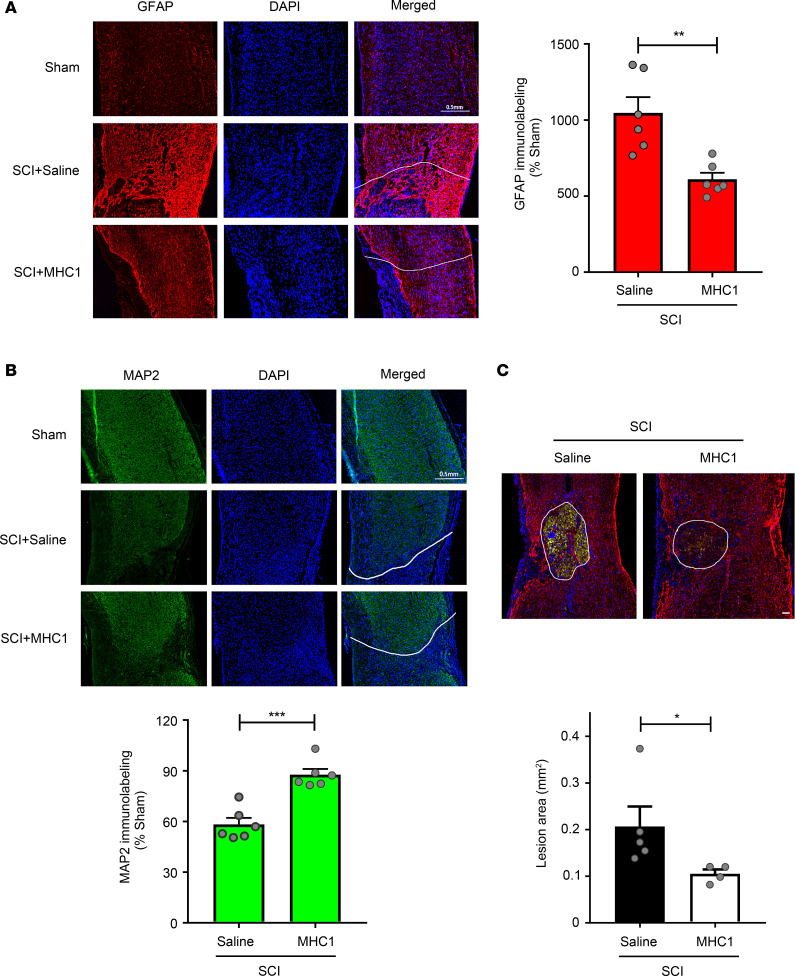
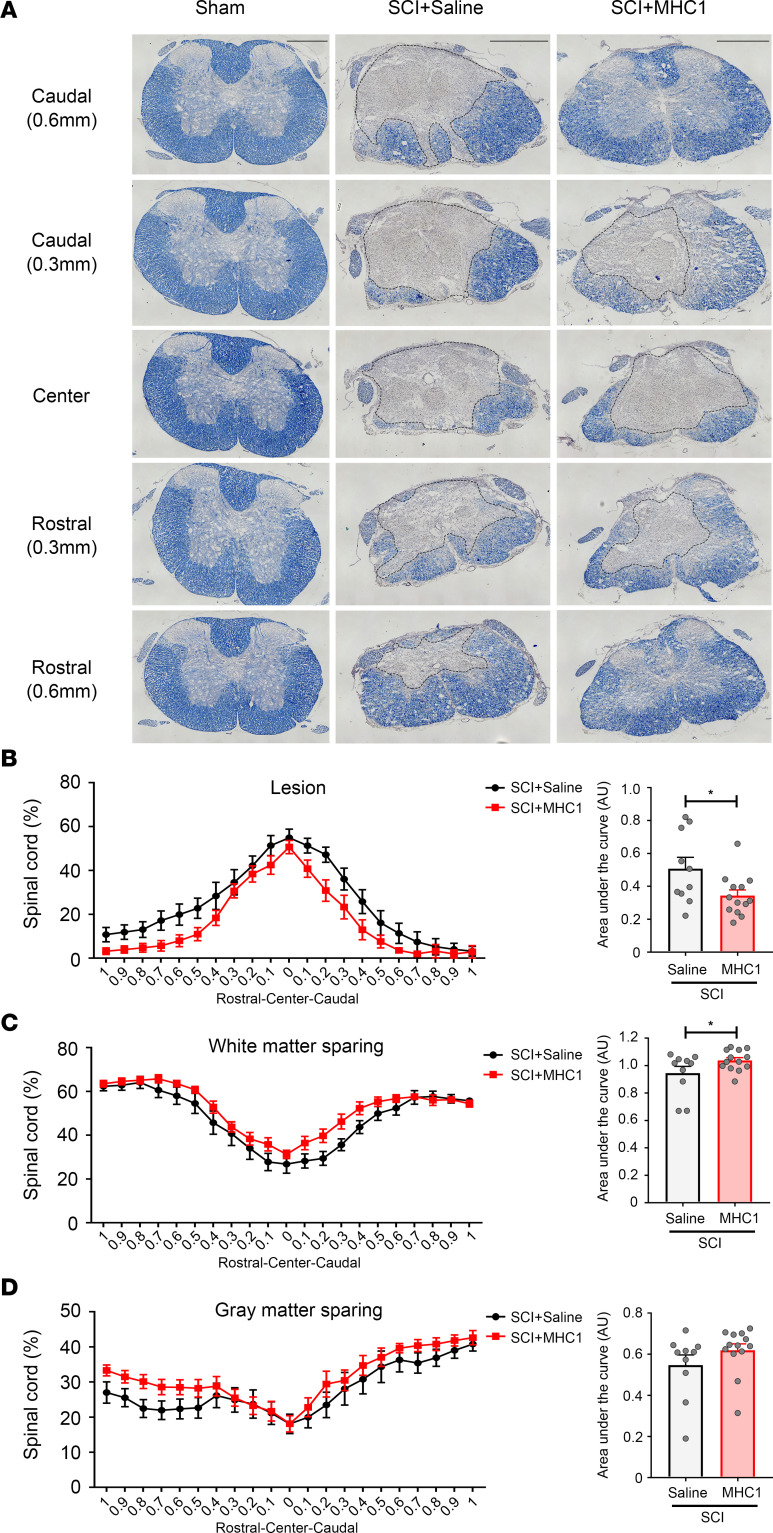
Spinal cord injury (SCI) causes severe disability, and the current inability to restore function to the damaged spinal cord leads to lasting detrimental consequences to patients. One strategy to reduce SCI morbidity involves limiting the spread of secondary damage after injury. Previous studies have shown that connexin 43 (Cx43), a gap junction protein richly expressed in spinal cord astrocytes, is a potential mediator of secondary damage. Here, we developed a specific inhibitory antibody, mouse-human chimeric MHC1 antibody (MHC1), that inhibited Cx43 hemichannels, but not gap junctions, and reduced secondary damage in 2 incomplete SCI mouse models. MHC1 inhibited the activation of Cx43 hemichannels in both primary spinal astrocytes and astrocytes in situ. In both SCI mouse models, administration of MHC1 after SCI significantly improved hind limb locomotion function. Remarkably, a single administration of MHC1 30 minutes after injury improved the recovery up to 8 weeks post-SCI. Moreover, MHC1 treatment decreased gliosis and lesion sizes, increased white and gray matter sparing, and improved neuronal survival. Together, these results suggest that inhibition of Cx43 hemichannel function after traumatic SCI reduces secondary damage, limits perilesional gliosis, and improves functional recovery. By targeting hemichannels specifically with an antibody, this study provides a potentially new, innovative therapeutic approach in treating SCI.
脊髓损伤(SCI)导致严重残疾,目前无法恢复受损脊髓的功能,这给患者带来了持久的不利后果。减少 SCI 发病率的一种策略包括限制损伤后继发性损伤的扩散。先前的研究表明,间隙连接蛋白 43(Cx43)在脊髓星形胶质细胞中表达丰富,是继发性损伤的潜在介质。在这里,我们开发了一种特异性抑制抗体,即鼠-人嵌合 MHC1 抗体(MHC1),它抑制 Cx43 半通道,但不抑制缝隙连接,并减少了 2 种不完全性 SCI 小鼠模型中的继发性损伤。MHC1 抑制了原代脊髓星形胶质细胞和原位星形胶质细胞中 Cx43 半通道的激活。在两种 SCI 小鼠模型中,SCI 后给予 MHC1 可显著改善后肢运动功能。值得注意的是,损伤后 30 分钟单次给予 MHC1 可改善恢复,直至 SCI 后 8 周。此外,MHC1 治疗可减少神经胶质增生和病变大小,增加白质和灰质的保留,并改善神经元存活。总之,这些结果表明,创伤性 SCI 后 Cx43 半通道功能的抑制可减少继发性损伤,限制损伤周围神经胶质增生,并改善功能恢复。通过用抗体特异性靶向半通道,本研究为治疗 SCI 提供了一种潜在的新的创新治疗方法。