Kuo Chia-Ling, Pilling Luke C, Atkins Janice L, Masoli Jane A H, Delgado João, Tignanelli Christopher, Kuchel George A, Melzer David, Beckman Kenneth B, Levine Morgan E
Connecticut Convergence Institute for Translation in Regenerative Engineering, University of Connecticut Health, Farmington, USA.
University of Connecticut Center on Aging, School of Medicine, Farmington, USA.
J Gerontol A Biol Sci Med Sci. 2021 Jul 13;76(8):e133-e141. doi: 10.1093/gerona/glab060.
Age and disease prevalence are the 2 biggest risk factors for Coronavirus disease 2019 (COVID-19) symptom severity and death. We therefore hypothesized that increased biological age, beyond chronological age, may be driving disease-related trends in COVID-19 severity.
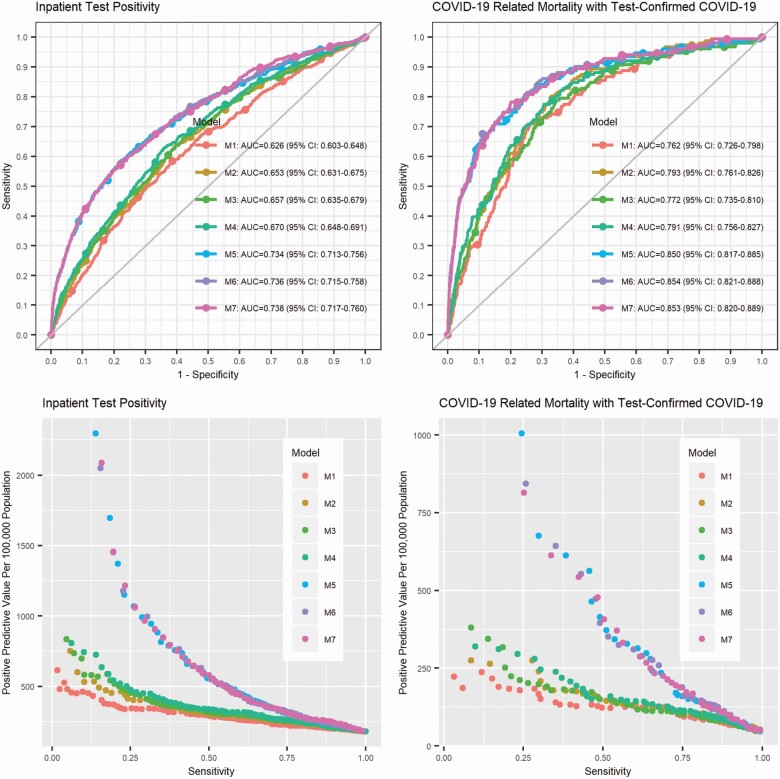
Using the UK Biobank England data, we tested whether a biological age estimate (PhenoAge) measured more than a decade prior to the COVID-19 pandemic was predictive of 2 COVID-19 severity outcomes (inpatient test positivity and COVID-19-related mortality with inpatient test-confirmed COVID-19). Logistic regression models were used with adjustment for age at the pandemic, sex, ethnicity, baseline assessment centers, and preexisting diseases/conditions.
Six hundred and thirteen participants tested positive at inpatient settings between March 16 and April 27, 2020, 154 of whom succumbed to COVID-19. PhenoAge was associated with increased risks of inpatient test positivity and COVID-19-related mortality (ORMortality = 1.63 per 5 years, 95% CI: 1.43-1.86, p = 4.7 × 10⁻¹³) adjusting for demographics including age at the pandemic. Further adjustment for preexisting diseases/conditions at baseline (ORM = 1.50, 95% CI: 1.30-1.73 per 5 years, p = 3.1 × 10⁻⁸) and at the early pandemic (ORM = 1.21, 95% CI: 1.04-1.40 per 5 years, p = .011) decreased the association.
PhenoAge measured in 2006-2010 was associated with COVID-19 severity outcomes more than 10 years later. These associations were partly accounted for by prevalent chronic diseases proximate to COVID-19 infection. Overall, our results suggest that aging biomarkers, like PhenoAge may capture long-term vulnerability to diseases like COVID-19, even before the accumulation of age-related comorbid conditions.
年龄和疾病患病率是2019冠状病毒病(COVID-19)症状严重程度和死亡的两大最大风险因素。因此,我们推测,除了实足年龄外,生物学年龄的增加可能推动了COVID-19严重程度与疾病相关的趋势。
利用英国生物银行英格兰数据,我们测试了在COVID-19大流行前十多年测量的生物学年龄估计值(PhenoAge)是否能预测两种COVID-19严重程度结果(住院检测阳性以及住院检测确诊为COVID-19的与COVID-19相关的死亡率)。使用逻辑回归模型,并对大流行时的年龄、性别、种族、基线评估中心以及既往疾病/状况进行了调整。
2020年3月16日至4月27日期间,613名参与者在住院环境中检测呈阳性,其中154人死于COVID-19。在对包括大流行时年龄在内的人口统计学因素进行调整后,PhenoAge与住院检测阳性风险和COVID-19相关死亡率增加相关(死亡率优势比=每5年1.63,95%置信区间:1.43-1.86,p=4.7×10⁻¹³)。对基线时(优势比=1.50,95%置信区间:每5年1.30-1.73,p=3.1×10⁻⁸)和大流行早期(优势比=1.21,95%置信区间:每5年1.04-1.40,p=0.011)的既往疾病/状况进行进一步调整后,这种关联有所减弱。
2006年至2010年测量的PhenoAge与十多年后的COVID-19严重程度结果相关。这些关联部分由COVID-19感染附近的常见慢性病所解释。总体而言,我们的结果表明,像PhenoAge这样的衰老生物标志物可能在与年龄相关的合并症积累之前,就能反映出对COVID-19等疾病的长期易感性。