Evans Susan F, Kwok Yuen, Solterbeck Ann, Pyragius Carmen, Hull Mary Louise, Hutchinson Mark R, Rolan Paul
Adelaide Medical School, University of Adelaide, Adelaide, South Australia, Australia.
Statistical Revelations, Melbourne, Victoria, Australia.
J Pain Res. 2021 Mar 3;14:585-599. doi: 10.2147/JPR.S279253. eCollection 2021.
Women bear a disproportionate burden of persistent pain conditions when compared to men. To determine whether the hormonal environment affects the clinical experience of pain, as measured by the days per month of pelvic pain (DPelvicPM), period pain (DPeriodPM), headache (DHeadachePM) or the in vitro EC for Interleukin-1β (IL-1β) release following TLR4 stimulation with Lipopolysaccharide from Peripheral Blood Mononuclear Cells (PBMCs). Findings were stratified according to use or non-use of the oral contraceptive pill.
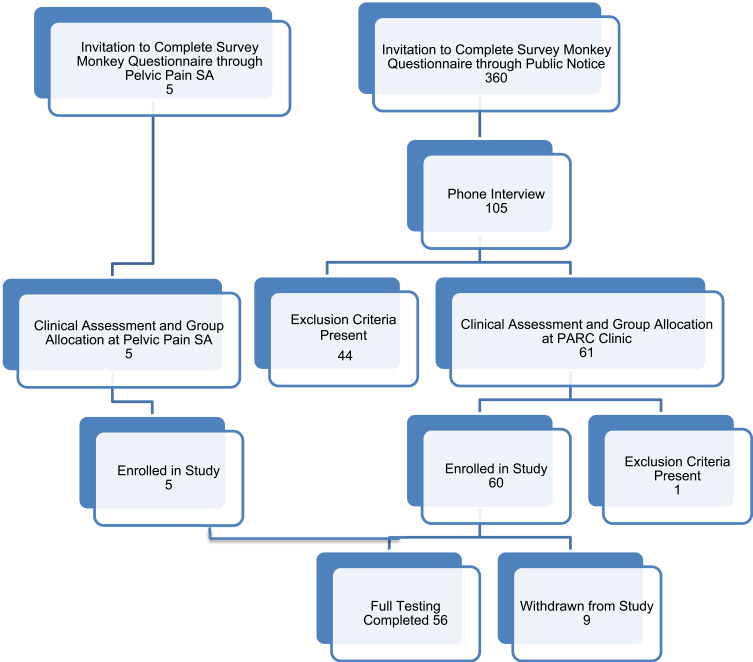
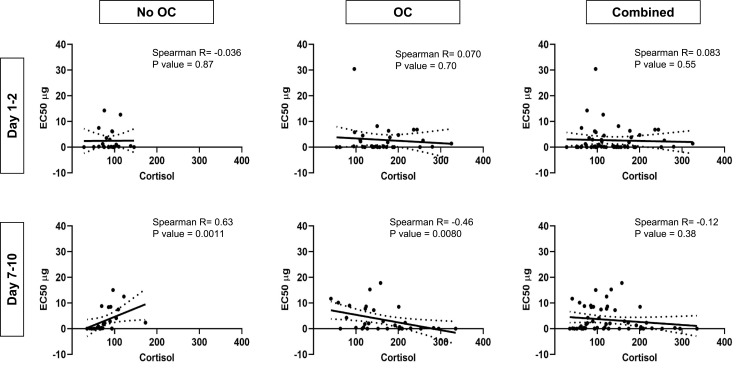
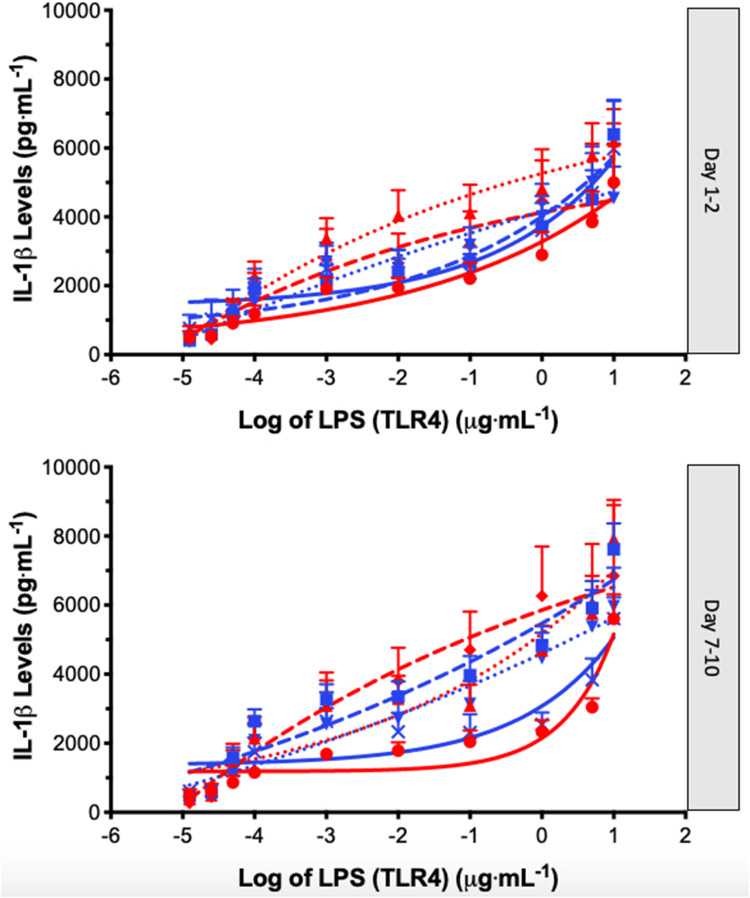
Fifty-six women aged 16-35 years, with minimal or severe dysmenorrhea, and use or non-use of the OC, were enrolled. Blood was collected on two occasions in a single menstrual cycle: Days 1-2 and Days 7-10. Hormonal analysis for testosterone, dihydrotestosterone, dehydroepiandrosterone, Androstenedione, 3α-Androstanediol, 3β-androstanediol, estradiol, estrone, 17α-hydroxyprogesterone, progesterone, cortisol and sex-hormone binding globulin was undertaken using ultra-sensitive Liquid Chromatography Mass-Spectrometry (LC-MS). PBMCs were exposed to lipopolysaccharide (LPS) and the resulting Interleukin-1β output was determined.
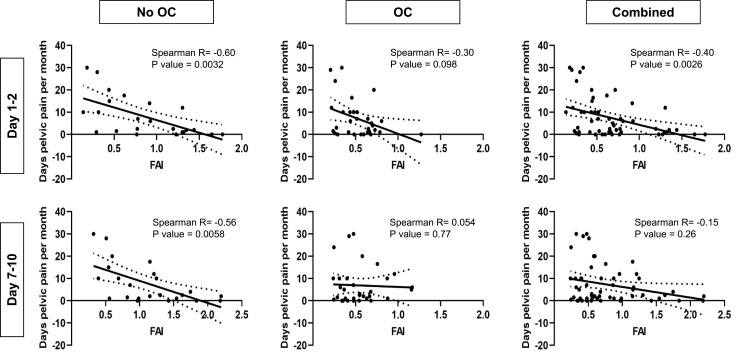
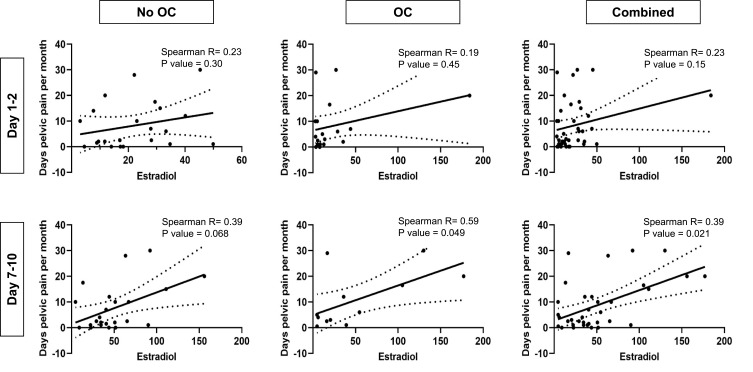
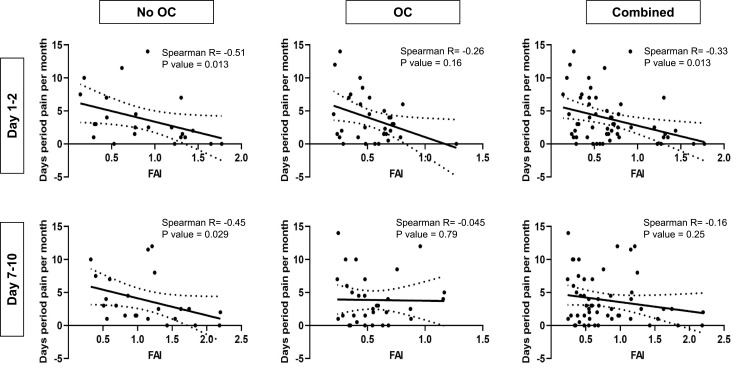
Non-users of the OC showed a strongly inverse correlation between a reducing free androgen index (FAI) and increasing DPelvicPM (p=0.0032), DPeriodPM (p=0.013), DHeadachePM (p=0.041). Non-users of the OC showed a significant increase in DPelvicPM (p=0.049) on Days 7-10. Modestly significant associations were found between reduced androgens and potentiated LPS-induced IL-1β (lower EC).
This is the first study to investigate the relationship between the hormonal environment and activation of the immune system in young women with dysmenorrhoea-related pain conditions. Low androgen levels were consistently associated with increased pain. Translational implications for the findings are discussed.
与男性相比,女性承受持续性疼痛疾病的负担不成比例。为了确定激素环境是否会影响疼痛的临床体验,通过每月盆腔疼痛天数(DPelvicPM)、经期疼痛天数(DPeriodPM)、头痛天数(DHeadachePM)或外周血单核细胞(PBMCs)用脂多糖刺激Toll样受体4(TLR4)后白细胞介素-1β(IL-1β)释放的体外有效浓度(EC)来衡量。研究结果根据是否使用口服避孕药进行分层。
招募了56名年龄在16 - 35岁之间、痛经程度轻微或严重且使用或未使用口服避孕药的女性。在单个月经周期的两个时间点采集血液:第1 - 2天和第7 - 10天。使用超灵敏液相色谱质谱法(LC-MS)对睾酮、二氢睾酮、脱氢表雄酮、雄烯二酮、3α - 雄烷二醇、3β - 雄烷二醇、雌二醇、雌酮、17α - 羟孕酮、孕酮、皮质醇和性激素结合球蛋白进行激素分析。将PBMCs暴露于脂多糖(LPS)中,并测定产生的白细胞介素-1β产量。
未使用口服避孕药的女性中,游离雄激素指数(FAI)降低与DPelvicPM增加(p = 0.0032)、DPeriodPM增加(p = 0.013)、DHeadachePM增加(p = 0.041)之间存在强烈的负相关。未使用口服避孕药的女性在第7 - 10天DPelvicPM显著增加(p = 0.049)。发现雄激素减少与脂多糖诱导的IL-1β增强(较低EC)之间存在适度显著的关联。
这是第一项研究痛经相关疼痛状况的年轻女性激素环境与免疫系统激活之间关系的研究。低雄激素水平始终与疼痛增加相关。讨论了研究结果的转化意义。