Department of Anatomy, University of Otago, Dunedin, New Zealand.
School of Archaeology and Anthropology, The Australian National University, Canberra, Australia.
Sci Rep. 2021 Mar 11;11(1):5677. doi: 10.1038/s41598-021-83978-4.
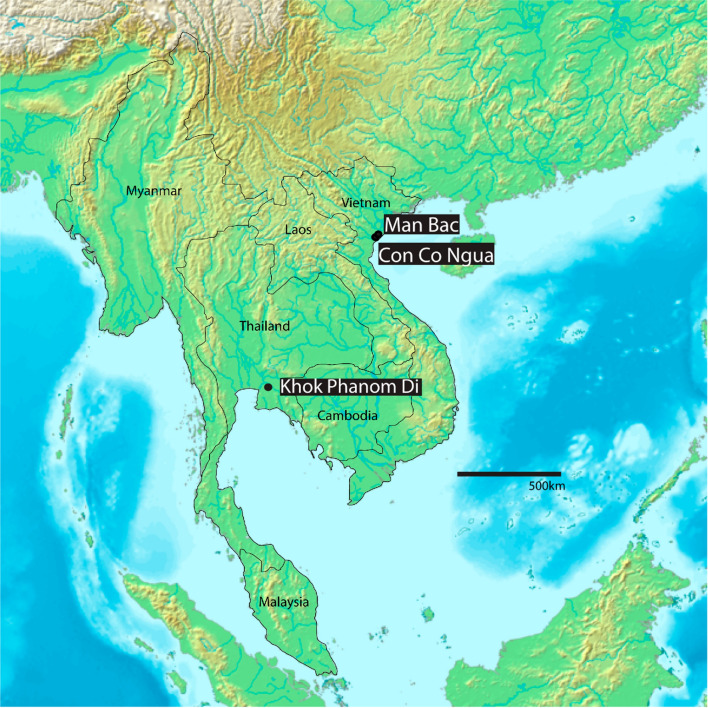
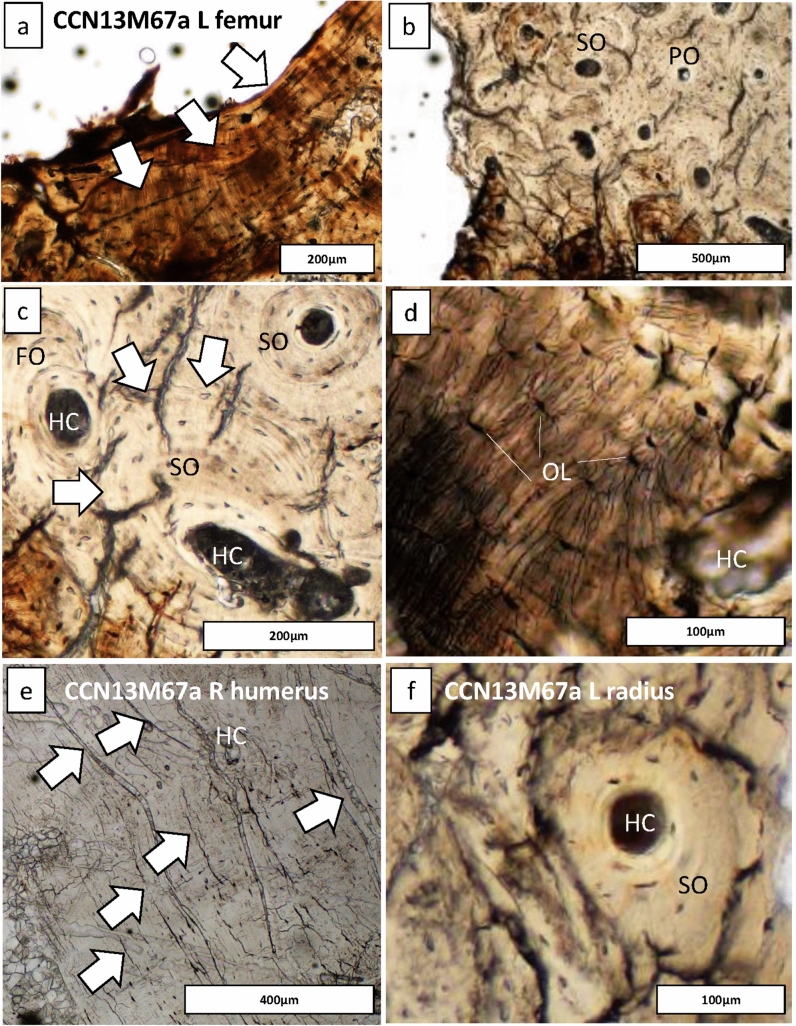
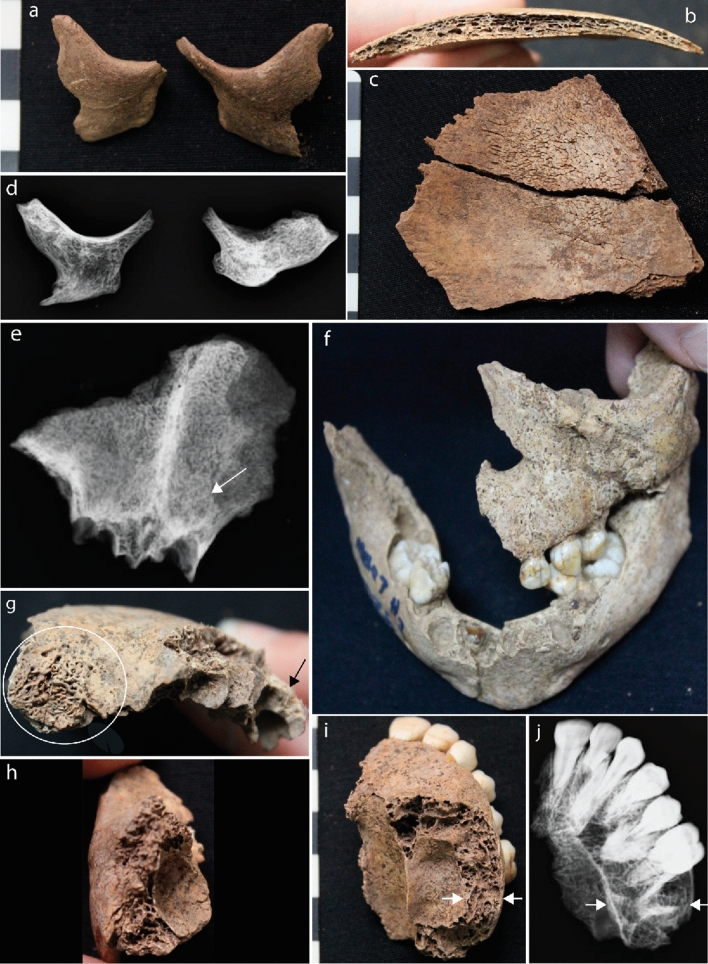
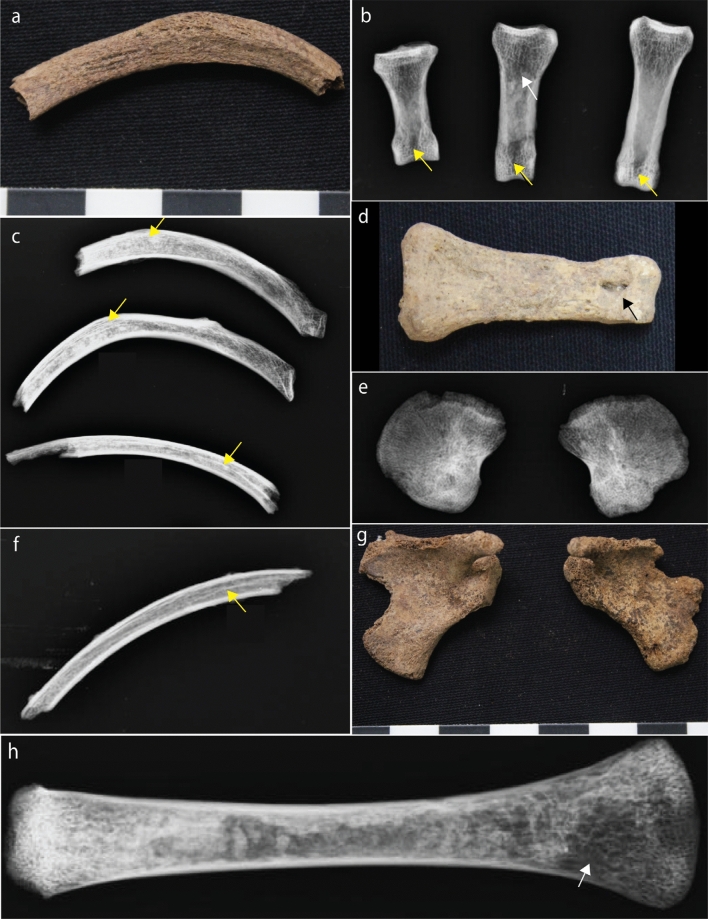
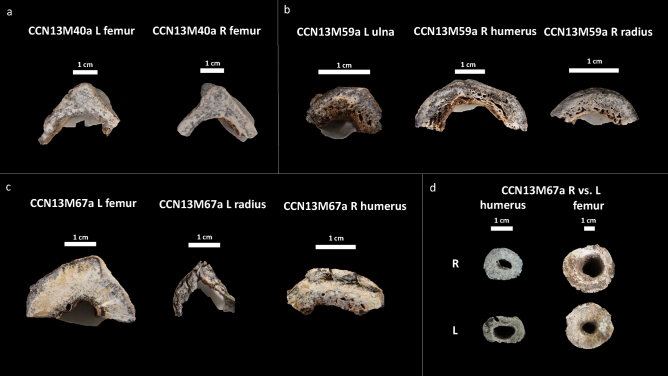
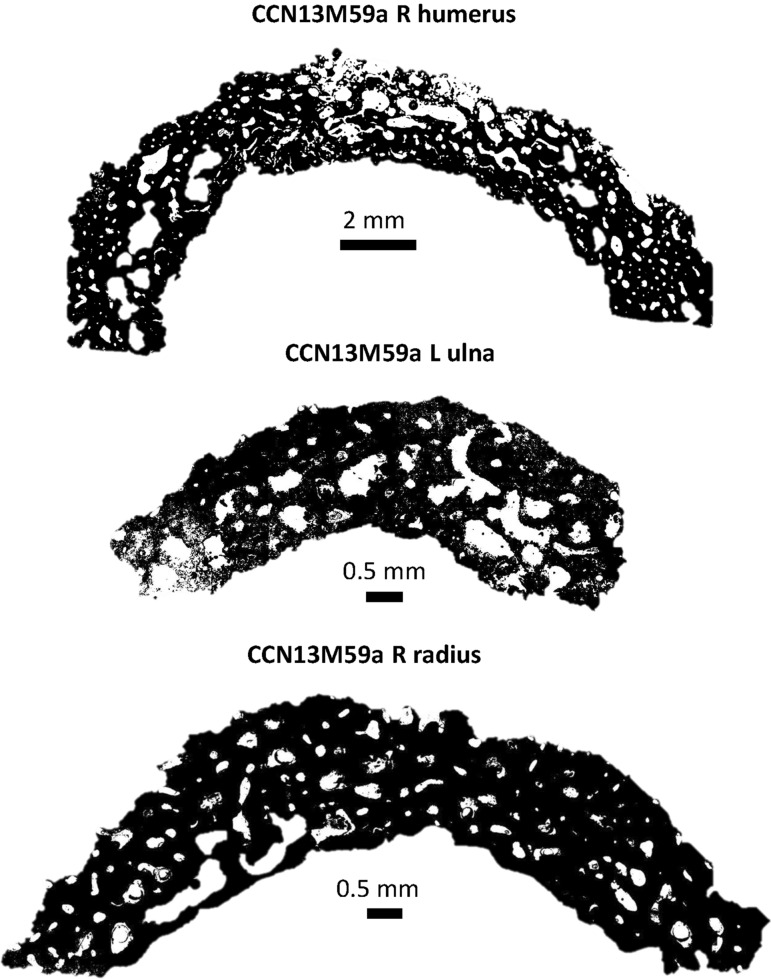
Thalassemias are inherited blood disorders that are found in high prevalences in the Mediterranean, Southeast Asia and the Pacific. These diseases provide varying levels of resistance to malaria and are proposed to have emerged as an adaptive response to malaria in these regions. The transition to agriculture in the Holocene has been suggested to have influenced the selection for thalassemia in the Mediterranean as land clearance for farming encouraged interaction between Anopheles mosquitos, the vectors for malaria, and human groups. Here we document macroscopic and microscopic skeletal evidence for the presence of thalassemia in both hunter-gatherer (Con Co Ngua) and early agricultural (Man Bac) populations in northern Vietnam. Firstly, our findings demonstrate that thalassemia emerged prior to the transition to agriculture in Mainland Southeast Asia, from at least the early seventh millennium BP, contradicting a long-held assumption that agriculture was the main driver for an increase in malaria in Southeast Asia. Secondly, we describe evidence for significant malarial burden in the region during early agriculture. We argue that the introduction of farming into the region was not the initial driver of the selection for thalassemia, as it may have been in other regions of the world.
地中海、东南亚和太平洋地区高发的地中海贫血症是一种遗传性血液疾病。这些疾病对疟疾有不同程度的抵抗力,被认为是这些地区对疟疾的适应性反应而出现的。全新世向农业的转变被认为影响了地中海地区对地中海贫血症的选择,因为土地开垦用于农业鼓励了疟疾传播媒介按蚊与人类群体之间的相互作用。在这里,我们记录了越南北部狩猎采集者(Con Co Ngua)和早期农业(Man Bac)人群中地中海贫血症的宏观和微观骨骼证据。首先,我们的发现表明,地中海贫血症早在东南亚大陆向农业过渡之前就已经出现,至少可以追溯到公元前 7000 年,这与长期以来的假设即农业是东南亚疟疾增加的主要驱动因素相矛盾。其次,我们描述了该地区在早期农业时期疟疾负担的显著证据。我们认为,农业引入该地区并不是选择地中海贫血症的最初驱动因素,因为在世界其他地区可能是这样的。