Grain Quality and Nutrition Center, International Rice Research Institute, Los Baños, Laguna, 4031, Philippines; School of Chemical, Biological, Materials Engineering and Sciences, Mapua University, Muralla St., Intramuros, Manila, 1002, Philippines.
Piatrika Biosystems, Cambridge, UK.
Carbohydr Polym. 2021 May 15;260:117766. doi: 10.1016/j.carbpol.2021.117766. Epub 2021 Feb 15.
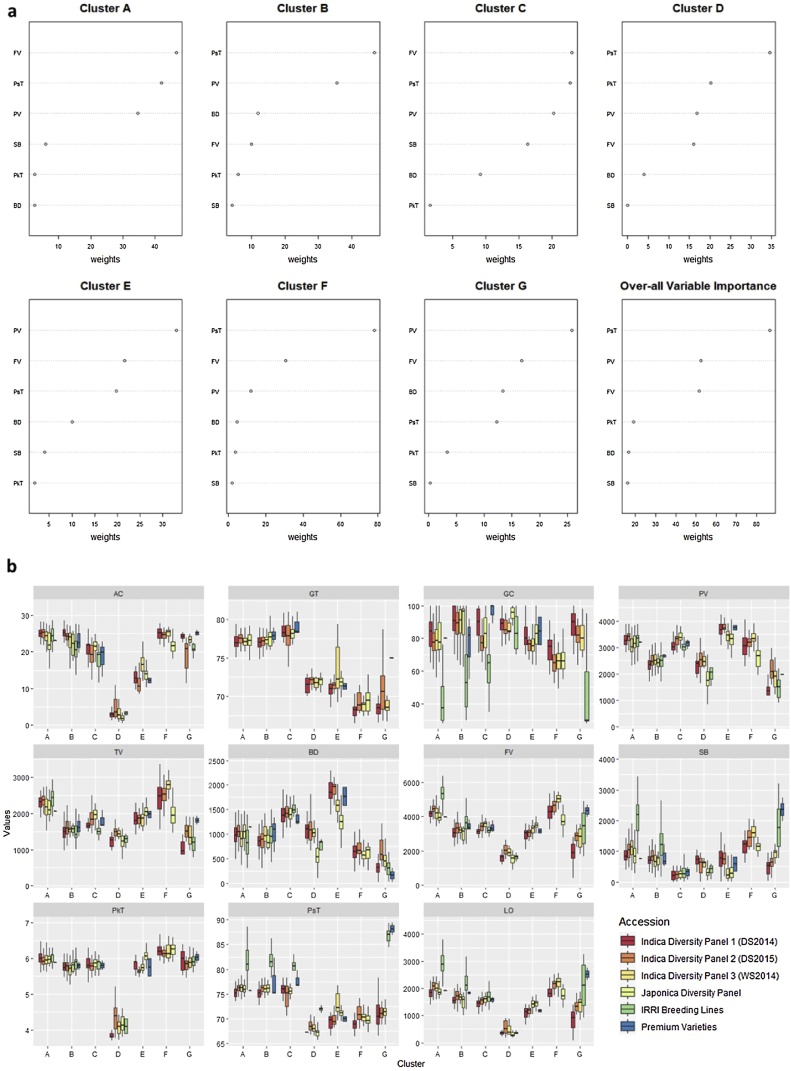
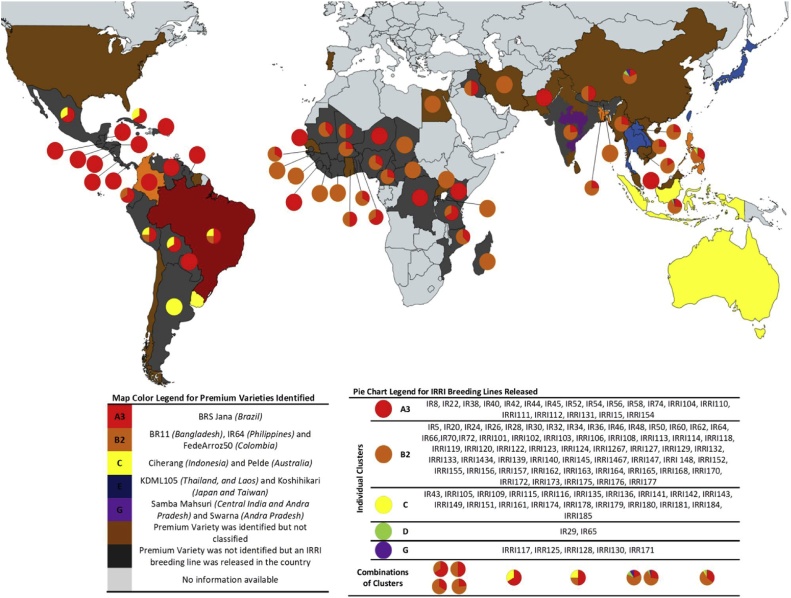
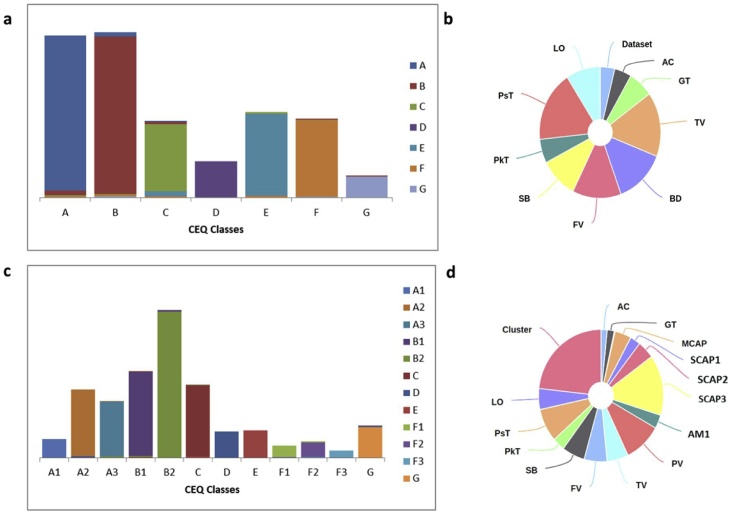
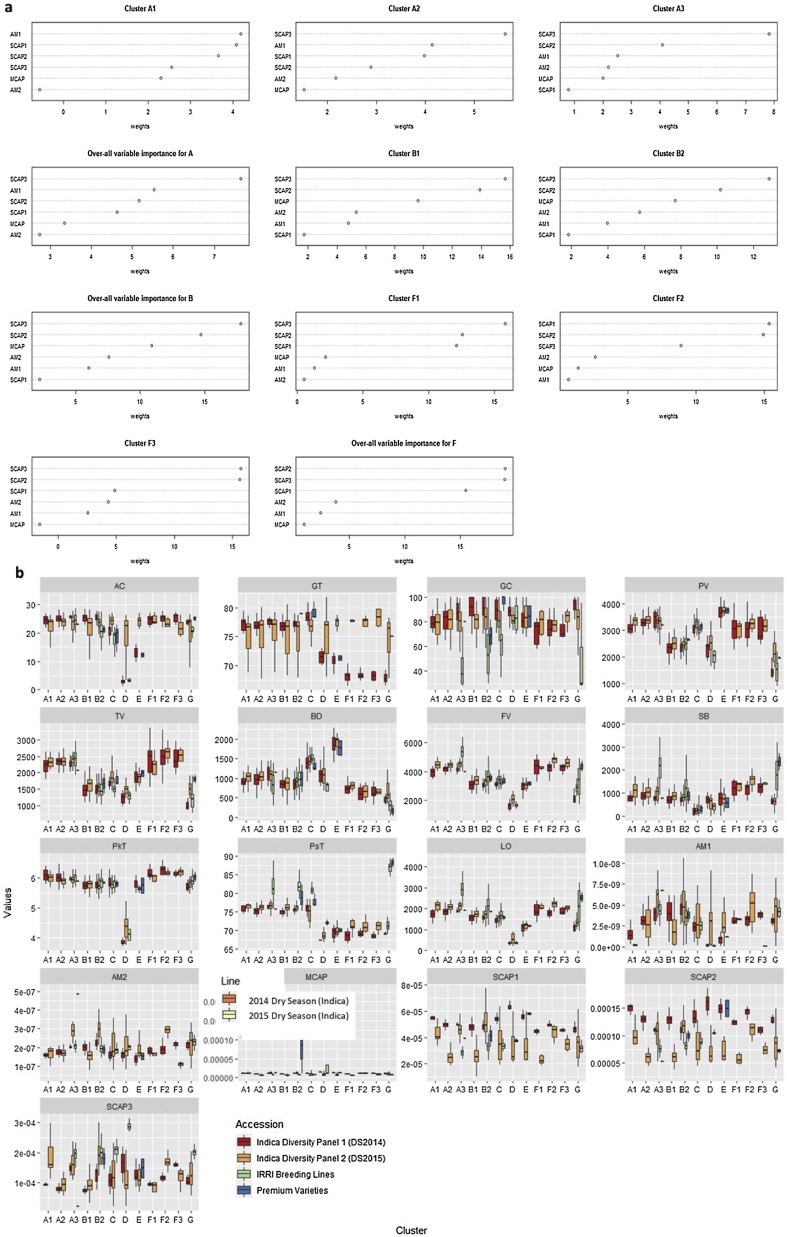
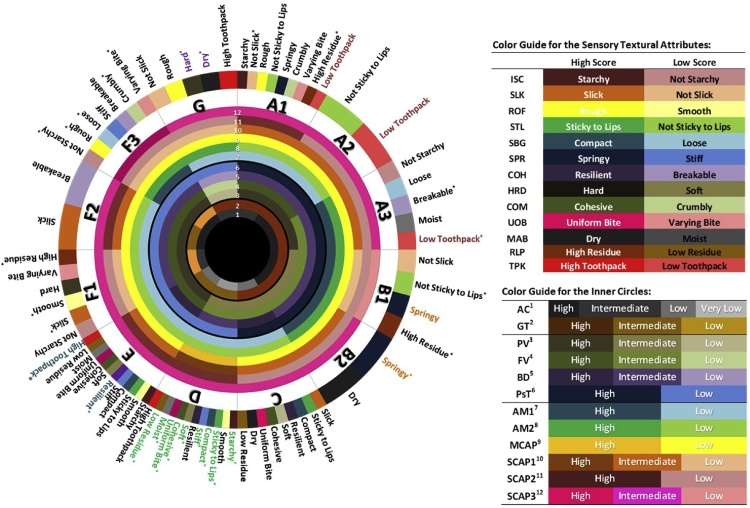
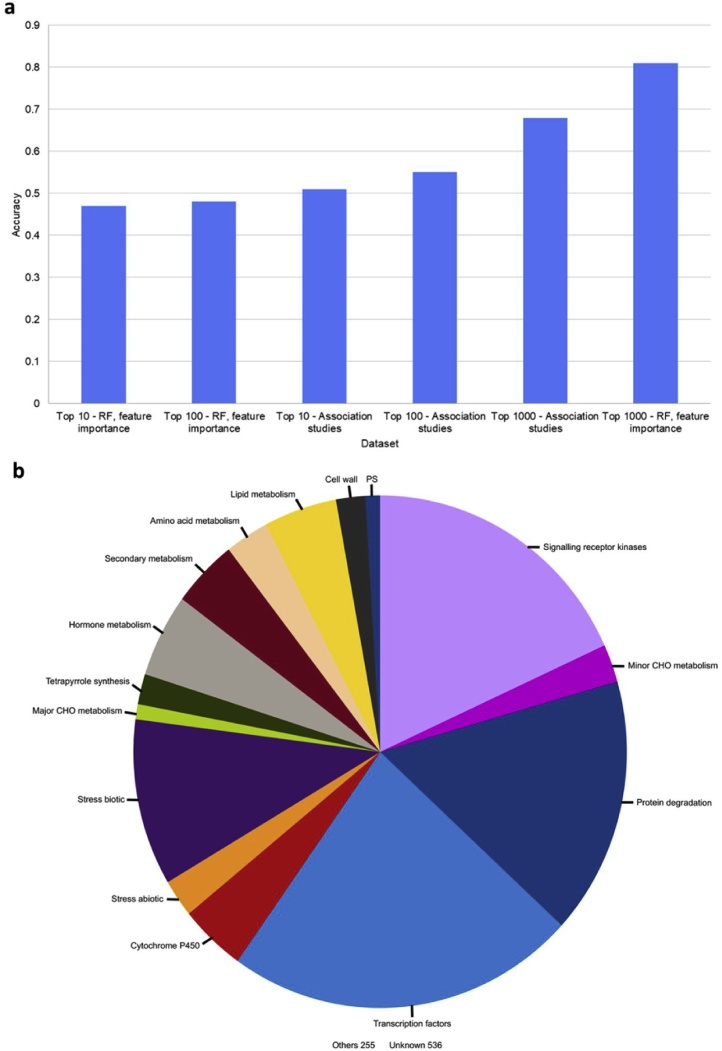
Acceptance of new rice genotypes demanded by rice value chain depends on premium value of varieties that match consumer demands of regional preferences. High throughput prediction tools are not available to breeders to classify cooking and eating quality (CEQ) ideotypes and to capture texture of varieties. The pasting properties in combination with starch properties were used to develop two layered models in order to classify the rice varieties into twelve distinct CEQ ideotypes with unique sensory profiles. Classification models developed using random forest method depicted the overall accuracy of 96 %. These CEQ models were found to be robust to predict ideotypes in both Indica and Japonica diversity panels grown under dry and wet seasons and across the years. We conducted random forest modeling using 1.8 million high density SNPs and identified top 1000 SNP features which explained CEQ model classification with the accuracy of 0.81. Furthermore these CEQ models were found to be valuable to predict textural preferences of IRRI breeding lines released during 1960-2013 and mega varieties preferred in South and South East Asia.
稻米价值链所要求的新型水稻品种的接受程度取决于符合地区消费偏好的品种的溢价。目前,育种家还没有高通量的预测工具来对烹饪和食用品质(CEQ)理想型进行分类,并捕捉品种的质地。过去,结合淀粉特性,使用糊化特性来开发两层模型,以便将稻米品种分为具有独特感官特征的 12 种不同的 CEQ 理想型。使用随机森林方法开发的分类模型总体准确率为 96%。研究发现,这些 CEQ 模型在干湿季节和多年种植的籼稻和粳稻多样性群体中都具有很好的预测理想型的稳健性。研究使用 180 万个高密度 SNP 进行随机森林建模,并确定了前 1000 个 SNP 特征,这些 SNP 特征可以准确地解释 0.81 的 CEQ 模型分类。此外,研究还发现这些 CEQ 模型可以很好地预测 1960 年至 2013 年期间国际水稻研究所(IRRI)育成品种的质地偏好,以及在南亚和东南亚受欢迎的特大品种。