Yao Fang, Zhang Kaoyuan, Feng Chengyun, Gao Yan, Shen Liming, Liu Xukun, Ni Jiazuan
College of Life Science and Oceanography, Shenzhen University, Shenzhen, China.
Department of Dermatology, Peking University Shenzhen Hospital, Shenzhen, China.
Front Psychiatry. 2021 Feb 25;12:554621. doi: 10.3389/fpsyt.2021.554621. eCollection 2021.
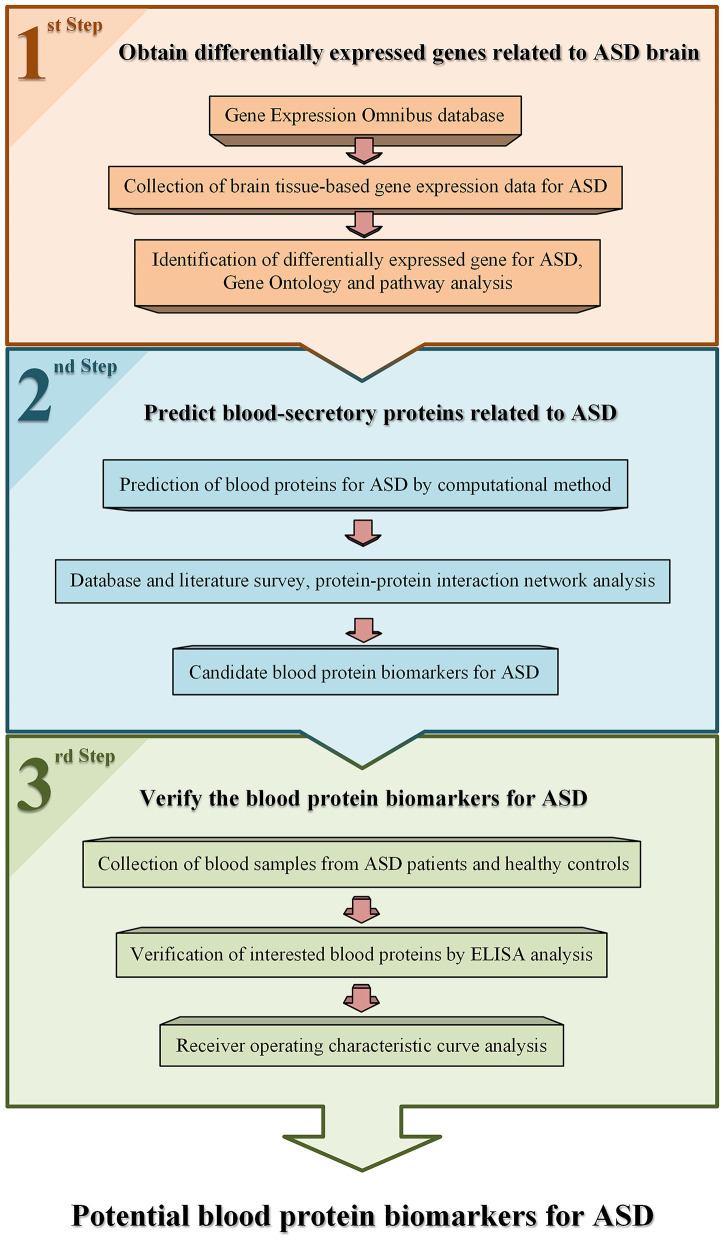
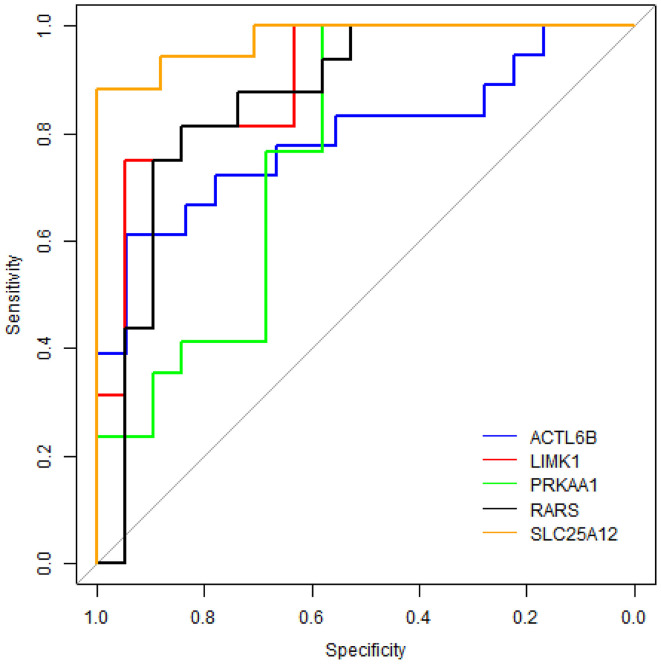
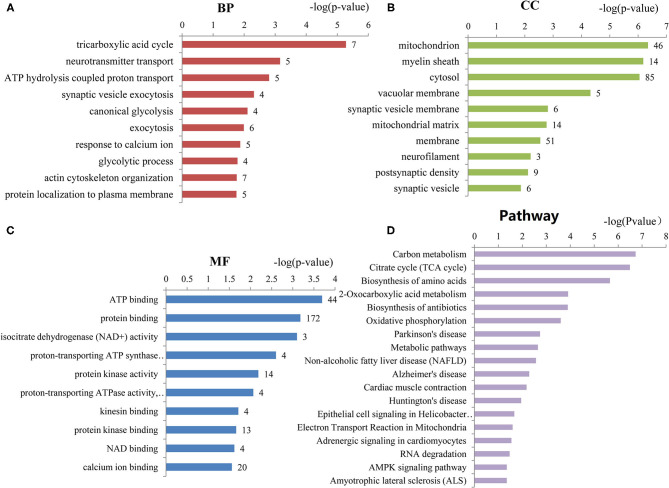
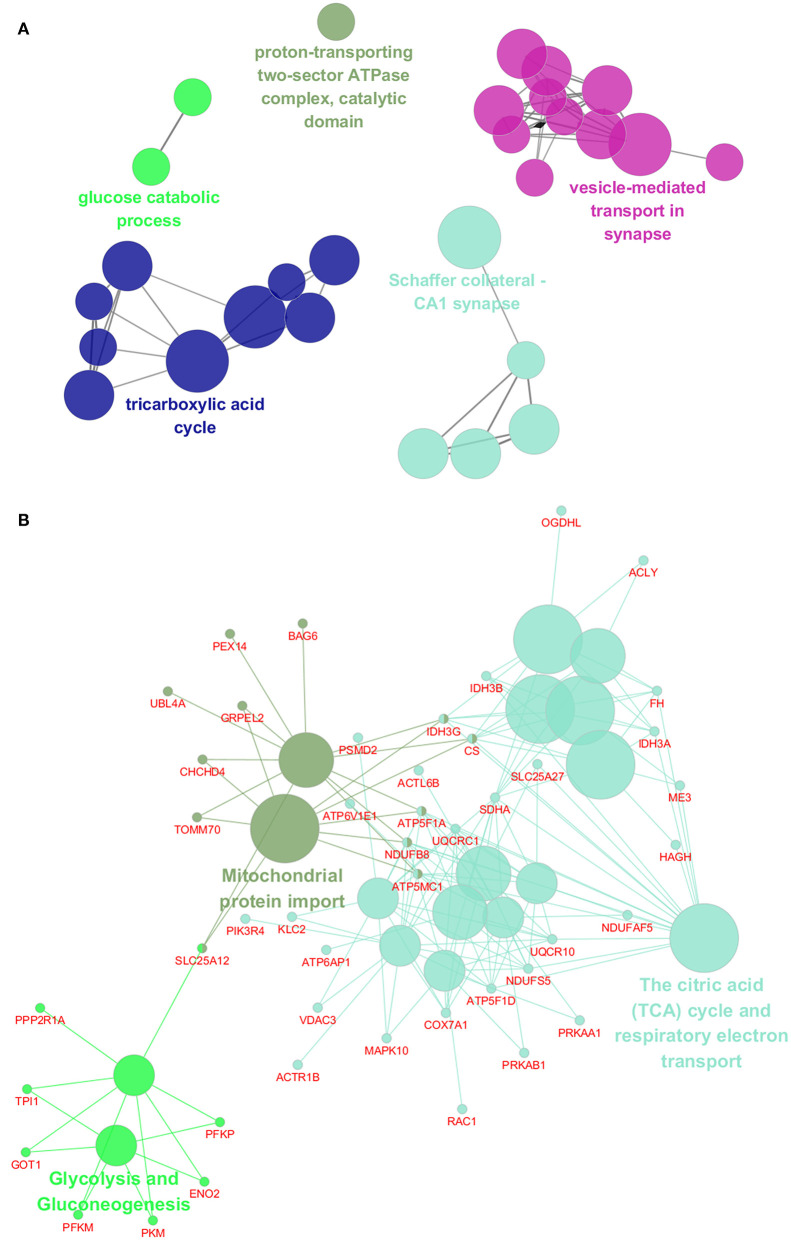
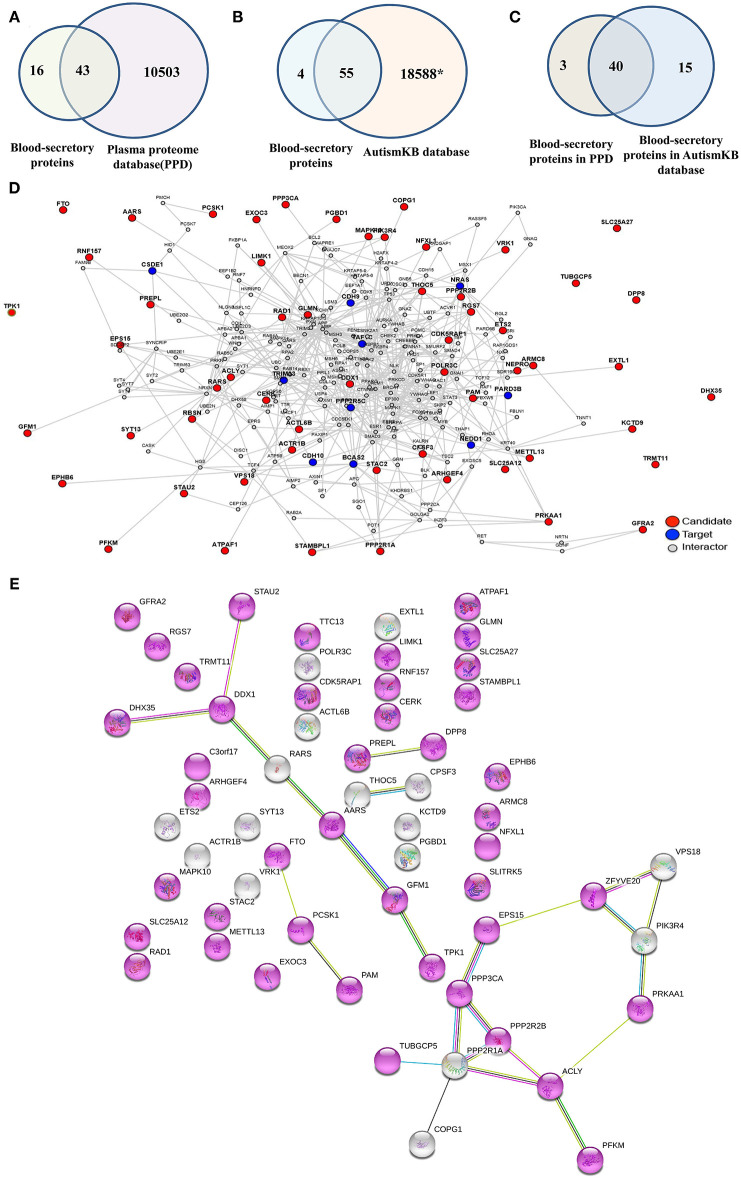
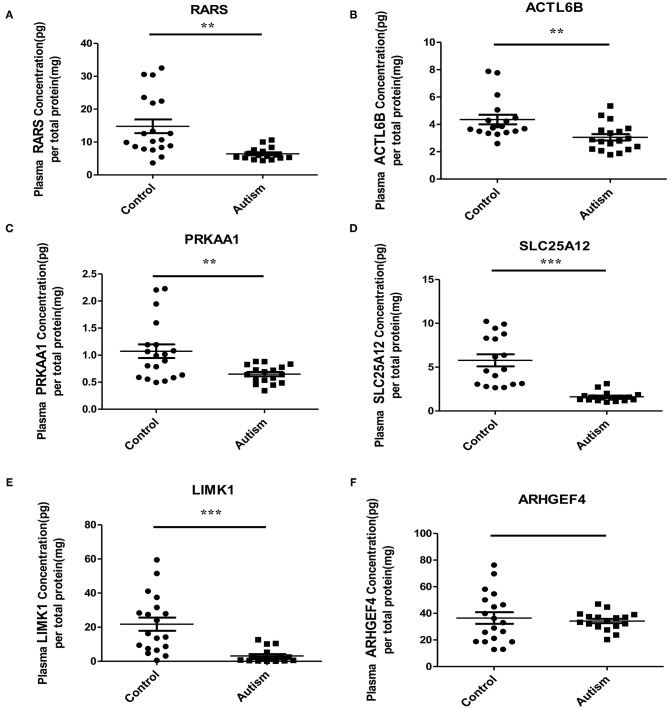
Autism spectrum disorder (ASD) is a complex neurodevelopmental disorder that affects millions of people worldwide. However, there are currently no reliable biomarkers for ASD diagnosis. The strategy of computational prediction combined with experimental verification was used to identify blood protein biomarkers for ASD. First, brain tissue-based transcriptome data of ASD were collected from Gene Expression Omnibus database and analyzed to find ASD-related genes by bioinformatics method of significance analysis of microarrays. Then, a prediction program of blood-secretory proteins was applied on these genes to predict ASD-related proteins in blood. Furthermore, ELISA was used to verify these proteins in plasma samples of ASD patients. A total of 364 genes were identified differentially expressed in brain tissue of ASD, among which 59 genes were predicted to encode ASD-related blood-secretory proteins. After functional analysis and literature survey, six proteins were chosen for experimental verification and five were successfully validated. Receiver operating characteristic curve analyses showed that the area under the curve of SLC25A12, LIMK1, and RARS was larger than 0.85, indicating that they are more powerful in discriminating ASD cases from controls. SLC25A12, LIMK1, and RARS might serve as new potential blood protein biomarkers for ASD. Our findings provide new insights into the pathogenesis and diagnosis of ASD.
自闭症谱系障碍(ASD)是一种复杂的神经发育障碍,影响着全球数百万人。然而,目前尚无用于ASD诊断的可靠生物标志物。采用计算预测与实验验证相结合的策略来鉴定ASD的血液蛋白质生物标志物。首先,从基因表达综合数据库收集基于脑组织的ASD转录组数据,并通过微阵列显著性分析的生物信息学方法进行分析,以找到与ASD相关的基因。然后,将血液分泌蛋白预测程序应用于这些基因,以预测血液中与ASD相关的蛋白质。此外,使用酶联免疫吸附测定法(ELISA)在ASD患者的血浆样本中验证这些蛋白质。共鉴定出364个在ASD脑组织中差异表达的基因,其中有59个基因被预测编码与ASD相关的血液分泌蛋白。经过功能分析和文献调研,选择了6种蛋白质进行实验验证,其中5种得到成功验证。受试者工作特征曲线分析表明,溶质载体家族25成员12(SLC25A12)、丝氨酸/苏氨酸激酶1(LIMK1)和氨酰-tRNA合成酶(RARS)的曲线下面积大于0.85,表明它们在区分ASD病例与对照方面更具效力。SLC25A12、LIMK1和RARS可能作为ASD新的潜在血液蛋白质生物标志物。我们的研究结果为ASD的发病机制和诊断提供了新的见解。