The Vision Center, Children's Hospital Los Angeles, Los Angeles, California, USA.
USC Roski Eye Institute, Keck School of Medicine of the University of Southern California, Los Angeles, California, USA.
Br J Ophthalmol. 2022 Aug;106(8):1157-1163. doi: 10.1136/bjophthalmol-2020-318385. Epub 2021 Mar 15.
BACKGROUND/AIMS: To assess the accuracy of real-time telemedicine to diagnose and manage paediatric eye conditions.
Prospective, non-inferiority study analysing agreement in diagnoses and management plans between telemedicine and in-person examinations. Paediatric ophthalmology clinic. Children 0-17 years, English-speaking or Spanish-speaking, able to participate in age-appropriate manner, either previously seen by the optometrist and required ophthalmology referral or newly referred from outside source. Paediatric optometrist conducted examinations using digital equipment and streamed live to a paediatric ophthalmologist who recorded diagnoses and management plans, then re-examined patients in-person. Subjects were masked to the fact they would see the ophthalmologist in-person, same-day. Discrepancy in management plan or diagnosis between telemedicine and in-person examinations. Non-inferiority threshold was <1.5% for management plan or <15% for diagnosis discrepancies.
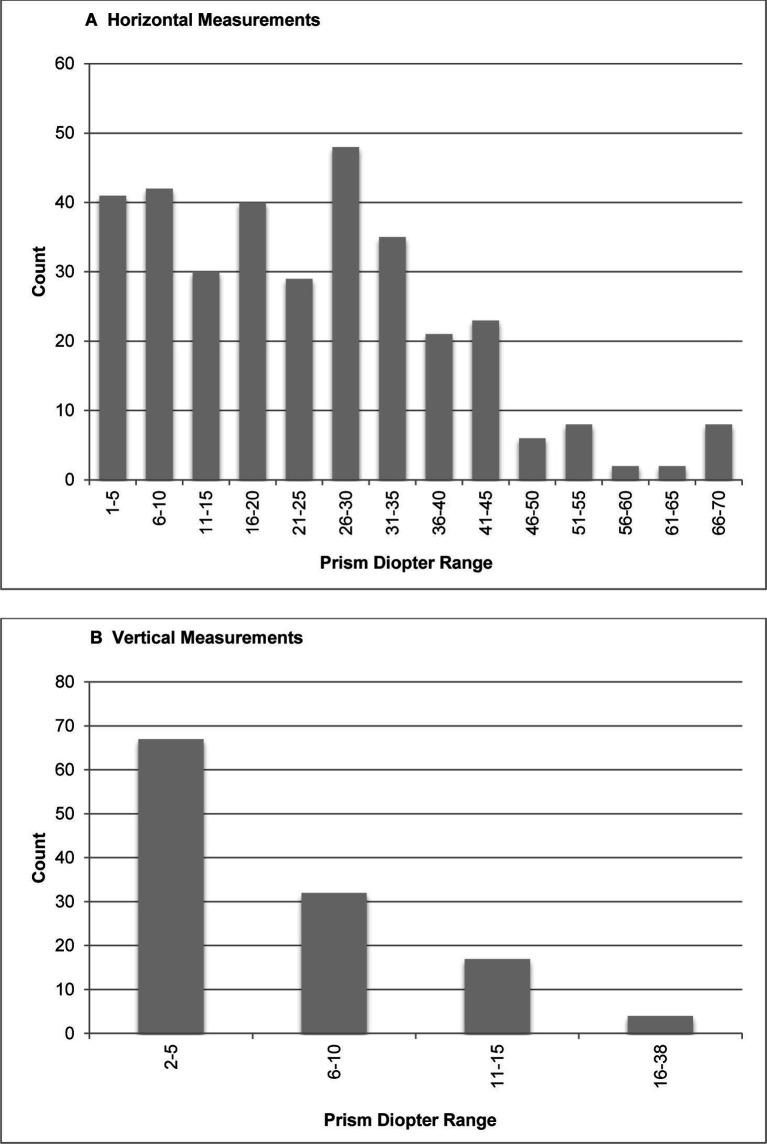
210 patients participated in 348 examinations. 131 (62.4%) had strabismus as primary diagnosis. In these patients, excellent and almost perfect agreement was observed for angle measurements (intraclass correlation coefficients=0.98-1.00) and disease categorisation (kappa=0.94-1.00) (p<0.0001 in all cases). No primary diagnoses changed, and no management plans changed following in-person examination. 54/55 patients who consented for surgery at the initial visit did so while masked to receiving an in-person examination. Families felt comfortable with the quality of the telemedicine examination (98.5%) and would participate in another in the future (97.1%).
Paediatric ophthalmic conditions can be reliably diagnosed and managed via telemedicine. Access for underserved populations may be improved by collaboration between ophthalmologists and optometrists using this technology.
背景/目的:评估实时远程医疗诊断和管理儿科眼部疾病的准确性。
前瞻性、非劣效性研究,分析远程医疗和面对面检查在诊断和管理计划方面的一致性。儿科眼科诊所。0-17 岁的儿童,英语或西班牙语,能够以适合年龄的方式参与,要么是之前由验光师检查并需要眼科转诊,要么是从外部来源新转诊。儿科验光师使用数字设备进行检查,并实时传输给儿科眼科医生,后者记录诊断和管理计划,然后亲自重新检查患者。患者对他们将在当天见到眼科医生这一事实不知情。远程医疗和面对面检查之间的管理计划或诊断差异。管理计划的非劣效性阈值为<1.5%,诊断差异的非劣效性阈值为<15%。
210 名患者参与了 348 次检查。131 名(62.4%)患者的主要诊断为斜视。在这些患者中,角度测量(组内相关系数=0.98-1.00)和疾病分类(kappa=0.94-1.00)观察到极好和几乎完美的一致性(所有情况下 p<0.0001)。没有改变主要诊断,也没有改变面对面检查后的管理计划。在初次就诊时同意手术的 54/55 名患者在对接受面对面检查不知情的情况下进行了手术。家长对远程医疗检查的质量感到满意(98.5%),并愿意在未来再次参与(97.1%)。
儿科眼部疾病可以通过远程医疗可靠地诊断和管理。通过眼科医生和验光师使用这项技术合作,可能会改善服务不足人群的就诊机会。