Le Dac-Nhuong, Parvathy Velmurugan Subbiah, Gupta Deepak, Khanna Ashish, Rodrigues Joel J P C, Shankar K
Institute of Research and Development, Duy Tan University, Danang, 550000 Vietnam.
Faculty of Information Technology, Duy Tan University, Danang, 550000 Vietnam.
Int J Mach Learn Cybern. 2021;12(11):3235-3248. doi: 10.1007/s13042-020-01248-7. Epub 2021 Jan 2.
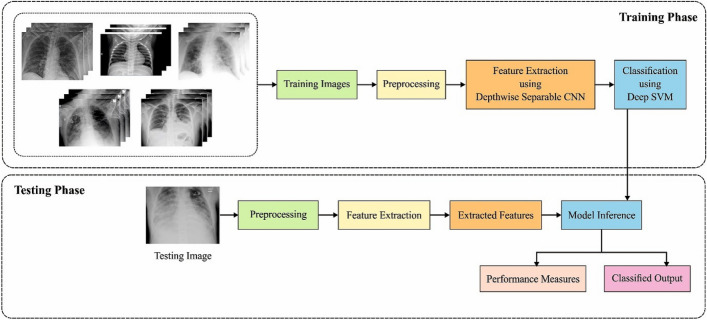
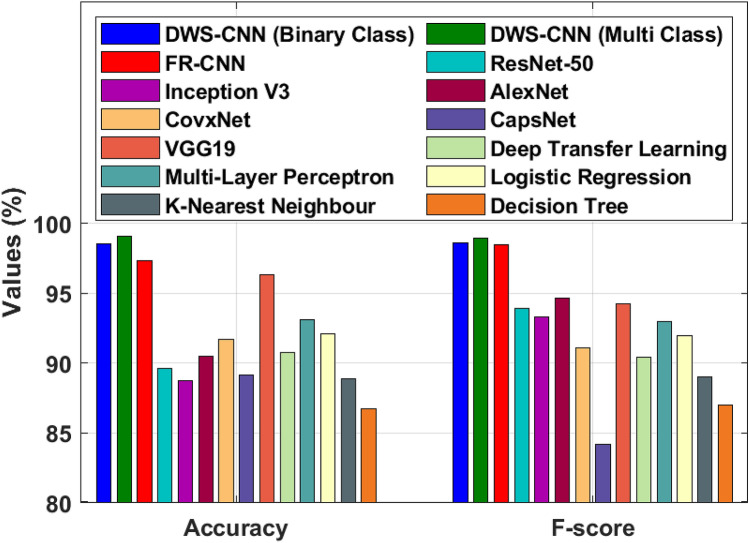
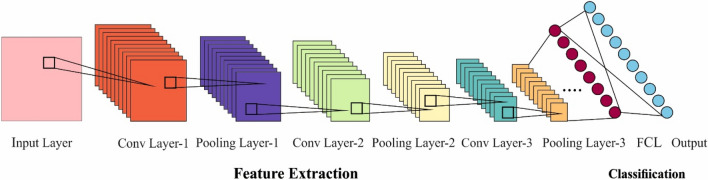
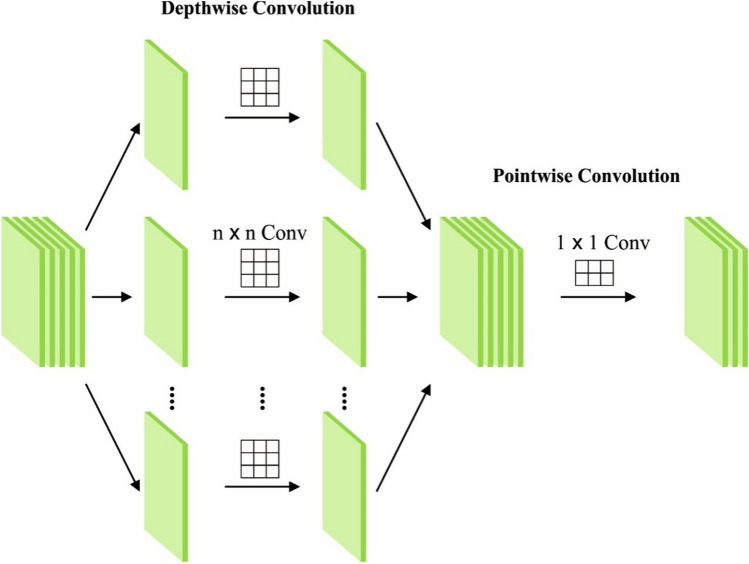
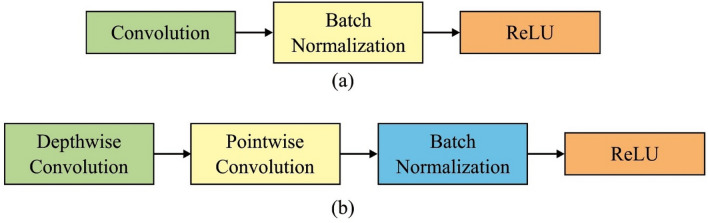
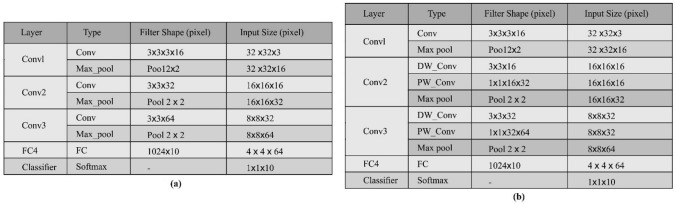
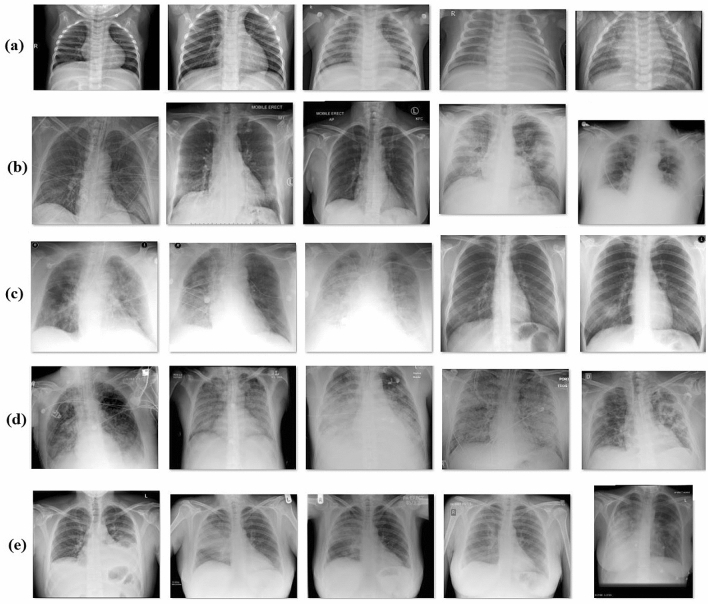
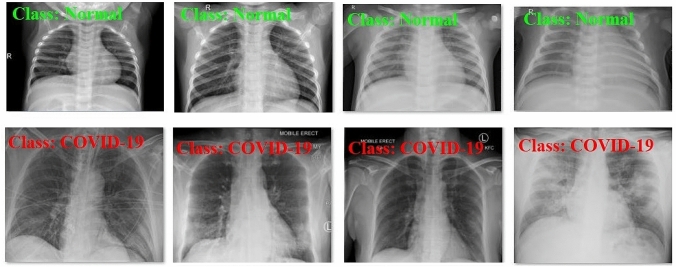
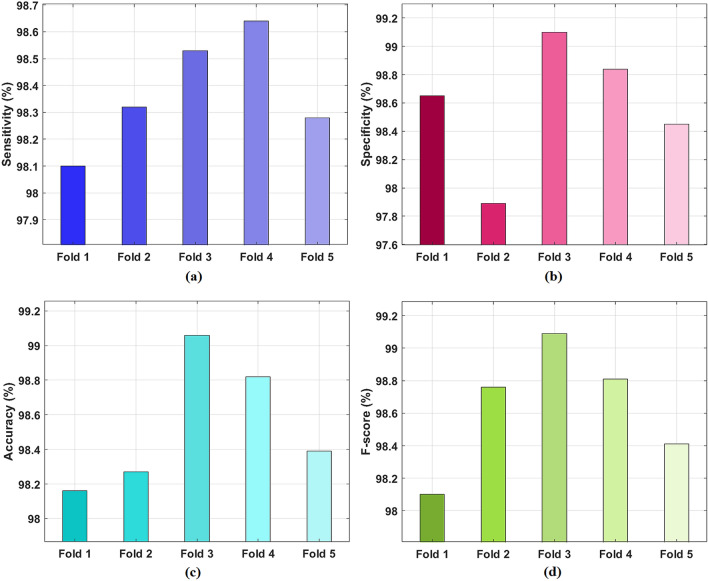
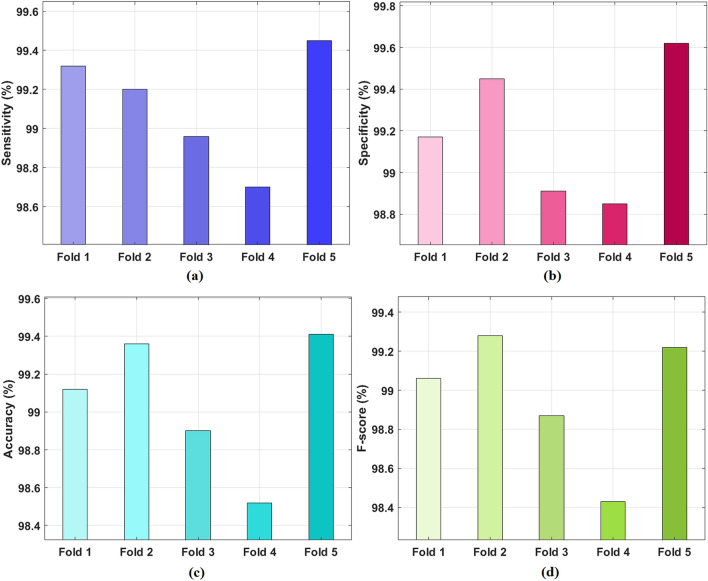
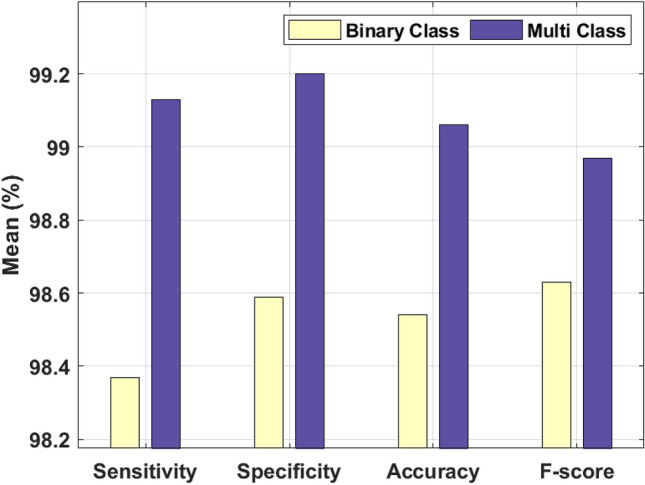
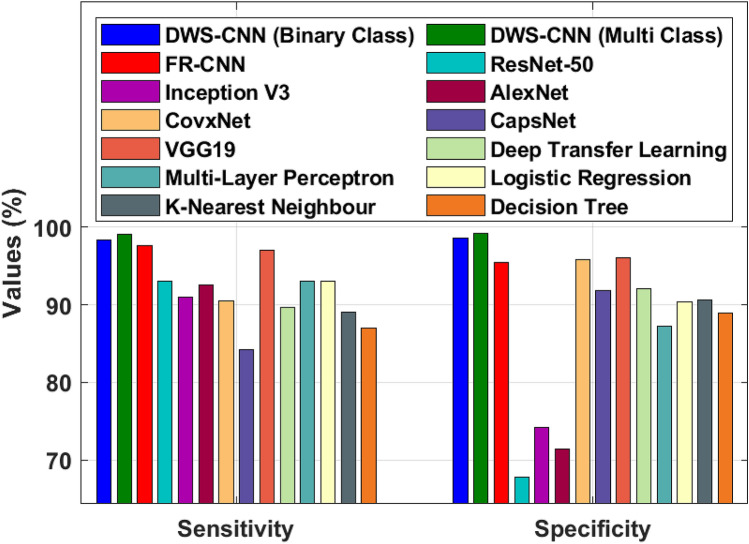
At present times, the drastic advancements in the 5G cellular and internet of things (IoT) technologies find useful in different applications of the healthcare sector. At the same time, COVID-19 is commonly spread from animals to persons, but today it is transmitting among persons by adapting the structure. It is a severe virus and inappropriately resulted in a global pandemic. Radiologists utilize X-ray or computed tomography (CT) images to diagnose COVID-19 disease. It is essential to identify and classify the disease through the use of image processing techniques. So, a new intelligent disease diagnosis model is in need to identify the COVID-19. In this view, this paper presents a novel IoT enabled Depthwise separable convolution neural network (DWS-CNN) with Deep support vector machine (DSVM) for COVID-19 diagnosis and classification. The proposed DWS-CNN model aims to detect both binary and multiple classes of COVID-19 by incorporating a set of processes namely data acquisition, Gaussian filtering (GF) based preprocessing, feature extraction, and classification. Initially, patient data will be collected in the data acquisition stage using IoT devices and sent to the cloud server. Besides, the GF technique is applied to remove the existence of noise that exists in the image. Then, the DWS-CNN model is employed for replacing default convolution for automatic feature extraction. Finally, the DSVM model is applied to determine the binary and multiple class labels of COVID-19. The diagnostic outcome of the DWS-CNN model is tested against Chest X-ray (CXR) image dataset and the results are investigated interms of distinct performance measures. The experimental results ensured the superior results of the DWS-CNN model by attaining maximum classification performance with the accuracy of 98.54% and 99.06% on binary and multiclass respectively.
目前,5G 蜂窝和物联网(IoT)技术的飞速发展在医疗保健领域的不同应用中发挥了作用。与此同时,新冠病毒(COVID-19)通常从动物传播给人类,但如今它通过结构适应在人与人之间传播。它是一种严重的病毒,不适当地引发了全球大流行。放射科医生利用 X 光或计算机断层扫描(CT)图像来诊断 COVID-19 疾病。通过使用图像处理技术来识别和分类该疾病至关重要。因此,需要一种新的智能疾病诊断模型来识别 COVID-19。鉴于此,本文提出了一种新颖的基于物联网的深度可分离卷积神经网络(DWS-CNN)与深度支持向量机(DSVM)相结合的方法,用于 COVID-19 的诊断和分类。所提出的 DWS-CNN 模型旨在通过纳入一组过程,即数据采集、基于高斯滤波(GF)的预处理、特征提取和分类,来检测 COVID-19 的二元和多类别。最初,在数据采集阶段使用物联网设备收集患者数据并发送到云服务器。此外,应用 GF 技术去除图像中存在的噪声。然后,采用 DWS-CNN 模型替代默认卷积进行自动特征提取。最后,应用 DSVM 模型确定 COVID-19 的二元和多类别标签。针对胸部 X 光(CXR)图像数据集测试 DWS-CNN 模型的诊断结果,并根据不同的性能指标对结果进行研究。实验结果通过在二元和多类别上分别达到 98.54%和 99.06%的准确率,实现了最大分类性能,确保了 DWS-CNN 模型的卓越结果。