Department of Physiology and Biophysics, University of Mississippi Medical Center, Jackson, MS, U.S.A.
Clin Sci (Lond). 2021 Mar 26;135(6):731-752. doi: 10.1042/CS20200895.
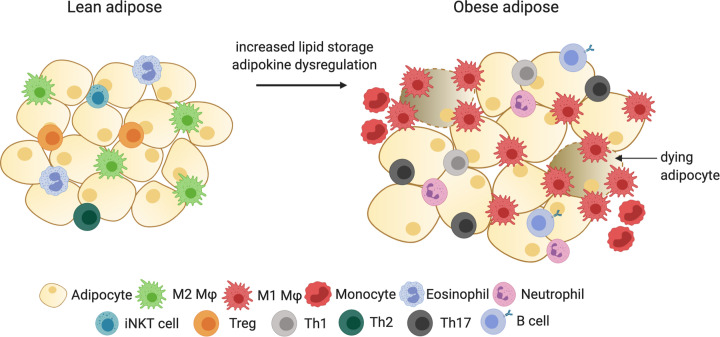
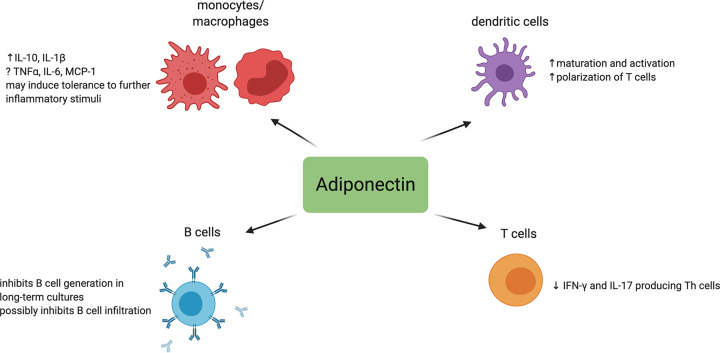
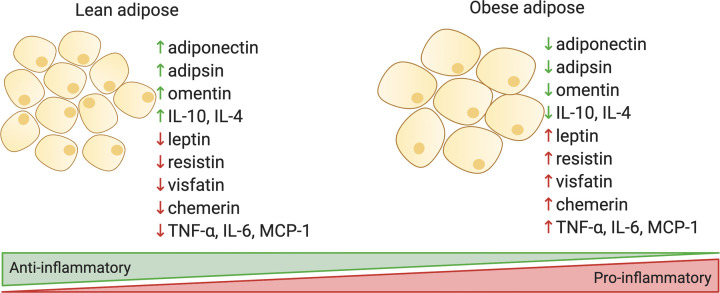
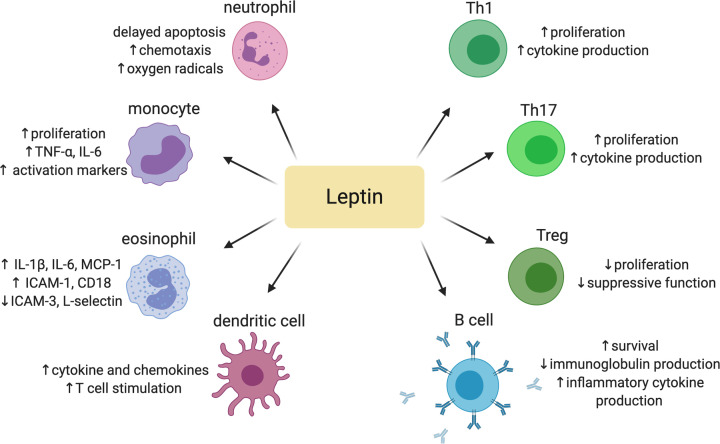
The global obesity epidemic is a major contributor to chronic disease and disability in the world today. Since the discovery of leptin in 1994, a multitude of studies have characterized the pathological changes that occur within adipose tissue in the obese state. One significant change is the dysregulation of adipokine production. Adipokines are an indispensable link between metabolism and optimal immune system function; however, their dysregulation in obesity contributes to chronic low-grade inflammation and disease pathology. Herein, I will highlight current knowledge on adipokine structure and physiological function, and focus on the known roles of these factors in the modulation of the immune response. I will also discuss adipokines in rheumatic and autoimmune diseases.
全球肥胖症的流行是当今世界慢性病和残疾的主要成因。自 1994 年发现瘦素以来,大量研究已经描述了肥胖状态下脂肪组织中发生的病理变化。一个显著的变化是脂联素的失调。脂联素是代谢和最佳免疫系统功能之间不可或缺的联系;然而,它们在肥胖症中的失调导致慢性低度炎症和疾病病理学。在此,我将重点介绍有关脂联素结构和生理功能的最新知识,并关注这些因素在免疫反应调节中的已知作用。我还将讨论风湿和自身免疫性疾病中的脂联素。