Tan Jun, Zhu Hecheng, Tang Guihua, Liu Hongwei, Wanggou Siyi, Cao Yudong, Xin Zhaoqi, Zhou Quanwei, Zhan Chaohong, Wu Zhaoping, Guo Youwei, Jiang Zhipeng, Zhao Ming, Ren Caiping, Jiang Xingjun, Yin Wen
Department of Neurosurgery, Xiangya Hospital, Central South University, Changsha, China.
Changsha Kexin Cancer Hospital, Changsha, China.
Front Genet. 2021 Mar 1;12:616507. doi: 10.3389/fgene.2021.616507. eCollection 2021.
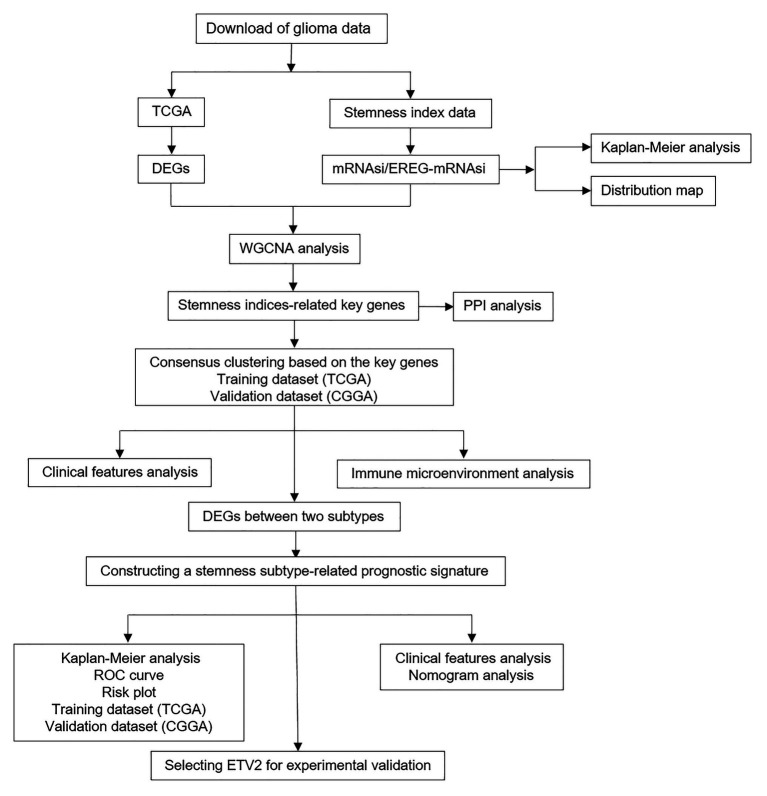
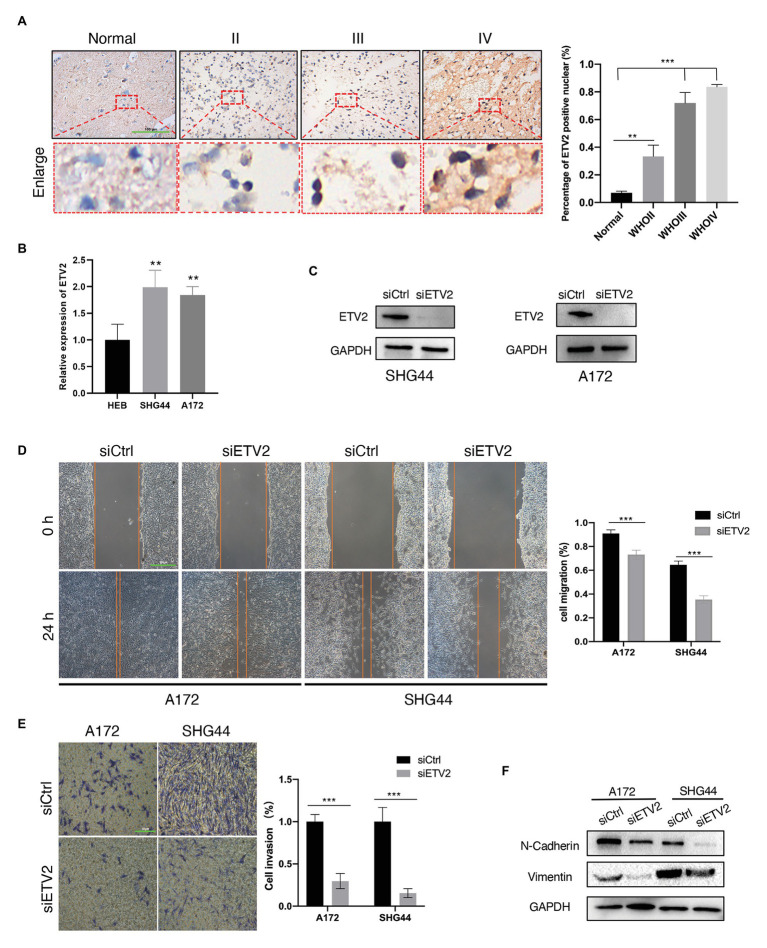
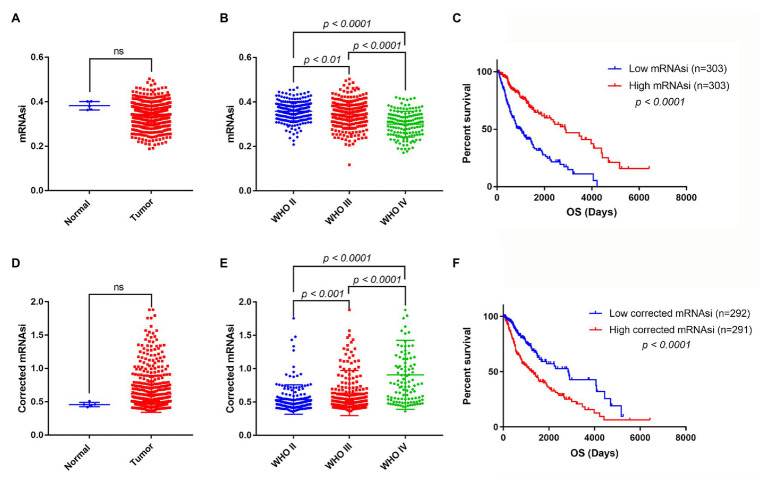
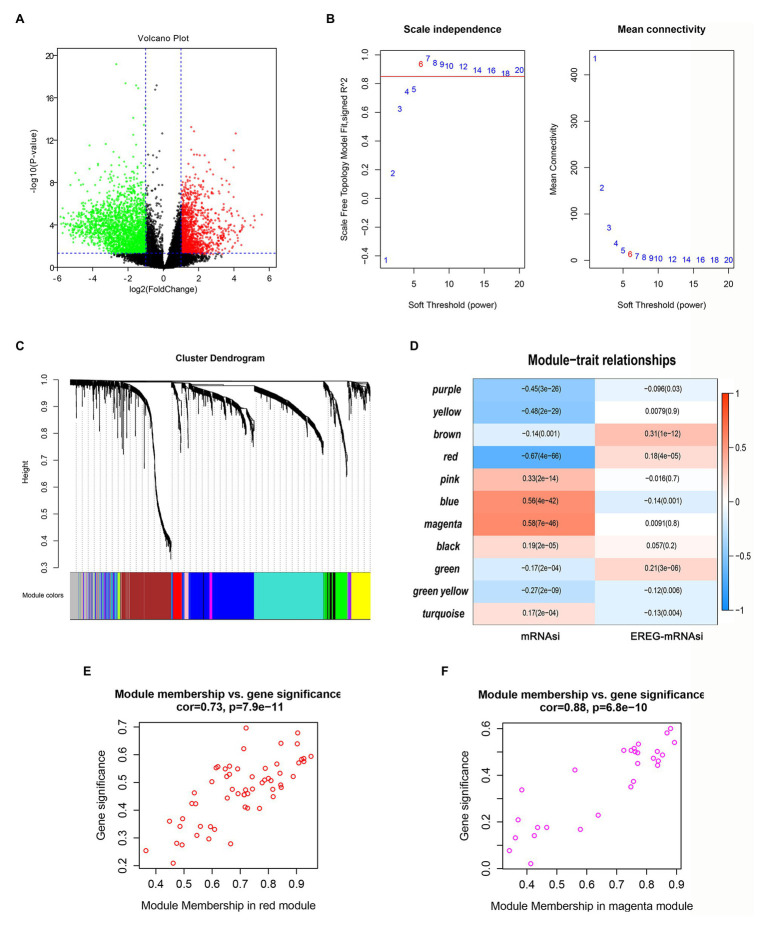
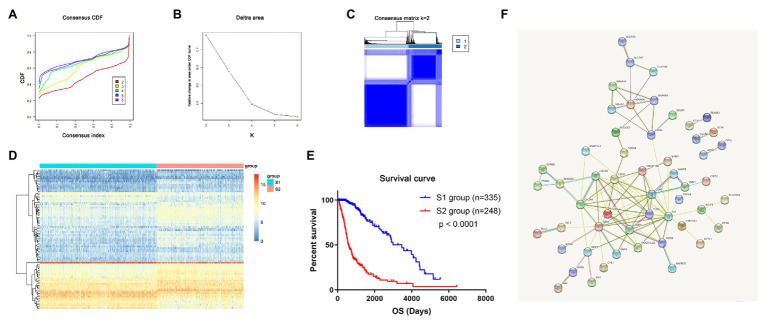
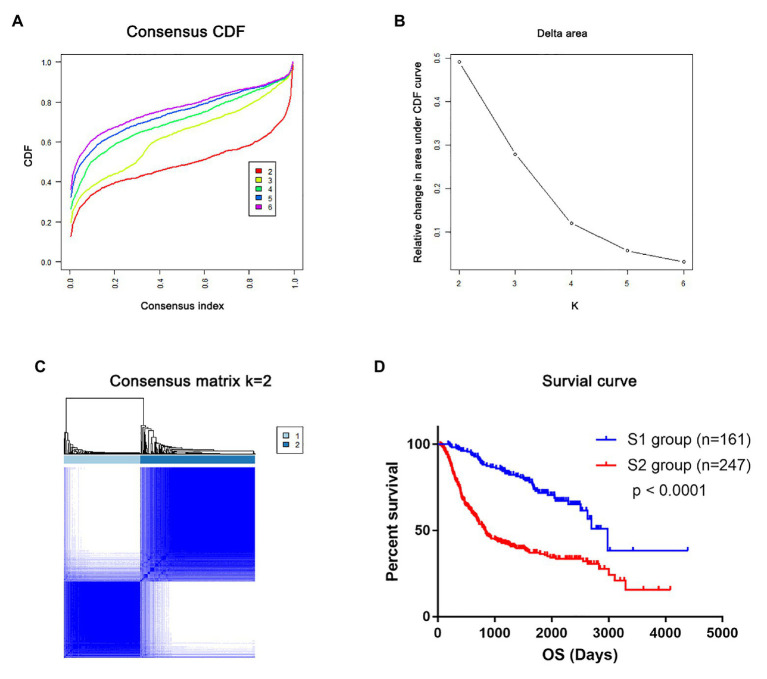
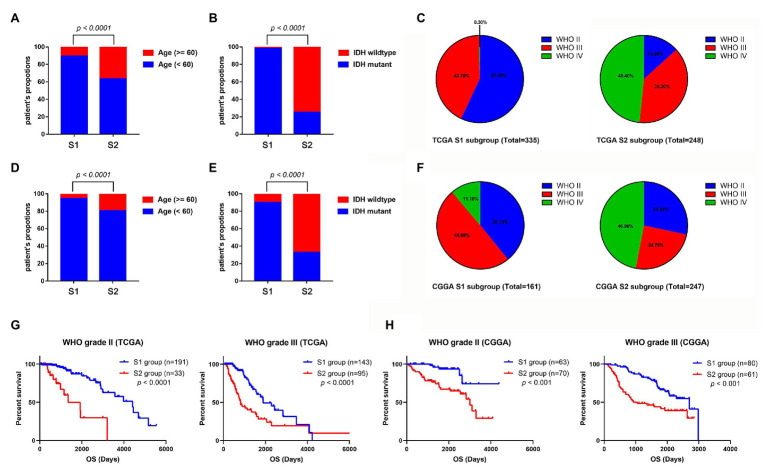
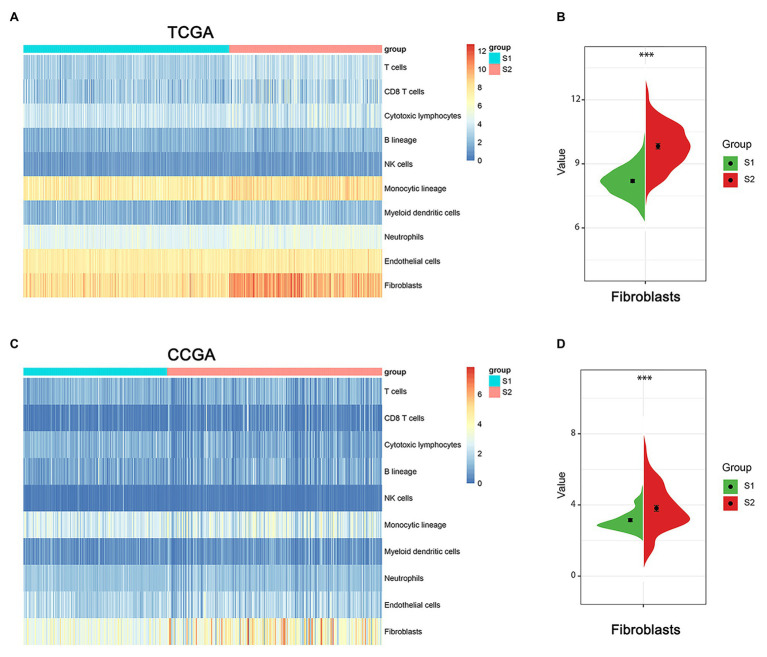
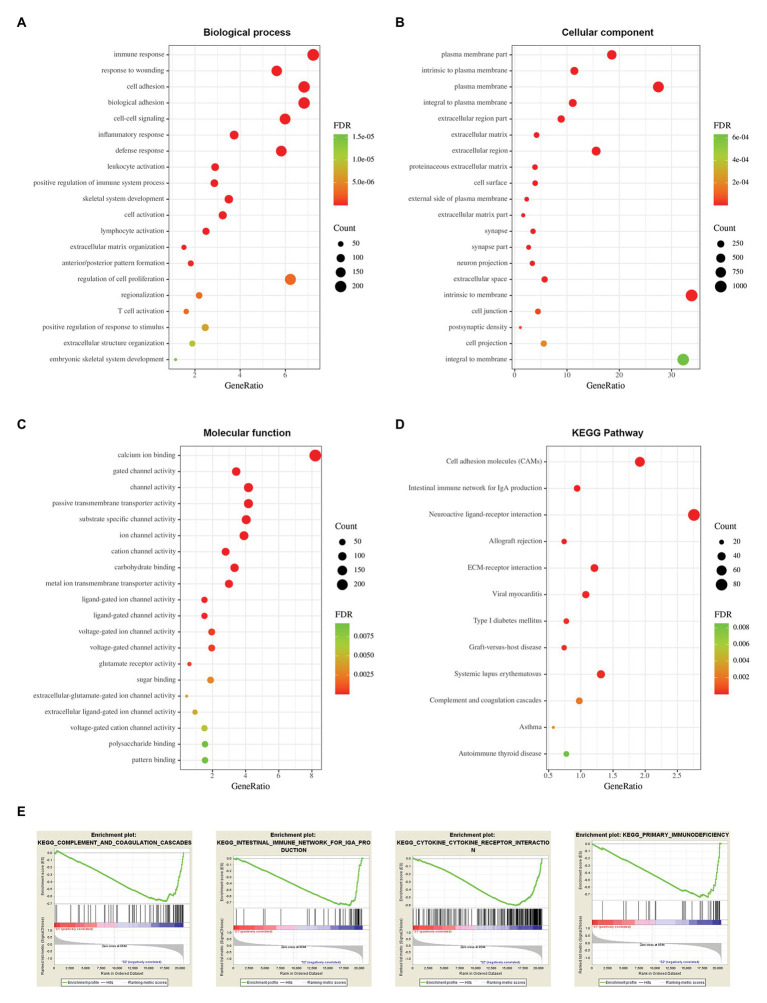
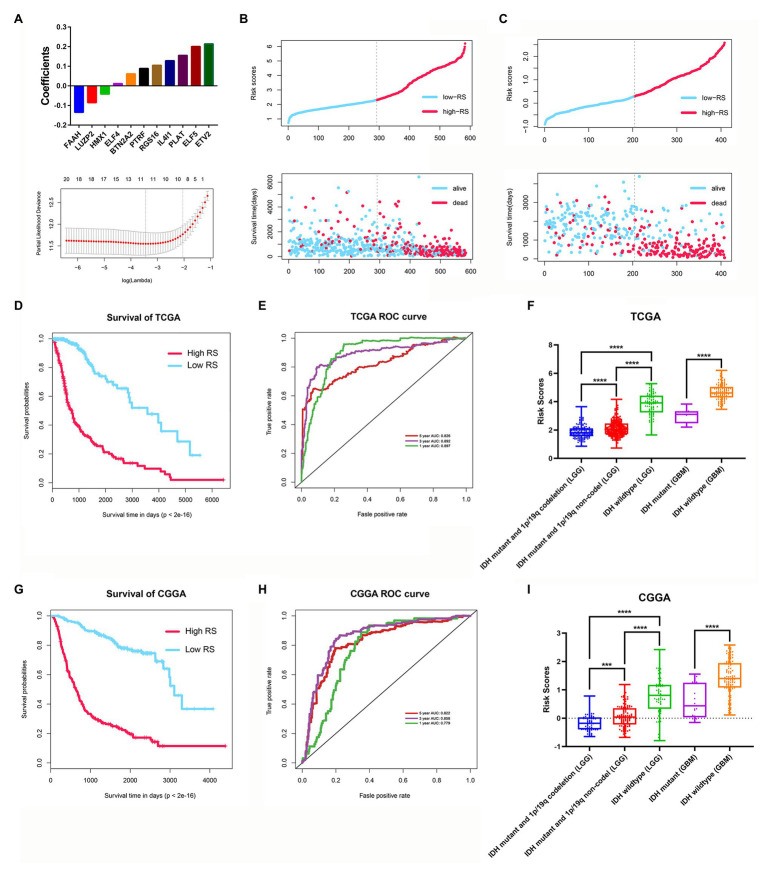
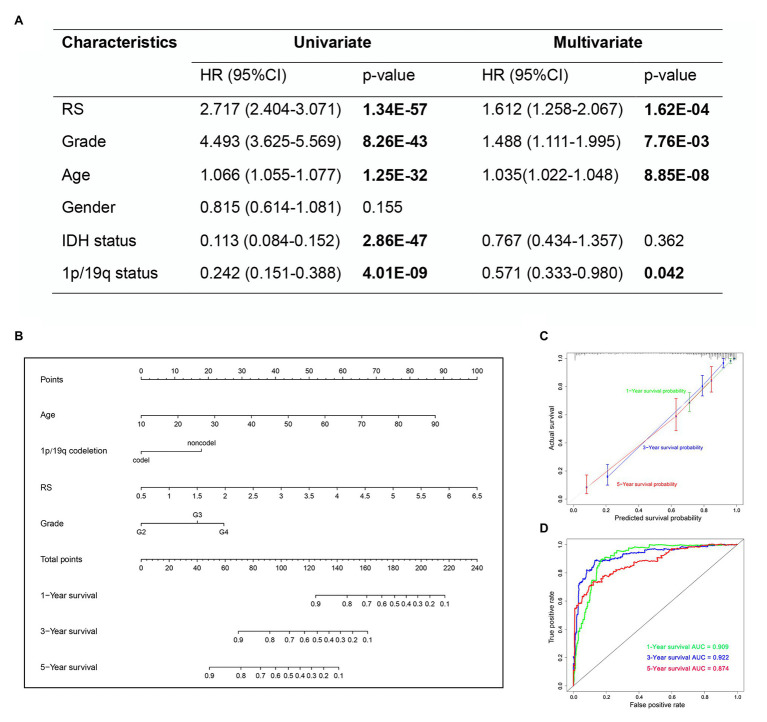
Glioma is the common histological subtype of malignancy in the central nervous system, with high morbidity and mortality. Glioma cancer stem cells (CSCs) play essential roles in tumor recurrence and treatment resistance. Thus, exploring the stem cell-related genes and subtypes in glioma is important. In this study, we collected the RNA-sequencing (RNA-seq) data and clinical information of glioma patients from The Cancer Genome Atlas (TCGA) and Chinese Glioma Genome Atlas (CGGA) databases. With the differentially expressed genes (DEGs) and weighted gene correlation network analysis (WGCNA), we identified 86 mRNA expression-based stemness index (mRNAsi)-related genes in 583 samples from TCGA RNA-seq dataset. Furthermore, these samples from TCGA database could be divided into two significantly different subtypes with different prognoses based on the mRNAsi corresponding gene, which could also be validated in the CGGA database. The clinical characteristics and immune cell infiltrate distribution of the two stemness subtypes are different. Then, functional enrichment analyses were performed to identify the different gene ontology (GO) terms and pathways in the two different subtypes. Moreover, we constructed a stemness subtype-related risk score model and nomogram to predict the prognosis of glioma patients. Finally, we selected one gene (ETV2) from the risk score model for experimental validation. The results showed that ETV2 can contribute to the invasion, migration, and epithelial-mesenchymal transition (EMT) process of glioma. In conclusion, we identified two distinct molecular subtypes and potential therapeutic targets of glioma, which could provide new insights for the development of precision diagnosis and prognostic prediction for glioma patients.
胶质瘤是中枢神经系统常见的恶性组织学亚型,发病率和死亡率都很高。胶质瘤癌干细胞(CSCs)在肿瘤复发和治疗抵抗中起着至关重要的作用。因此,探索胶质瘤中与干细胞相关的基因和亚型具有重要意义。在本研究中,我们从癌症基因组图谱(TCGA)和中国胶质瘤基因组图谱(CGGA)数据库收集了胶质瘤患者的RNA测序(RNA-seq)数据和临床信息。通过差异表达基因(DEGs)和加权基因共表达网络分析(WGCNA),我们在来自TCGA RNA-seq数据集的583个样本中鉴定出86个基于mRNA表达的干性指数(mRNAsi)相关基因。此外,基于mRNAsi相应基因,来自TCGA数据库的这些样本可分为两种具有不同预后的显著不同亚型,这在CGGA数据库中也得到了验证。两种干性亚型的临床特征和免疫细胞浸润分布不同。然后,进行功能富集分析以鉴定两种不同亚型中不同的基因本体(GO)术语和通路。此外,我们构建了一个与干性亚型相关的风险评分模型和列线图来预测胶质瘤患者的预后。最后,我们从风险评分模型中选择了一个基因(ETV2)进行实验验证。结果表明,ETV2可促进胶质瘤的侵袭、迁移和上皮-间质转化(EMT)过程。总之,我们鉴定出了胶质瘤的两种不同分子亚型和潜在治疗靶点,这可为胶质瘤患者的精准诊断和预后预测的发展提供新的见解。