Infectious Disease Epidemiology Group, Weill Cornell Medicine-Qatar, Cornell University, Qatar Foundation - Education City, P.O. Box 24144, Doha, Qatar.
World Health Organization Collaborating Centre for Disease Epidemiology Analytics On HIV/AIDS, Sexually Transmitted Infections, and Viral Hepatitis, Weill Cornell Medicine-Qatar, Cornell University, Qatar Foundation - Education City, Doha, Qatar.
Sci Rep. 2021 Mar 18;11(1):6233. doi: 10.1038/s41598-021-85428-7.
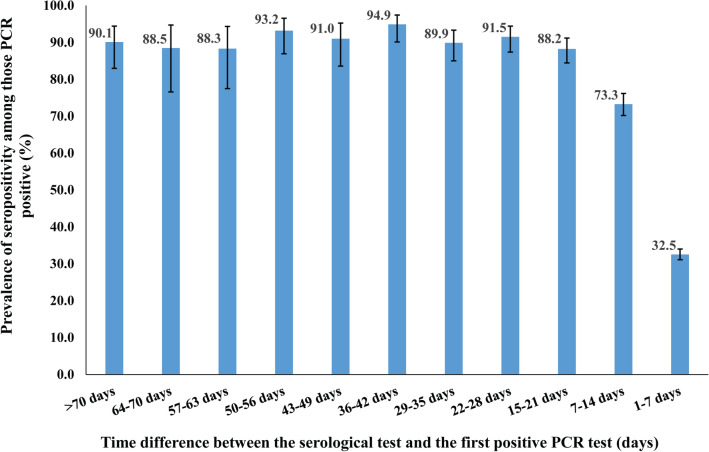
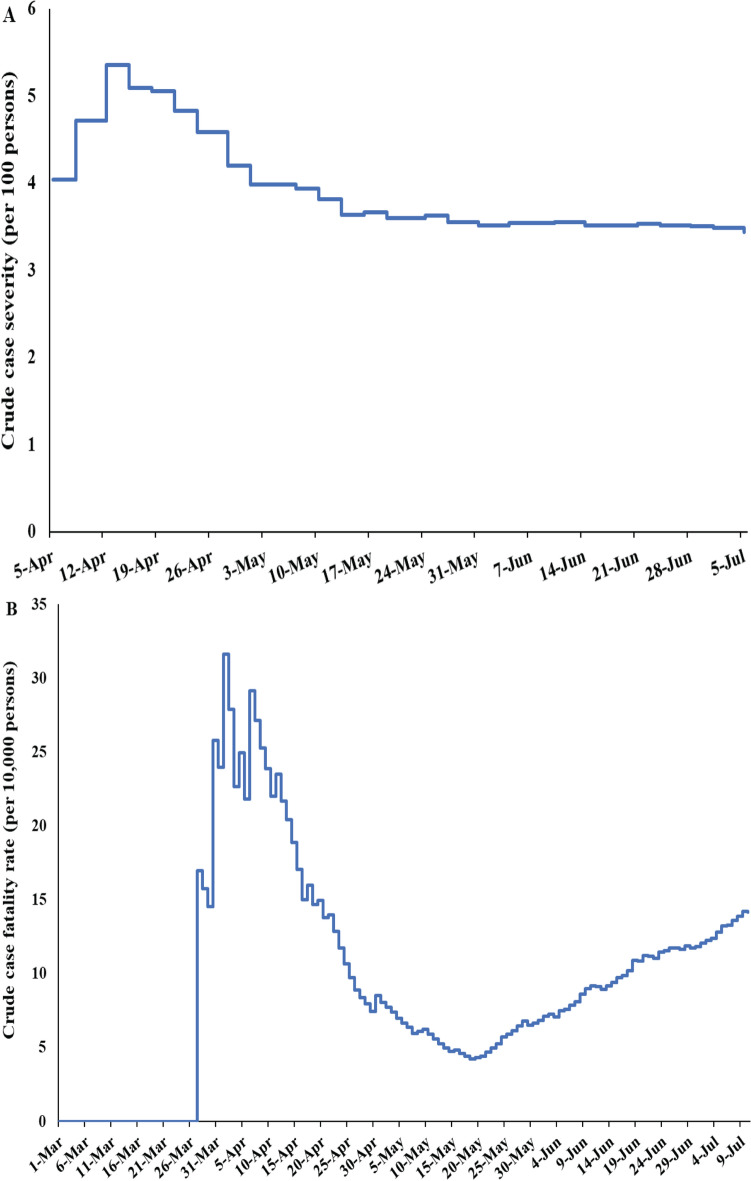
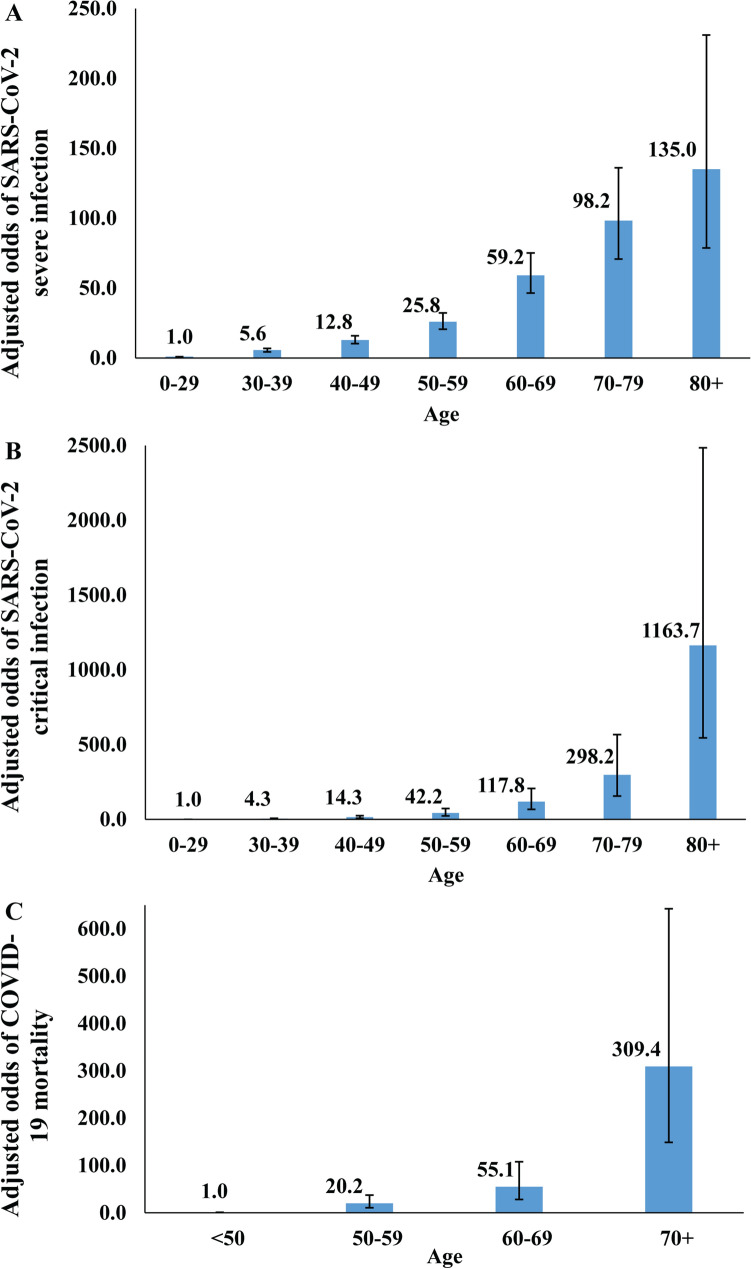
The overarching objective of this study was to provide the descriptive epidemiology of the severe acute respiratory syndrome coronavirus 2 (SARS-CoV-2) epidemic in Qatar by addressing specific research questions through a series of national epidemiologic studies. Sources of data were the centralized and standardized national databases for SARS-CoV-2 infection. By July 10, 2020, 397,577 individuals had been tested for SARS-CoV-2 using polymerase-chain-reaction (PCR), of whom 110,986 were positive, a positivity cumulative rate of 27.9% (95% CI 27.8-28.1%). As of July 5, case severity rate, based on World Health Organization (WHO) severity classification, was 3.4% and case fatality rate was 1.4 per 1,000 persons. Age was by far the strongest predictor of severe, critical, or fatal infection. PCR positivity of nasopharyngeal/oropharyngeal swabs in a national community survey (May 6-7) including 1,307 participants was 14.9% (95% CI 11.5-19.0%); 58.5% of those testing positive were asymptomatic. Across 448 ad-hoc testing campaigns in workplaces and residential areas including 26,715 individuals, pooled mean PCR positivity was 15.6% (95% CI 13.7-17.7%). SARS-CoV-2 antibody prevalence was 24.0% (95% CI 23.3-24.6%) in 32,970 residual clinical blood specimens. Antibody prevalence was only 47.3% (95% CI 46.2-48.5%) in those who had at least one PCR positive result, but 91.3% (95% CI 89.5-92.9%) among those who were PCR positive > 3 weeks before serology testing. Qatar has experienced a large SARS-CoV-2 epidemic that is rapidly declining, apparently due to growing immunity levels in the population.
本研究的总体目标是通过一系列国家流行病学研究,针对具体研究问题,提供严重急性呼吸综合征冠状病毒 2(SARS-CoV-2)在卡塔尔流行的描述性流行病学信息。数据来源是集中和标准化的 SARS-CoV-2 感染国家数据库。截至 2020 年 7 月 10 日,已有 397577 人通过聚合酶链反应(PCR)检测 SARS-CoV-2,其中 110986 人呈阳性,阳性累积率为 27.9%(95%CI27.8-28.1%)。截至 7 月 5 日,根据世界卫生组织(WHO)严重程度分类,病例严重程度发生率为 3.4%,病死率为每 1000 人 1.4 人。年龄是严重、危急或致命感染的最强预测因素。包括 1307 名参与者的全国社区调查(5 月 6-7 日)中,鼻咽/咽拭子 PCR 阳性率为 14.9%(95%CI11.5-19.0%);58.5%的阳性者无症状。在包括 26715 人在内的 448 次临时工作场所和居民区检测活动中,平均 PCR 阳性率为 15.6%(95%CI13.7-17.7%)。在 32970 份剩余临床血液标本中,SARS-CoV-2 抗体阳性率为 24.0%(95%CI23.3-24.6%)。在至少有一次 PCR 阳性结果的人群中,抗体阳性率仅为 47.3%(95%CI46.2-48.5%),但在 PCR 阳性后 3 周以上进行血清学检测的人群中,抗体阳性率为 91.3%(95%CI89.5-92.9%)。卡塔尔经历了一次大规模的 SARS-CoV-2 流行,目前疫情明显呈下降趋势,这显然是由于人群中免疫力水平的提高。