Department of Biomedical Engineering, Vanderbilt University, Nashville, TN, United States of America.
Vanderbilt Institute for Surgery and Engineering, Vanderbilt University, Nashville, TN, United States of America.
J Neural Eng. 2021 Apr 6;18(5). doi: 10.1088/1741-2552/abf066.
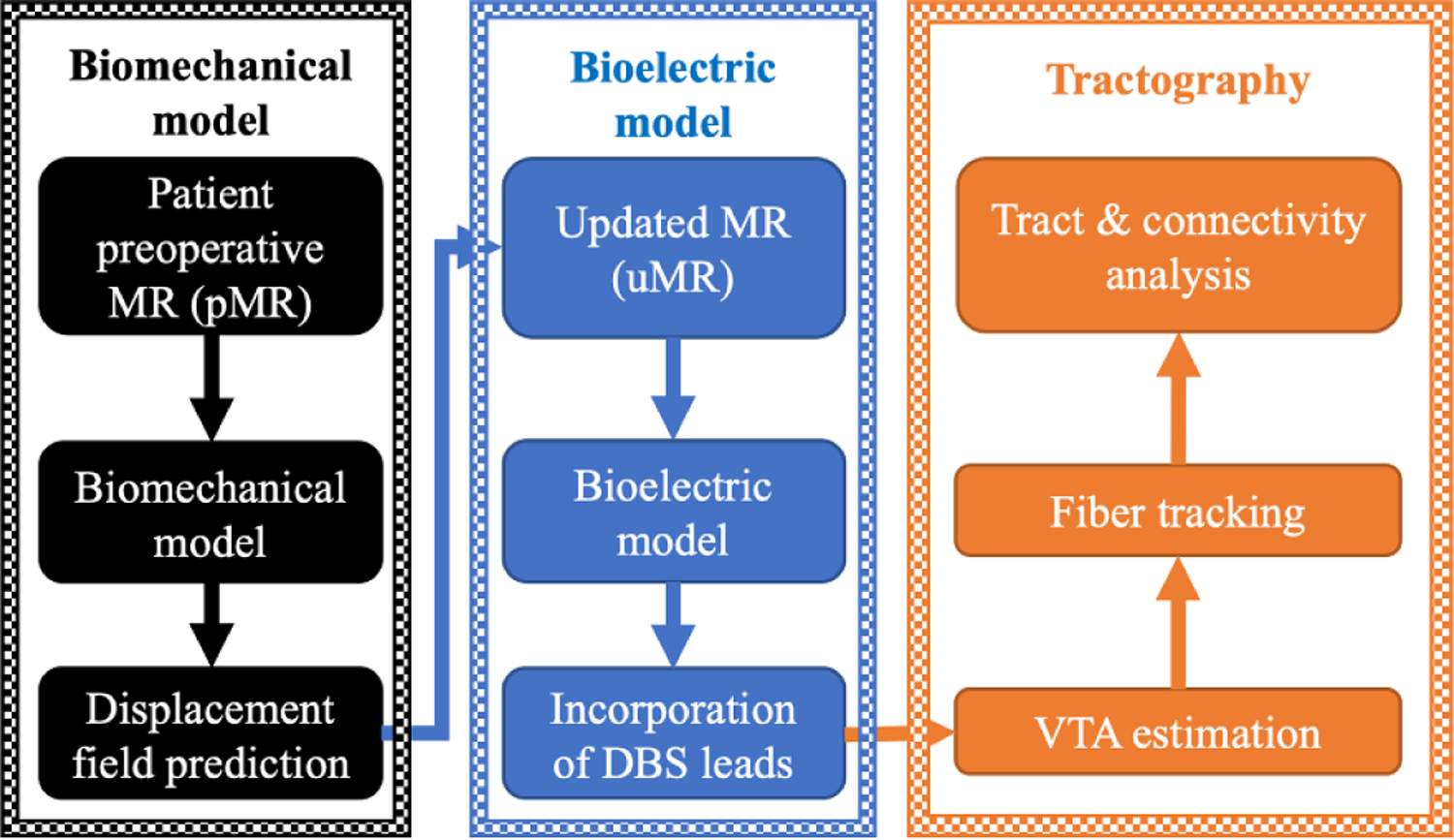
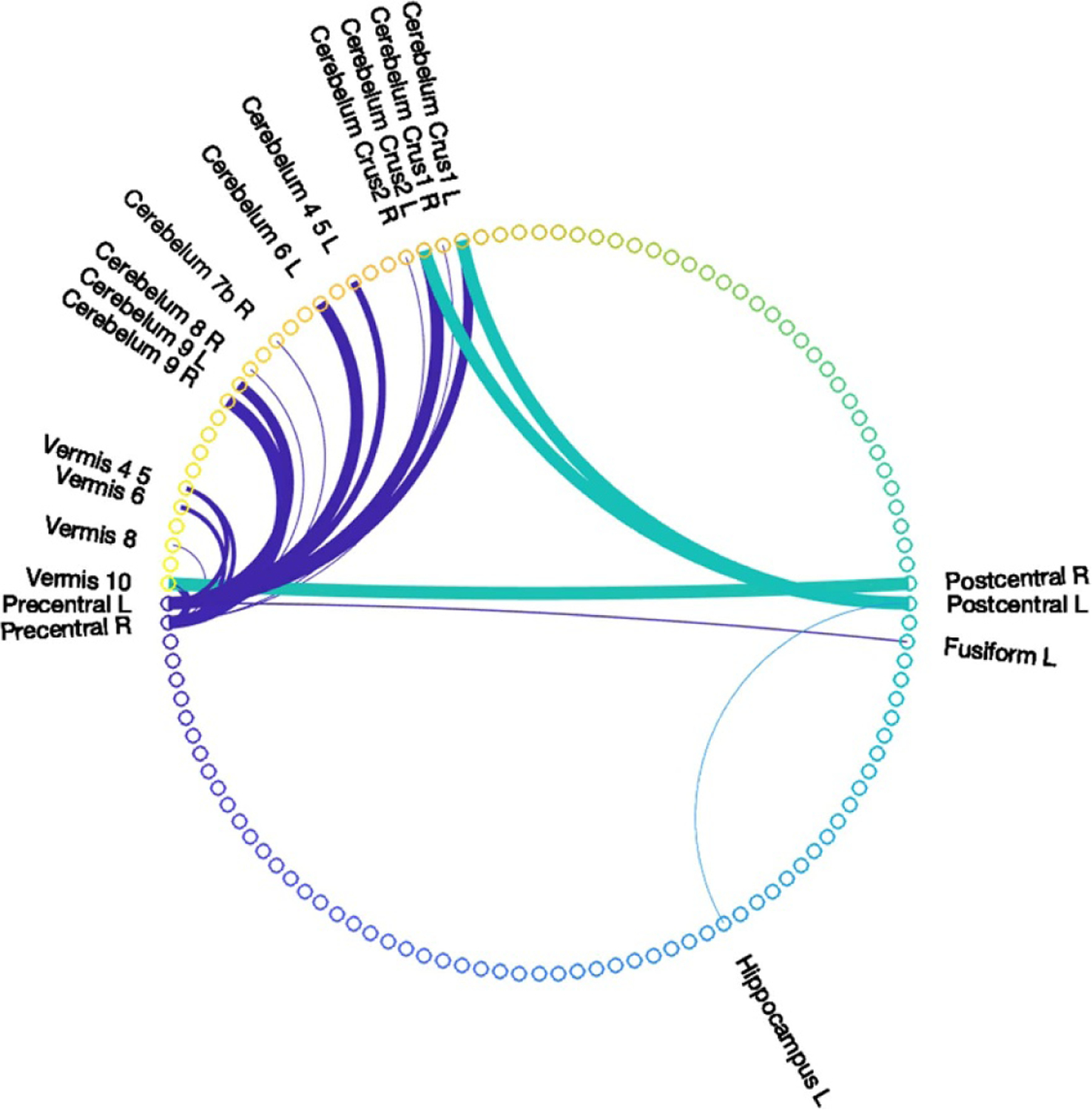
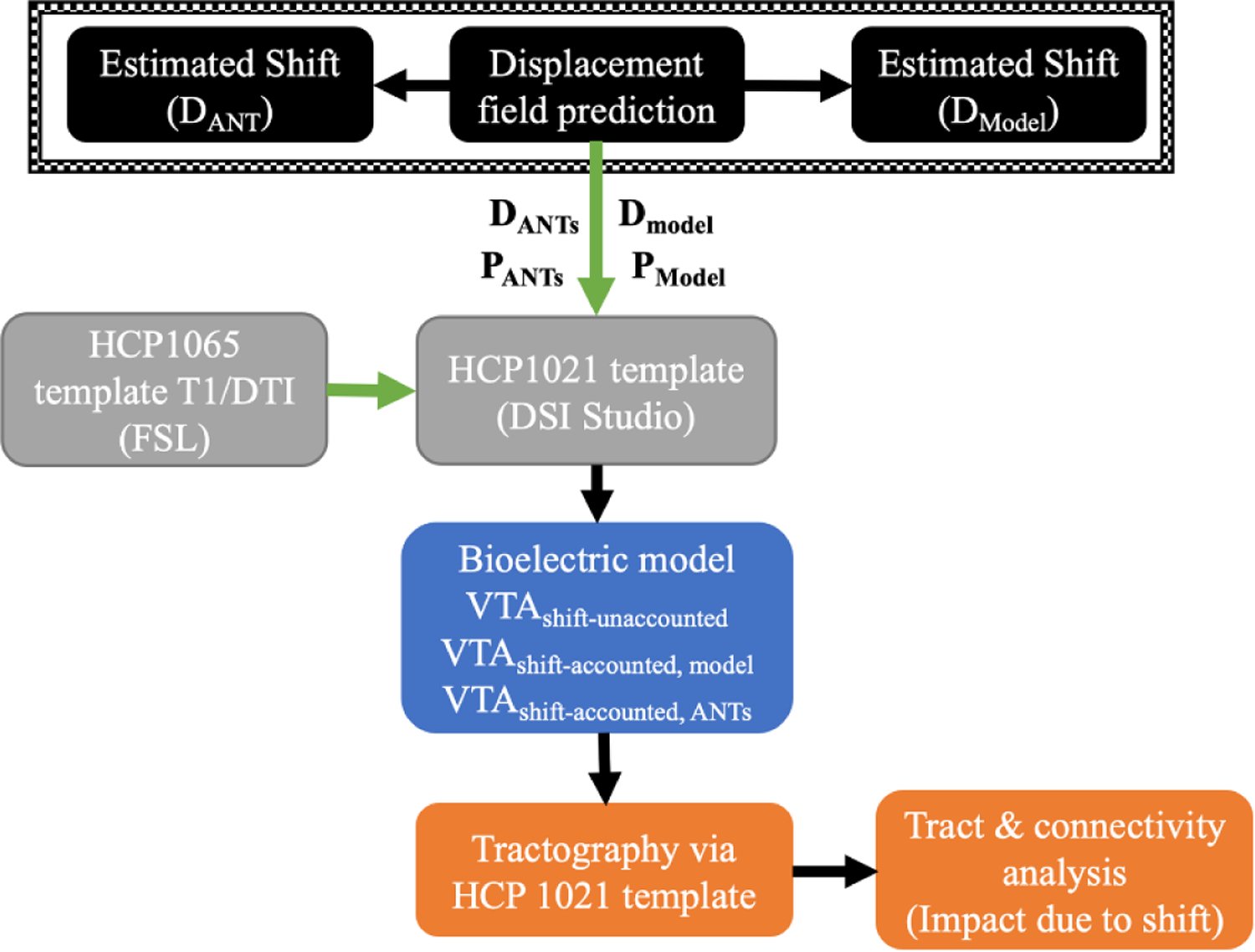
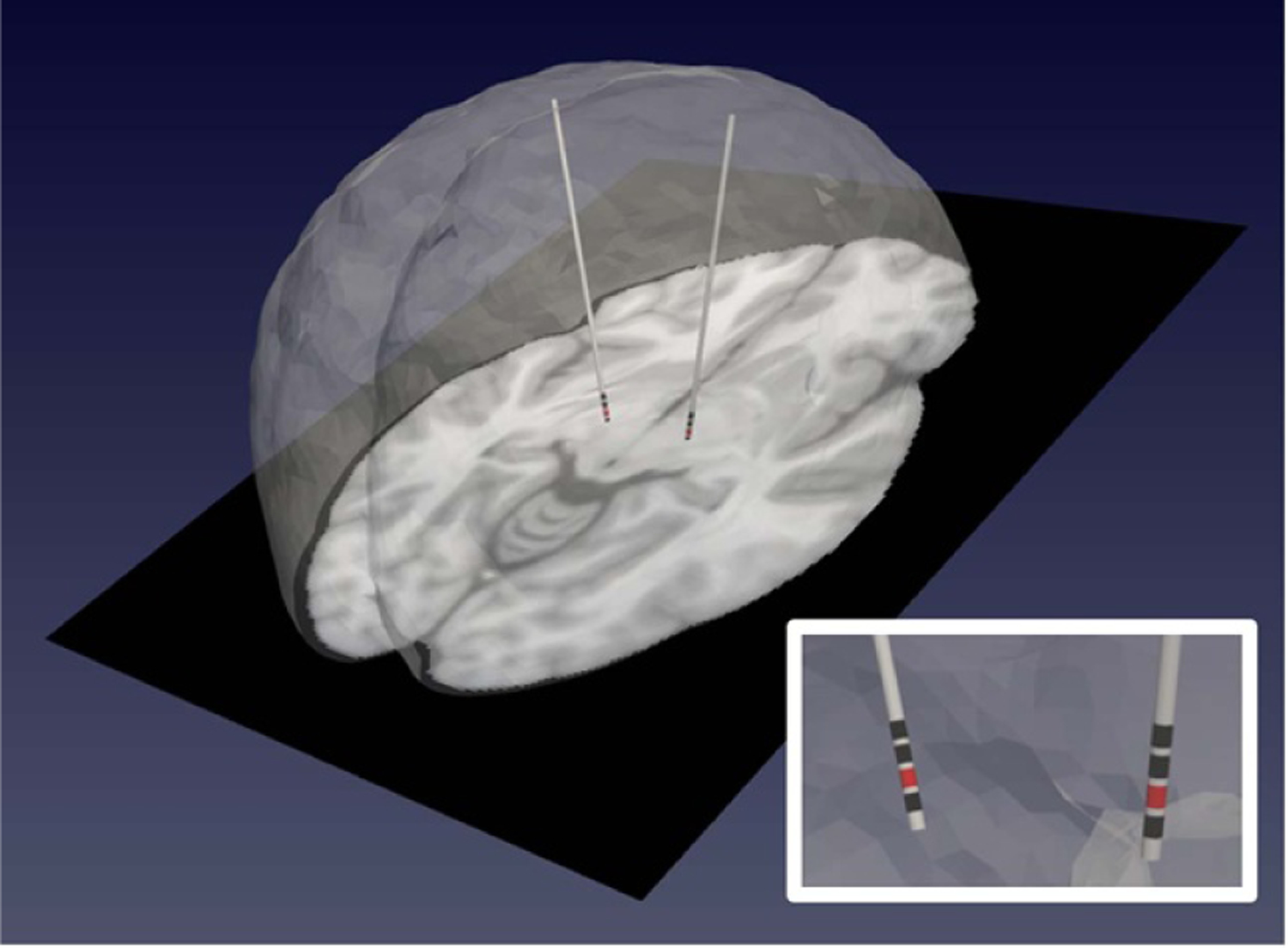
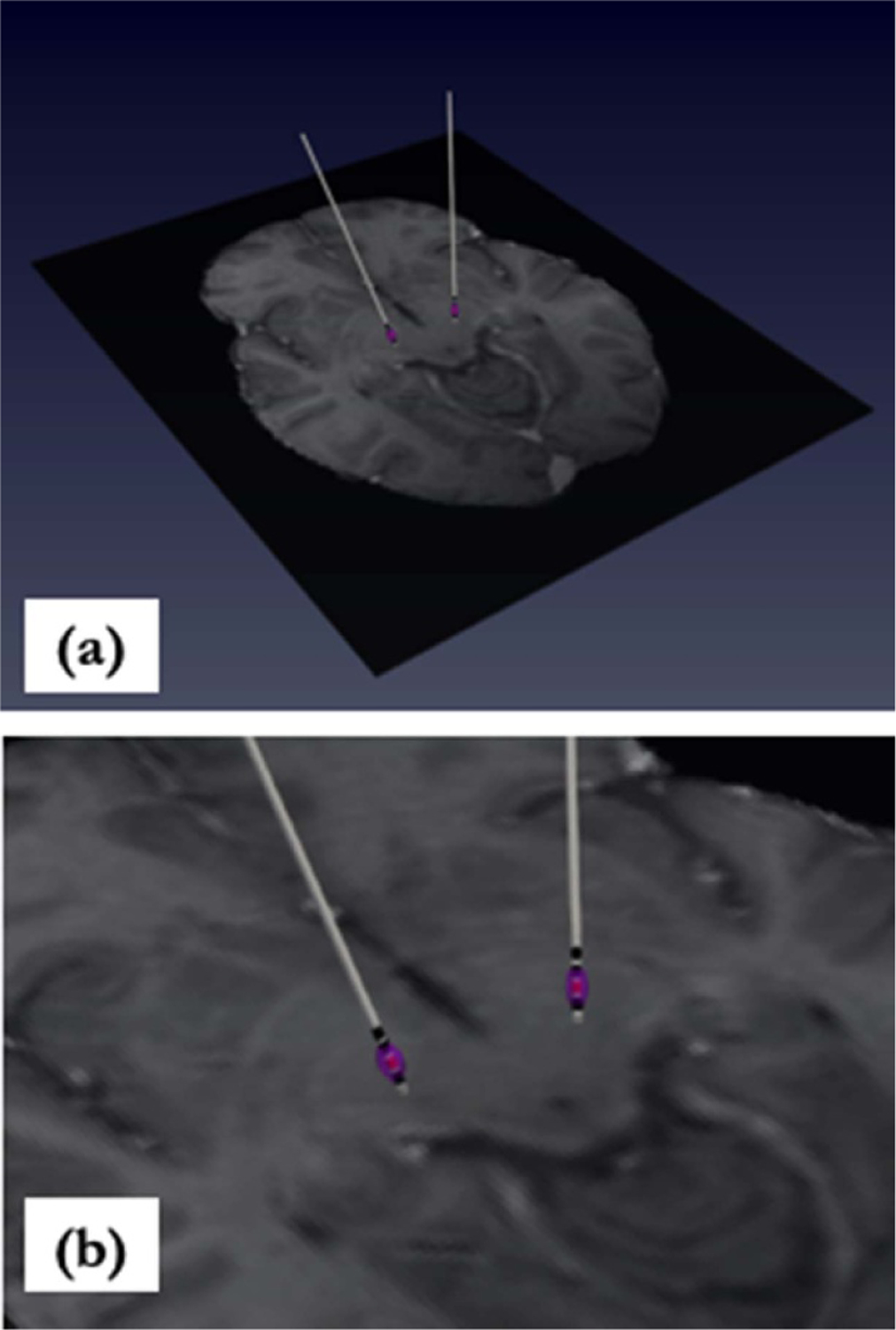
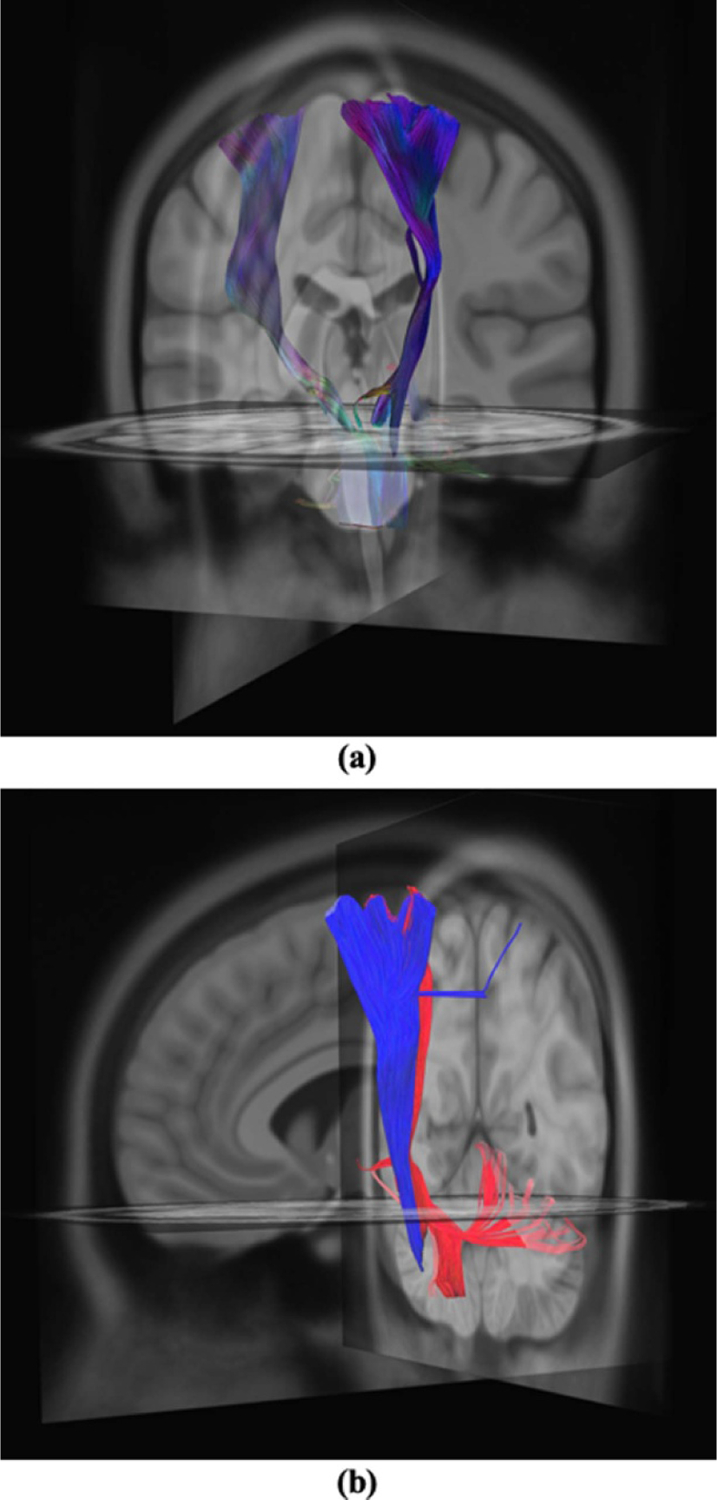
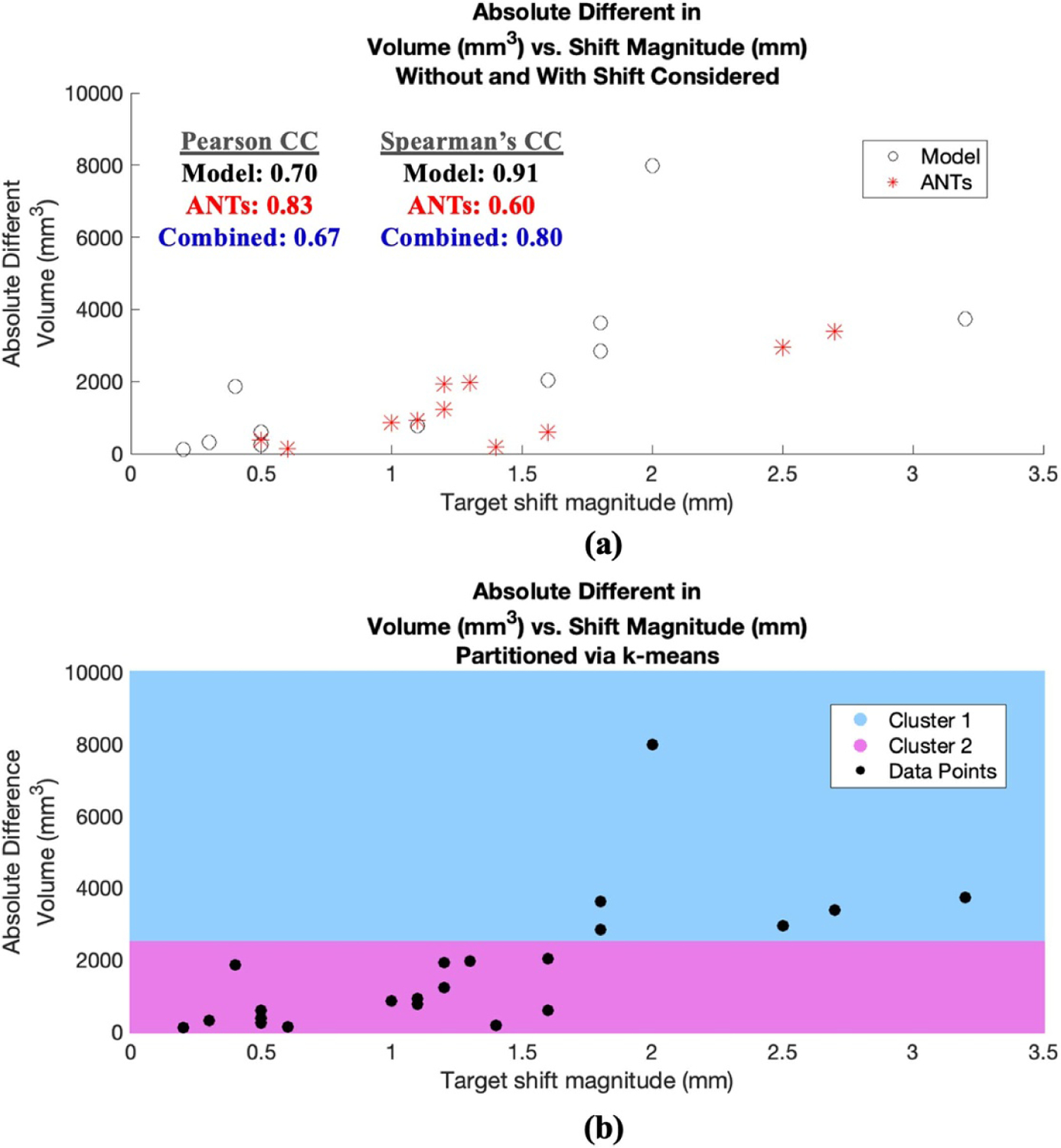
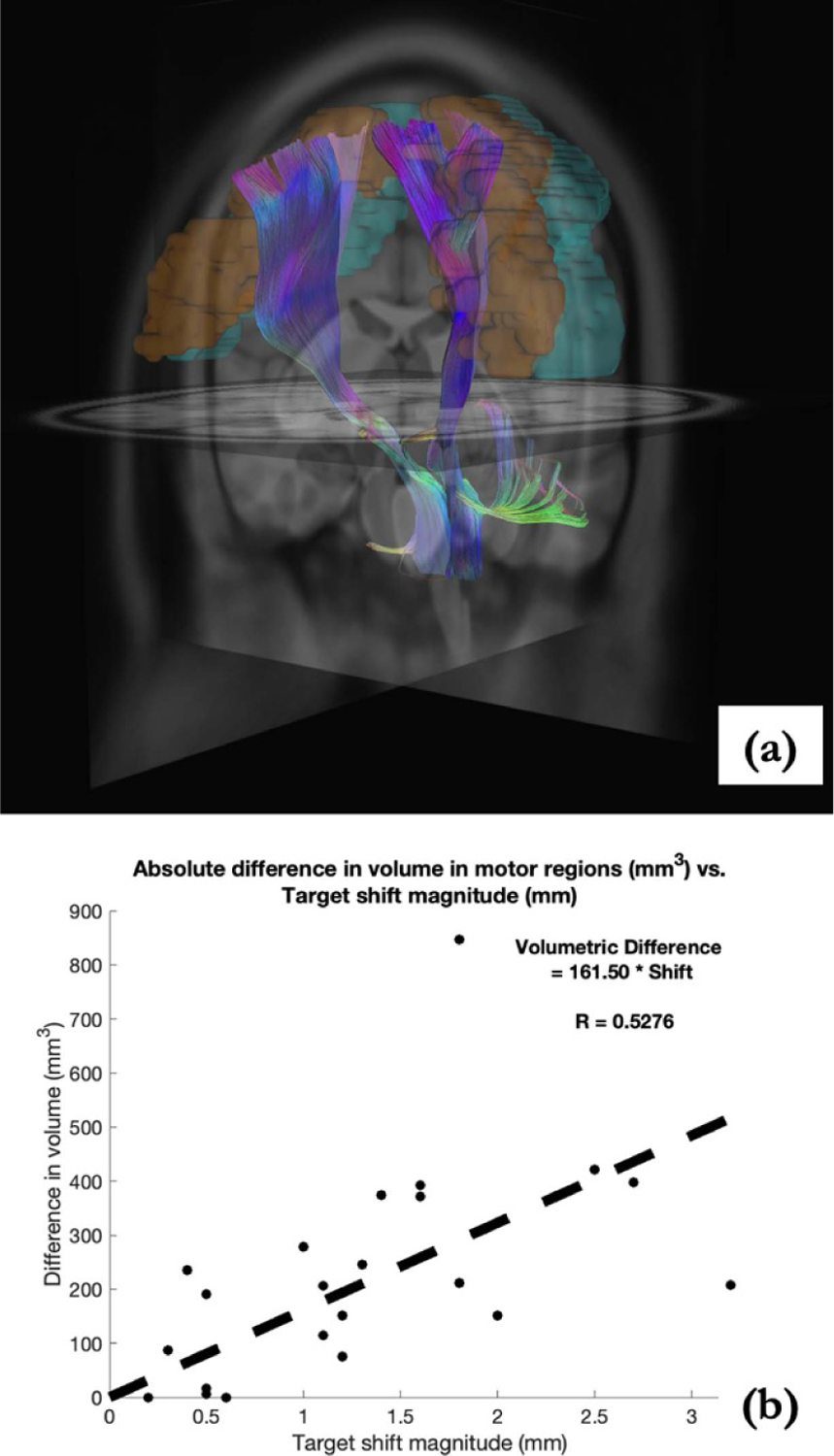
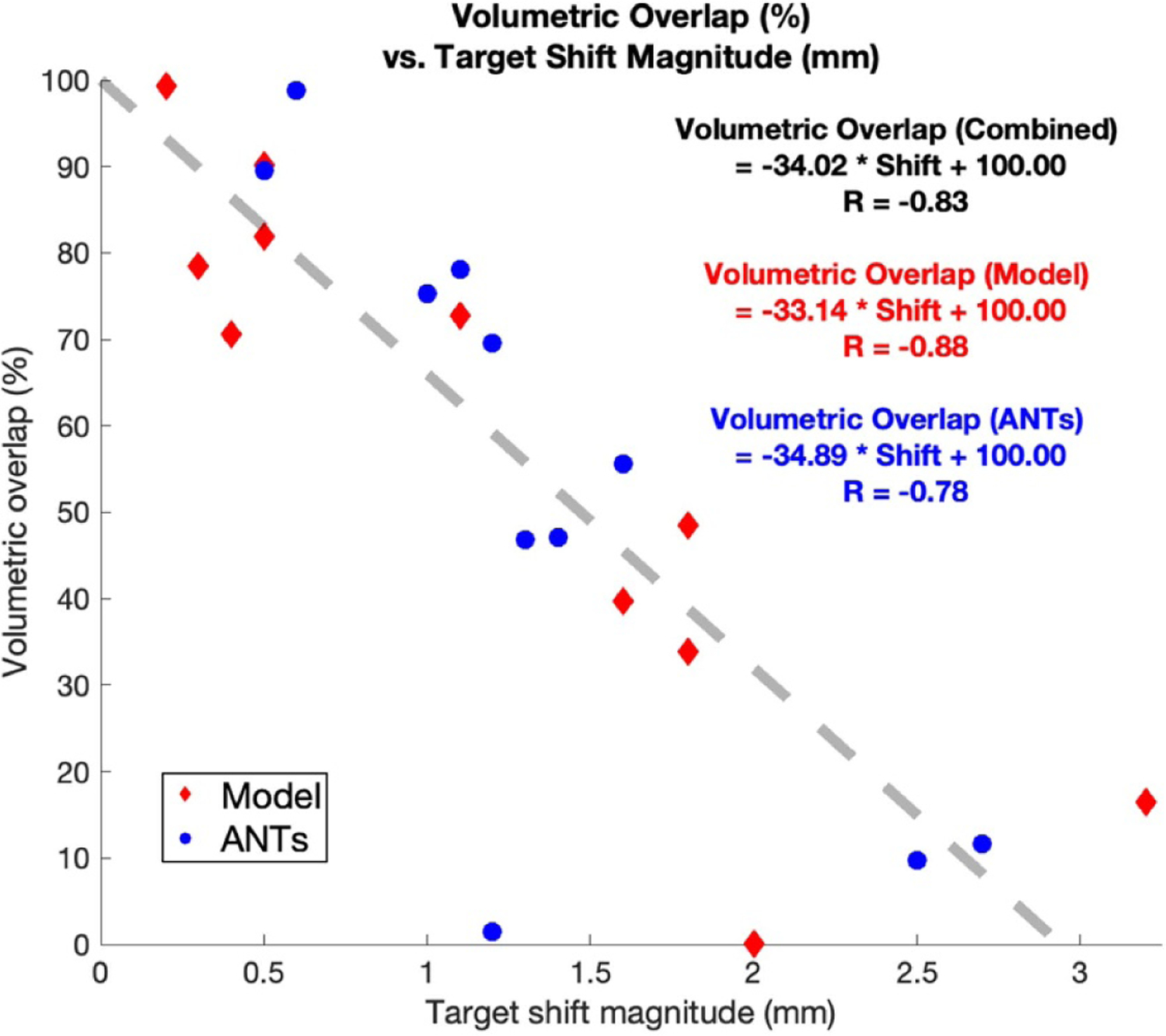
The effectiveness of deep brain stimulation (DBS) depends on electrode placement accuracy, which can be compromised by brain shift during surgery. While there have been efforts in assessing the impact of electrode misplacement due to brain shift using preop- and postop-imaging data, such analysis using preop- and intraop-imaging data via biophysical modeling has not been conducted. This work presents a preliminary study that applies a multi-physics analysis framework using finite element biomechanical and bioelectric models to examine the impact of realistic intraoperative shift on neural pathways determined by tractography.The study examined six patients who had undergone interventional magnetic resonance-guided DBS surgery. The modeling framework utilized a biomechanical approach to update preoperative MR to reflect shift-induced anatomical changes. Using this anatomically deformed image and its undeformed counterpart, bioelectric effects from shifting electrode leads could be simulated and neural activation differences were approximated. Specifically, for each configuration, volume of tissue activation was computed and subsequently used for tractography estimation. Total tract volume and overlapping volume with motor regions as well as connectivity profile were compared. In addition, volumetric overlap between different fiber bundles among configurations was computed and correlated to estimated shift.The study found deformation-induced differences in tract volume, motor region overlap, and connectivity behavior, suggesting the impact of shift. There is a strong correlation (= -0.83) between shift from intended target and intended neural pathway recruitment, where at threshold of ∼2.94 mm, intended recruitment completely degrades. The determined threshold is consistent with and provides quantitative support to prior observations and literature that deviations of 2-3 mm are detrimental.The findings support and advance prior studies and understanding to illustrate the need to account for shift in DBS and the potentiality of computational modeling for estimating influence of shift on neural activation.
深部脑刺激 (DBS) 的有效性取决于电极放置的准确性,而电极放置的准确性可能会因手术过程中的脑移位而受到影响。虽然已经有研究评估了由于脑移位导致的电极放置不当对术前和术后影像学数据的影响,但通过生物物理建模使用术前和术中影像学数据进行的这种分析尚未进行。这项工作提出了一项初步研究,该研究通过有限元生物力学和生物电模型的多物理分析框架,检查了通过示踪法确定的神经通路受现实术中移位影响的情况。该研究检查了六名接受介入性磁共振引导 DBS 手术的患者。建模框架利用生物力学方法更新术前磁共振成像,以反映移位引起的解剖结构变化。使用这种解剖变形图像及其未变形图像,可以模拟移位电极导线的生物电效应,并近似神经激活的差异。具体来说,对于每种配置,计算组织激活的体积,然后用于示踪法估计。比较了每种配置的激活体积、与运动区的重叠体积和连接性分布。此外,计算了不同配置之间不同纤维束之间的体积重叠,并将其与估计的移位相关联。该研究发现,在示踪体积、运动区重叠和连接行为方面存在变形引起的差异,这表明存在移位的影响。在从目标到目标神经通路募集的移位与目标之间存在很强的相关性(= -0.83),当达到约 2.94 毫米的阈值时,目标募集完全退化。确定的阈值与之前的观察结果和文献一致,并提供了定量支持,即 2-3 毫米的偏差是有害的。这些发现支持并推进了先前的研究和理解,以说明在 DBS 中考虑移位的必要性以及计算模型在估计移位对神经激活的影响方面的潜力。