Eweas Ahmad F, Alhossary Amr A, Abdel-Moneim Ahmed S
Department of Pharmaceutical and Medicinal Chemistry, National Research Centre, Cairo, Egypt.
Department of Science, University of Technology and Applied Sciences Rustaq, Rustaq, Oman.
Front Microbiol. 2021 Jan 25;11:592908. doi: 10.3389/fmicb.2020.592908. eCollection 2020.
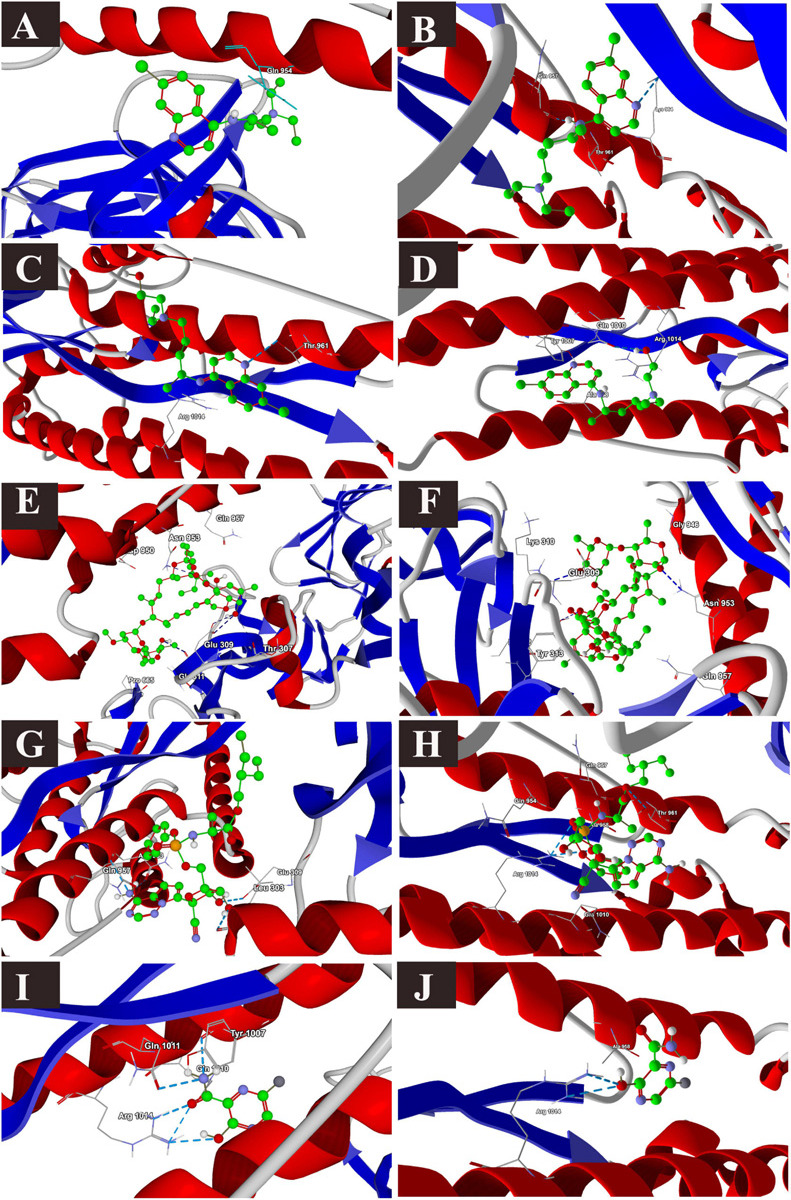
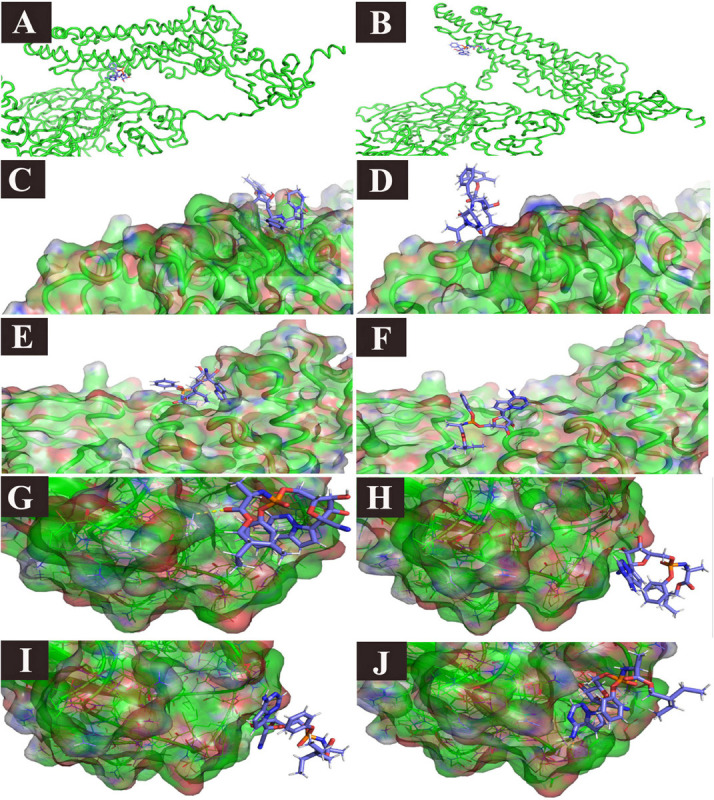
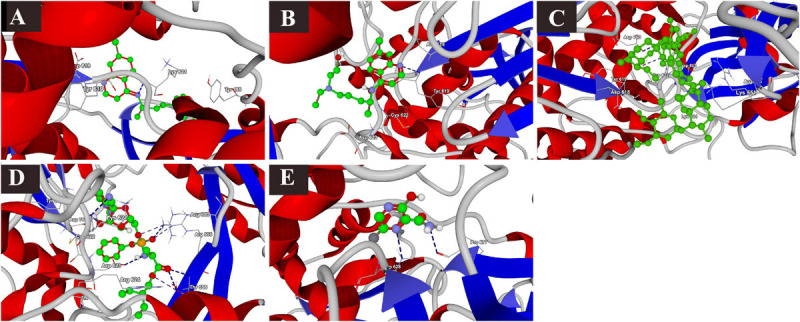
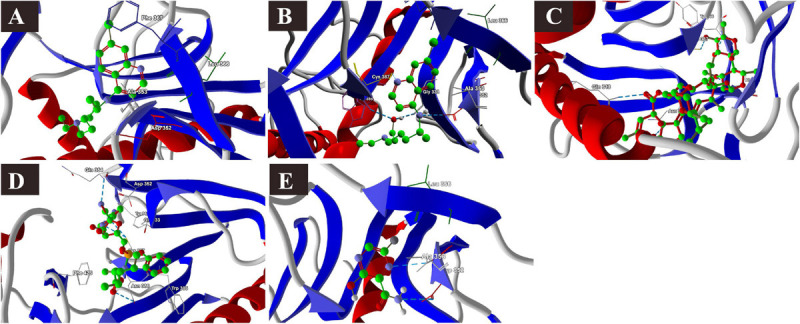
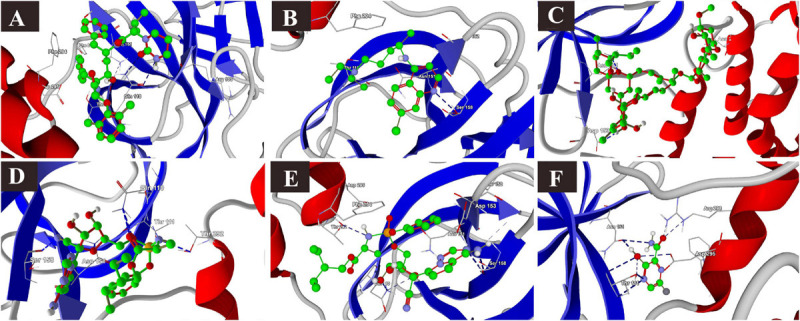
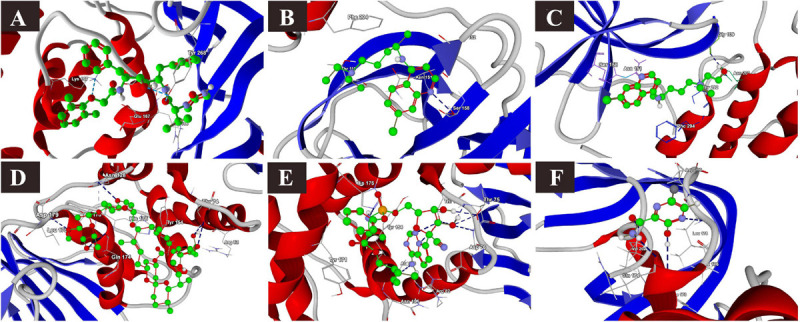
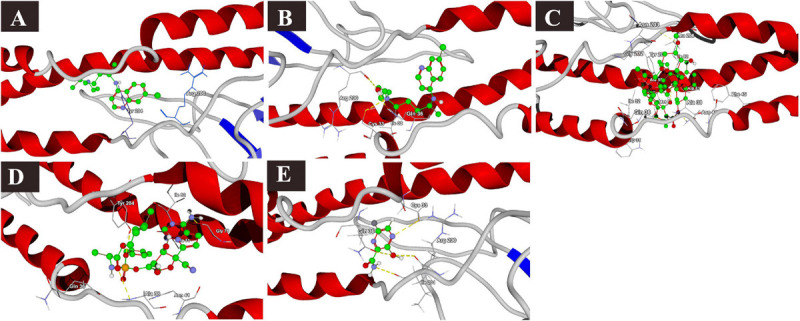
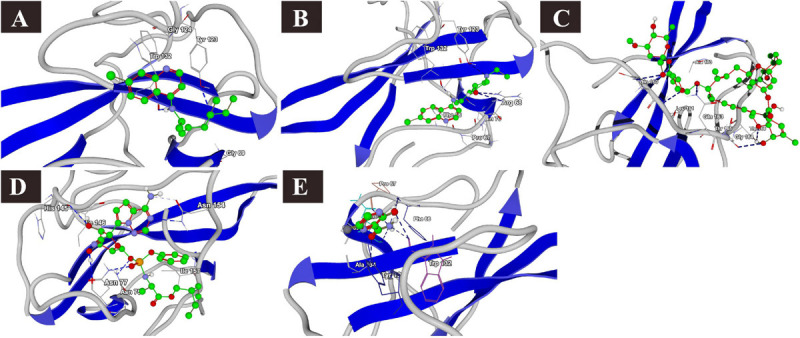
SARS-CoV-2 is a newly emerged coronavirus that causes a respiratory disease with variable severity and fatal consequences. It was first reported in Wuhan and subsequently caused a global pandemic. The viral spike protein binds with the ACE-2 cell surface receptor for entry, while TMPRSS2 triggers its membrane fusion. In addition, RNA dependent RNA polymerase (RdRp), 3'-5' exoribonuclease (nsp14), viral proteases, N, and M proteins are important in different stages of viral replication. Accordingly, they are attractive targets for different antiviral therapeutic agents. Although many antiviral agents have been used in different clinical trials and included in different treatment protocols, the mode of action against SARS-CoV-2 is still not fully understood. Different potential repurposed drugs, including, chloroquine, hydroxychloroquine, ivermectin, remdesivir, and favipiravir, were screened in the present study. Molecular docking of these drugs with different SARS-CoV-2 target proteins, including spike and membrane proteins, RdRp, nucleoproteins, viral proteases, and nsp14, was performed. Moreover, the binding affinities of the human ACE-2 receptor and TMPRSS2 to the different drugs were evaluated. Molecular dynamics simulation and MM-PBSA calculation were also conducted. Ivermectin and remdesivir were found to be the most promising drugs. Our results suggest that both these drugs utilize different mechanisms at the entry and post-entry stages and could be considered potential inhibitors of SARS-CoV-2 replication.
严重急性呼吸综合征冠状病毒2(SARS-CoV-2)是一种新出现的冠状病毒,可引发严重程度各异并导致致命后果的呼吸道疾病。它最初在武汉被报告,随后引发了全球大流行。病毒刺突蛋白与ACE-2细胞表面受体结合以进入细胞,而跨膜丝氨酸蛋白酶2(TMPRSS2)触发其膜融合。此外,RNA依赖性RNA聚合酶(RdRp)、3'-5'外切核糖核酸酶(nsp14)、病毒蛋白酶、核衣壳蛋白(N)和膜蛋白(M)在病毒复制的不同阶段发挥重要作用。因此,它们是不同抗病毒治疗药物的有吸引力的靶点。尽管许多抗病毒药物已用于不同的临床试验并被纳入不同的治疗方案,但针对SARS-CoV-2的作用方式仍未完全了解。本研究筛选了不同的潜在的重新利用的药物,包括氯喹、羟氯喹、伊维菌素、瑞德西韦和法匹拉韦。对这些药物与不同的SARS-CoV-2靶蛋白进行分子对接,这些靶蛋白包括刺突蛋白和膜蛋白、RdRp、核蛋白、病毒蛋白酶和nsp14。此外,还评估了人类ACE-2受体和TMPRSS2与不同药物的结合亲和力。还进行了分子动力学模拟和MM-PBSA计算。发现伊维菌素和瑞德西韦是最有前景的药物。我们的结果表明,这两种药物在病毒进入和进入后阶段利用不同机制,可被视为SARS-CoV-2复制的潜在抑制剂。