Laboratory for Fetal and Regenerative Biology, Department of Surgery, University of Colorado Denver School of Medicine and Children's Hospital Colorado, Aurora, CO, USA.
Department of Bioengineering, University of Colorado, Aurora, CO, USA.
Nanomedicine. 2021 Jun;34:102388. doi: 10.1016/j.nano.2021.102388. Epub 2021 Mar 20.
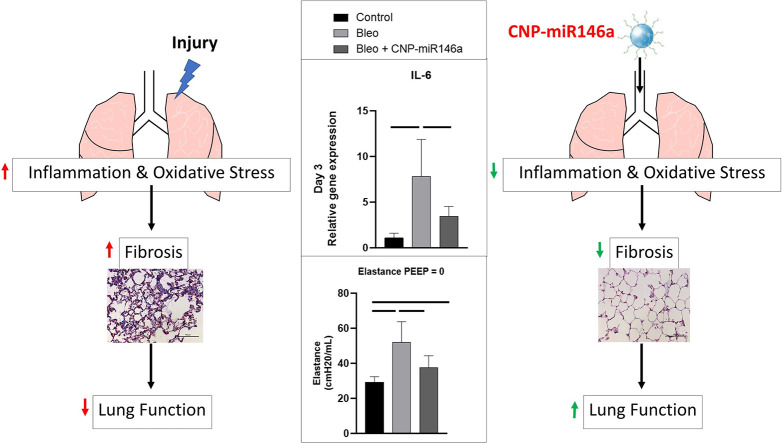
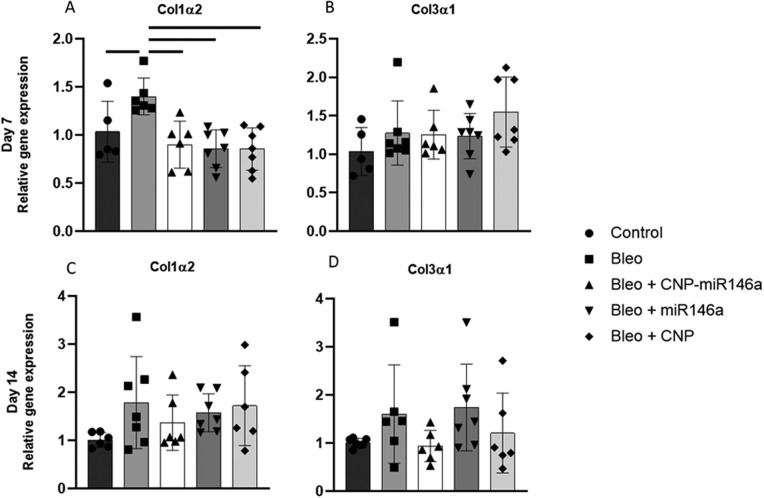
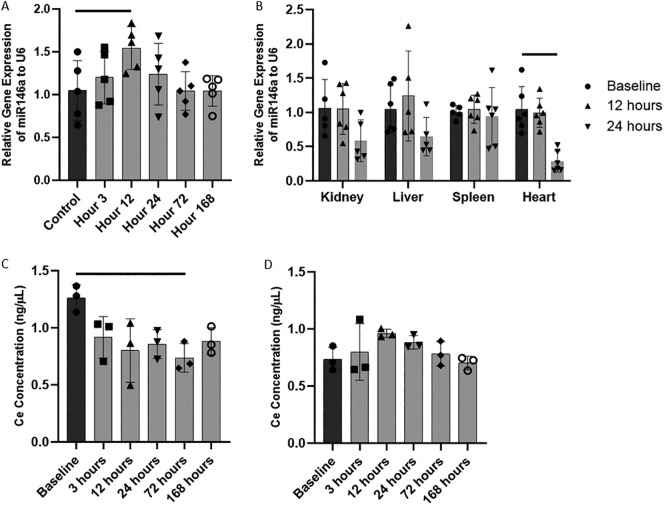
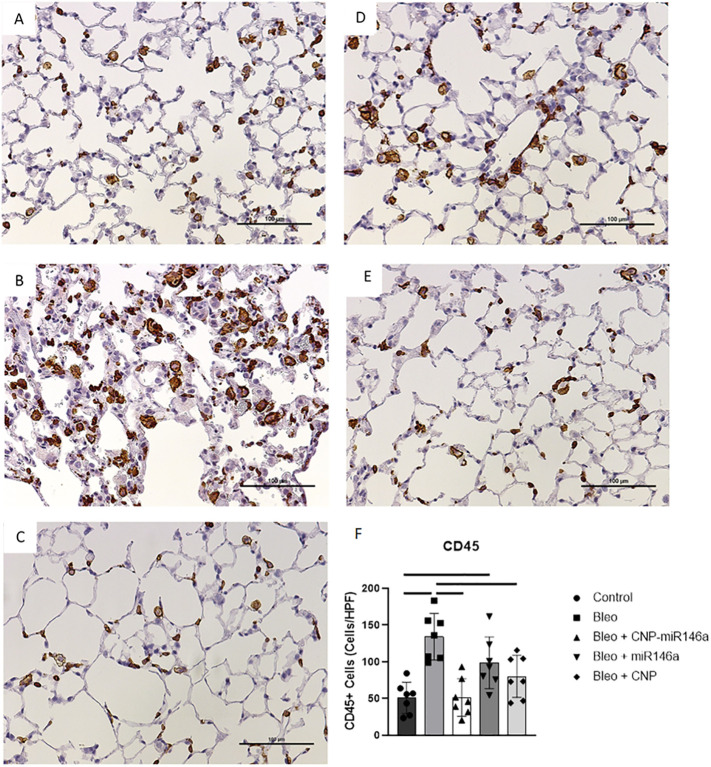
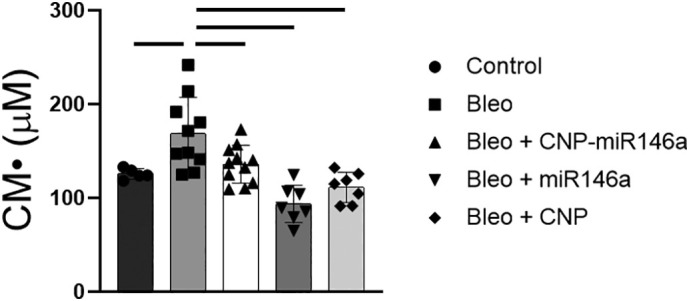
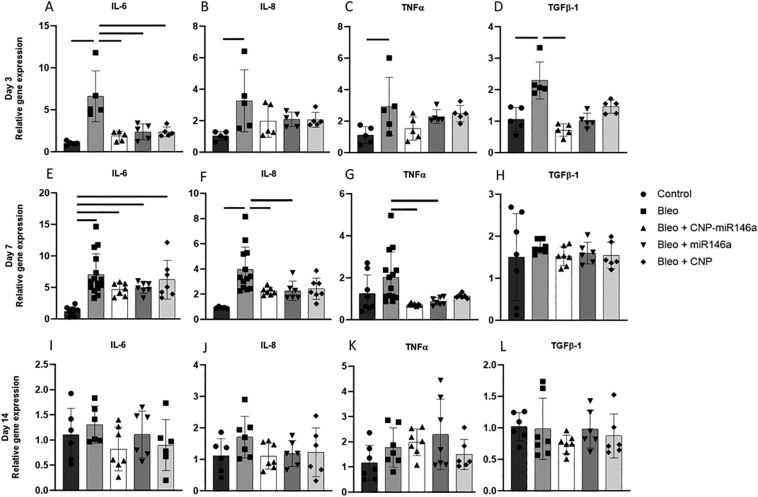
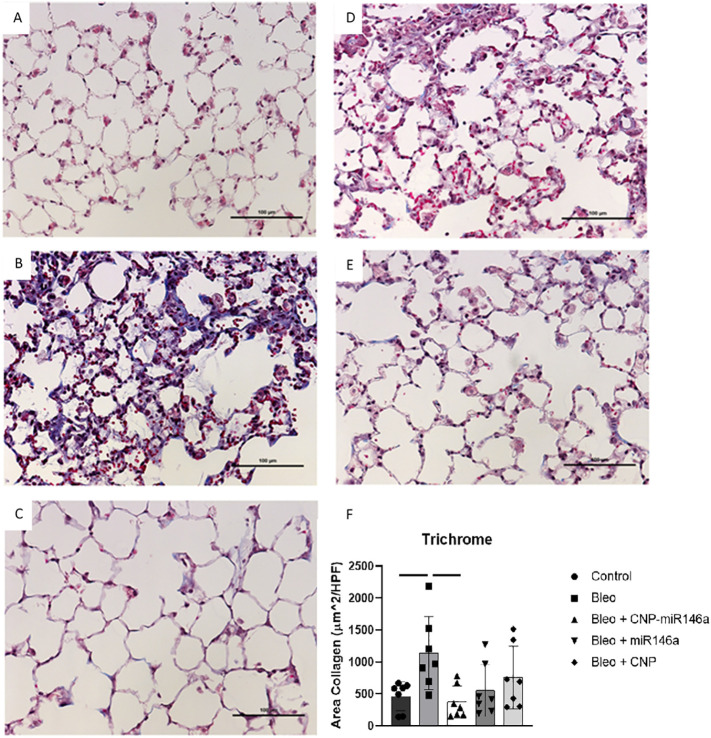
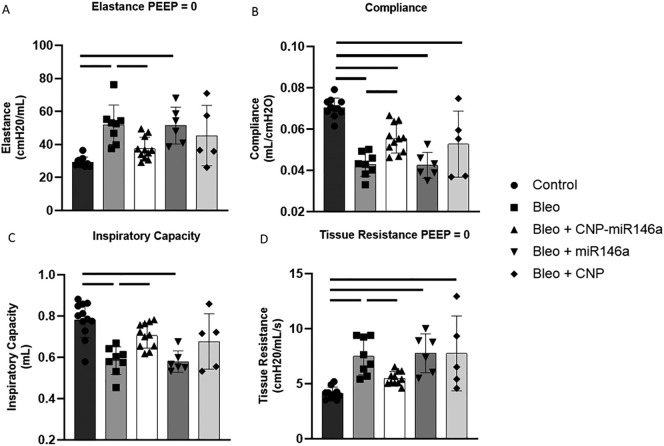
Acute respiratory distress syndrome (ARDS) is a devastating pulmonary disease with significant in-hospital mortality and is the leading cause of death in COVID-19 patients. Excessive leukocyte recruitment, unregulated inflammation, and resultant fibrosis contribute to poor ARDS outcomes. Nanoparticle technology with cerium oxide nanoparticles (CNP) offers a mechanism by which unstable therapeutics such as the anti-inflammatory microRNA-146a can be locally delivered to the injured lung without systemic uptake. In this study, we evaluated the potential of the radical scavenging CNP conjugated to microRNA-146a (termed CNP-miR146a) in preventing acute lung injury (ALI) following exposure to bleomycin. We have found that intratracheal delivery of CNP-miR146a increases pulmonary levels of miR146a without systemic increases, and prevents ALI by altering leukocyte recruitment, reducing inflammation and oxidative stress, and decreasing collagen deposition, ultimately improving pulmonary biomechanics.
急性呼吸窘迫综合征(ARDS)是一种严重的肺部疾病,院内死亡率高,是 COVID-19 患者死亡的主要原因。白细胞过度募集、炎症失控以及由此产生的纤维化导致 ARDS 预后不良。纳米技术用氧化铈纳米颗粒(CNP)提供了一种机制,可以将不稳定的治疗药物(如抗炎 microRNA-146a)局部递送到受损的肺部,而不会被全身吸收。在这项研究中,我们评估了与 microRNA-146a 结合的自由基清除 CNP(称为 CNP-miR146a)在预防博莱霉素暴露后急性肺损伤(ALI)方面的潜力。我们发现,气管内递送 CNP-miR146a 可增加肺组织中的 miR146a 水平,而不增加全身水平,并通过改变白细胞募集、减少炎症和氧化应激以及减少胶原蛋白沉积来预防 ALI,从而最终改善肺生物力学。