Department of Psychology, York University, 4700 Keele Street, Toronto, ON, Canada M3J 1P3.
Trends Cogn Sci. 2021 May;25(5):355-364. doi: 10.1016/j.tics.2021.02.003. Epub 2021 Mar 23.
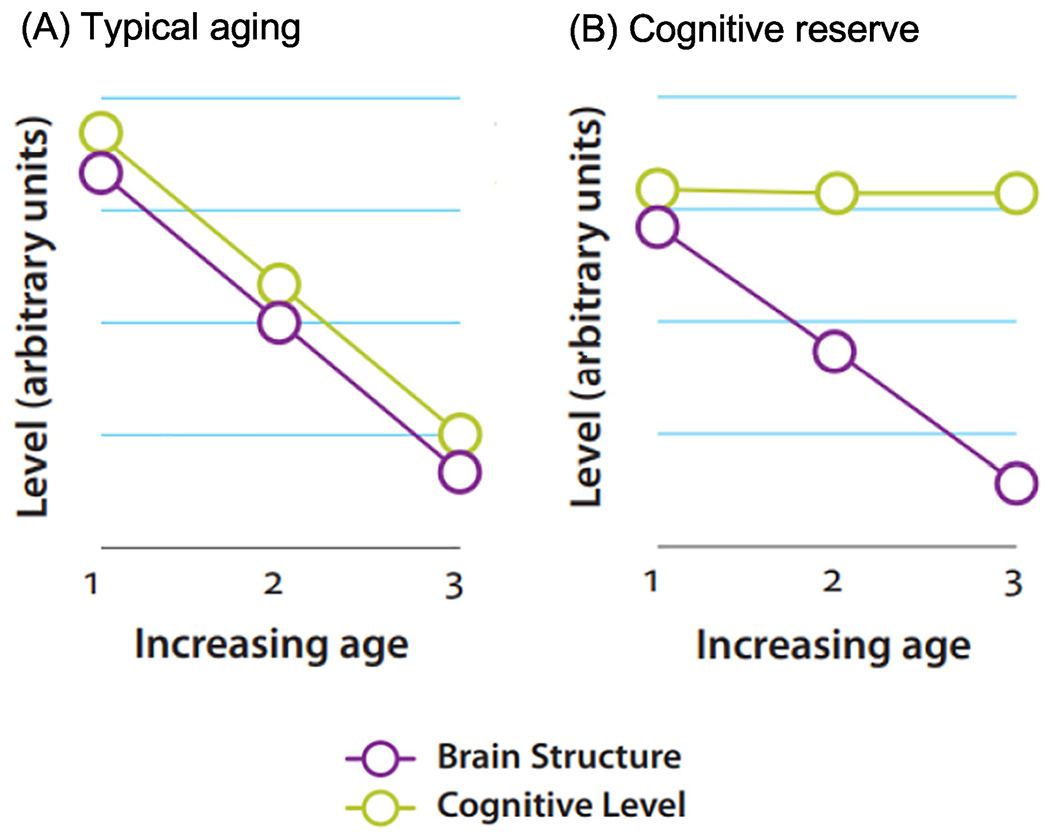
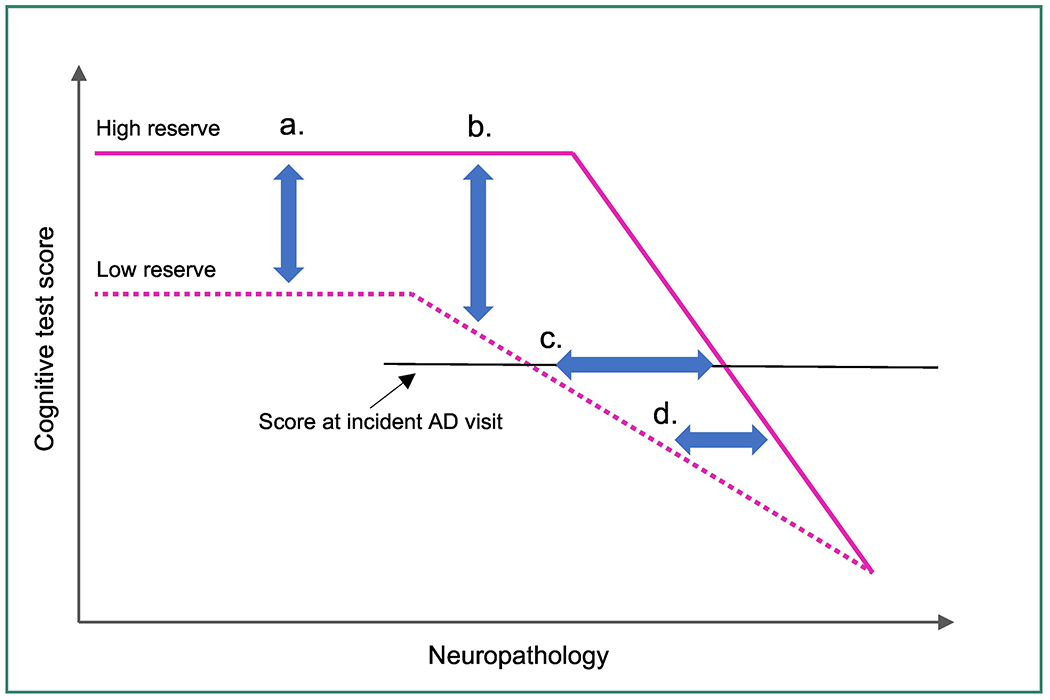
Cognitive reserve is characterized by a dissociation between cognitive level and brain structure, thereby reducing the impact of deteriorating brain structure on cognitive function. Cognitive reserve is therefore a promising approach to maintaining cognitive function and protecting against symptoms of dementia. The present paper evaluates evidence supporting the claim that bilingualism contributes to cognitive reserve. Four types of evidence are presented: (i) brain and cognitive function in healthy aging, (ii) age of onset of symptoms of dementia, (iii) relation between clinical level and neuropathology for patients, and (iv) rate of cognitive decline in later stages of dementia. In all cases, bilinguals revealed patterns that were consistent with the interpretation of protection from cognitive reserve when compared with monolinguals.
认知储备的特点是认知水平和大脑结构之间的分离,从而降低了大脑结构恶化对认知功能的影响。因此,认知储备是维持认知功能和预防痴呆症状的一种有前途的方法。本文评估了支持双语能力有助于认知储备这一说法的证据。提出了四种类型的证据:(i)健康老龄化中的大脑和认知功能,(ii)痴呆症状的发病年龄,(iii)患者的临床水平与神经病理学之间的关系,以及(iv)痴呆后期的认知衰退速度。在所有情况下,与单语者相比,双语者的模式都符合认知储备保护的解释。