Alberta RNA Research and Training Institute, Department of Chemistry and Biochemistry, University of Lethbridge, Lethbridge, Alberta, Canada; Department of Microbiology, Immunology and Infectious Diseases, Cumming School of Medicine, University of Calgary, Alberta, Canada; Department of Medicine, Cumming School of Medicine, Calgary, Alberta, Canada.
Alberta RNA Research and Training Institute, Department of Chemistry and Biochemistry, University of Lethbridge, Lethbridge, Alberta, Canada.
J Biol Chem. 2021 Jan-Jun;296:100589. doi: 10.1016/j.jbc.2021.100589. Epub 2021 Mar 24.
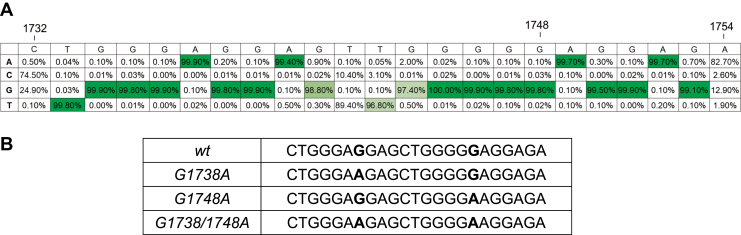
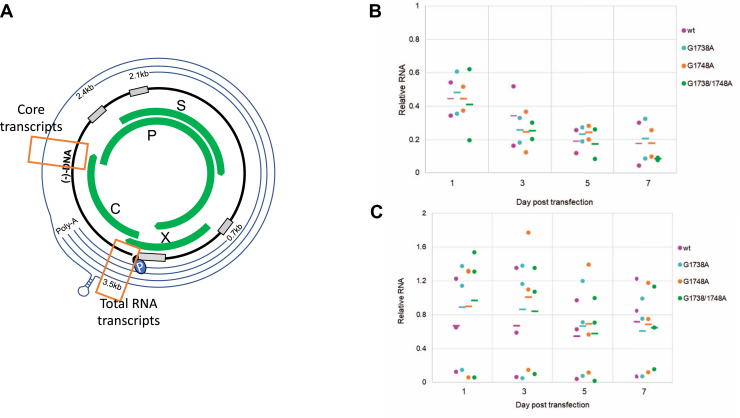
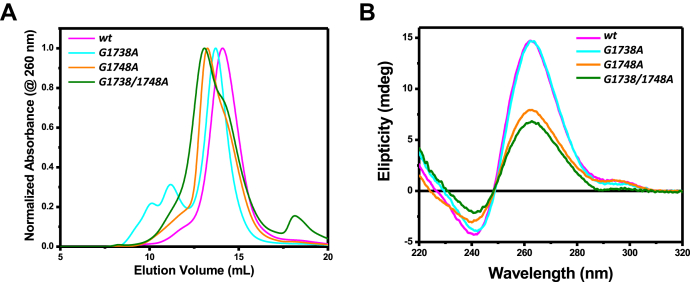
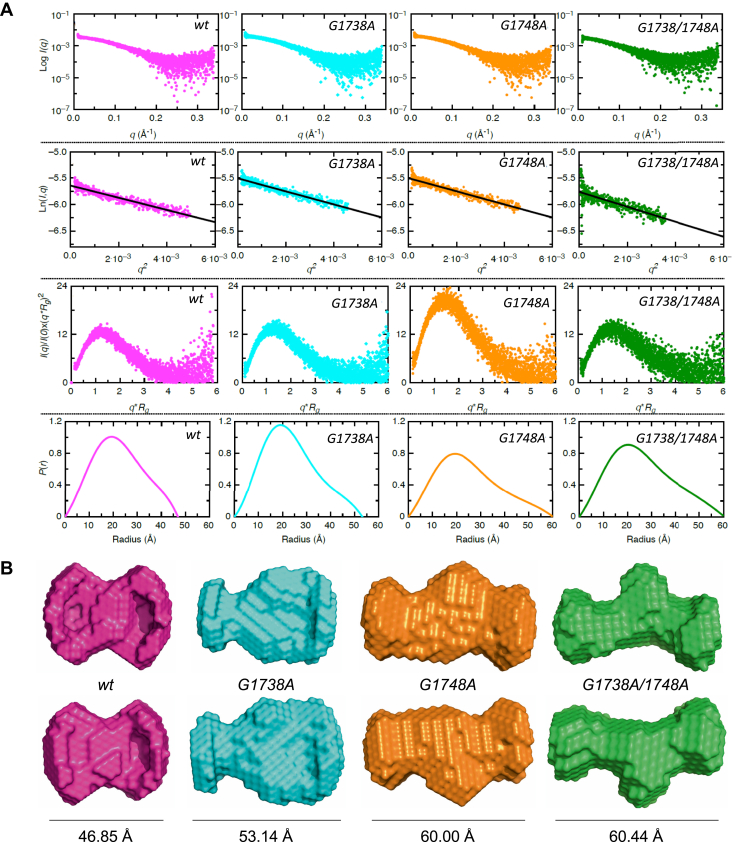
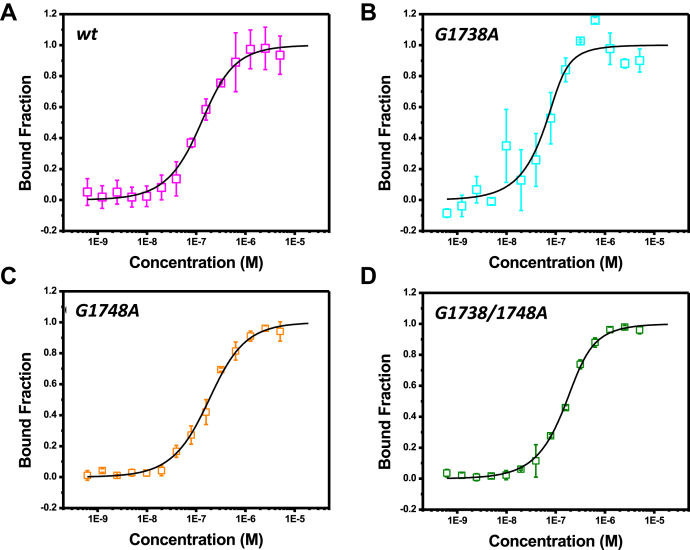
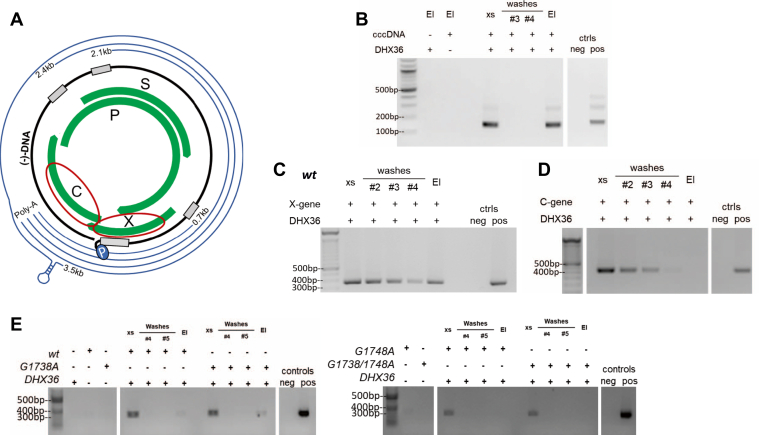
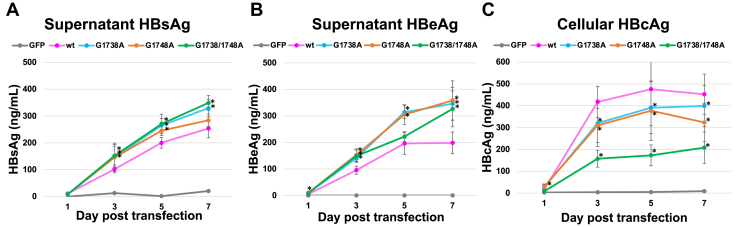
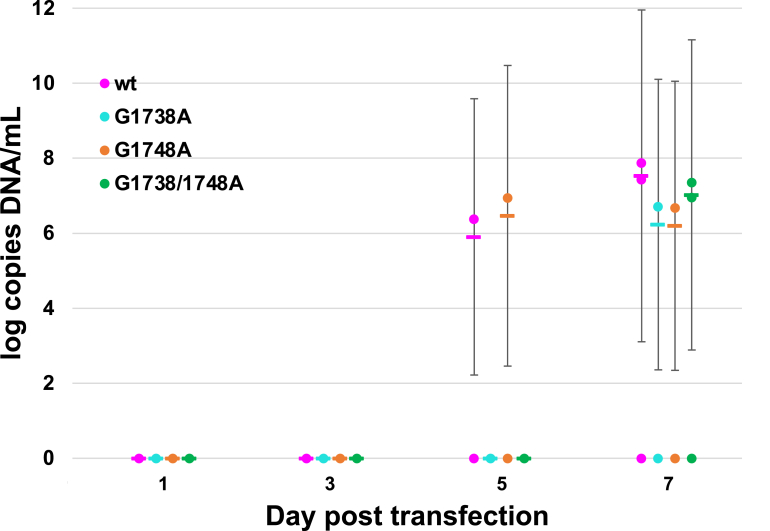
Approximately 250 million people worldwide are chronically infected with the hepatitis B virus (HBV) and are at increased risk of developing cirrhosis and hepatocellular carcinoma. The HBV genome persists as covalently closed circular DNA (cccDNA), which serves as the template for all HBV mRNA transcripts. Current nucleos(t)ide analogs used to treat HBV do not directly target the HBV cccDNA genome and thus cannot eradicate HBV infection. Here, we report the discovery of a unique G-quadruplex structure in the pre-core promoter region of the HBV genome that is conserved among nearly all genotypes. This region is central to critical steps in the viral life cycle, including the generation of pregenomic RNA, synthesis of core and polymerase proteins, and genome encapsidation; thus, an increased understanding of the HBV pre-core region may lead to the identification of novel anti-HBV cccDNA targets. We utilized biophysical methods (circular dichroism and small-angle X-ray scattering) to characterize the HBV G-quadruplex and the effect of three distinct G to A mutants. We also used microscale thermophoresis to quantify the binding affinity of G-quadruplex and its mutants with a known quadruplex-binding protein (DHX36). To investigate the physiological relevance of HBV G-quadruplex, we employed assays using DHX36 to pull-down cccDNA and compared HBV infection in HepG2 cells transfected with wild-type and mutant HBV plasmids by monitoring the levels of genomic DNA, pregenomic RNA, and antigens. Further evaluation of this critical host-protein interaction site in the HBV cccDNA genome may facilitate the development of novel anti-HBV therapeutics against the resilient cccDNA template.
全球约有 2.5 亿人慢性感染乙型肝炎病毒(HBV),因此发展为肝硬化和肝细胞癌的风险增加。HBV 基因组以共价闭合环状 DNA(cccDNA)的形式持续存在,作为所有 HBV mRNA 转录本的模板。目前用于治疗 HBV 的核苷(酸)类似物并不直接针对 HBV cccDNA 基因组,因此无法根除 HBV 感染。在这里,我们报告了在 HBV 基因组的前核心启动子区域发现了一种独特的 G-四链体结构,该结构在几乎所有基因型中都保守。该区域是病毒生命周期中关键步骤的核心,包括前基因组 RNA 的产生、核心和聚合酶蛋白的合成以及基因组包装;因此,对 HBV 前核心区的深入了解可能会导致发现新的抗 HBV cccDNA 靶标。我们利用生物物理方法(圆二色性和小角 X 射线散射)来表征 HBV G-四链体及其三个不同的 G 到 A 突变体。我们还使用微尺度热泳法来量化 G-四链体及其突变体与已知的四链体结合蛋白(DHX36)的结合亲和力。为了研究 HBV G-四链体的生理相关性,我们使用 DHX36 进行 cccDNA 下拉实验,并通过监测基因组 DNA、前基因组 RNA 和抗原的水平,比较转染野生型和突变型 HBV 质粒的 HepG2 细胞中的 HBV 感染情况。进一步评估 HBV cccDNA 基因组中这种关键的宿主蛋白相互作用位点可能有助于开发针对有弹性的 cccDNA 模板的新型抗 HBV 治疗方法。