Division of Infectious Diseases, Lundquist Institute for Biomedical Innovation at Harbor-UCLA Medical Center, Torrance, CA, United States of America.
Department of Biological Sciences, Carnegie Mellon University, Pittsburgh, PA, United States of America.
PLoS Pathog. 2021 Mar 29;17(3):e1009235. doi: 10.1371/journal.ppat.1009235. eCollection 2021 Mar.
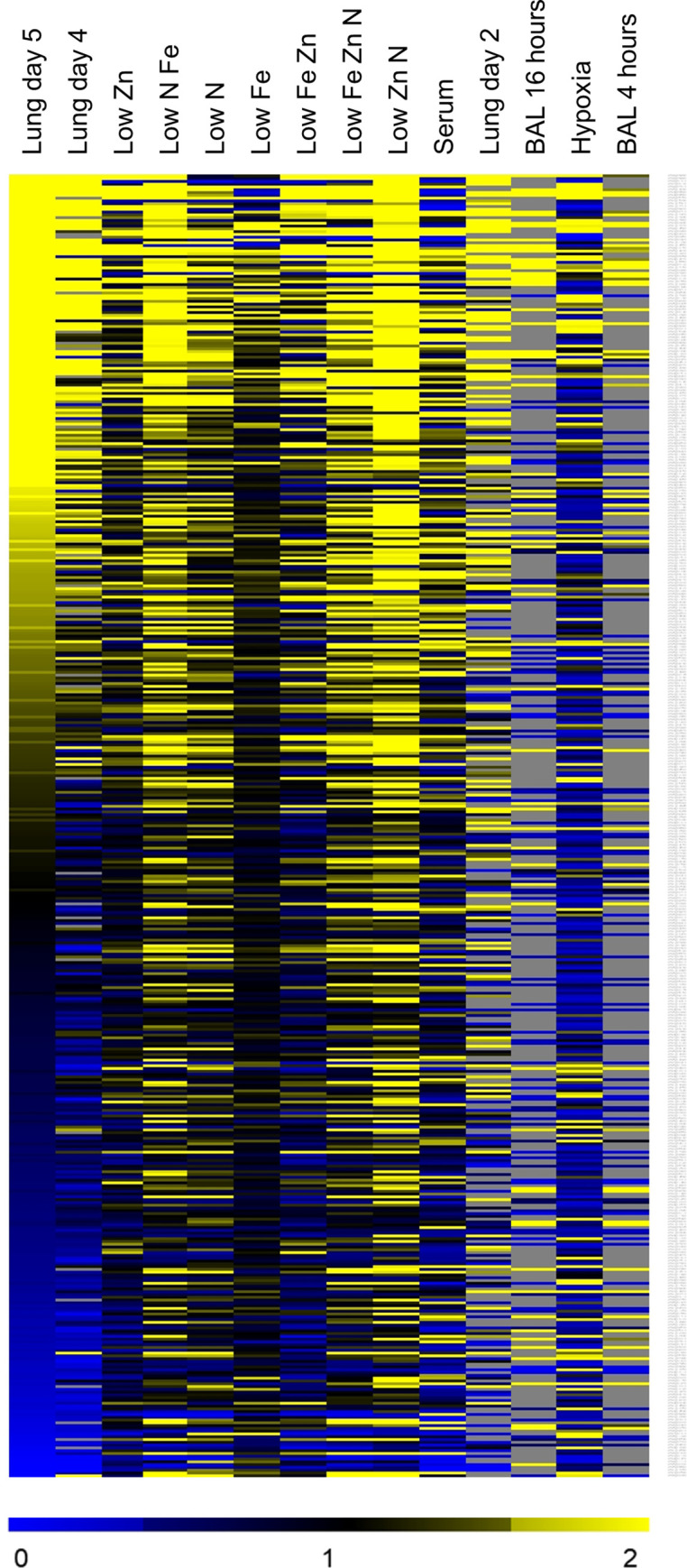
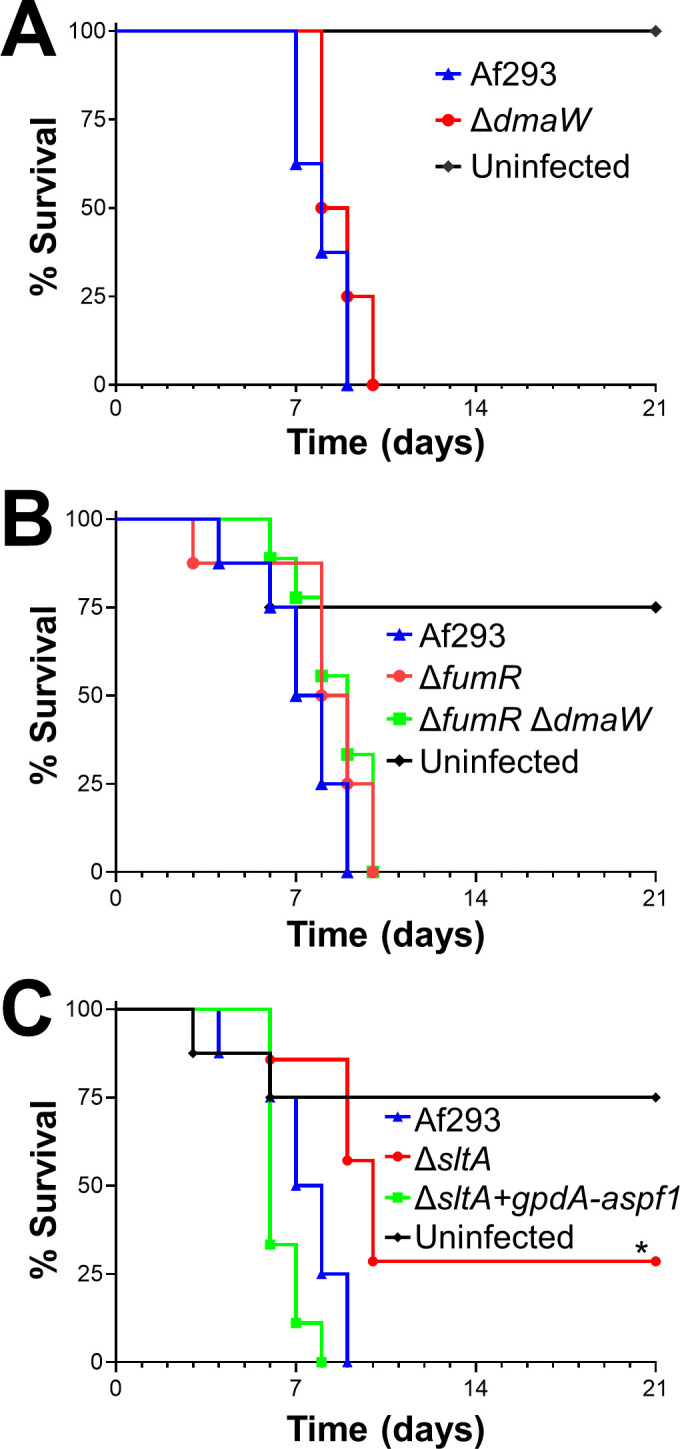
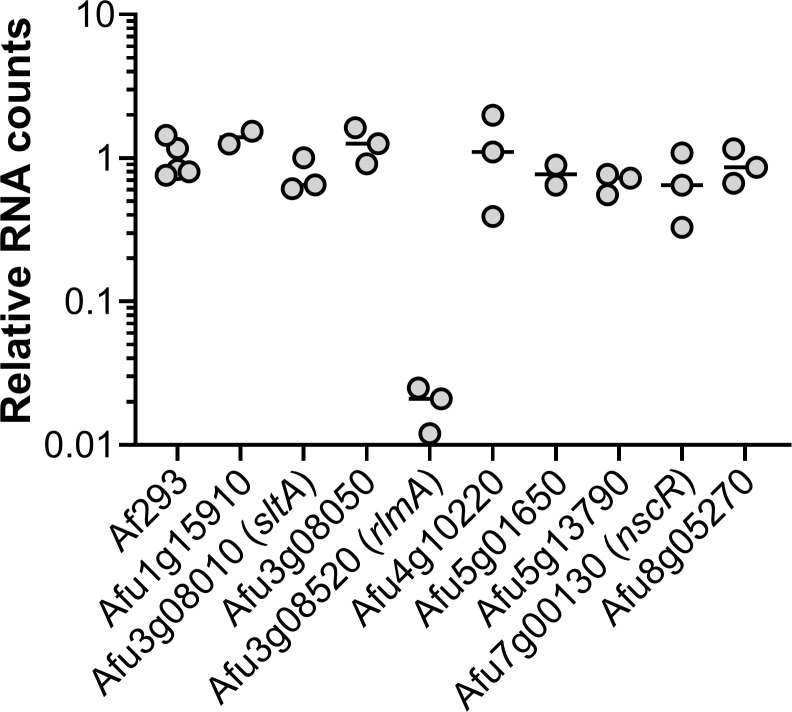
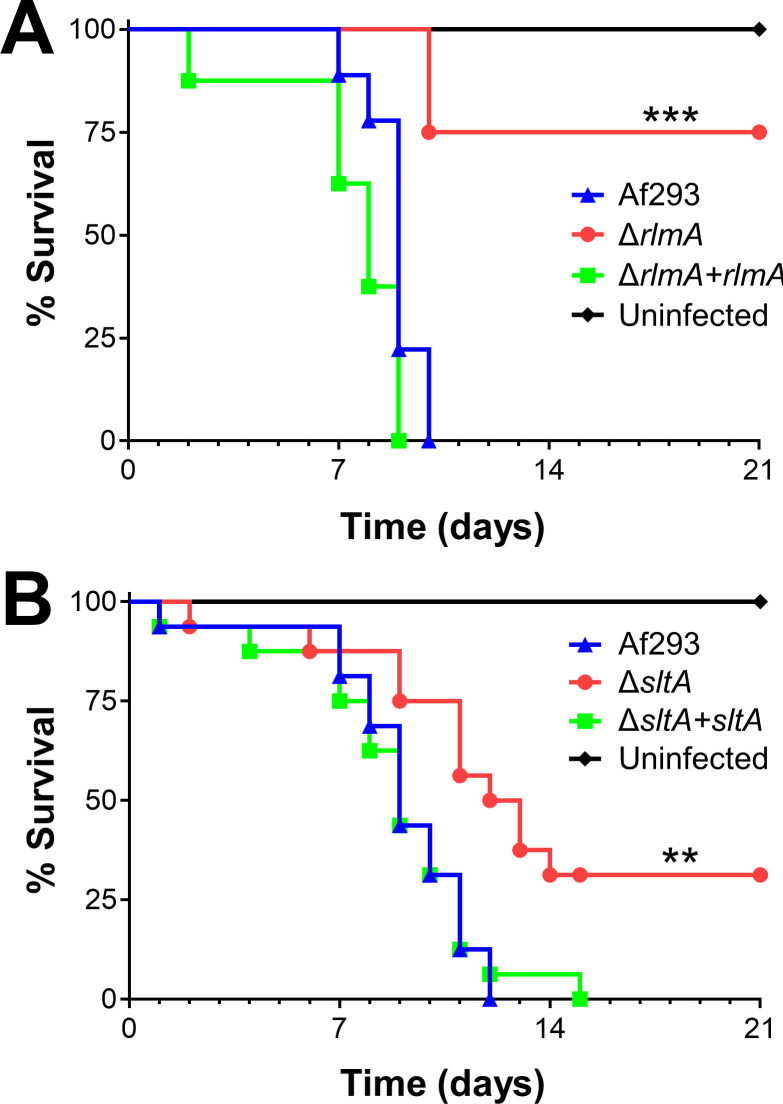
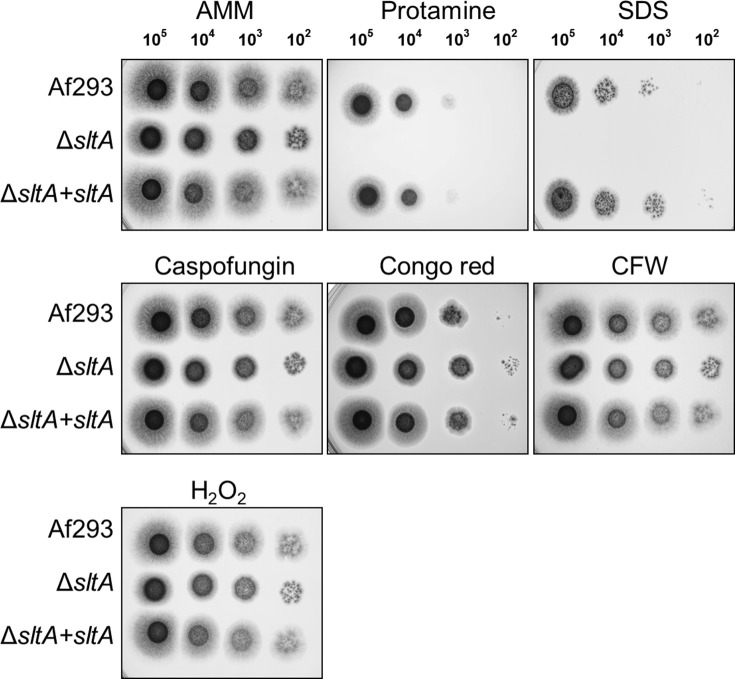
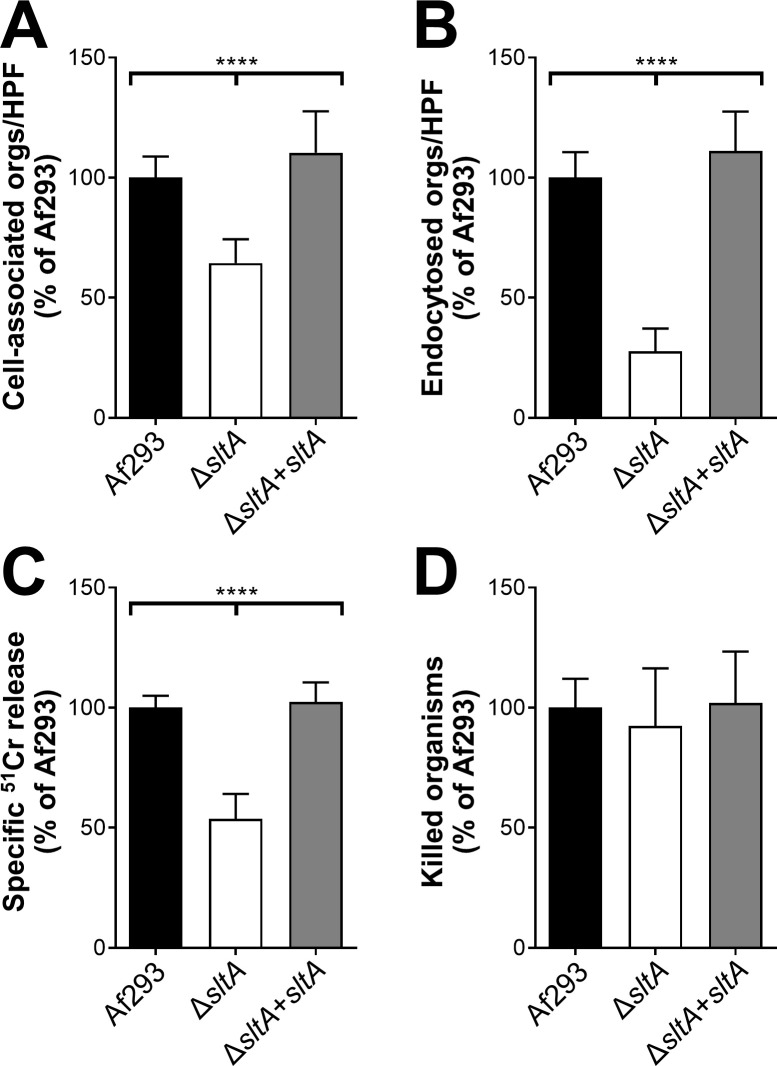
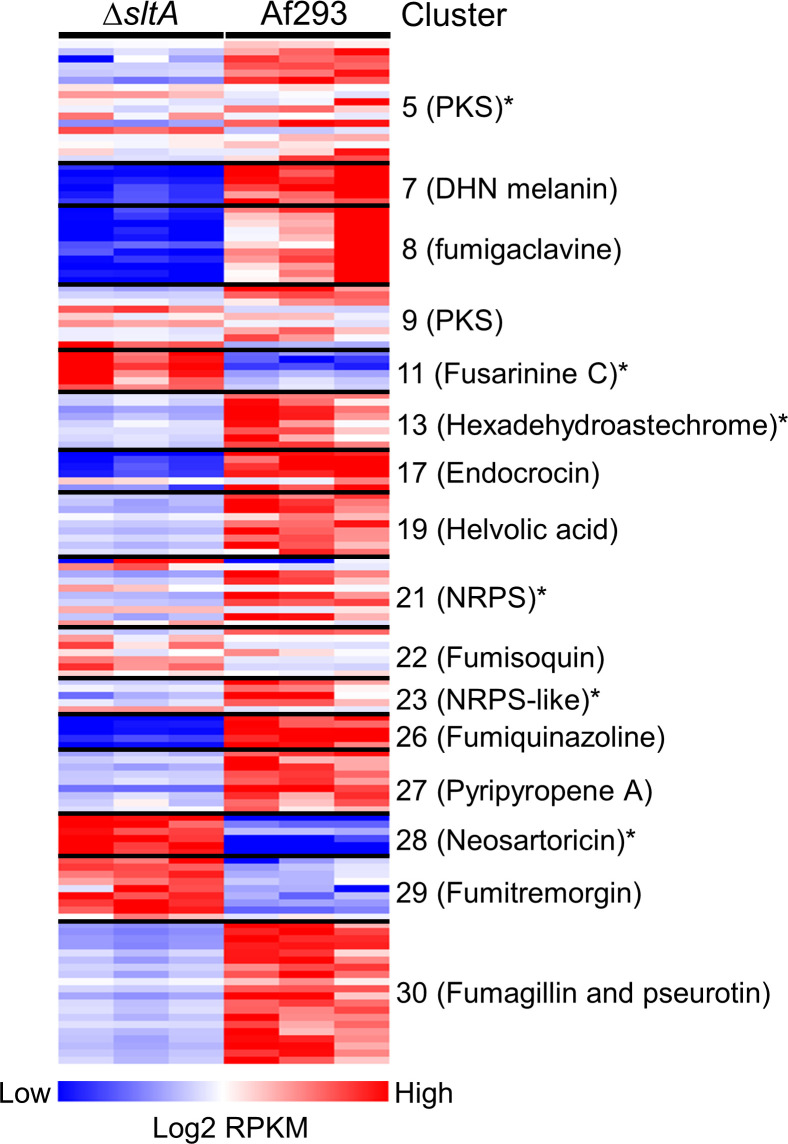
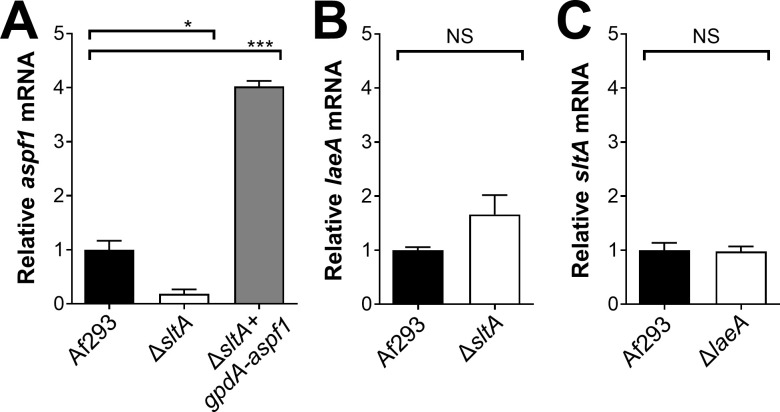
To gain a better understanding of the transcriptional response of Aspergillus fumigatus during invasive pulmonary infection, we used a NanoString nCounter to assess the transcript levels of 467 A. fumigatus genes during growth in the lungs of immunosuppressed mice. These genes included ones known to respond to diverse environmental conditions and those encoding most transcription factors in the A. fumigatus genome. We found that invasive growth in vivo induces a unique transcriptional profile as the organism responds to nutrient limitation and attack by host phagocytes. This in vivo transcriptional response is largely mimicked by in vitro growth in Aspergillus minimal medium that is deficient in nitrogen, iron, and/or zinc. From the transcriptional profiling data, we selected 9 transcription factor genes that were either highly expressed or strongly up-regulated during in vivo growth. Deletion mutants were constructed for each of these genes and assessed for virulence in mice. Two transcription factor genes were found to be required for maximal virulence. One was rlmA, which is required for the organism to achieve maximal fungal burden in the lung. The other was sltA, which regulates of the expression of multiple secondary metabolite gene clusters and mycotoxin genes independently of laeA. Using deletion and overexpression mutants, we determined that the attenuated virulence of the ΔsltA mutant is due in part to decreased expression aspf1, which specifies a ribotoxin, but is not mediated by reduced expression of the fumigaclavine gene cluster or the fumagillin-pseruotin supercluster. Thus, in vivo transcriptional profiling focused on transcription factors genes provides a facile approach to identifying novel virulence regulators.
为了更好地了解烟曲霉在侵袭性肺部感染中的转录反应,我们使用 NanoString nCounter 评估了 467 个烟曲霉基因在免疫抑制小鼠肺部生长时的转录水平。这些基因包括已知对各种环境条件有反应的基因和编码烟曲霉基因组中大多数转录因子的基因。我们发现,体内侵袭性生长会诱导一种独特的转录谱,因为生物体对营养限制和宿主吞噬细胞的攻击做出反应。这种体内转录反应在缺乏氮、铁和/或锌的 Aspergillus 最小培养基中的体外生长中得到了很大程度的模拟。从转录谱数据中,我们选择了 9 个在体内生长过程中表达水平高或强烈上调的转录因子基因。为这些基因中的每一个都构建了缺失突变体,并在小鼠中评估了它们的毒力。发现两个转录因子基因对于最大毒力是必需的。一个是 rlmA,它是生物体在肺部达到最大真菌负荷所必需的。另一个是 sltA,它独立于 laeA 调节多个次级代谢物基因簇和真菌毒素基因的表达。通过缺失和过表达突变体,我们确定了 ΔsltA 突变体的毒力减弱部分是由于 aspf1 的表达降低,aspf1 指定一种核糖核酸酶,但不是通过 fumigaclavine 基因簇或 fumagillin-pseruotin 超级簇的表达降低介导的。因此,针对转录因子基因的体内转录谱分析为鉴定新的毒力调节因子提供了一种简便的方法。