Pamphlett Roger, Doble Philip A, Bishop David P
Discipline of Pathology, Brain and Mind Centre, Sydney Medical School, The University of Sydney, Sydney 2050, Australia.
Department of Neuropathology, Royal Prince Alfred Hospital, Sydney 2050, Australia.
Toxics. 2021 Mar 21;9(3):67. doi: 10.3390/toxics9030067.
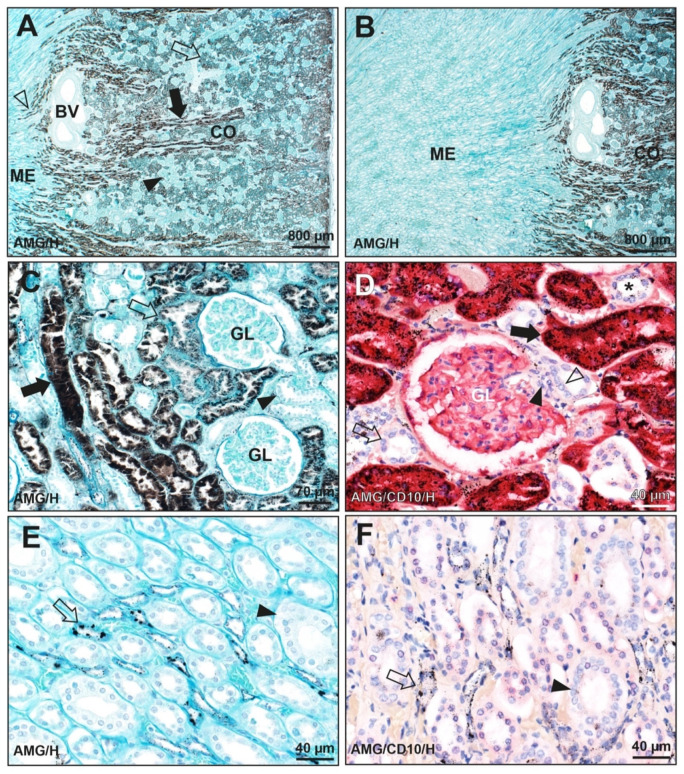
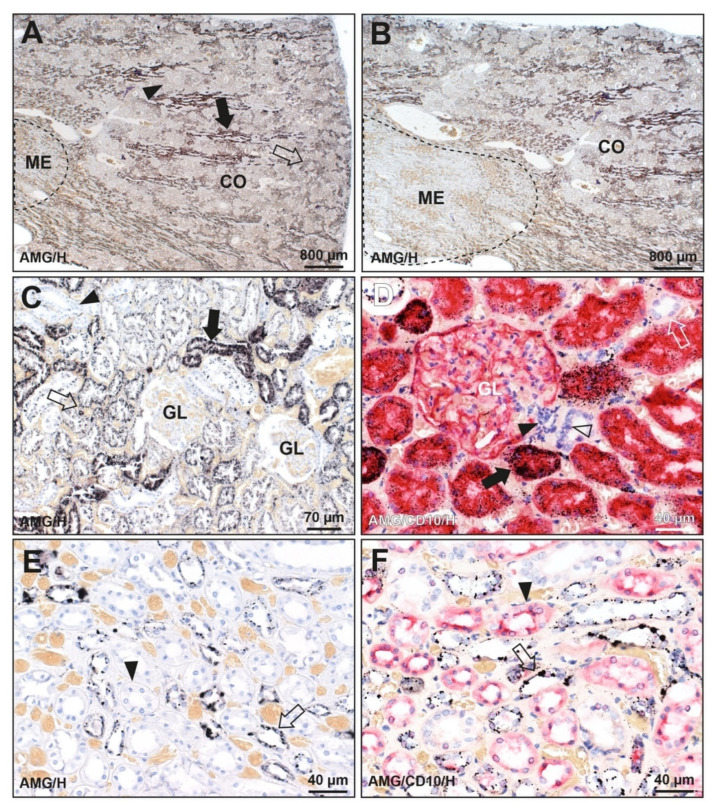
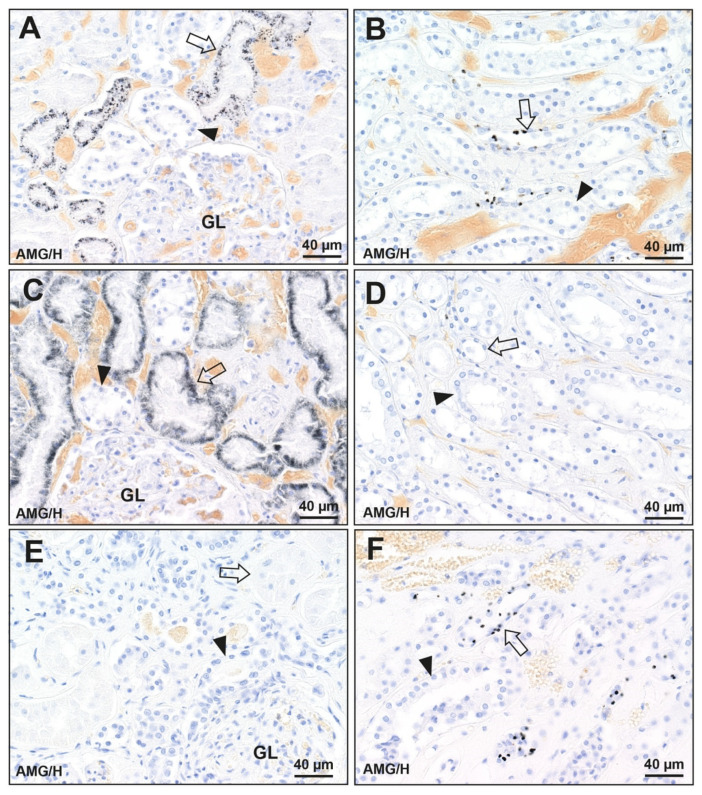
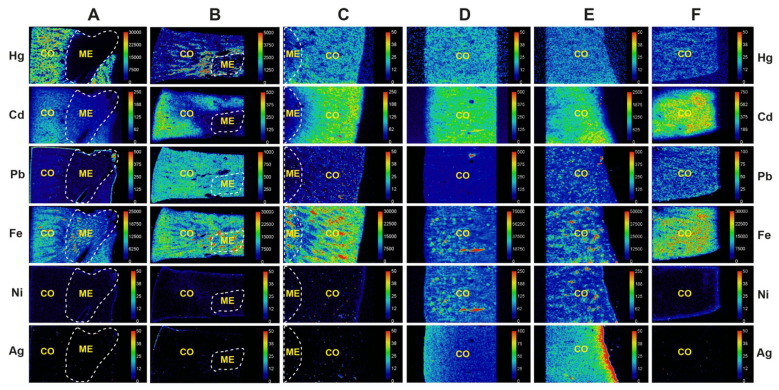
The kidney plays a dominant role in the pathogenesis of essential hypertension, but the initial pathogenic events in the kidney leading to hypertension are not known. Exposure to mercury has been linked to many diseases including hypertension in epidemiological and experimental studies, so we studied the distribution and prevalence of mercury in the human kidney. Paraffin sections of kidneys were available from 129 people ranging in age from 1 to 104 years who had forensic/coronial autopsies. One individual had injected himself with metallic mercury, the other 128 were from varied clinicopathological backgrounds without known exposure to mercury. Sections were stained for inorganic mercury using autometallography. Laser ablation-inductively coupled plasma-mass spectrometry (LA-ICP-MS) was used on six samples to confirm the presence of autometallography-detected mercury and to look for other toxic metals. In the 128 people without known mercury exposure, mercury was found in: (1) proximal tubules of the cortex and Henle thin loops of the medulla, in 25% of kidneys (and also in the man who injected himself with mercury), (2) proximal tubules only in 16% of kidneys, and (3) Henle thin loops only in 23% of kidneys. The age-related proportion of people who had any mercury in their kidney was 0% at 1-20 years, 66% at 21-40 years, 77% at 41-60 years, 84% at 61-80 years, and 64% at 81-104 years. LA-ICP-MS confirmed the presence of mercury in samples staining with autometallography and showed cadmium, lead, iron, nickel, and silver in some kidneys. In conclusion, mercury is found commonly in the adult human kidney, where it appears to accumulate in proximal tubules and Henle thin loops until an advanced age. Dysfunctions of both these cortical and medullary regions have been implicated in the pathogenesis of essential hypertension, so these findings suggest that further studies of the effects of mercury on blood pressure are warranted.
肾脏在原发性高血压的发病机制中起主要作用,但导致高血压的肾脏初始致病事件尚不清楚。在流行病学和实验研究中,接触汞已与包括高血压在内的多种疾病相关联,因此我们研究了汞在人肾脏中的分布和流行情况。肾脏石蜡切片取自129名年龄在1岁至104岁之间接受法医/死因解剖的人。其中一人曾注射金属汞,另外128人来自不同的临床病理背景,无已知汞接触史。切片采用自动金相显微镜法对无机汞进行染色。对六个样本使用激光烧蚀电感耦合等离子体质谱法(LA-ICP-MS)来确认自动金相显微镜法检测到的汞的存在,并寻找其他有毒金属。在128名无已知汞接触史的人中,汞存在于:(1)25%的肾脏的皮质近端小管和髓质的亨氏细段(注射汞的人也如此),(2)仅16%的肾脏的近端小管,以及(3)仅23%的肾脏的亨氏细段。肾脏中有任何汞的人群中,与年龄相关的比例在1至20岁时为0%,21至40岁时为66%,41至60岁时为77%,61至80岁时为84%,81至104岁时为64%。LA-ICP-MS证实了自动金相显微镜法染色样本中汞的存在,并在一些肾脏中显示出镉、铅、铁、镍和银。总之,汞在成人肾脏中普遍存在,似乎在近端小管和亨氏细段中积累直至高龄。这两个皮质和髓质区域的功能障碍都与原发性高血压的发病机制有关,因此这些发现表明有必要进一步研究汞对血压的影响。