Liu Zhengjun, An Chuanjing, Zhao Yiqing, Xiao Yao, Bao Lu, Gong Chunmei, Gao Yuefang
College of Horticulture, Northwest A&F University, Xianyang 712100, China.
State Key Laboratory of Natural and Biomimetic Drugs, Department of Chemical Biology, School of Pharmaceutical Sciences, Peking University, Beijing 100191, China.
Plants (Basel). 2021 Mar 17;10(3):570. doi: 10.3390/plants10030570.
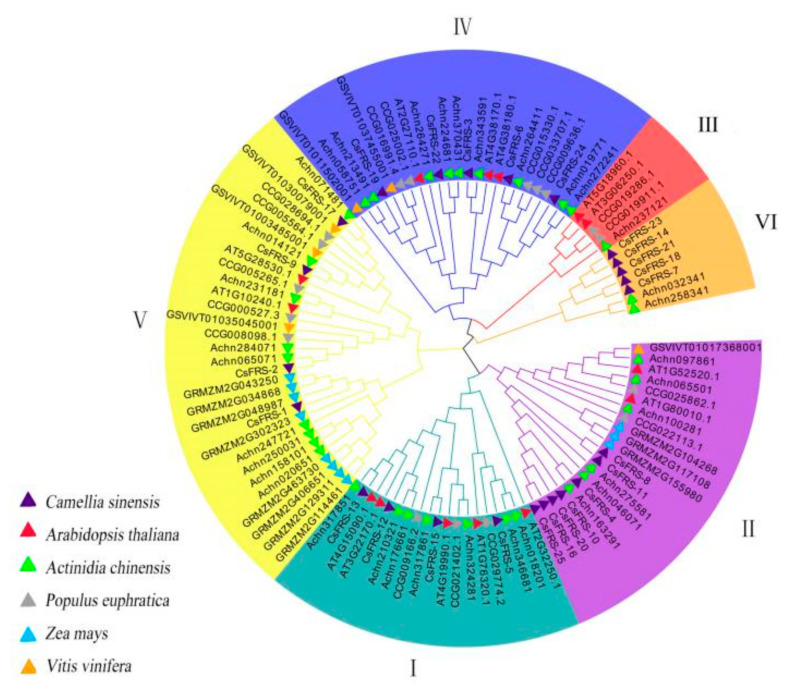
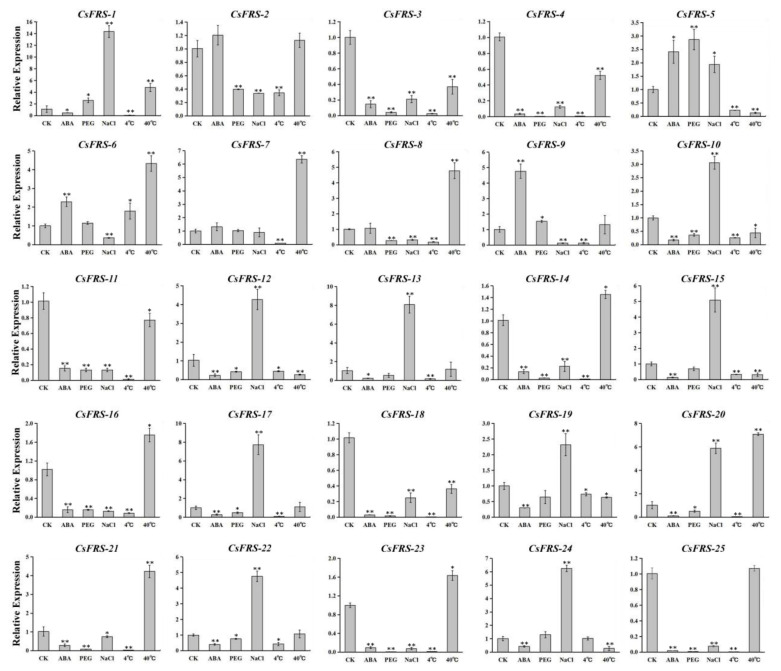
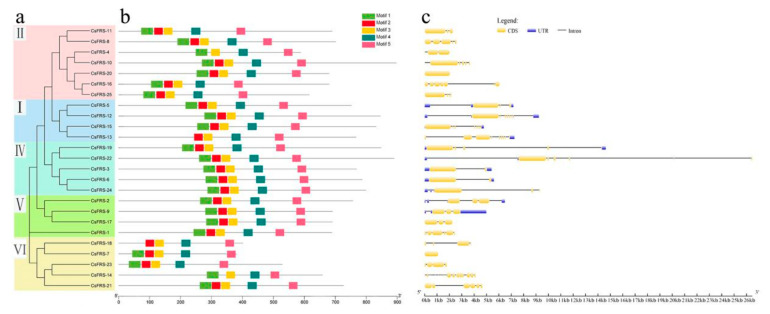
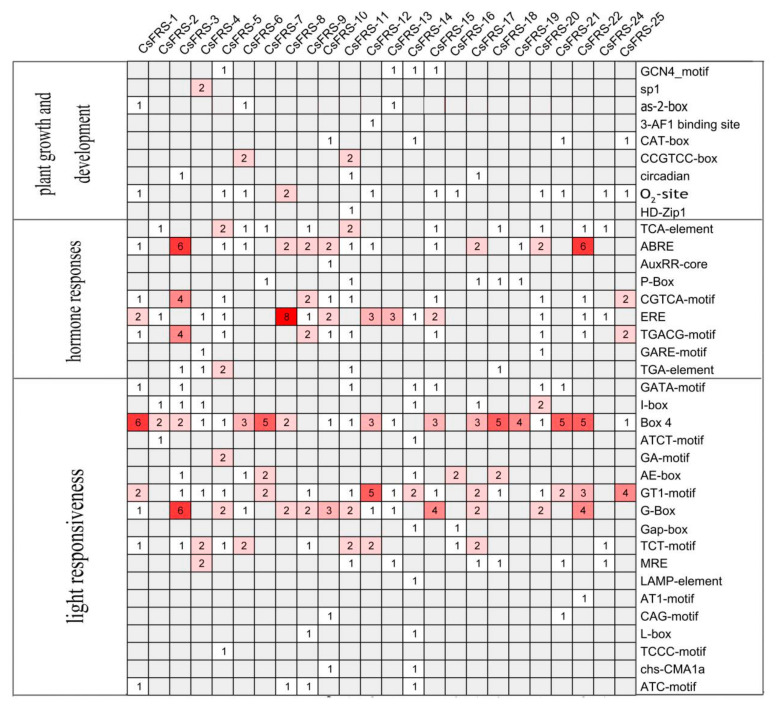
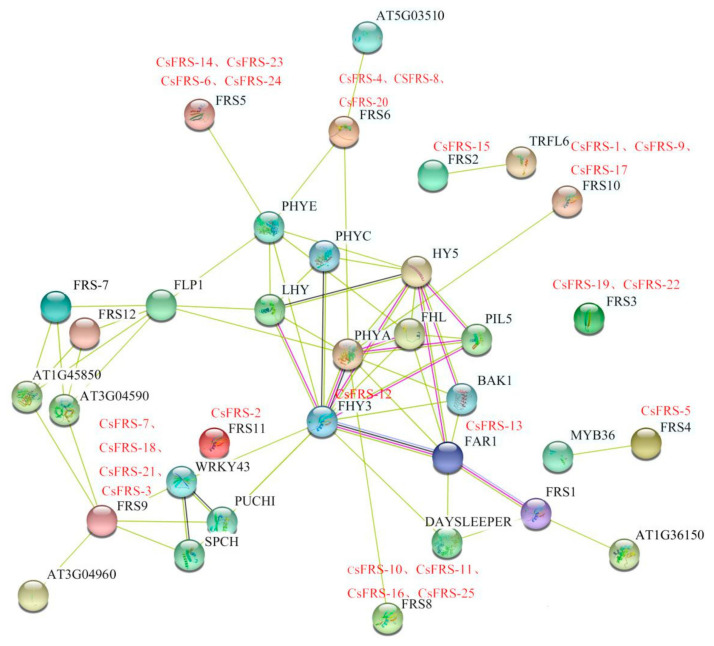
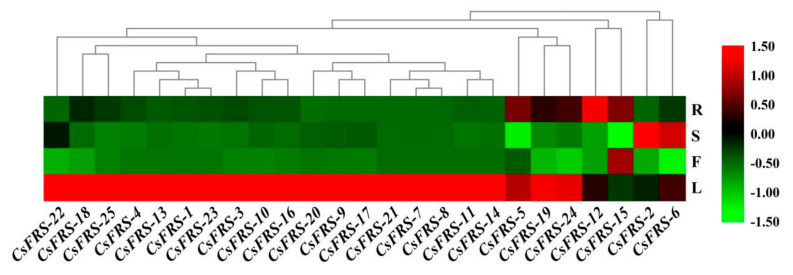
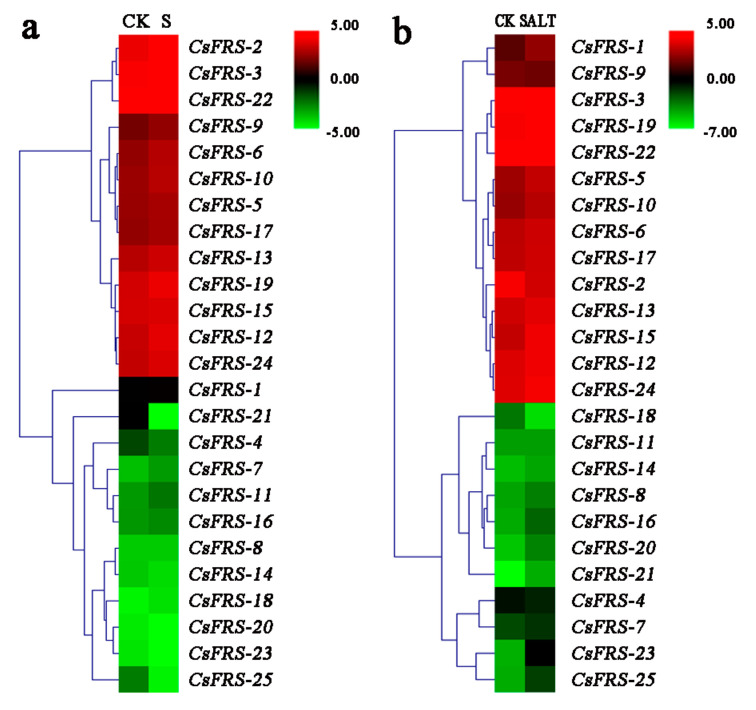
The transcription factor family, derived from transposases, plays important roles in light signal transduction, and in the growth and development of plants. However, the homologous genes in tea plants have not been studied. In this study, 25 genes were identified in the tea plant genome through a genome-wide study, and were classified into five subgroups based on their phylogenic relationships. Their potential regulatory roles in light signal transduction and photomorphogenesis, plant growth and development, and hormone responses were verified by the existence of the corresponding -acting elements. The transcriptome data showed that these genes could respond to salt stress and shading treatment. An expression analysis revealed that, in different tissues, especially in leaves, were strongly expressed, and most of these genes were positively expressed under salt stress (NaCl), and negatively expressed under low temperature (4 °C) stress. In addition, a potential interaction network demonstrated that PHYA, PHYC, PHYE, LHY, FHL, HY5, and other FRSs were directly or indirectly associated with CsFHY3/FAR1 members. These results will provide the foundation for functional studies of the CsFHY3/FAR1 family, and will contribute to the breeding of tea varieties with high light efficiency and strong stress resistance.
源自转座酶的转录因子家族在光信号转导以及植物的生长发育中发挥着重要作用。然而,茶树中的同源基因尚未得到研究。在本研究中,通过全基因组研究在茶树基因组中鉴定出25个基因,并根据它们的系统发育关系分为五个亚组。通过相应顺式作用元件的存在验证了它们在光信号转导和光形态建成、植物生长发育以及激素反应中的潜在调控作用。转录组数据表明这些基因可响应盐胁迫和遮荫处理。表达分析显示,在不同组织中,尤其是在叶片中,这些基因强烈表达,并且这些基因中的大多数在盐胁迫(NaCl)下呈正表达,在低温(4℃)胁迫下呈负表达。此外,一个潜在的相互作用网络表明,PHYA、PHYC、PHYE、LHY、FHL、HY5和其他FRSs与CsFHY3/FAR1成员直接或间接相关。这些结果将为CsFHY3/FAR1家族的功能研究提供基础,并将有助于高光效和强抗逆性茶树品种的培育。