Hernansanz-Agustín Pablo, Enríquez José Antonio
Fundación Centro Nacional de Investigaciones Cardiovasculares Carlos III CNIC, 28029 Madrid, Spain.
Centro de Investigaciones Biomédica en Red de Fragilidad y Envejecimiento, Saludable-CIBERFES. Av, Monforte de Lemos, 28029 Madrid, Spain.
Antioxidants (Basel). 2021 Mar 9;10(3):415. doi: 10.3390/antiox10030415.
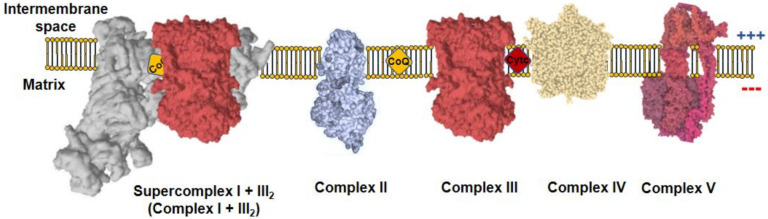
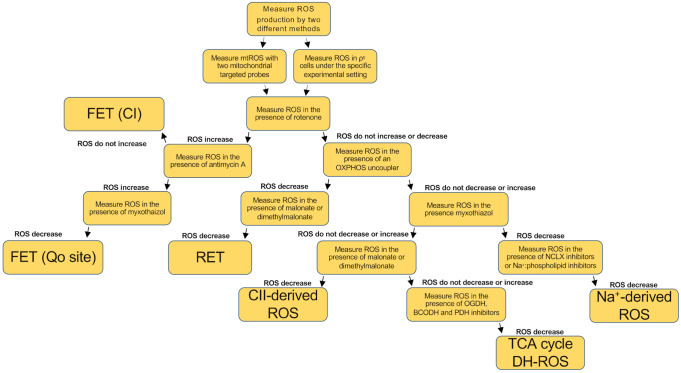
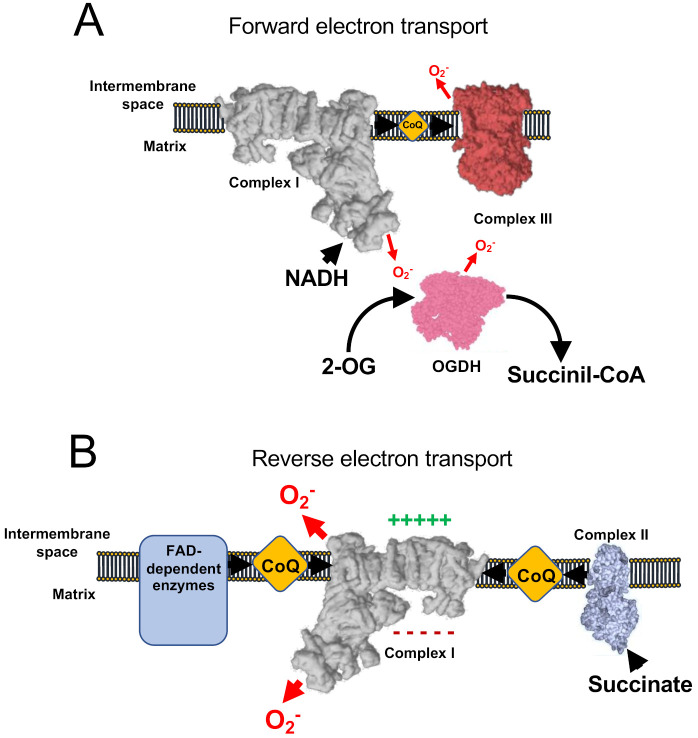
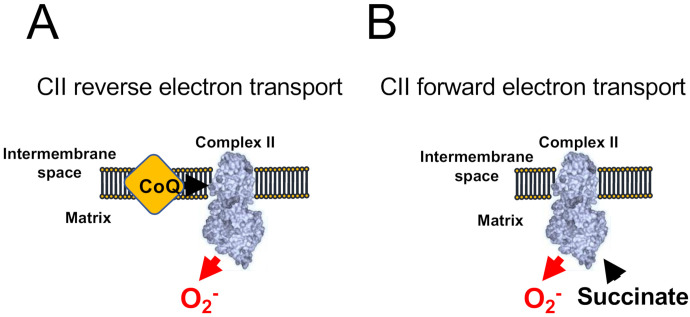
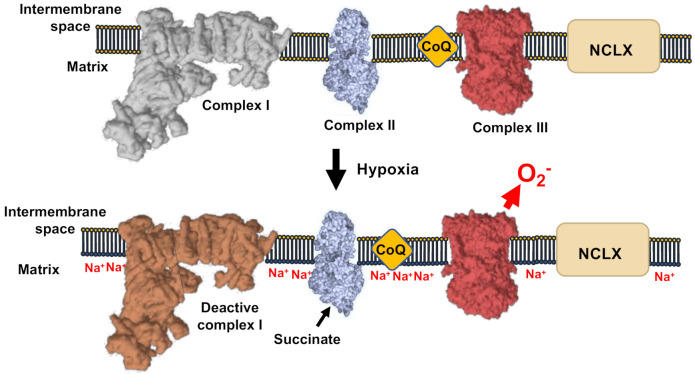
Reactive oxygen species (ROS) are series of chemical products originated from one or several electron reductions of oxygen. ROS are involved in physiology and disease and can also be both cause and consequence of many biological scenarios. Mitochondria are the main source of ROS in the cell and, particularly, the enzymes in the electron transport chain are the major contributors to this phenomenon. Here, we comprehensively review the modes by which ROS are produced by mitochondria at a molecular level of detail, discuss recent advances in the field involving signalling and disease, and the involvement of supercomplexes in these mechanisms. Given the importance of mitochondrial ROS, we also provide a schematic guide aimed to help in deciphering the mechanisms involved in their production in a variety of physiological and pathological settings.
活性氧(ROS)是由氧的单电子或多电子还原产生的一系列化学产物。ROS参与生理过程和疾病发生,并且在许多生物学过程中既是原因也是结果。线粒体是细胞内ROS的主要来源,特别是电子传递链中的酶是这一现象的主要促成因素。在此,我们在分子细节水平上全面综述线粒体产生ROS的方式,讨论该领域在信号传导和疾病方面的最新进展,以及超复合物在这些机制中的作用。鉴于线粒体ROS的重要性,我们还提供了一个示意图指南,旨在帮助解读在各种生理和病理环境中其产生所涉及的机制。