Centre for Tissue Engineering and Regenerative Medicine, Universiti Kebangsaan Malaysia Medical Centre, 12th Floor, Clinical Block, Jalan Yaacob Latif, Bandar Tun Razak, Cheras, Kuala Lumpur 56000, Malaysia.
Clinical Skills Learning and Simulation Unit, Department of Medical Education, Universiti Kebangsaan Malaysia Medical Centre, Jalan Yaacob Latif, Bandar Tun Razak, Cheras, Kuala Lumpur 56000, Malaysia.
Int J Mol Sci. 2021 Mar 25;22(7):3350. doi: 10.3390/ijms22073350.
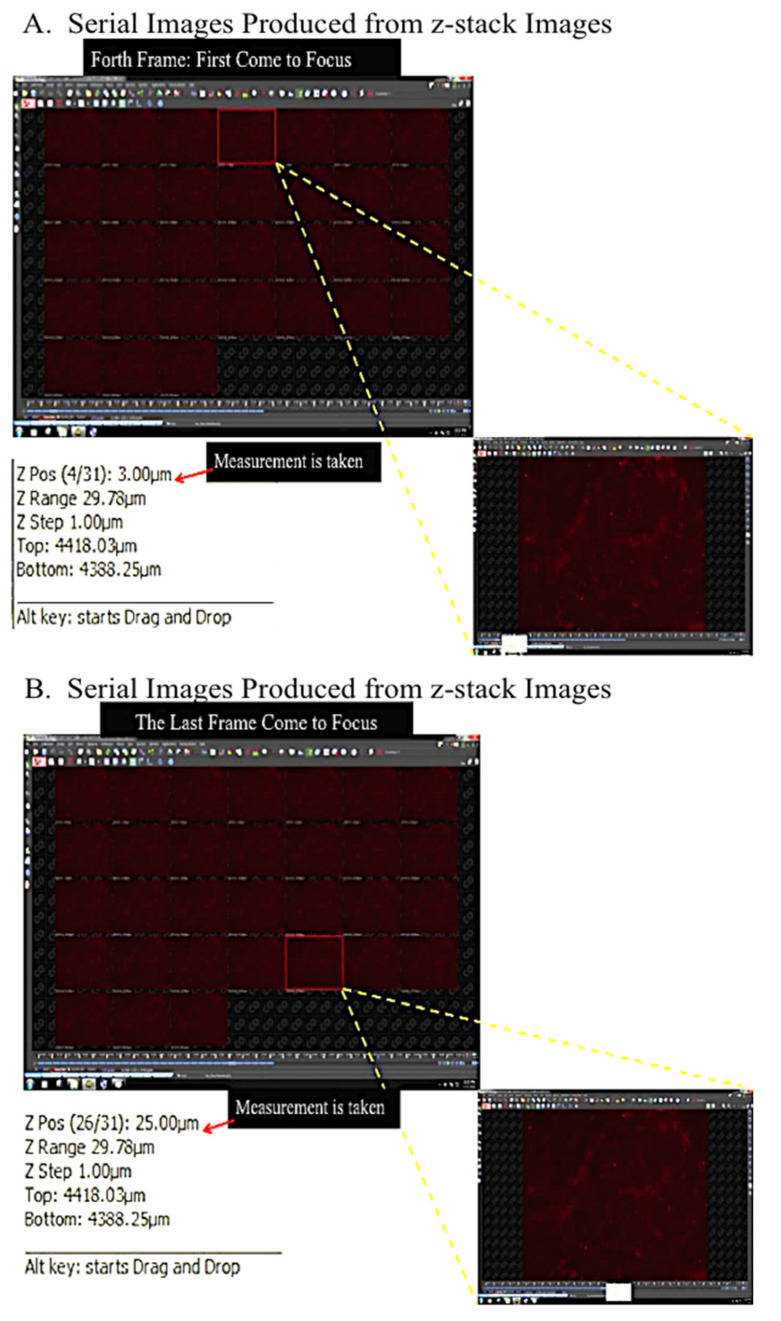
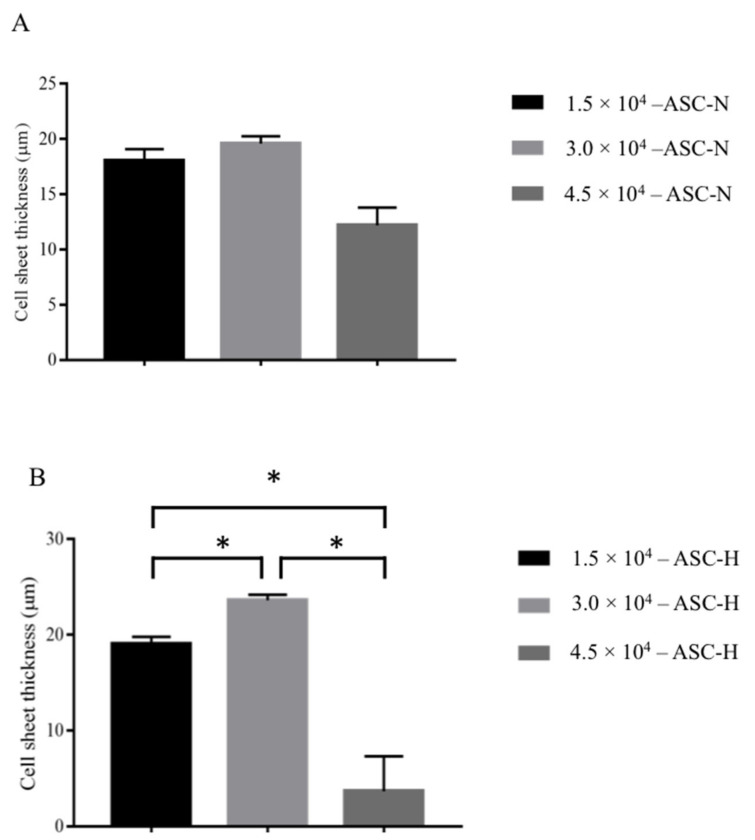
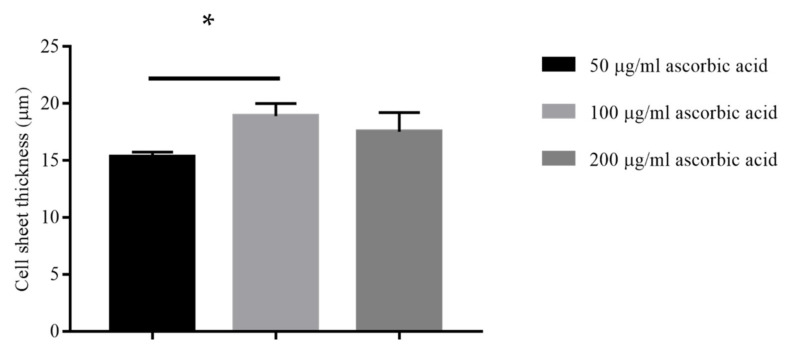
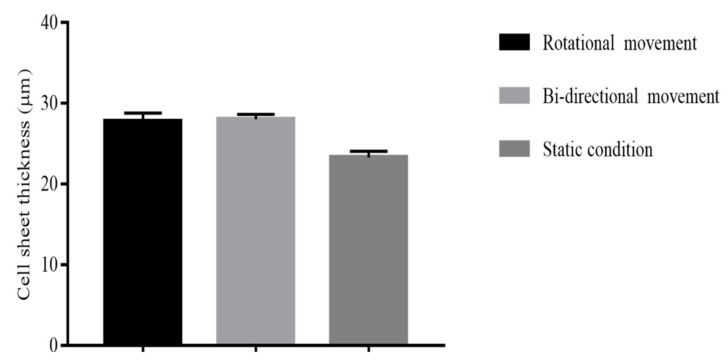
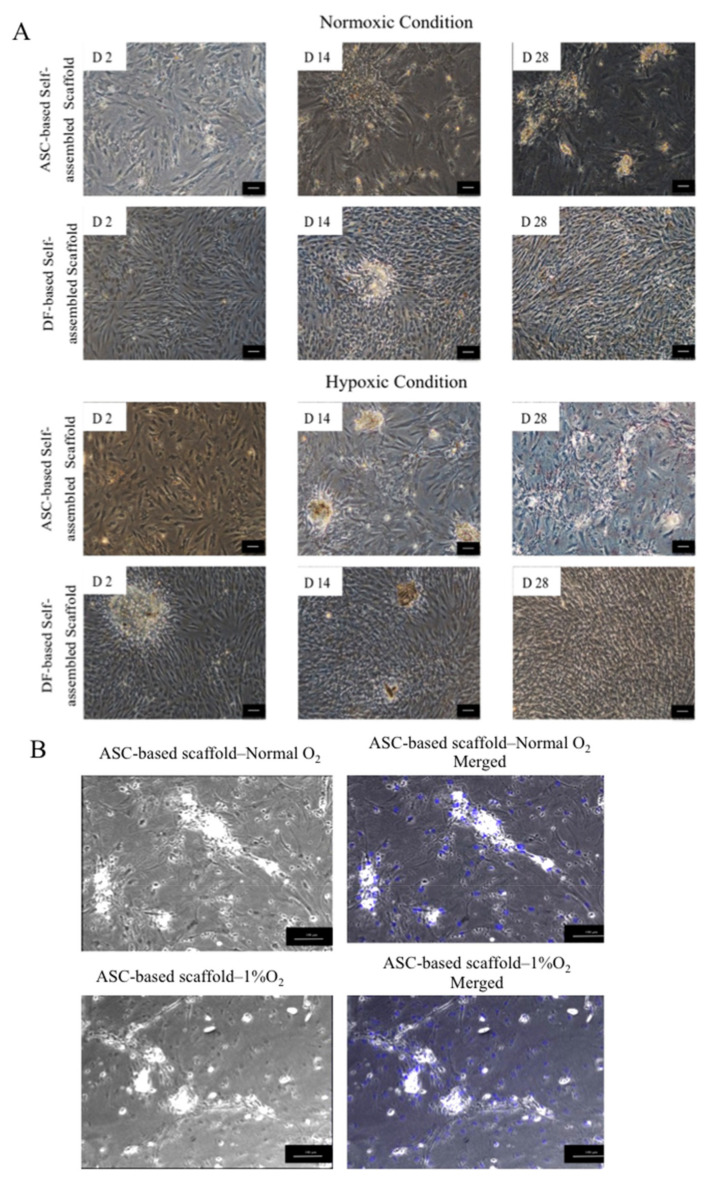
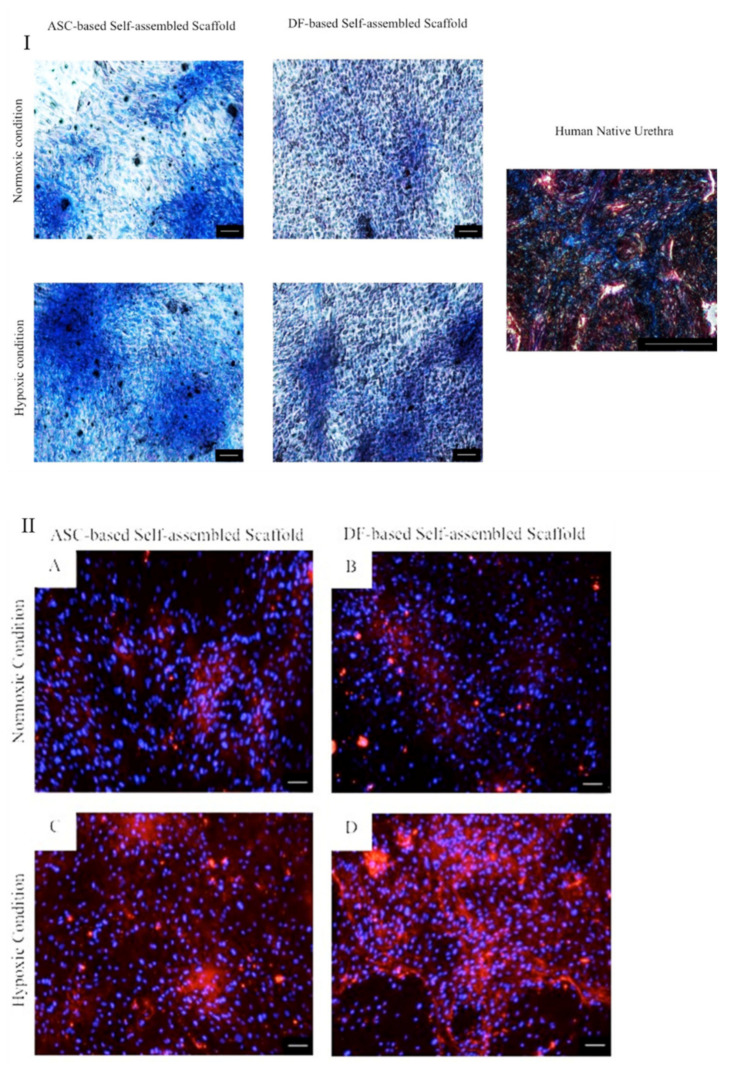
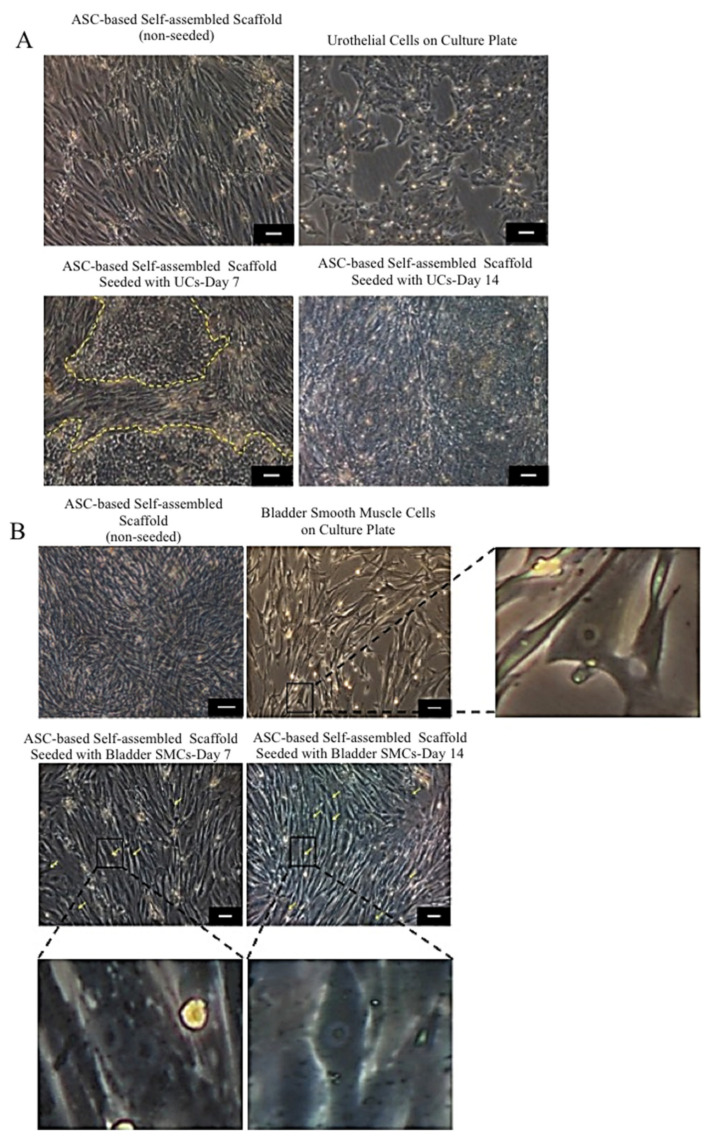
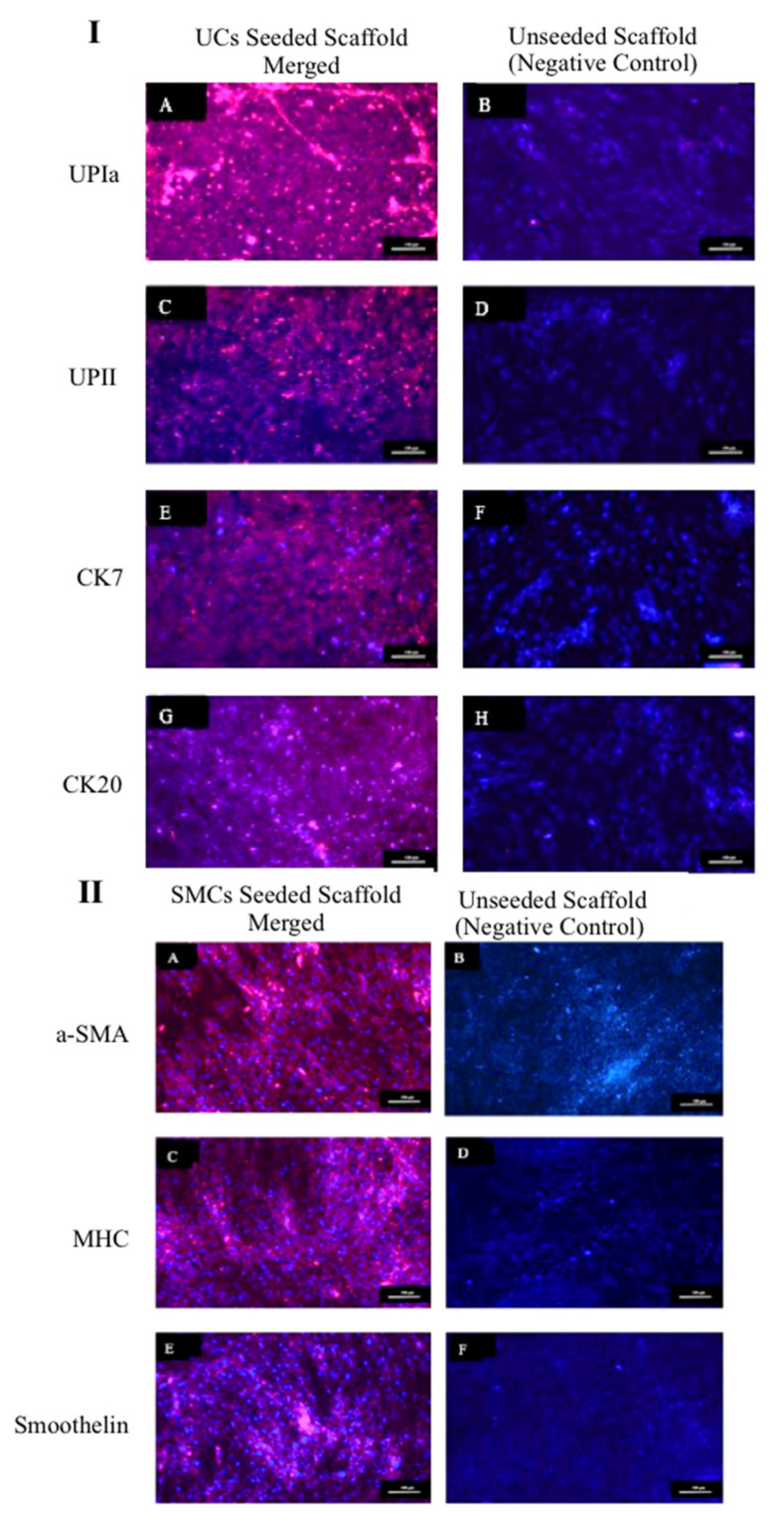
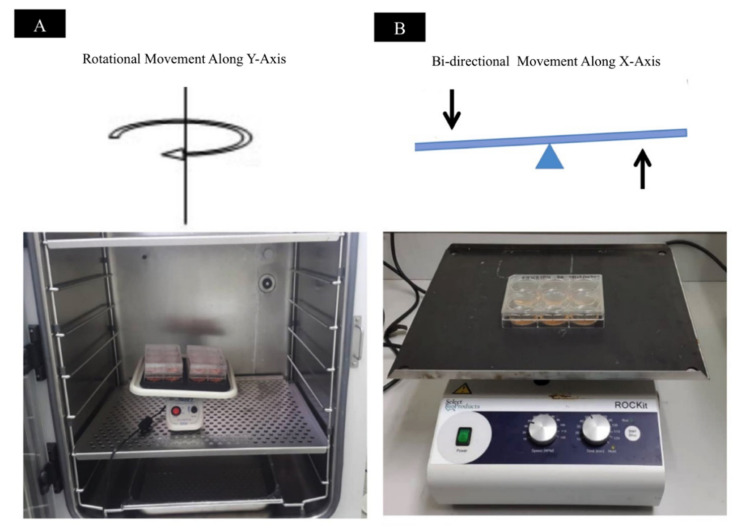
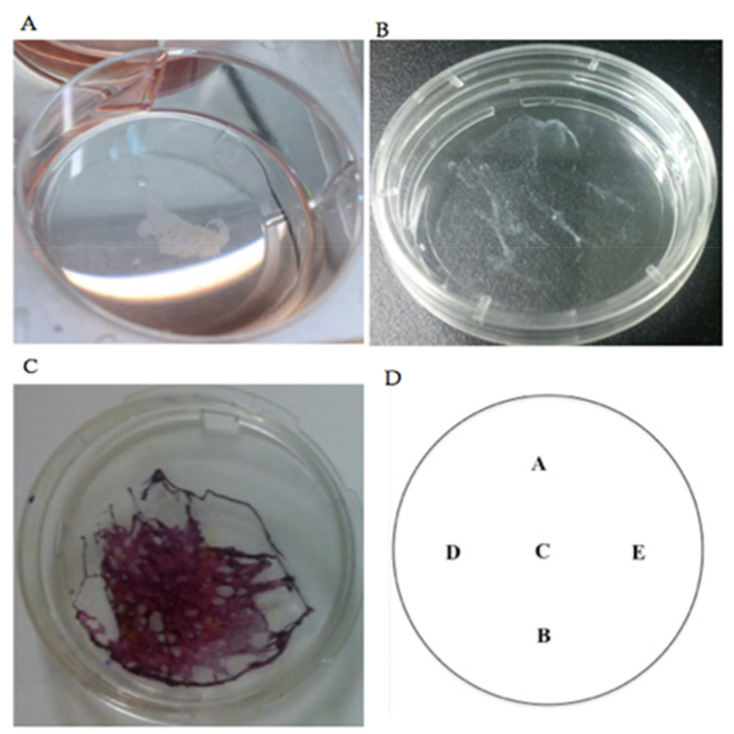
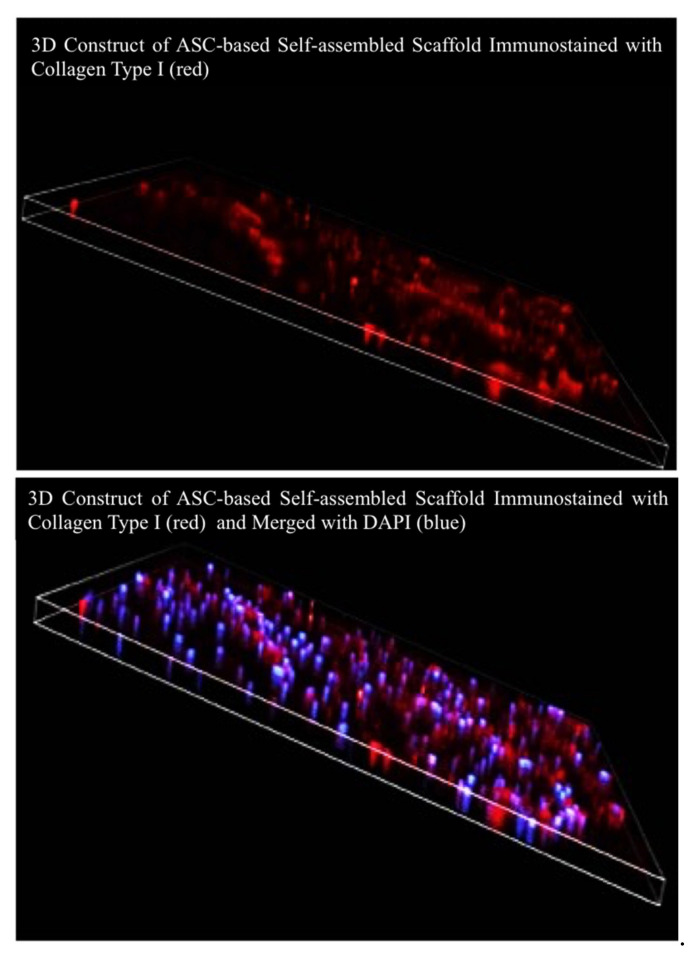
Long urethral strictures are often treated with autologous genital skin and buccal mucosa grafts; however, risk of hair ingrowth and donor site morbidity, restrict their application. To overcome this, we introduced a tissue-engineered human urethra comprising adipose-derived stem cell (ASC)-based self-assembled scaffold, human urothelial cells (UCs) and smooth muscle cells (SMCs). ASCs were cultured with ascorbic acid to stimulate extracellular matrix (ECM) production. The scaffold (ECM) was stained with collagen type-I antibody and the thickness was measured under a confocal microscope. Results showed that the thickest scaffold (28.06 ± 0.59 μm) was achieved with 3 × 10 cells/cm seeding density, 100 μg/mL ascorbic acid concentration under hypoxic and dynamic culture condition. The biocompatibility assessment showed that UCs and SMCs seeded on the scaffold could proliferate and maintain the expression of their markers (CK7, CK20, UPIa, and UPII) and (α-SMA, MHC and Smootheline), respectively, after 14 days of in vitro culture. ECM gene expression analysis showed that the ASC and dermal fibroblast-based scaffolds (control) were comparable. The ASC-based scaffold can be handled and removed from the plate. This suggests that multiple layers of scaffold can be stacked to form the urothelium (seeded with UCs), submucosal layer (ASCs only), and smooth muscle layer (seeded with SMCs) and has the potential to be developed into a fully functional human urethra for urethral reconstructive surgeries.
长段尿道狭窄通常采用自体生殖器皮肤和颊黏膜移植物进行治疗;然而,毛发内生和供体部位发病率的风险限制了它们的应用。为了克服这个问题,我们引入了一种组织工程化的人尿道,包括脂肪来源的干细胞(ASC)为基础的自组装支架、人尿路上皮细胞(UCs)和平滑肌细胞(SMCs)。将 ASC 与抗坏血酸培养以刺激细胞外基质(ECM)的产生。用胶原蛋白 I 抗体对支架进行染色,并在共聚焦显微镜下测量其厚度。结果表明,在 3×10 个细胞/cm 接种密度、100μg/mL 抗坏血酸浓度、低氧和动态培养条件下,可获得最厚的支架(28.06±0.59μm)。生物相容性评估表明,在体外培养 14 天后,接种在支架上的 UCs 和 SMCs 可以增殖,并维持其标志物(CK7、CK20、UPIa 和 UPII)和(α-SMA、MHC 和 Smootheline)的表达。ECM 基因表达分析表明,ASC 和真皮成纤维细胞为基础的支架(对照)具有可比性。ASC 为基础的支架可以被处理和从板上移除。这表明可以堆叠多层支架以形成尿路上皮(接种 UCs)、黏膜下层(仅 ASC)和平滑肌层(接种 SMCs),并有可能开发成用于尿道重建手术的完全功能的人尿道。