Department of Pharmaceutical Sciences, ILR College of Pharmacy, Texas A&M Health Science Center, Kingsville TX 78363, USA.
Academy High School, Santa Gertrudis ISD, Kingsville, TX 78363, USA.
Mediators Inflamm. 2021 Mar 16;2021:6618924. doi: 10.1155/2021/6618924. eCollection 2021.
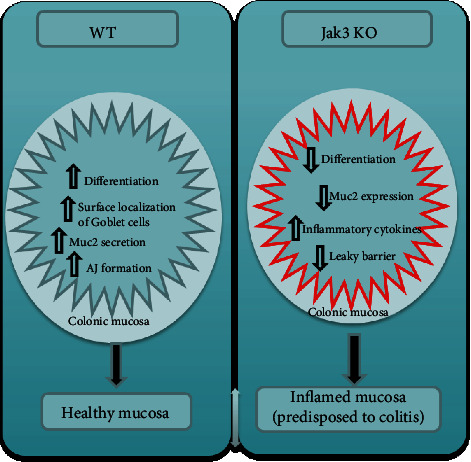
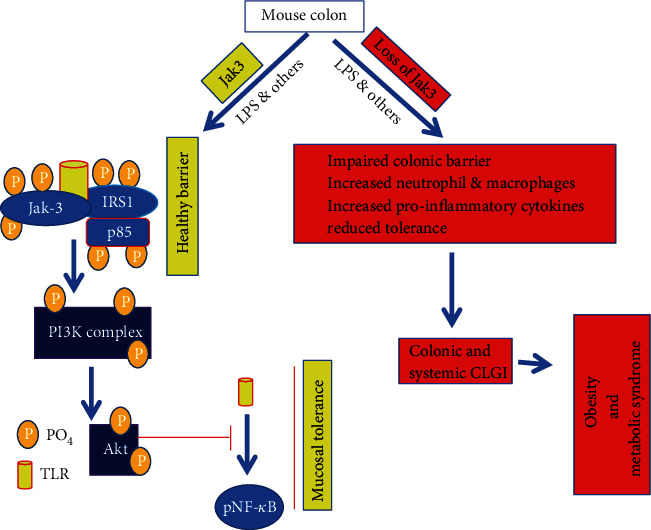
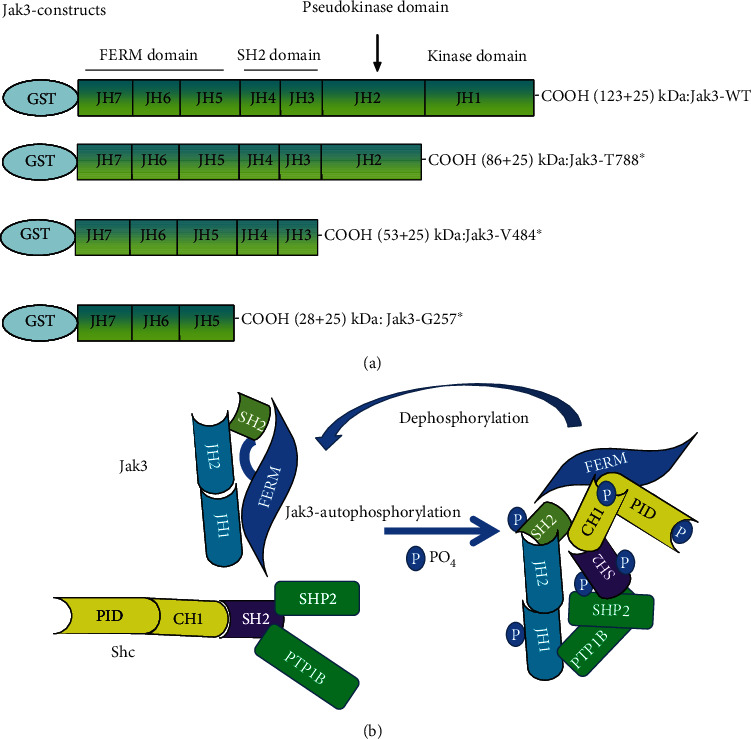
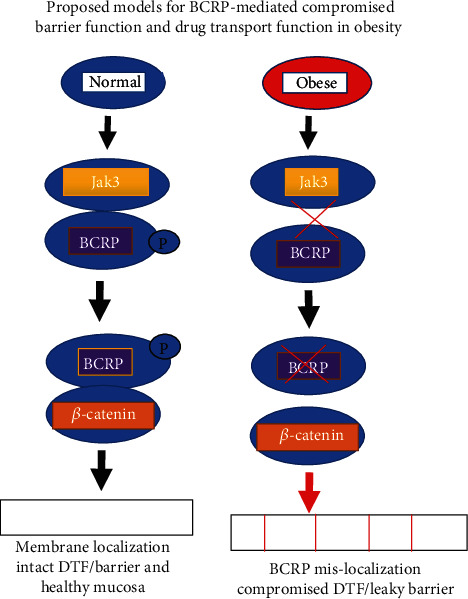
Janus kinases (Jaks) are a family of nonreceptor tyrosine kinase that include four different members, ., Jak1, Jak2, Jak3, and Tyk2. Jaks play critical roles in immune cells functions; however, recent studies suggest they also play essential roles in nonimmune cell physiology. This review highlights the significance of epithelial Jaks in understanding the molecular basis of some of the diseases through regulation of epithelial-mesenchymal transition, cell survival, cell growth, development, and differentiation. Growth factors and cytokines produced by the cells of hematopoietic origin use Jak kinases for signal transduction in both immune and nonimmune cells. Among Jaks, Jak3 is widely expressed in both immune cells and in intestinal epithelial cells (IECs) of both humans and mice. Mutations that abrogate Jak3 functions cause an autosomal severe combined immunodeficiency disease (SCID) while activating Jak3 mutations lead to the development of hematologic and epithelial cancers. A selective Jak3 inhibitor CP-690550 (Xeljanz) approved by the FDA for certain chronic inflammatory conditions demonstrates immunosuppressive activity in rheumatoid arthritis, psoriasis, and organ transplant rejection. Here, we also focus on the consequences of Jak3-directed drugs on adverse effects in light of recent discoveries in mucosal epithelial functions of Jak3 with some information on other Jaks. Lastly, we brief on structural implications of Jak3 domains beyond the immune cells. As information about the roles of Jak3 in gastrointestinal functions and associated diseases are only just emerging, in the review, we summarize its implications in gastrointestinal wound repair, inflammatory bowel disease, obesity-associated metabolic syndrome, and epithelial cancers. Lastly, we shed lights on identifying potential novel targets in developing therapeutic interventions of diseases associated with dysfunctional IEC.
Janus 激酶(Jaks)是一类非受体酪氨酸激酶家族,包括四个不同的成员:Jak1、Jak2、Jak3 和 Tyk2。Jaks 在免疫细胞功能中发挥着关键作用;然而,最近的研究表明,它们在非免疫细胞生理学中也起着至关重要的作用。这篇综述强调了上皮细胞 Jaks 在通过调节上皮-间充质转化、细胞存活、细胞生长、发育和分化来理解某些疾病的分子基础方面的重要性。由造血细胞产生的生长因子和细胞因子利用 Jak 激酶在免疫和非免疫细胞中进行信号转导。在 Jaks 中,Jak3 在免疫细胞和人类及小鼠的肠道上皮细胞(IECs)中广泛表达。消除 Jak3 功能的突变会导致常染色体严重联合免疫缺陷病(SCID),而激活 Jak3 的突变会导致血液系统和上皮性癌症的发展。FDA 批准的选择性 Jak3 抑制剂 CP-690550(Xeljanz)用于某些慢性炎症性疾病,在类风湿关节炎、银屑病和器官移植排斥反应中显示出免疫抑制活性。在这里,我们还根据最近在 Jak3 靶向药物对肠道上皮细胞功能的不良影响方面的发现,重点讨论了 Jak3 靶向药物的后果,并提供了其他 Jaks 的一些信息。最后,我们简要介绍了 Jak3 结构域超越免疫细胞的结构影响。由于关于 Jak3 在胃肠道功能和相关疾病中的作用的信息才刚刚出现,因此在综述中,我们总结了它在胃肠道伤口修复、炎症性肠病、肥胖相关代谢综合征和上皮性癌症中的作用。最后,我们阐明了在开发与功能失调的 IEC 相关疾病的治疗干预措施中识别潜在新靶点的重要性。