Lydia Becker Institute of Immunology and Inflammation, Division of Infection, Immunity, and Respiratory Medicine, School of Biological Sciences, Faculty of Biology, Medicine, and Health, University of Manchester, Manchester Academic Health Science Centre, Room 2.16, Core Technology Facility, 46 Grafton Street, Manchester, M13 9PL, UK.
Institute of Immunology and Infection Research, School of Biological Sciences, University of Edinburgh, Ashworth Laboratories, Edinburgh EH9 3FL, UK.
Med. 2021 Jun 11;2(6):720-735.e4. doi: 10.1016/j.medj.2021.03.013. Epub 2021 Mar 31.
Emerging studies indicate that some coronavirus disease 2019 (COVID-19) patients suffer from persistent symptoms, including breathlessness and chronic fatigue; however, the long-term immune response in these patients presently remains ill-defined.
Here, we describe the phenotypic and functional characteristics of B and T cells in hospitalized COVID-19 patients during acute disease and at 3-6 months of convalescence.
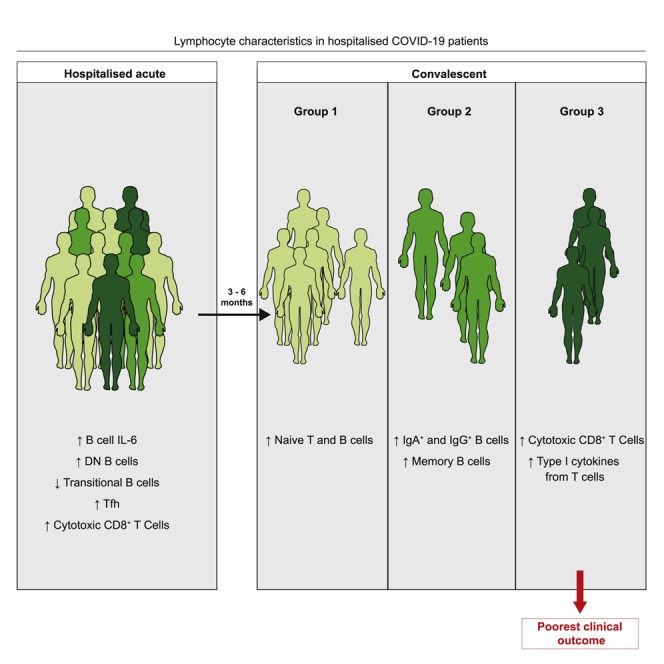
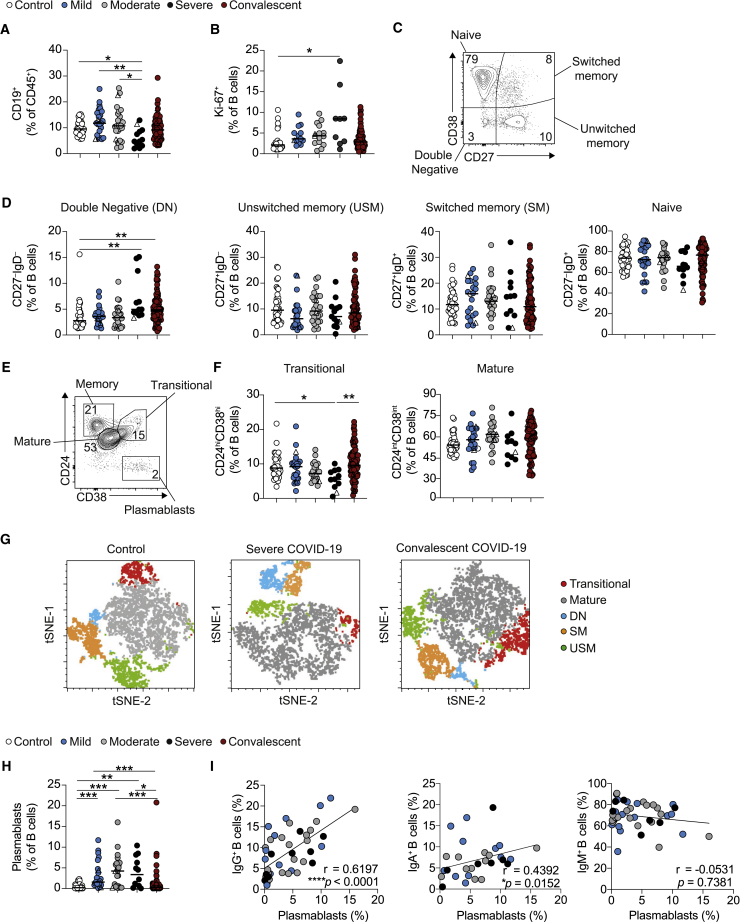
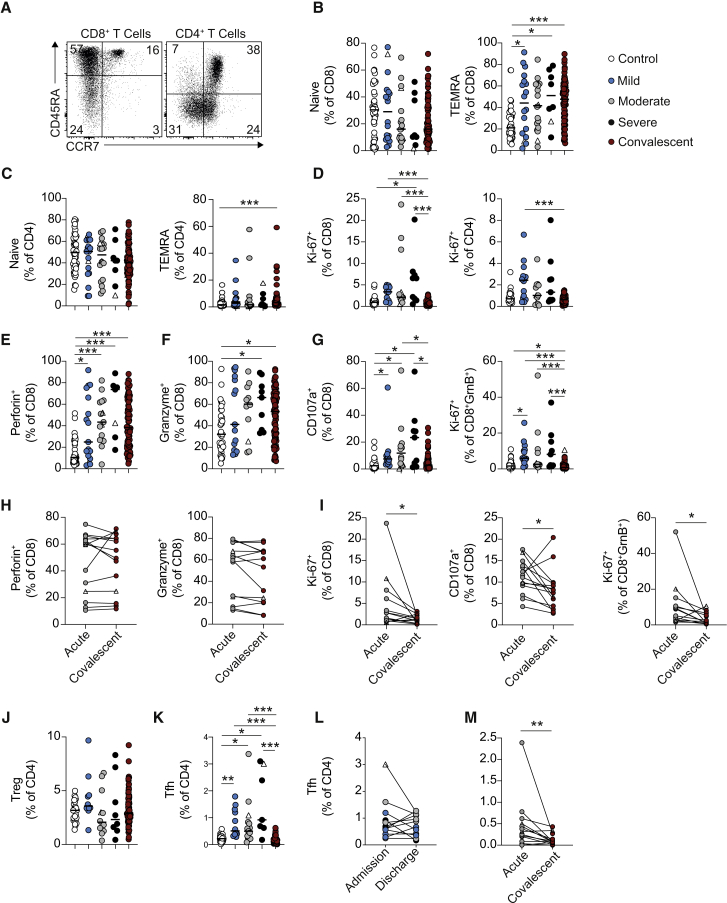
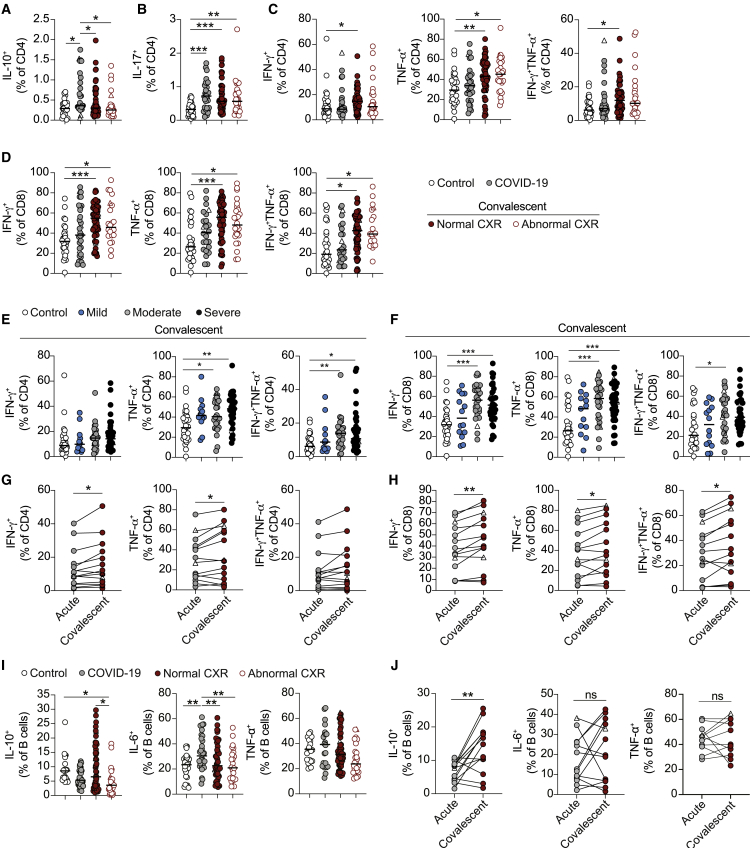
We report that the alterations in B cell subsets observed in acute COVID-19 patients were largely recovered in convalescent patients. In contrast, T cells from convalescent patients displayed continued alterations with persistence of a cytotoxic program evident in CD8 T cells as well as elevated production of type 1 cytokines and interleukin-17 (IL-17). Interestingly, B cells from patients with acute COVID-19 displayed an IL-6/IL-10 cytokine imbalance in response to Toll-like receptor activation, skewed toward a pro-inflammatory phenotype. Whereas the frequency of IL-6 B cells was restored in convalescent patients irrespective of clinical outcome, the recovery of IL-10 B cells was associated with the resolution of lung pathology.
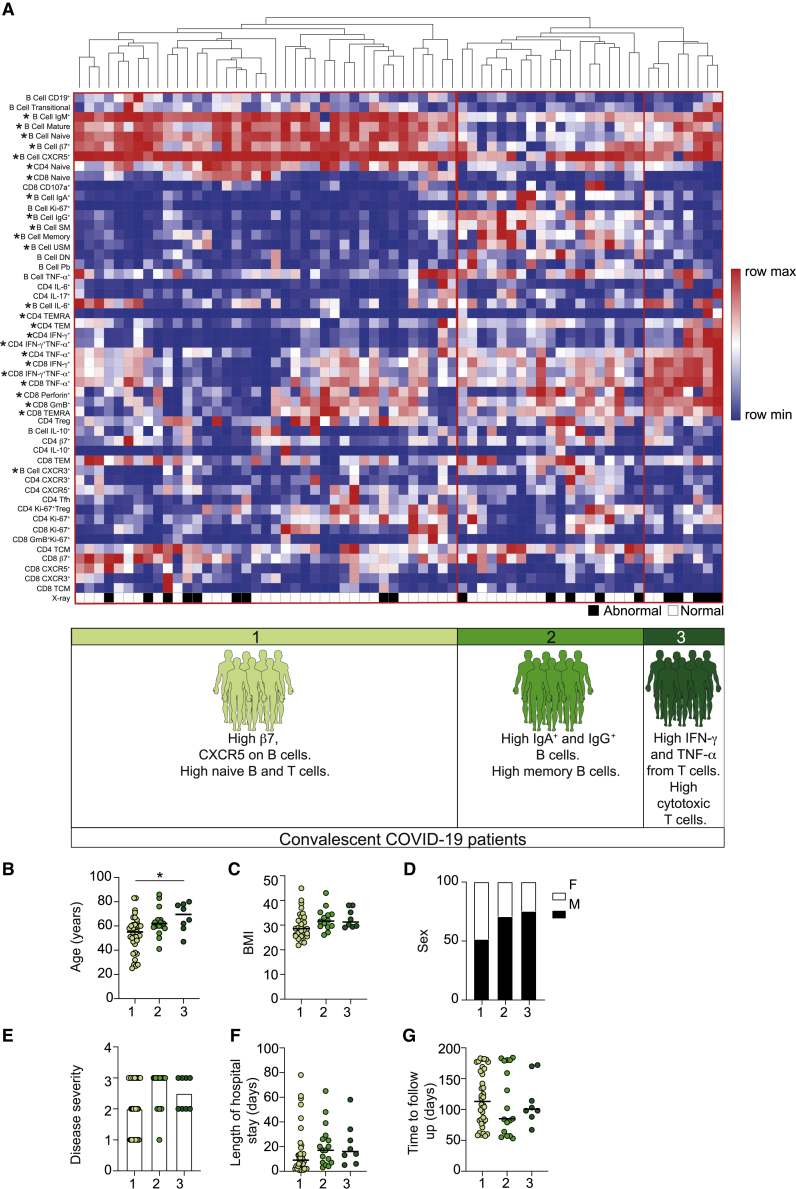
Our data detail lymphocyte alterations in previously hospitalized COVID-19 patients up to 6 months following hospital discharge and identify 3 subgroups of convalescent patients based on distinct lymphocyte phenotypes, with 1 subgroup associated with poorer clinical outcome. We propose that alterations in B and T cell function following hospitalization with COVID-19 could affect longer-term immunity and contribute to some persistent symptoms observed in convalescent COVID-19 patients.
Provided by UKRI, Lister Institute of Preventative Medicine, the Wellcome Trust, The Kennedy Trust for Rheumatology Research, and 3M Global Giving.
新出现的研究表明,一些 COVID-19 患者患有持续性症状,包括呼吸困难和慢性疲劳;然而,这些患者的长期免疫反应目前仍不清楚。
在这里,我们描述了住院 COVID-19 患者在急性疾病和 3-6 个月恢复期的 B 细胞和 T 细胞的表型和功能特征。
我们报告说,急性 COVID-19 患者中观察到的 B 细胞亚群的改变在恢复期患者中已基本恢复。相比之下,恢复期患者的 T 细胞仍持续发生改变,CD8 T 细胞中存在细胞毒性程序,1 型细胞因子和白细胞介素-17(IL-17)的产生升高。有趣的是,急性 COVID-19 患者的 B 细胞在对 Toll 样受体激活的反应中表现出白细胞介素-6/白细胞介素-10 细胞因子失衡,向促炎表型倾斜。虽然 IL-6 B 细胞的频率在恢复期患者中恢复,无论临床结果如何,但 IL-10 B 细胞的恢复与肺部病理学的解决相关。
我们的数据详细描述了住院 COVID-19 患者在出院后长达 6 个月的时间内淋巴细胞的改变,并根据不同的淋巴细胞表型将恢复期患者分为 3 个亚组,其中 1 个亚组与较差的临床结果相关。我们提出,COVID-19 住院后 B 和 T 细胞功能的改变可能会影响长期免疫,并导致恢复期 COVID-19 患者出现一些持续性症状。
由 UKRI、李斯特预防医学研究所、惠康信托、肯尼迪风湿病研究信托和 3M 全球捐赠提供。