Center for Infectious Disease and Vaccine Research, La Jolla Institute for Immunology (LJI), La Jolla, CA 92037, USA.
Department of Medicine, Division of Infectious Diseases and Global Public Health, University of California, San Diego (UCSD), La Jolla, CA 92037, USA.
Science. 2021 Feb 5;371(6529). doi: 10.1126/science.abf4063. Epub 2021 Jan 6.
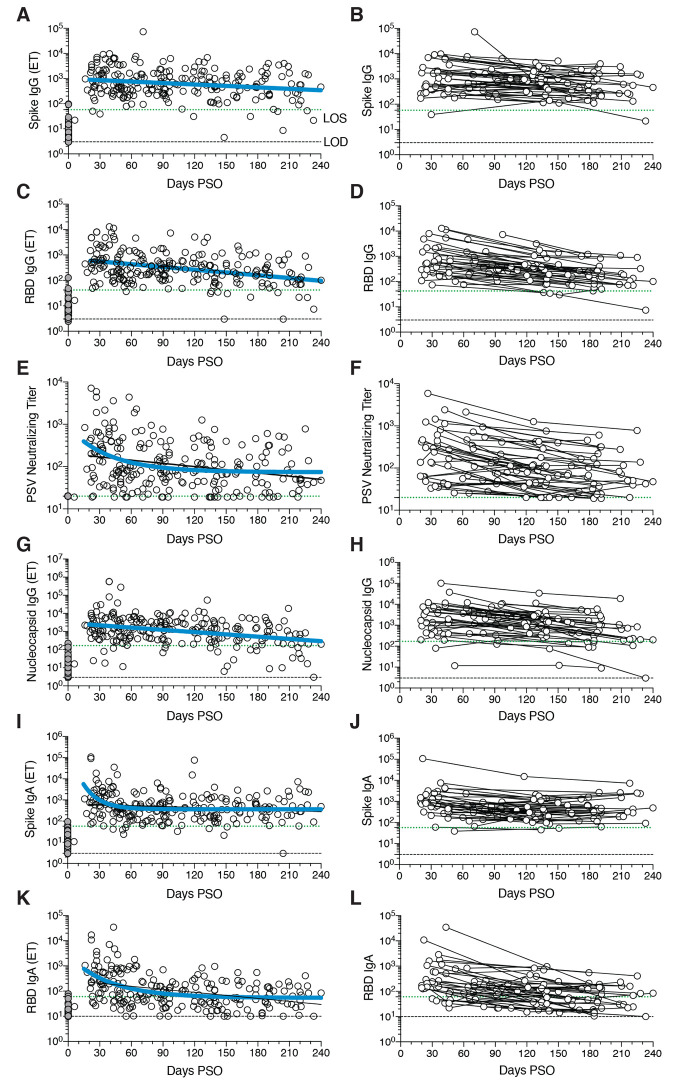
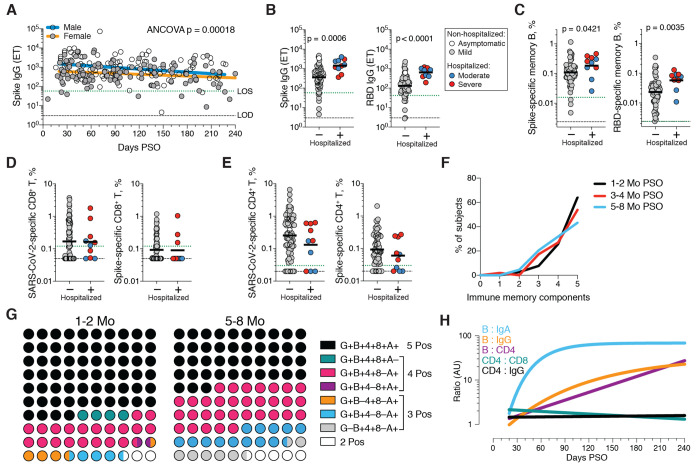
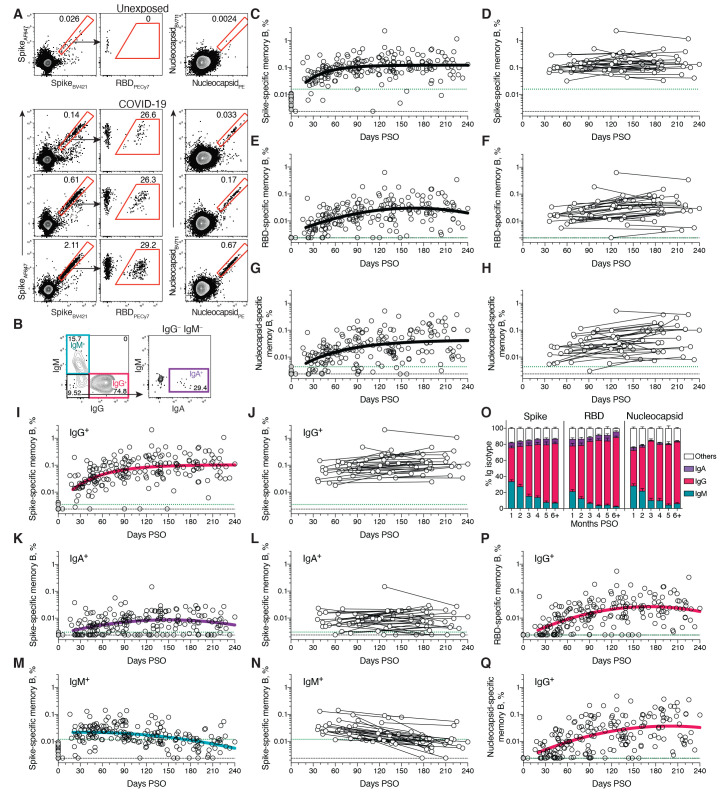
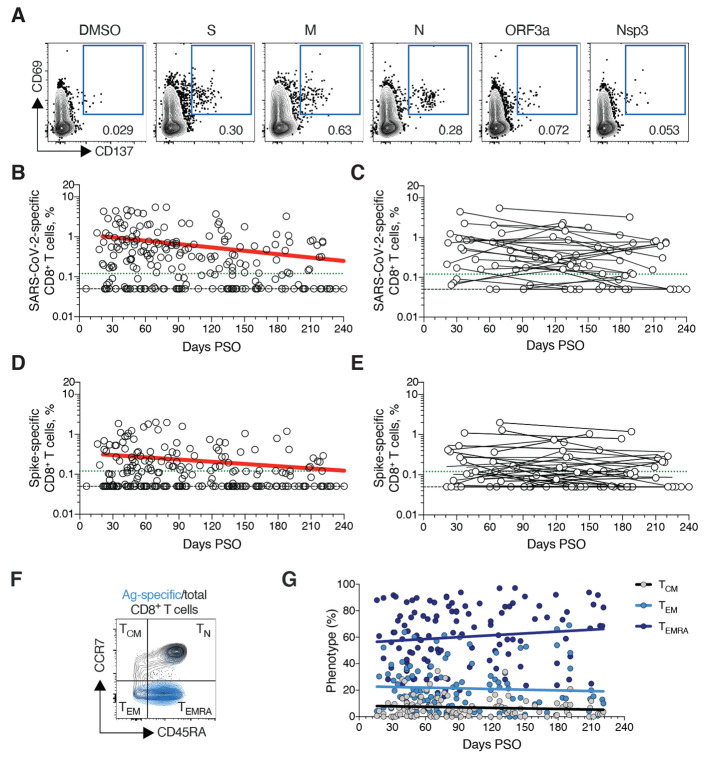
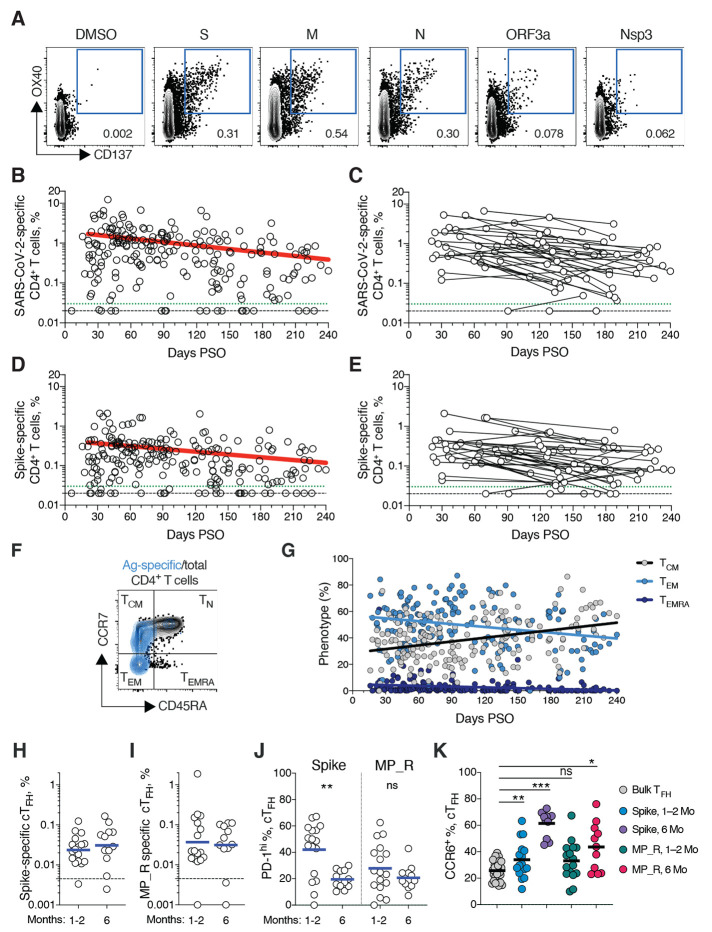
Understanding immune memory to severe acute respiratory syndrome coronavirus 2 (SARS-CoV-2) is critical for improving diagnostics and vaccines and for assessing the likely future course of the COVID-19 pandemic. We analyzed multiple compartments of circulating immune memory to SARS-CoV-2 in 254 samples from 188 COVID-19 cases, including 43 samples at ≥6 months after infection. Immunoglobulin G (IgG) to the spike protein was relatively stable over 6+ months. Spike-specific memory B cells were more abundant at 6 months than at 1 month after symptom onset. SARS-CoV-2-specific CD4 T cells and CD8 T cells declined with a half-life of 3 to 5 months. By studying antibody, memory B cell, CD4 T cell, and CD8 T cell memory to SARS-CoV-2 in an integrated manner, we observed that each component of SARS-CoV-2 immune memory exhibited distinct kinetics.
了解针对严重急性呼吸综合征冠状病毒 2 (SARS-CoV-2) 的免疫记忆对于改进诊断和疫苗以及评估 COVID-19 大流行的未来可能进程至关重要。我们分析了 188 例 COVID-19 病例的 254 个样本中循环免疫记忆的多个隔室,包括感染后≥6 个月的 43 个样本。针对刺突蛋白的免疫球蛋白 G (IgG) 在 6 个月以上相对稳定。与症状出现后 1 个月相比,刺突特异性记忆 B 细胞在 6 个月时更为丰富。SARS-CoV-2 特异性 CD4 T 细胞和 CD8 T 细胞的半衰期为 3 至 5 个月。通过综合研究 SARS-CoV-2 抗体、记忆 B 细胞、CD4 T 细胞和 CD8 T 细胞的记忆,我们观察到 SARS-CoV-2 免疫记忆的每个组成部分都表现出不同的动力学。