Department of Laboratory Medicine, Yuebei People's Hospital, Shantou University Medical College, Shaoguan 512025, China; Laboratory for Diagnosis of Clinical Microbiology and Infection, Yuebei People's Hospital, Shantou University Medical College, Shaoguan 512025, China; Shaoguan Municipal Quality Control Center for Laboratory Medicine, Yuebei People's Hospital, Shantou University Medical College, Shaoguan 512025 China.
Cancer Center, Huanggang Hospital of Traditional Chinese Medicine, Huanggang 438000, China.
Int Immunopharmacol. 2022 Jul;108:108767. doi: 10.1016/j.intimp.2022.108767. Epub 2022 Apr 18.
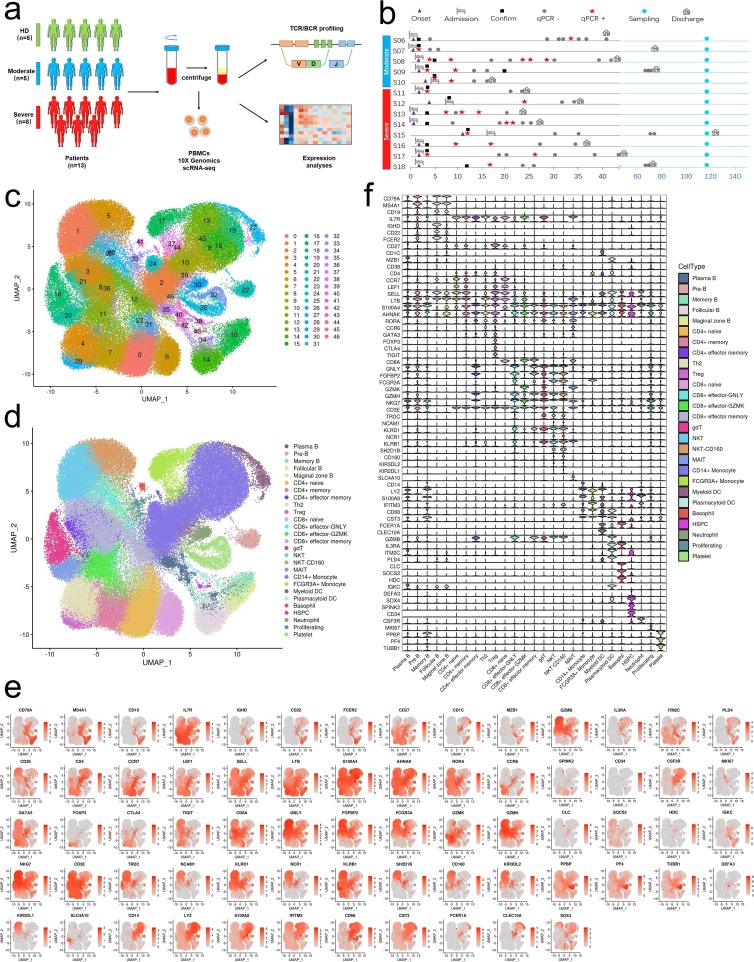
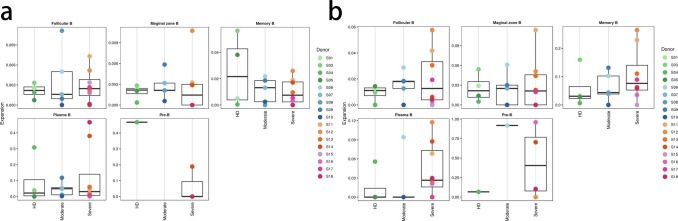
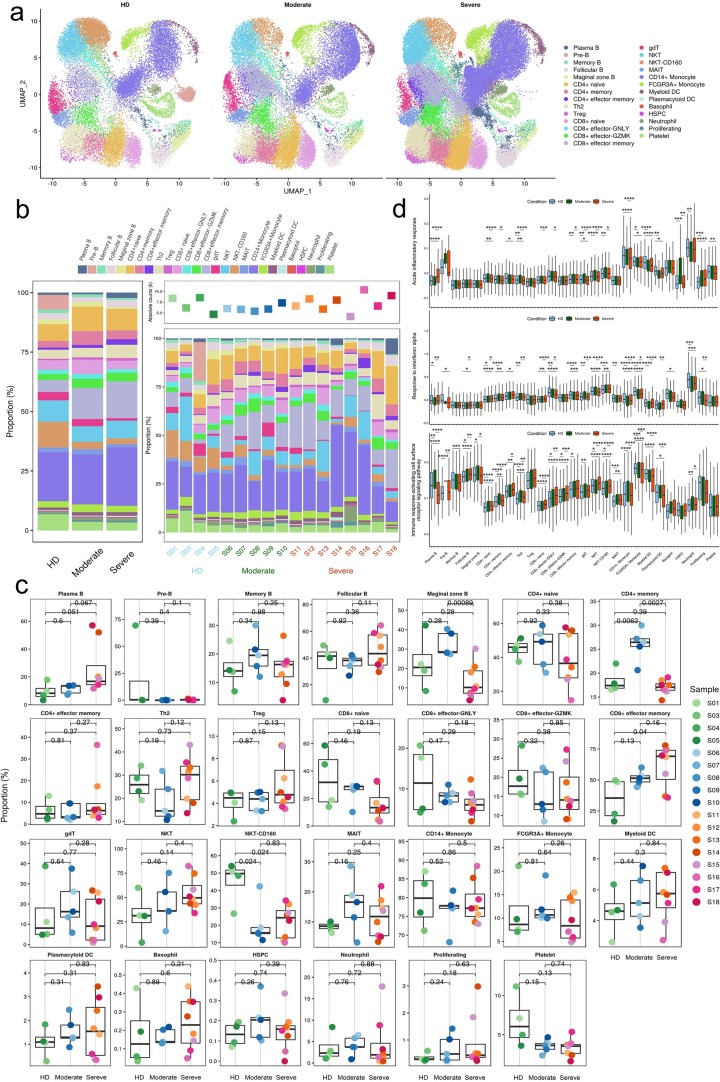
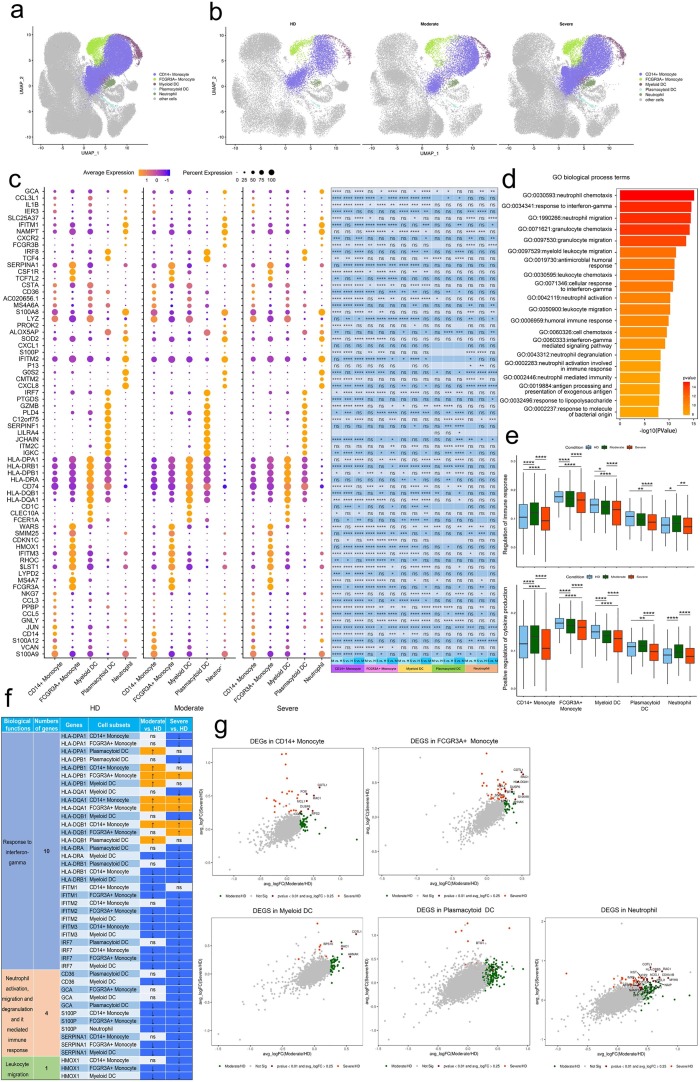
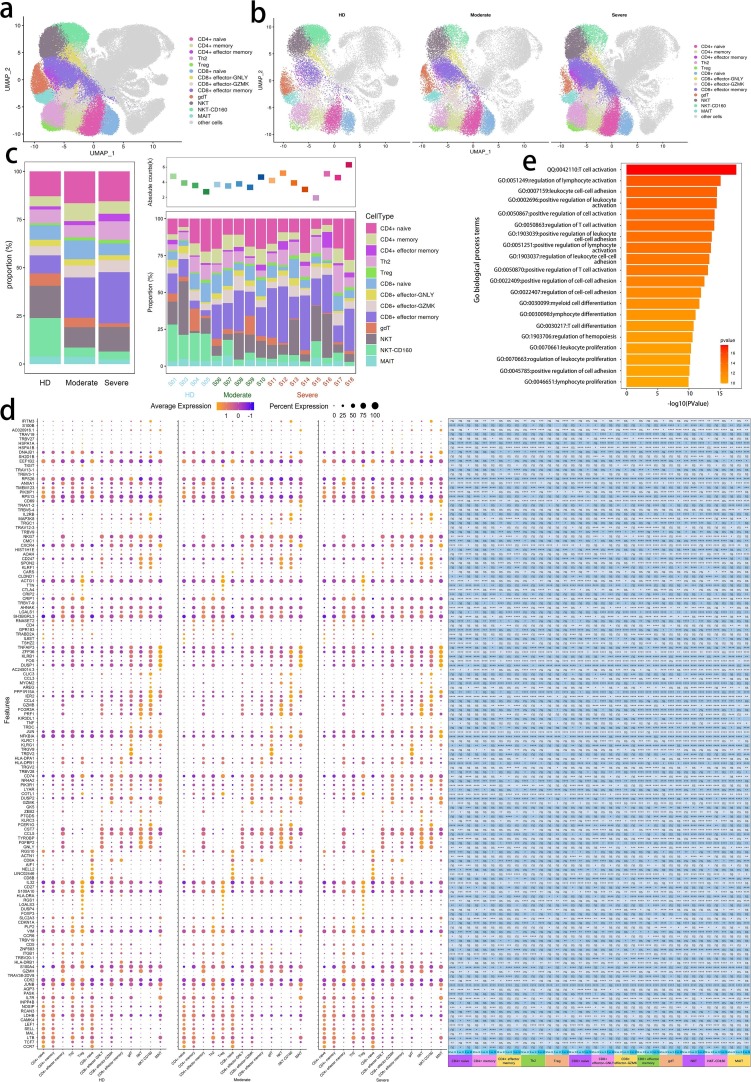
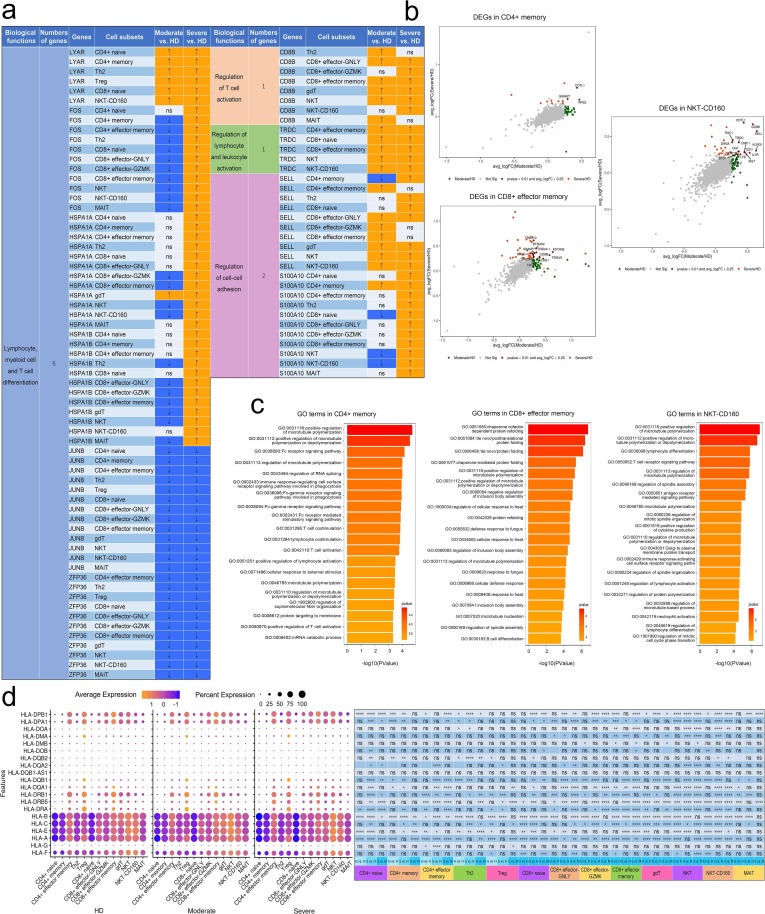
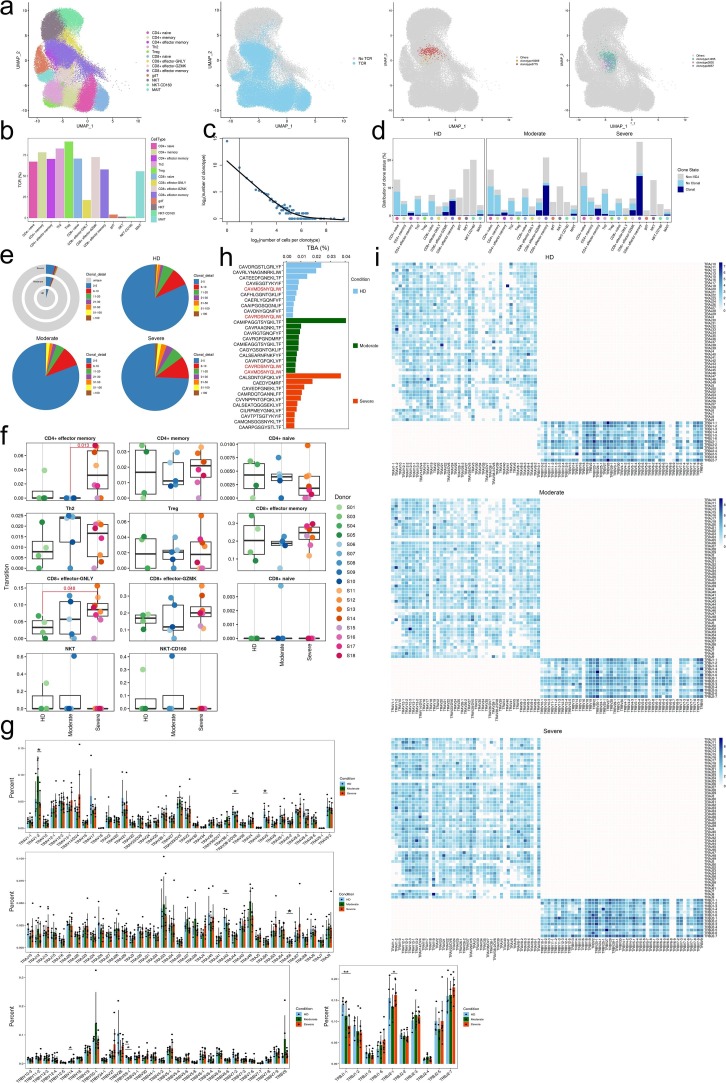
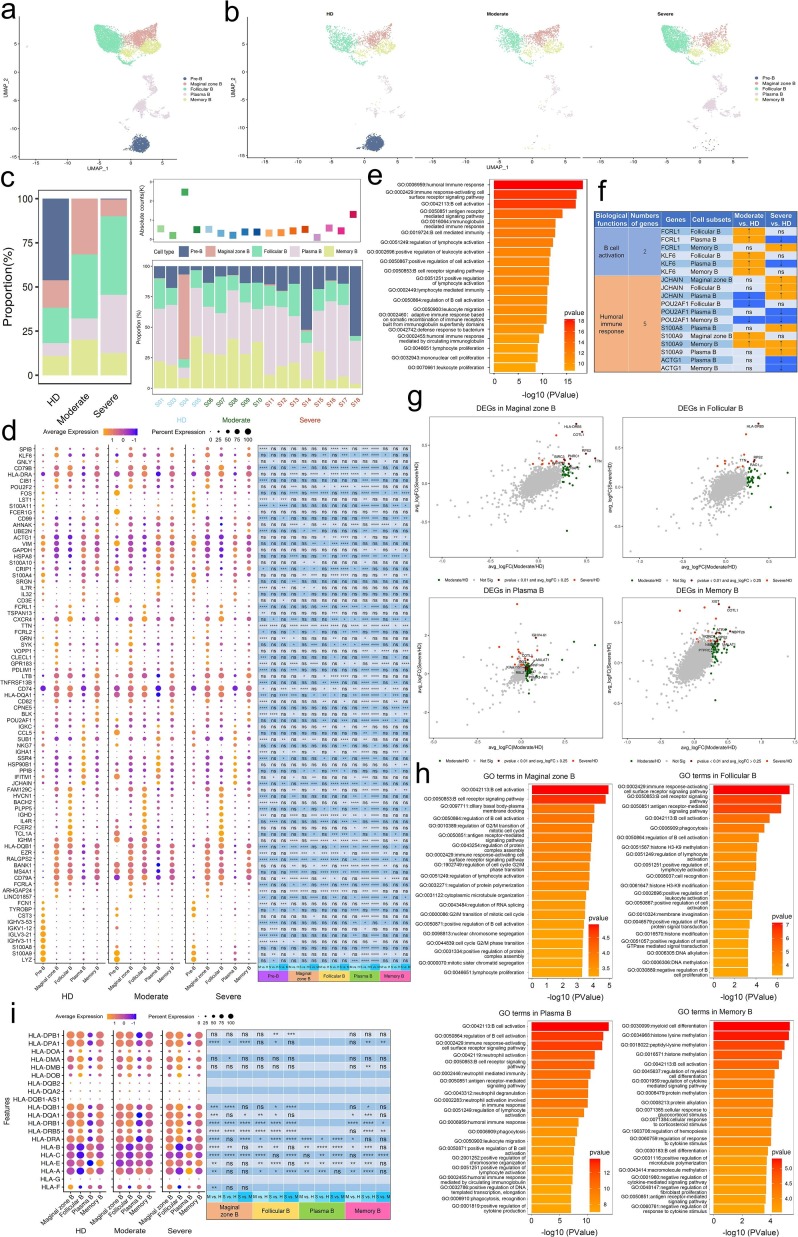
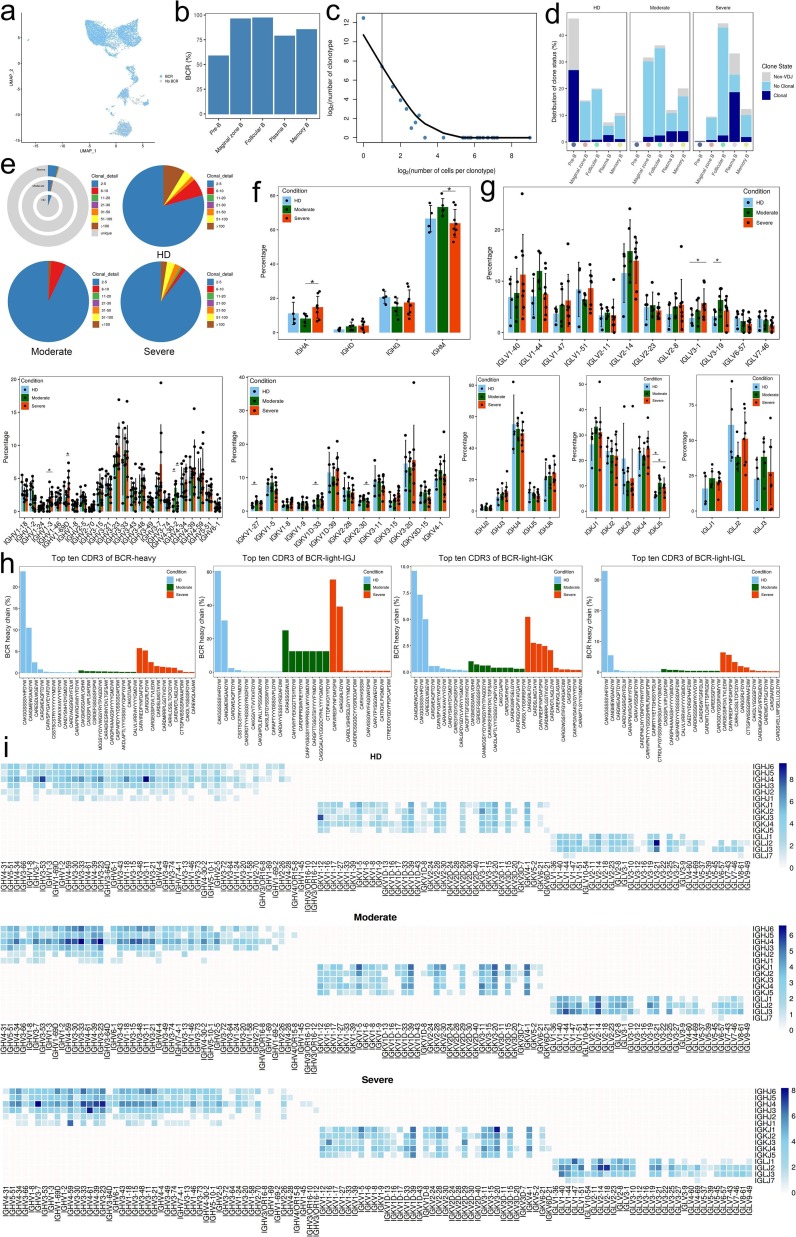
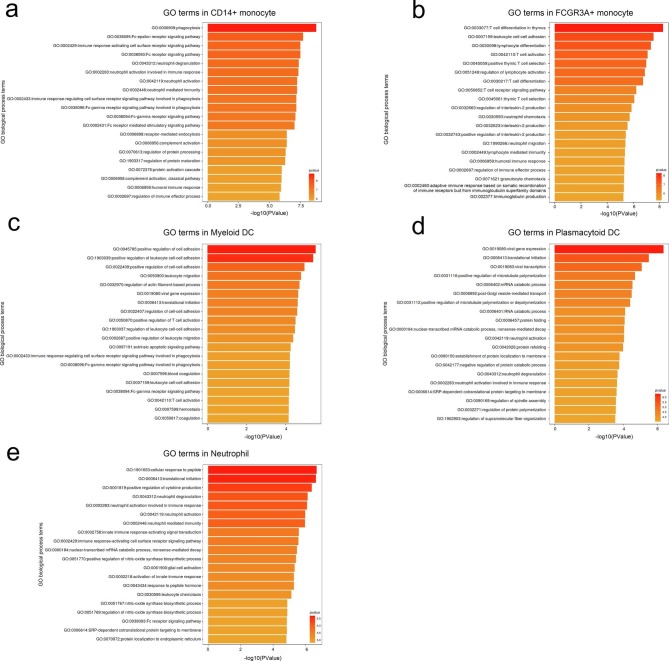
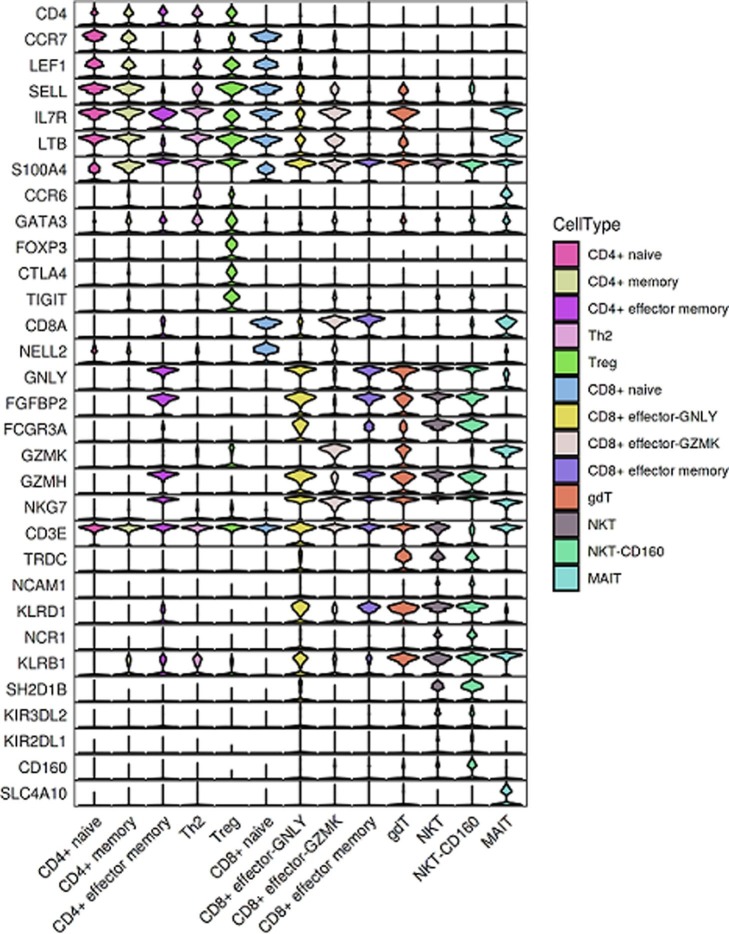
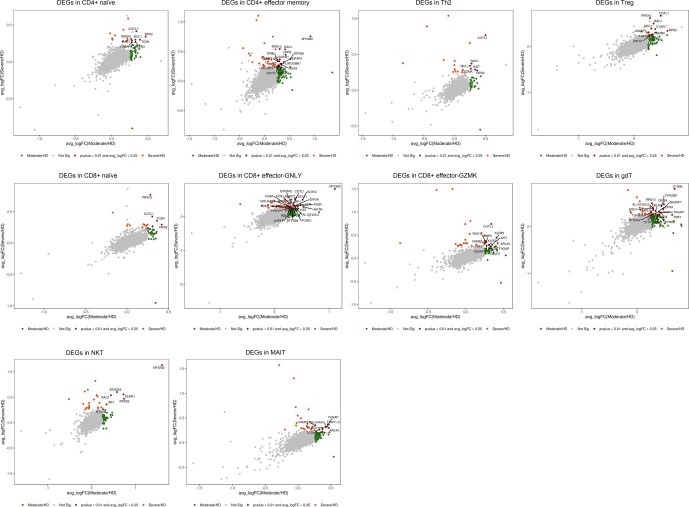
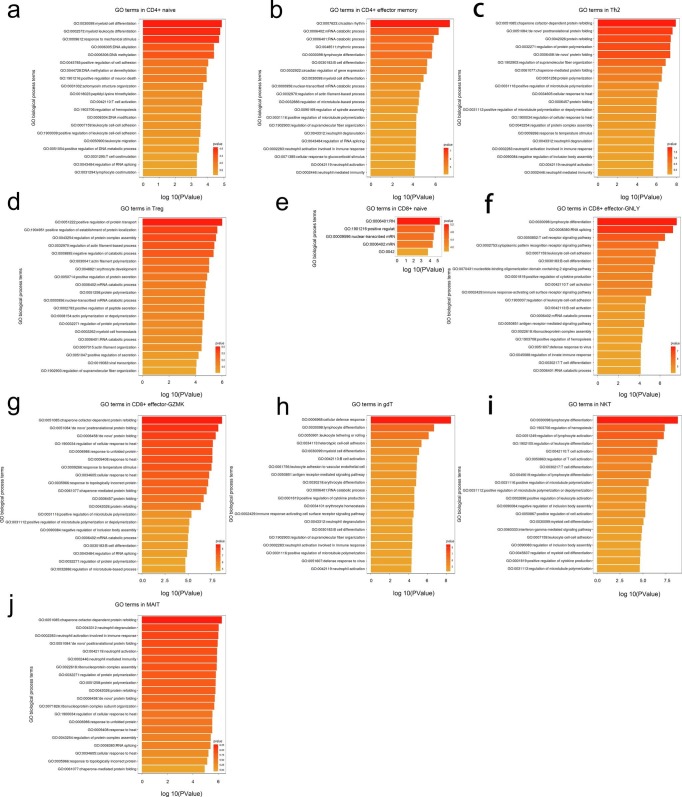
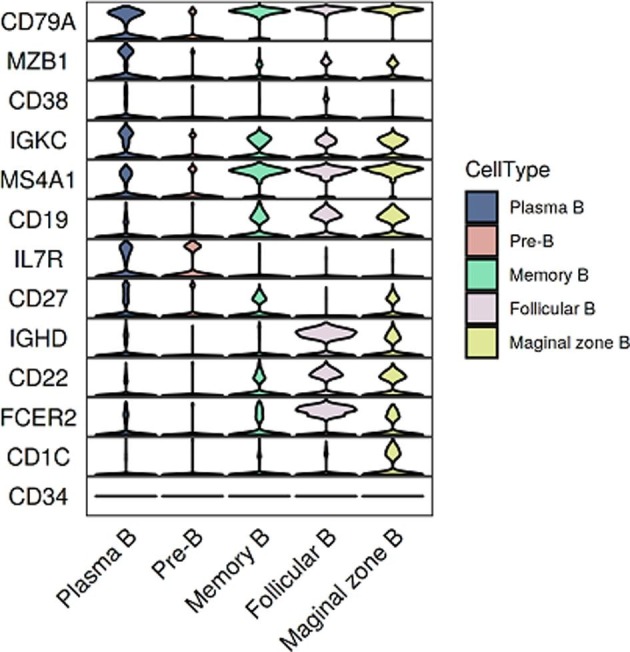
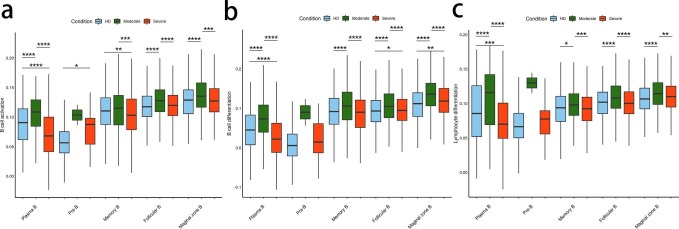
It remains unclear whether immune responses following natural infection can be sustained or potentially prove critical for long-term immune protection against SARS-CoV-2 reinfection. Here, we systematically mapped the phenotypic landscape of SARS-CoV-2-specific immune responses in peripheral blood samples of convalescent patients with COVID-19 by single-cell RNA sequencing. The relative percentage of the CD8 + effector memory subset was increased in both convalescent moderate and severe cases, but NKT-CD160 and marginal zone B clusters were decreased. Innate immune responses were attenuated reflected by decreased expression of genes involved in interferon-gamma, leukocyte migration and neutrophil mediated immune response in convalescent COVID-19 patients. Functions of T cell were strengthened in convalescent COVID-19 patients by clear endorsement of increased expression of genes involved in biological processes of regulation of T cell activation, differentiation and cell-cell adhesion. In addition, T cell mediated immune responses were enhanced with remarkable clonal expansions of TCR and increased transition of CD4 + effector memory and CD8 + effector-GNLY in severe subjects. B cell immune responses displayed complicated and dualfunctions during convalescence of COVID-19, providing a novel mechanism that B cell activation was observed especially in moderate while humoral immune response was weakened. Interestingly, HLA class I genes displayed downregulation while HLA class II genes upregulation in both T and B cell subsets in convalescent individuals. Our results showed that innate immunity was declined but SARS-CoV-2-specific T cell responses were retained even strengthened whereas complicated and dualfunctions of B cells, including declined humoral immunity were presented at several months following infections.
目前尚不清楚自然感染后产生的免疫反应是否能够持续存在,或者是否可能对长期预防 SARS-CoV-2 再感染起到关键作用。在这里,我们通过单细胞 RNA 测序系统地绘制了 COVID-19 恢复期患者外周血样本中 SARS-CoV-2 特异性免疫反应的表型图谱。在恢复期中度和重度病例中,CD8+效应记忆亚群的相对百分比增加,但 NKT-CD160 和边缘区 B 簇减少。恢复期 COVID-19 患者的固有免疫反应减弱,表现为干扰素-γ、白细胞迁移和中性粒细胞介导的免疫反应相关基因表达下调。通过明确增加与 T 细胞激活、分化和细胞间粘附相关的生物学过程的基因表达,T 细胞功能在恢复期 COVID-19 患者中得到增强。此外,T 细胞介导的免疫反应增强,伴有 TCR 的显著克隆扩增以及 CD4+效应记忆和 CD8+效应-GNLY 的显著转换,在重症患者中更为明显。B 细胞免疫反应在 COVID-19 恢复期呈现出复杂和双重功能,提供了一种新的机制,即 B 细胞激活在中度患者中更为明显,而体液免疫反应减弱。有趣的是,在恢复期个体中,HLA Ⅰ类基因下调,而 HLA Ⅱ类基因上调,无论是在 T 细胞还是 B 细胞亚群中均如此。我们的研究结果表明,固有免疫下降,但 SARS-CoV-2 特异性 T 细胞反应仍然存在,甚至增强,而 B 细胞呈现出复杂和双重功能,包括体液免疫下降,这些现象在感染后数月内均存在。