Kenya Wildlife Service, P.O. Box 40241-00100, Nairobi, Kenya.
Strategic Communications Group, Wageningen University, P.O. Box 8130, 6700 EW, Wageningen, The Netherlands.
Parasit Vectors. 2021 Apr 6;14(1):188. doi: 10.1186/s13071-021-04683-9.
Tick-borne diseases (TBDs) are a serious threat to humans, wildlife and livestock, and cause severe economic losses in many tropical drylands. The effective control of TBDs has been constrained by limited understanding of what determines tick loads in animals. We tested interactive effects of several biological factors (sex, age and body condition), one environmental factor (rainfall) and one human factor (management type) on tick loads in animals.
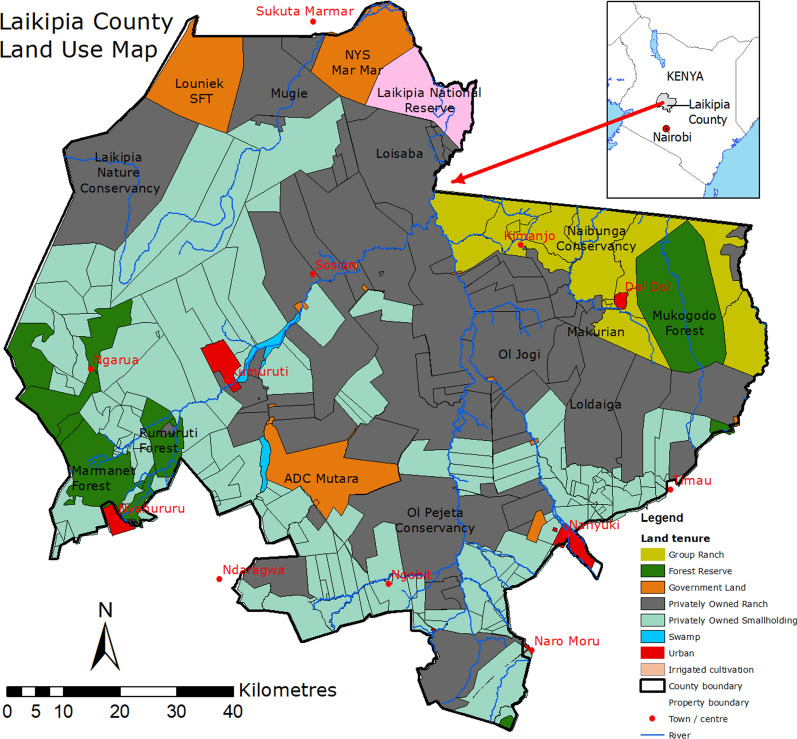
We collected ticks on animals at four sampling sites in the semi-arid savanna area of Laikipia County, Kenya, of which two are commercial ranches and the other two are open pastoral grazing areas. From 2017 to 2019, we collected a total of 2038 ticks from 619 domestic animals from various cattle and camel herds and from 79 tranquilised wild animals.
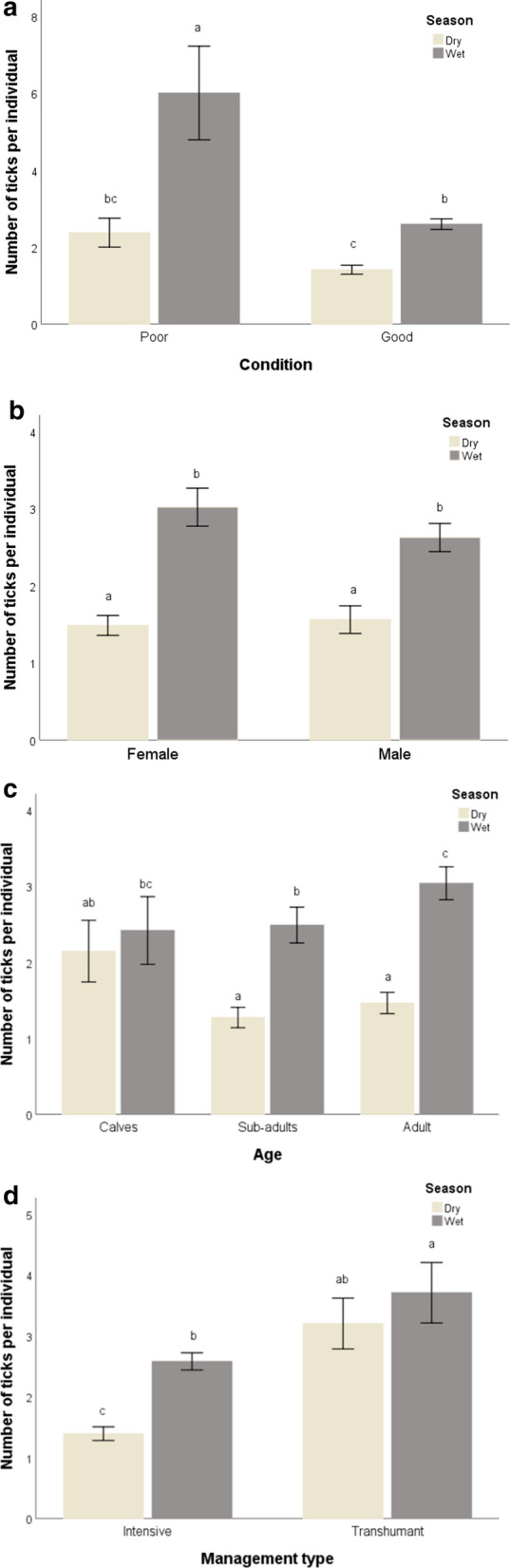
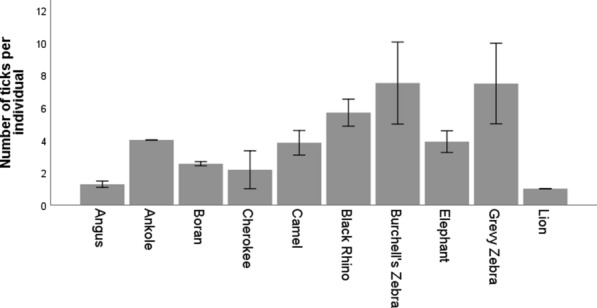
Generally, wild herbivores (zebras, rhinos and elephants) had higher tick loads than domestic animals. As 83% of the tick samples were taken from Boran cattle, we analysed tick load in these cattle in more detail. Boran cattle had high tick loads in the wet season, especially those animals in poor condition. No differences were found between female and male cattle, regardless of season. The calves had high tick loads during both the wet and dry seasons, whereas the sub-adult and adult cattle had less ticks during the dry season. Cattle on the intensively managed ranches had lower tick load than those in the transhumant management system.
These findings highlight the importance of establishing effective control of ticks on domestic animals in transhumant management systems as tick loads were high on these animals in both the wet and dry season.
蜱传疾病(TBDs)对人类、野生动物和牲畜构成严重威胁,并在许多热带干旱地区造成严重的经济损失。由于对决定动物蜱虫负载的因素了解有限,TBDs 的有效控制受到限制。我们测试了几个生物学因素(性别、年龄和身体状况)、一个环境因素(降雨量)和一个人为因素(管理类型)对动物蜱虫负载的相互作用影响。
我们在肯尼亚莱基皮亚县半干旱稀树草原地区的四个采样点收集动物身上的蜱虫,其中两个是商业牧场,另外两个是开放的牧区。2017 年至 2019 年,我们从来自不同牛群和骆驼群的 619 只家畜和 79 只被镇静的野生动物中总共收集了 2038 只蜱虫。
一般来说,野生食草动物(斑马、犀牛和大象)的蜱虫负载高于家畜。由于 83%的蜱虫样本取自博兰牛,因此我们更详细地分析了这些牛的蜱虫负载。博兰牛在雨季的蜱虫负载较高,特别是那些身体状况较差的动物。无论季节如何,雌雄牛之间均未发现差异。小牛在雨季和旱季的蜱虫负载都很高,而亚成牛和成年牛在旱季的蜱虫负载较少。在集约化管理的牧场中的牛的蜱虫负载低于游牧管理系统中的牛。
这些发现强调了在游牧管理系统中对家畜进行有效的蜱虫控制的重要性,因为这些动物在雨季和旱季的蜱虫负载都很高。