School of Medicine, University of Leeds, Leeds, LS2 9JT, UK.
Faculty of Biological Sciences, University of Leeds, Leeds, LS2 9JT, UK.
Cell Death Dis. 2021 Apr 7;12(4):372. doi: 10.1038/s41419-021-03627-6.
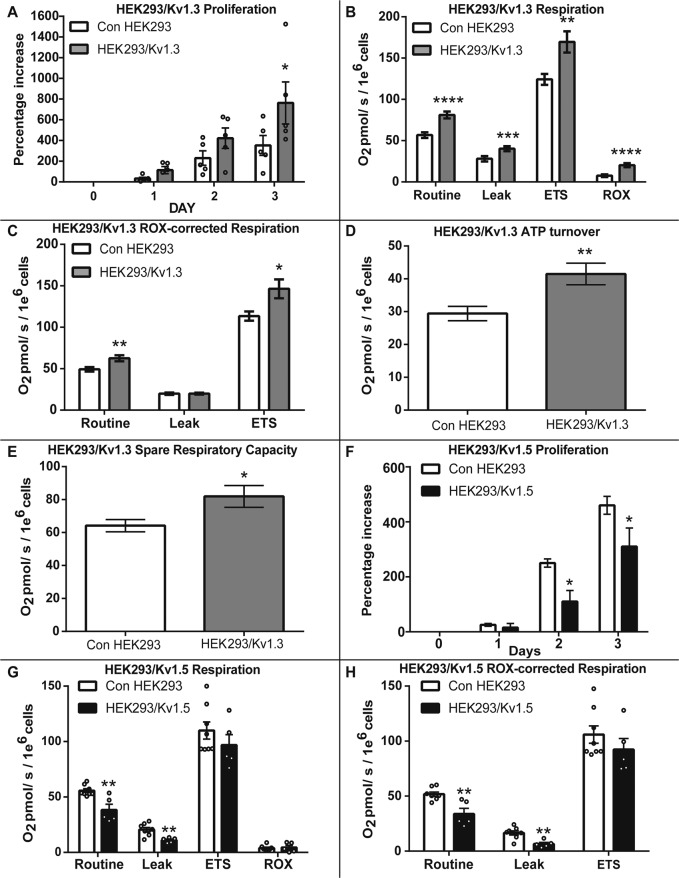
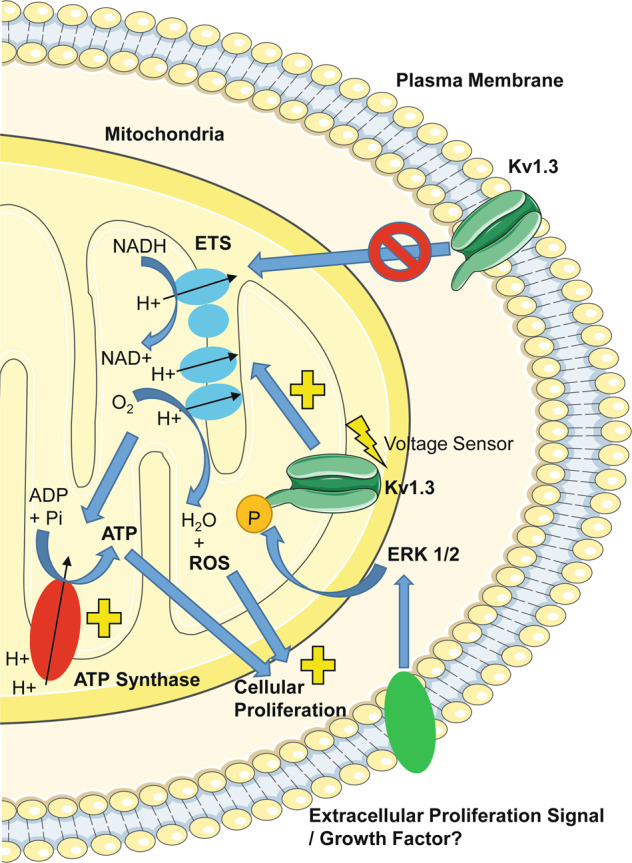
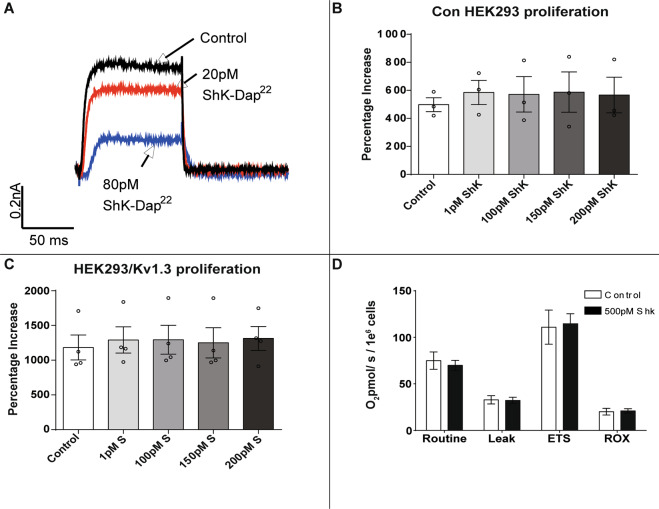
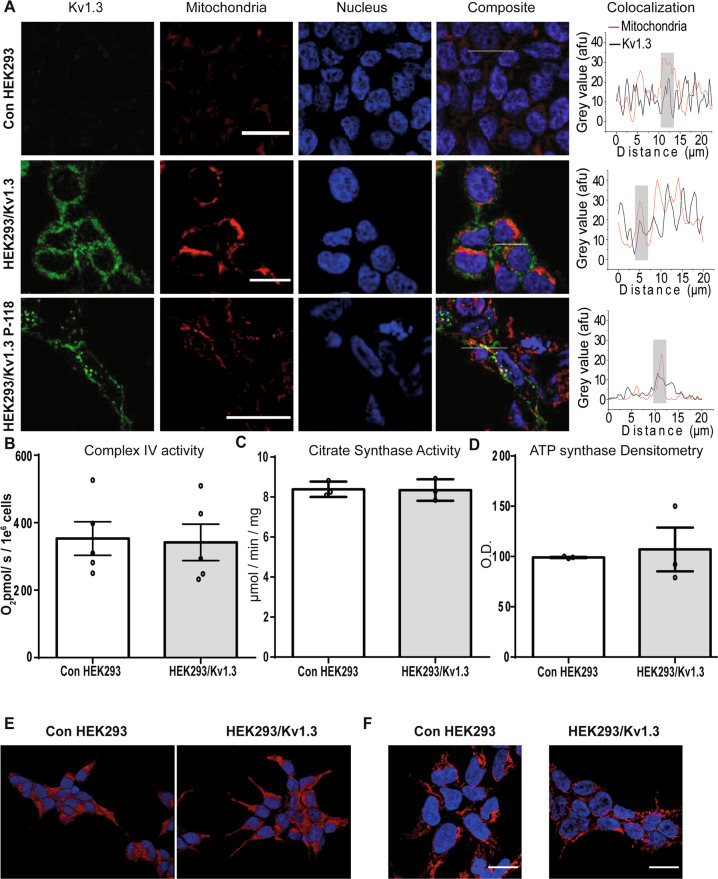
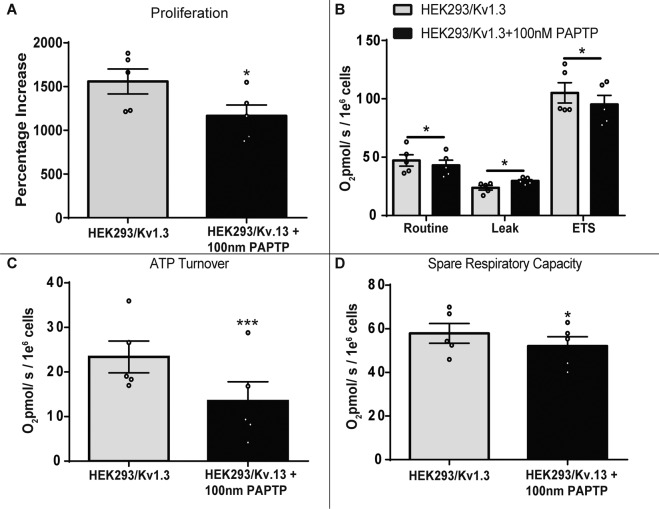
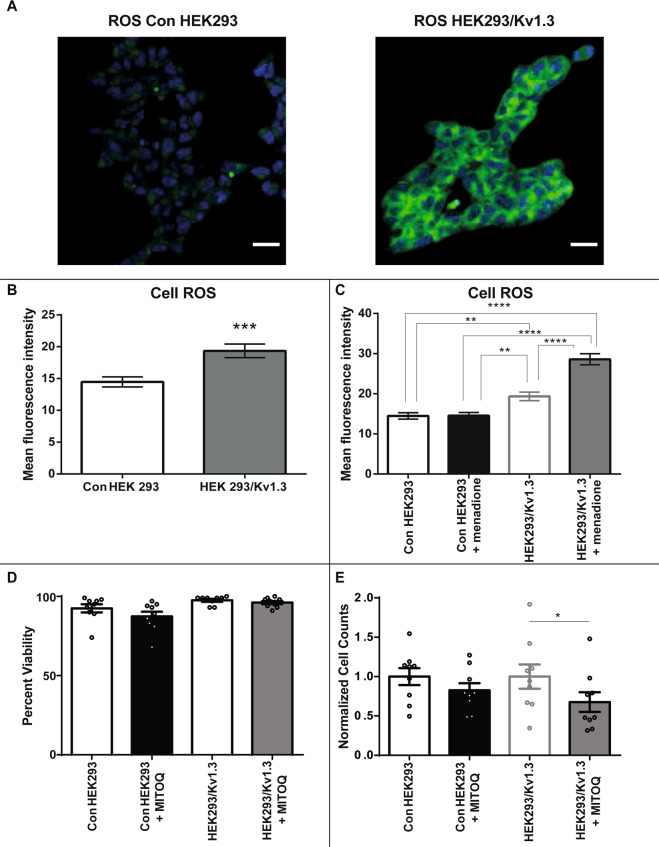
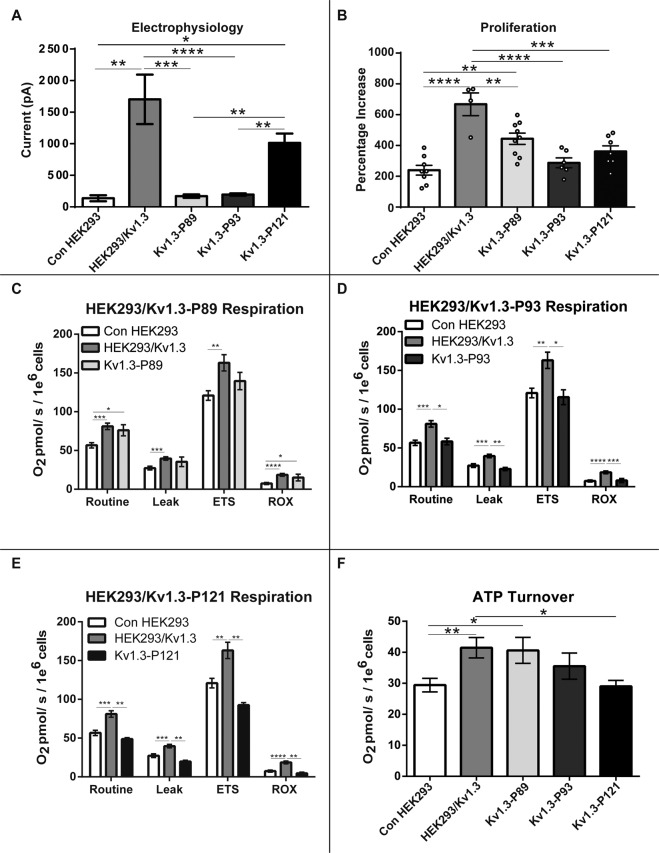
Cellular energy metabolism is fundamental for all biological functions. Cellular proliferation requires extensive metabolic reprogramming and has a high energy demand. The Kv1.3 voltage-gated potassium channel drives cellular proliferation. Kv1.3 channels localise to mitochondria. Using high-resolution respirometry, we show Kv1.3 channels increase oxidative phosphorylation, independently of redox balance, mitochondrial membrane potential or calcium signalling. Kv1.3-induced respiration increased reactive oxygen species production. Reducing reactive oxygen concentrations inhibited Kv1.3-induced proliferation. Selective Kv1.3 mutation identified that channel-induced respiration required an intact voltage sensor and C-terminal ERK1/2 phosphorylation site, but is channel pore independent. We show Kv1.3 channels regulate respiration through a non-conducting mechanism to generate reactive oxygen species which drive proliferation. This study identifies a Kv1.3-mediated mechanism underlying the metabolic regulation of proliferation, which may provide a therapeutic target for diseases characterised by dysfunctional proliferation and cell growth.
细胞能量代谢是所有生物功能的基础。细胞增殖需要广泛的代谢重编程和高能量需求。Kv1.3 电压门控钾通道驱动细胞增殖。Kv1.3 通道定位于线粒体。使用高分辨率呼吸测定法,我们发现 Kv1.3 通道增加氧化磷酸化,独立于氧化还原平衡、线粒体膜电位或钙信号。Kv1.3 诱导的呼吸增加了活性氧的产生。减少活性氧浓度抑制 Kv1.3 诱导的增殖。选择性 Kv1.3 突变表明,通道诱导的呼吸需要完整的电压传感器和 C 端 ERK1/2 磷酸化位点,但与通道孔无关。我们表明,Kv1.3 通道通过非传导机制调节呼吸以产生活性氧,从而驱动增殖。这项研究确定了 Kv1.3 介导的增殖代谢调节机制,这可能为以功能失调的增殖和细胞生长为特征的疾病提供治疗靶点。