Division of Bone and Mineral Diseases, Department of Medicine, Musculoskeletal Research Center, Washington University School of Medicine, St. Louis, MO, USA.
Department of Medicine, Unit of Endocrinology and Diabetes, Campus Bio-Medico University of Rome, Rome, Italy.
J Bone Miner Res. 2021 Jul;36(7):1403-1415. doi: 10.1002/jbmr.4303. Epub 2021 May 5.
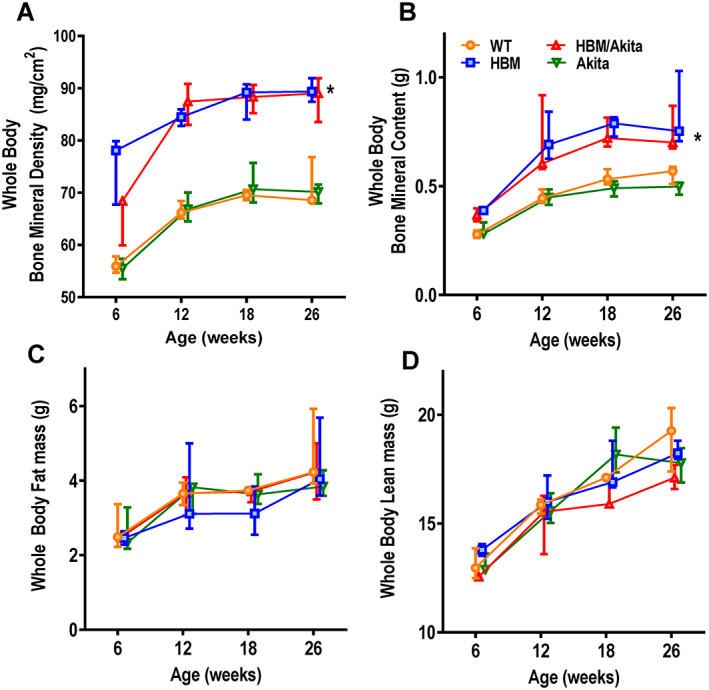
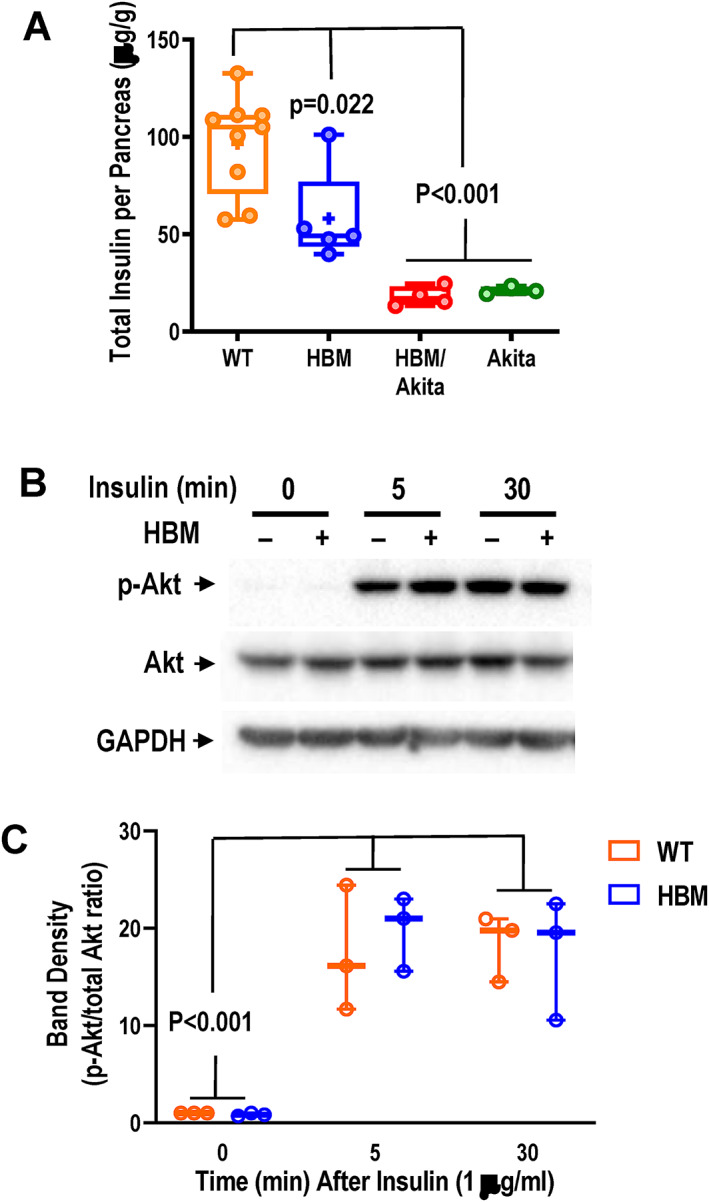
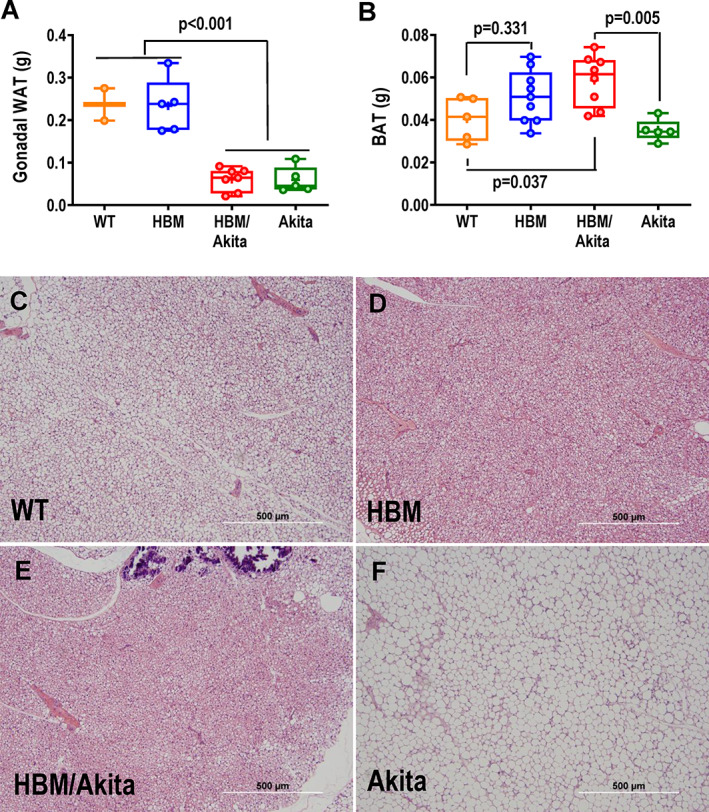
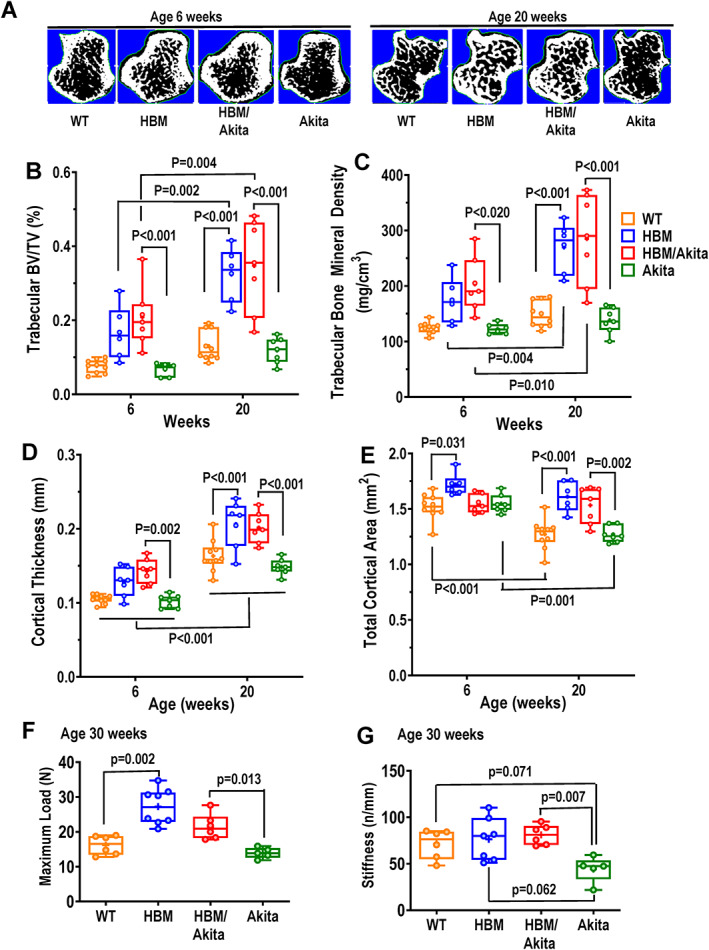
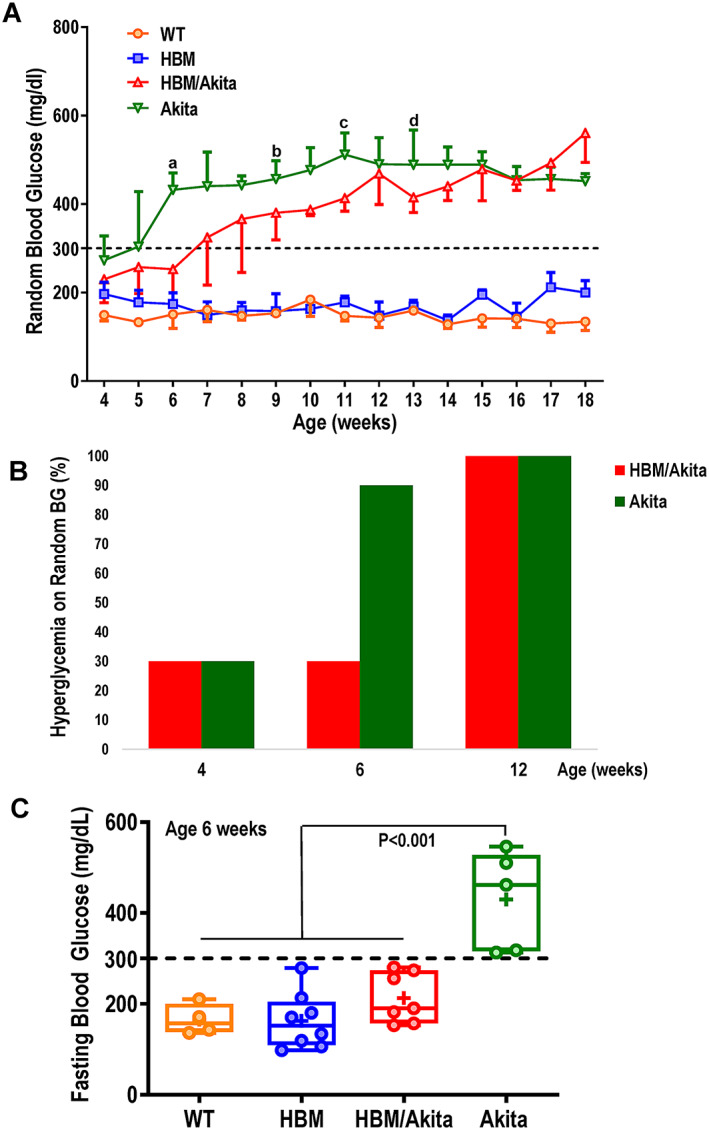
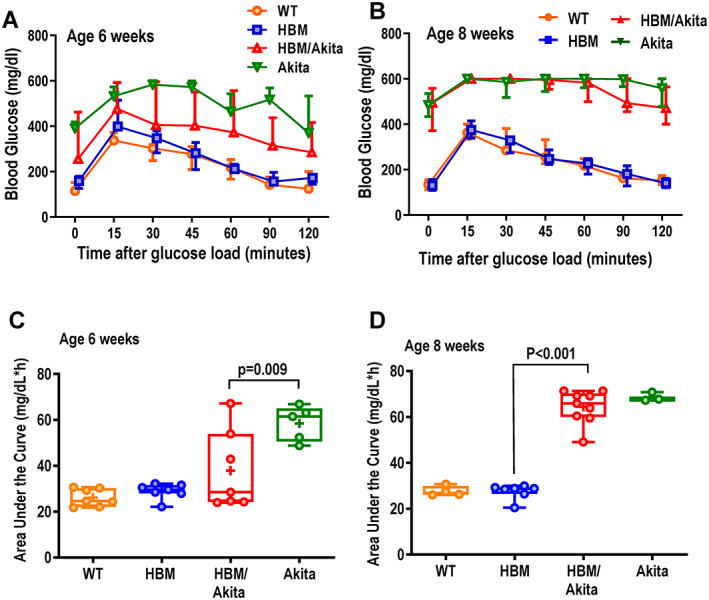
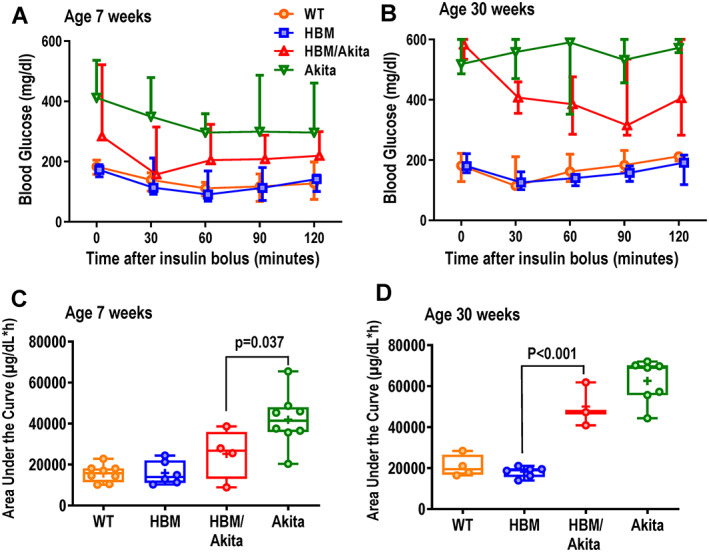
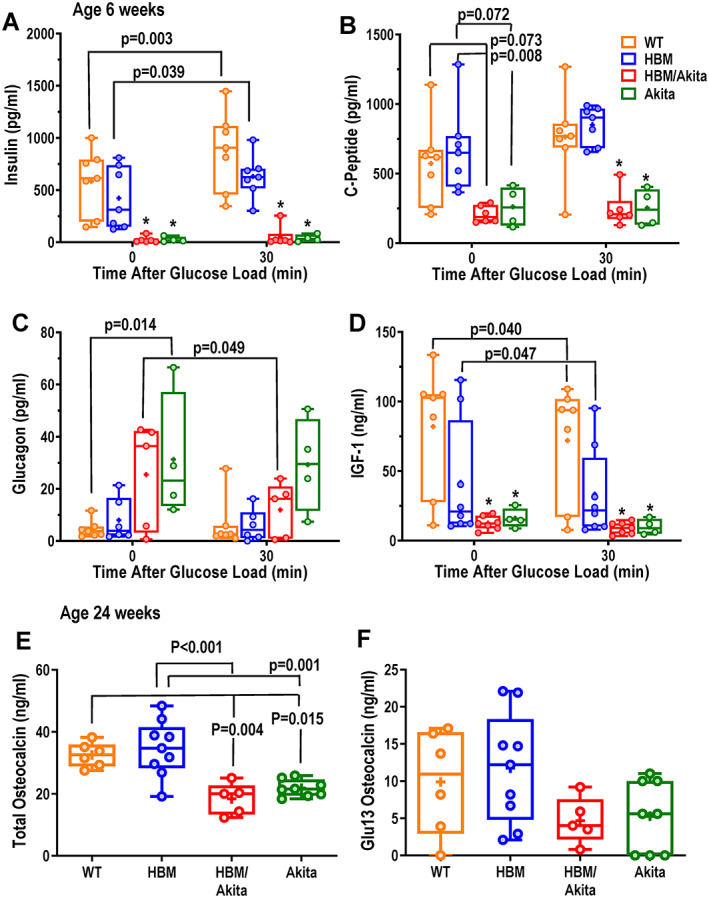
High fracture rate and high circulating levels of the Wnt inhibitor, sclerostin, have been reported in diabetic patients. We studied the effects of Wnt signaling activation on bone health in a mouse model of insulin-deficient diabetes. We introduced the sclerostin-resistant Lrp5 mutation, associated with high bone mass, in mice carrying the Ins2 mutation (Akita), which results in loss of beta cells, insulin deficiency, and diabetes in males. Akita mice accrue less trabecular bone mass with age relative to wild type (WT). Double heterozygous Lrp5 /Akita mutants have high trabecular bone mass and cortical thickness relative to WT animals, as do Lrp5 single mutants. Likewise, the Lrp5 mutation prevents deterioration of biomechanical properties occurring in Akita mice. Notably, Lrp5 /Akita mice develop fasting hyperglycemia and glucose intolerance with a delay relative to Akita mice (7 to 8 vs. 5 to 6 weeks, respectively), despite lack of insulin production in both groups by 6 weeks of age. Although insulin sensitivity is partially preserved in double heterozygous Lrp5 /Akita relative to Akita mutants up to 30 weeks of age, insulin-dependent phosphorylated protein kinase B (pAKT) activation in vitro is not altered by the Lrp5 mutation. Although white adipose tissue depots are equally reduced in both compound and Akita mice, the Lrp5 mutation prevents brown adipose tissue whitening that occurs in Akita mice. Thus, hyperactivation of Lrp5-dependent signaling fully protects bone mass and strength in prolonged hyperglycemia and improves peripheral glucose metabolism in an insulin independent manner. Wnt signaling activation represents an ideal therapeutic approach for diabetic patients at high risk of fracture. © 2021 The Authors. Journal of Bone and Mineral Research published by Wiley Periodicals LLC on behalf of American Society for Bone and Mineral Research (ASBMR).
在糖尿病患者中,已报道骨折发生率高和 Wnt 抑制剂骨硬化素循环水平高。我们在胰岛素缺乏型糖尿病的小鼠模型中研究了 Wnt 信号激活对骨骼健康的影响。我们在携带 Ins2 突变(Akita)的小鼠中引入了与高骨量相关的骨硬化素抗性 Lrp5 突变,该突变导致β细胞丧失、胰岛素缺乏和雄性糖尿病。与野生型(WT)相比,Akita 小鼠随年龄增长积累的小梁骨量减少。双杂合 Lrp5/Akita 突变体的小梁骨量和皮质厚度均高于 WT 动物,Lrp5 单突变体也是如此。同样,Lrp5 突变可防止 Akita 小鼠中发生的生物力学性能恶化。值得注意的是,与 Akita 小鼠相比,Lrp5/Akita 小鼠发生空腹高血糖和葡萄糖不耐受的时间延迟(分别为 7 至 8 周和 5 至 6 周),尽管两组在 6 周龄时均缺乏胰岛素产生。尽管 Lrp5/Akita 双杂合子中的胰岛素敏感性在 30 周龄之前相对于 Akita 突变体部分保留,但 Lrp5 突变并未改变体外依赖胰岛素的磷酸化蛋白激酶 B(pAKT)的激活。尽管白色脂肪组织储存在两种化合物和 Akita 小鼠中同样减少,但 Lrp5 突变可防止 Akita 小鼠中发生的棕色脂肪组织白化。因此,Lrp5 依赖性信号的过度激活可完全保护长期高血糖时的骨量和强度,并以不依赖胰岛素的方式改善外周葡萄糖代谢。Wnt 信号激活代表了骨折风险高的糖尿病患者的理想治疗方法。