Neuroscience & Rare Diseases (NRD) Discovery and Translational Area, Roche Pharmaceutical Research and Early Development, Roche Innovation Center Basel, Grenzacherstrasse 124, 4070, Basel, Switzerland.
AbbVie Inc, North Chicago, IL, USA.
Sci Rep. 2021 Apr 8;11(1):7700. doi: 10.1038/s41598-021-87307-7.
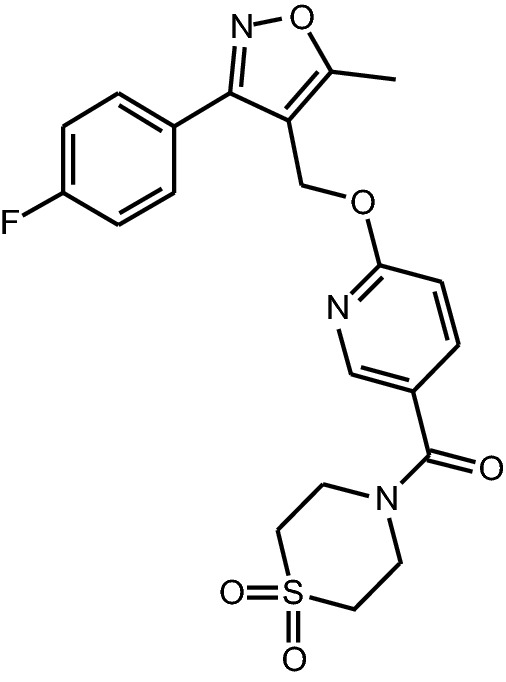
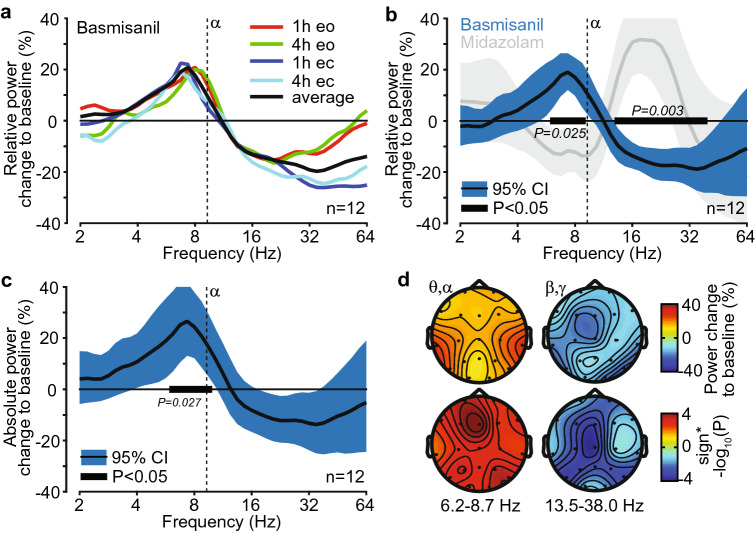
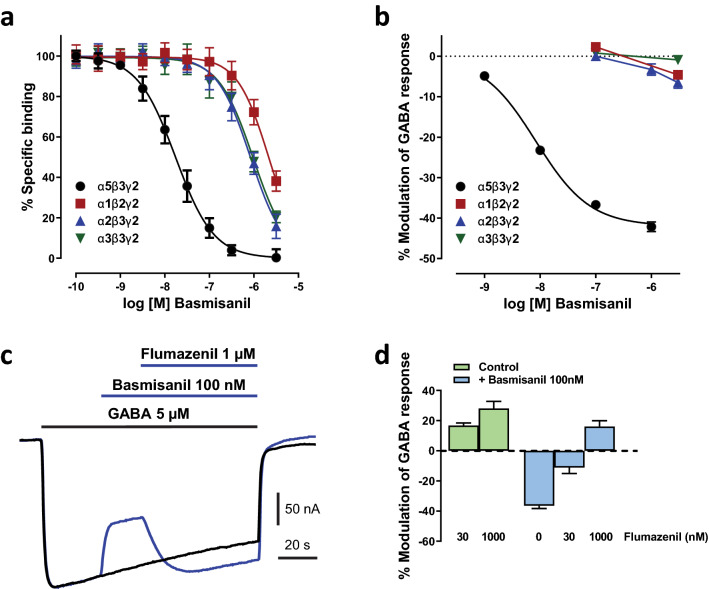
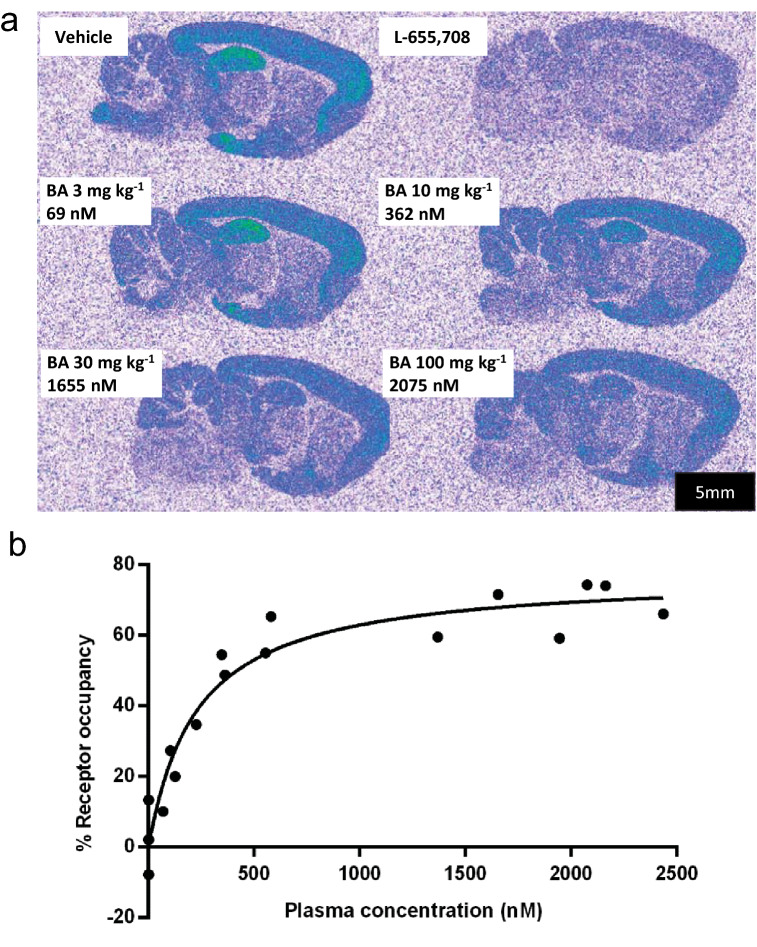
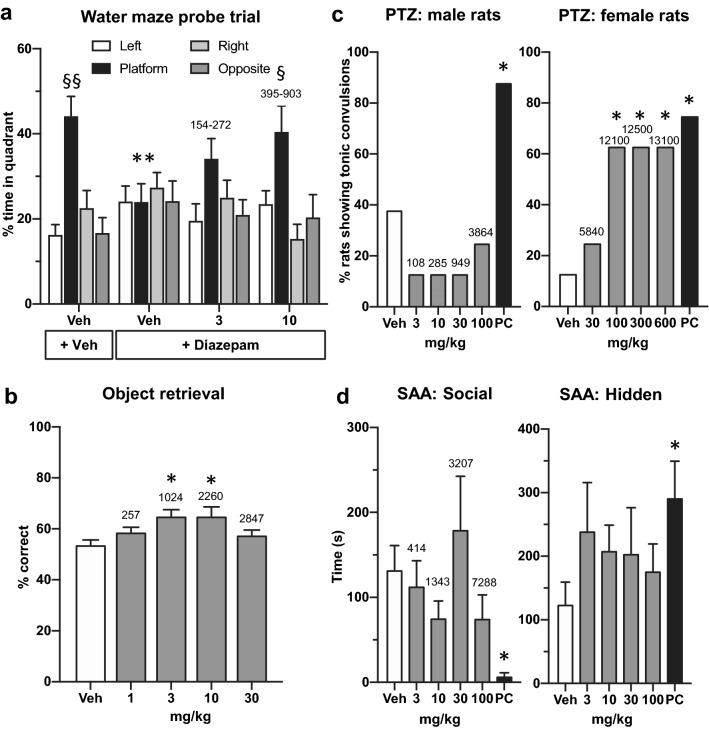
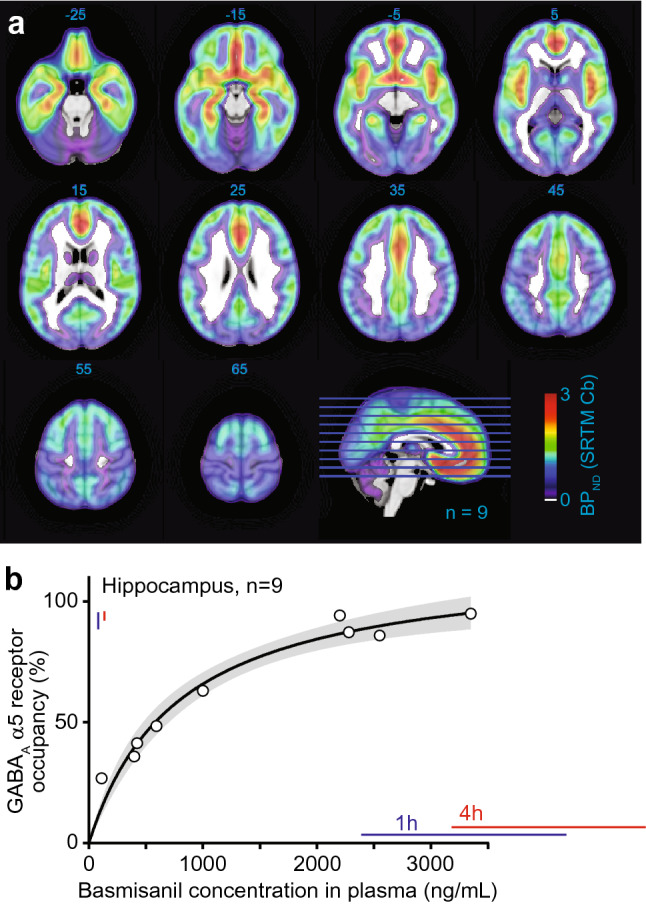
GABA-α5 subunit-containing receptors have been shown to play a key modulatory role in cognition and represent a promising drug target for cognitive dysfunction, as well as other disorders. Here we report on the preclinical and early clinical profile of a novel GABA-α5 selective negative allosteric modulator (NAM), basmisanil, which progressed into Phase II trials for intellectual disability in Down syndrome and cognitive impairment associated with schizophrenia. Preclinical pharmacology studies showed that basmisanil is the most selective GABA-α5 receptor NAM described so far. Basmisanil bound to recombinant human GABA-α5 receptors with 5 nM affinity and more than 90-fold selectivity versus α1, α2, and α3 subunit-containing receptors. Moreover, basmisanil inhibited GABA-induced currents at GABA-α5 yet had little or no effect at the other receptor subtypes. An in vivo occupancy study in rats showed dose-dependent target engagement and was utilized to establish the plasma exposure to receptor occupancy relationship. At estimated receptor occupancies between 30 and 65% basmisanil attenuated diazepam-induced spatial learning impairment in rats (Morris water maze), improved executive function in non-human primates (object retrieval), without showing anxiogenic or proconvulsant effects in rats. During the Phase I open-label studies, basmisanil showed good safety and tolerability in healthy volunteers at maximum GABA-α5 receptor occupancy as confirmed by PET analysis with the tracer [C]-Ro 15-4513. An exploratory EEG study provided evidence for functional activity of basmisanil in human brain. Therefore, these preclinical and early clinical studies show that basmisanil has an ideal profile to investigate potential clinical benefits of GABA-α5 receptor negative modulation.
GABA-α5 亚基组成的受体在认知中起着关键的调节作用,并且是认知功能障碍以及其他疾病有前途的药物靶点。在这里,我们报告了新型 GABA-α5 选择性负变构调节剂(NAM)basmisanil 的临床前和早期临床特征,该药物已进入唐氏综合征智力障碍和精神分裂症相关认知障碍的 II 期临床试验。临床前药理学研究表明,basmisanil 是迄今为止描述的最具选择性的 GABA-α5 受体 NAM。Basmisanil 与重组人 GABA-α5 受体的亲和力为 5 nM,对包含 α1、α2 和 α3 亚基的受体具有超过 90 倍的选择性。此外,basmisanil 抑制 GABA 诱导的 GABA-α5 电流,但对其他受体亚型几乎没有影响。在大鼠体内占有率研究中,显示出剂量依赖性的靶标占有率,并用于建立血浆暴露与受体占有率的关系。在估计的受体占有率在 30%至 65%之间时,basmisanil 可减轻大鼠(水迷宫)中地西泮诱导的空间学习障碍,改善非人类灵长类动物(物体检索)的执行功能,而在大鼠中没有表现出焦虑或致惊厥作用。在 I 期开放标签研究中,basmisanil 在健康志愿者中显示出良好的安全性和耐受性,最大 GABA-α5 受体占有率可通过示踪剂 [C]-Ro 15-4513 的 PET 分析得到证实。一项探索性 EEG 研究为 basmisanil 在人脑中的功能活性提供了证据。因此,这些临床前和早期临床研究表明,basmisanil 具有理想的特征,可以研究 GABA-α5 受体负调节的潜在临床益处。