Unit of Immunology, Rheumatology, Allergy and Rare diseases (UnIRAR), IRCCS San Raffaele Hospital, Milan, Italy.
Vita-Salute San Raffaele University, Milan, Italy.
Front Immunol. 2021 Mar 23;12:653950. doi: 10.3389/fimmu.2021.653950. eCollection 2021.
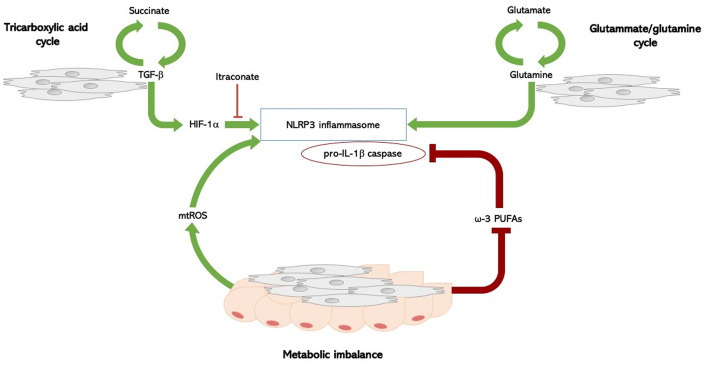
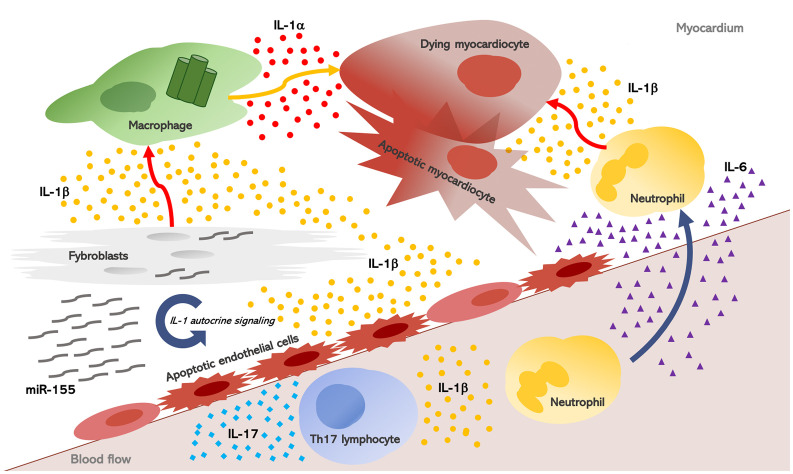
Systemic sclerosis (SSc) is rare, severe connective tissue disease characterized by endothelial and vascular damage, immune activation, and resulting in inflammation and fibrosis of skin and internal organs, including the heart. SSc is associated with high morbidity and mortality. Cardiac involvement is frequent in SSc patients, even though often asymptomatic at early stages, and represents one of the major causes of SSc-related mortality. Heart involvement has a variable clinical presentation, and its pathogenesis is not completely understood. Myocardial fibrosis is traditionally considered the immunopathologic hallmark of heart involvement in SSc. This unique histological feature is paralleled by distinctive clinical and prognostic features. The so-called "vascular hypothesis" represents the most credited hypothesis to explain myocardial fibrosis. More recently, the prominent role of an inflammatory myocardial process has been identified as a cardinal event in the evolution to fibrosis, thus also delineating an "inflammation-driven pathway to fibrosis". The pro-inflammatory cytokine interleukin (IL)-1 has an apical and cardinal role in the myocardial inflammatory cascade and in cardiac dysfunction. The primary aim of this perspective article is: to present the emerging evidence on the role of IL-1 and inflammasome in both SSc and heart inflammation, to review the complex interplay between cellular metabolism and inflammasome activation, and to discuss the rationale for targeted inhibition of IL-1 for the treatment of SSc-heart involvement, providing preliminary experimental and clinical data to support this hypothesis.
系统性硬化症(SSc)是一种罕见的严重结缔组织疾病,其特征为内皮和血管损伤、免疫激活,导致皮肤和内脏器官(包括心脏)发生炎症和纤维化。SSc 发病率和死亡率均较高。尽管在早期阶段通常无症状,但 SSc 患者常出现心脏受累,这是 SSc 相关死亡的主要原因之一。心脏受累的临床表现多种多样,其发病机制尚不完全清楚。心肌纤维化传统上被认为是 SSc 中心脏受累的免疫病理学标志。这种独特的组织学特征与独特的临床和预后特征相平行。所谓的“血管假说”是解释心肌纤维化的最可信假说。最近,人们发现炎症性心肌过程的突出作用是纤维化演变的主要事件,从而也描绘了“炎症驱动的纤维化途径”。促炎细胞因子白细胞介素(IL)-1 在心肌炎症级联反应和心脏功能障碍中具有核心作用。本文的主要目的是:介绍 IL-1 和炎症小体在 SSc 和心脏炎症中的作用的新证据,综述细胞代谢与炎症小体激活之间的复杂相互作用,并讨论针对 IL-1 抑制的治疗 SSc 心脏受累的合理性,提供初步的实验和临床数据来支持这一假说。