Department of Cardiology, University Medical Center Utrecht, Utrecht, The Netherlands.
Department of Experimental Cardiology, University Medical Center Utrecht, Utrecht, The Netherlands.
BMC Cardiovasc Disord. 2021 Apr 12;21(1):171. doi: 10.1186/s12872-021-01995-7.
Preclinical models that resemble the clinical setting as closely as possible are essential in translating promising therapies for the treatment of acute myocardial infarction. Closed chest pig left anterior descending coronary artery (LAD) ischemia reperfusion (I/R) models are valuable and clinically relevant. Knowledge on the influence of experimental design on infarct size (IS) in these models is a prerequisite for suitable models. To this end, we investigated the impact of several experimental features (occlusion and follow-up time and influence of area at risk (AAR)) on IS.
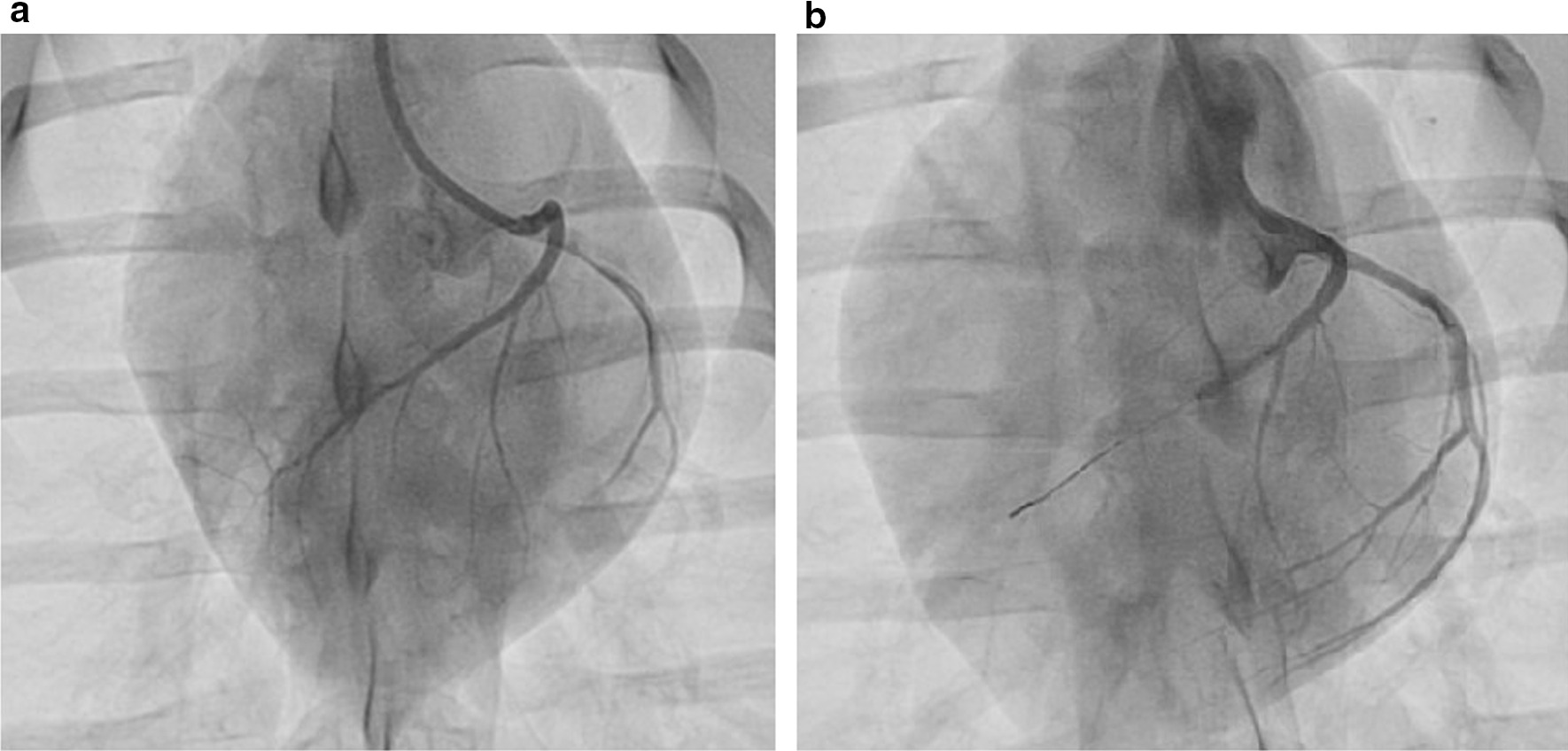
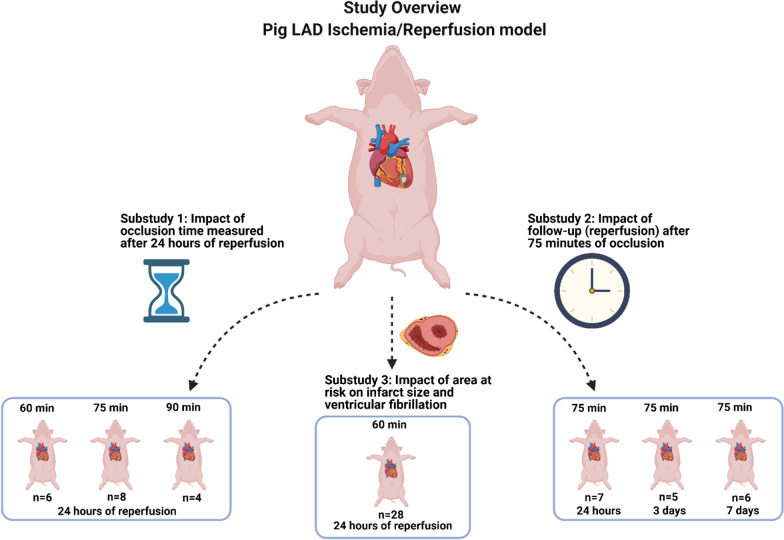
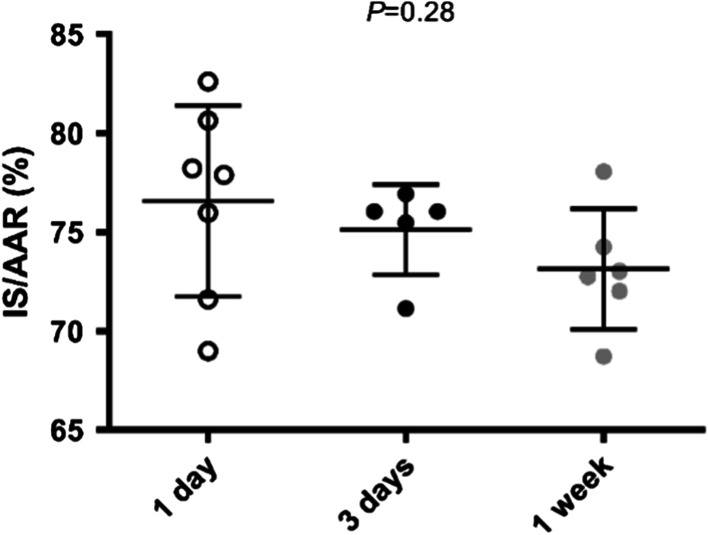
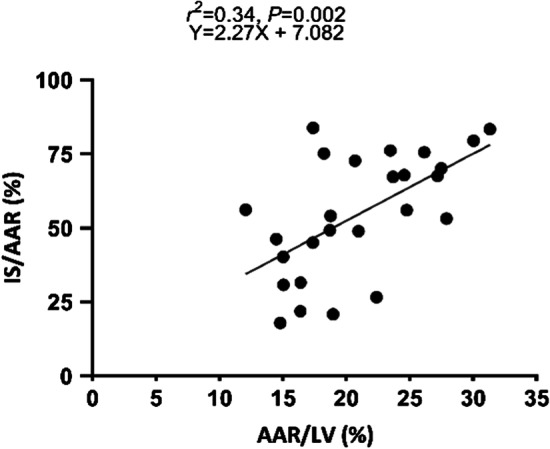
A total of fifty-one female Landrace pigs were subjected to closed chest LAD balloon occlusion and evaluated in three substudies with varying protocols. To assess the relationship between time of occlusion and the IS, 18 pigs were subjected to 60-, 75- and 90 min of occlusion and terminated after 24 h of follow-up. Influence of prolonged follow-up on IS was studied in 18 pigs after 75 min of occlusion that were terminated at 1, 3 and 7 days. The relation between AAR and IS was studied in 28 pigs after 60 min of occlusion and 24 h of follow-up. The relation between VF, number of shocks and IS was studied in the same 28 pigs after 60 min of occlusion.
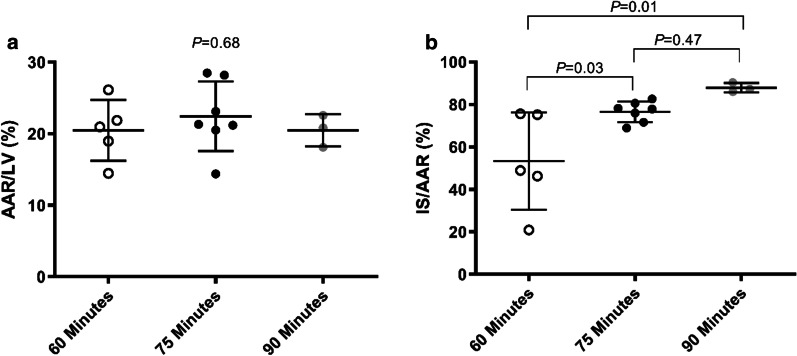
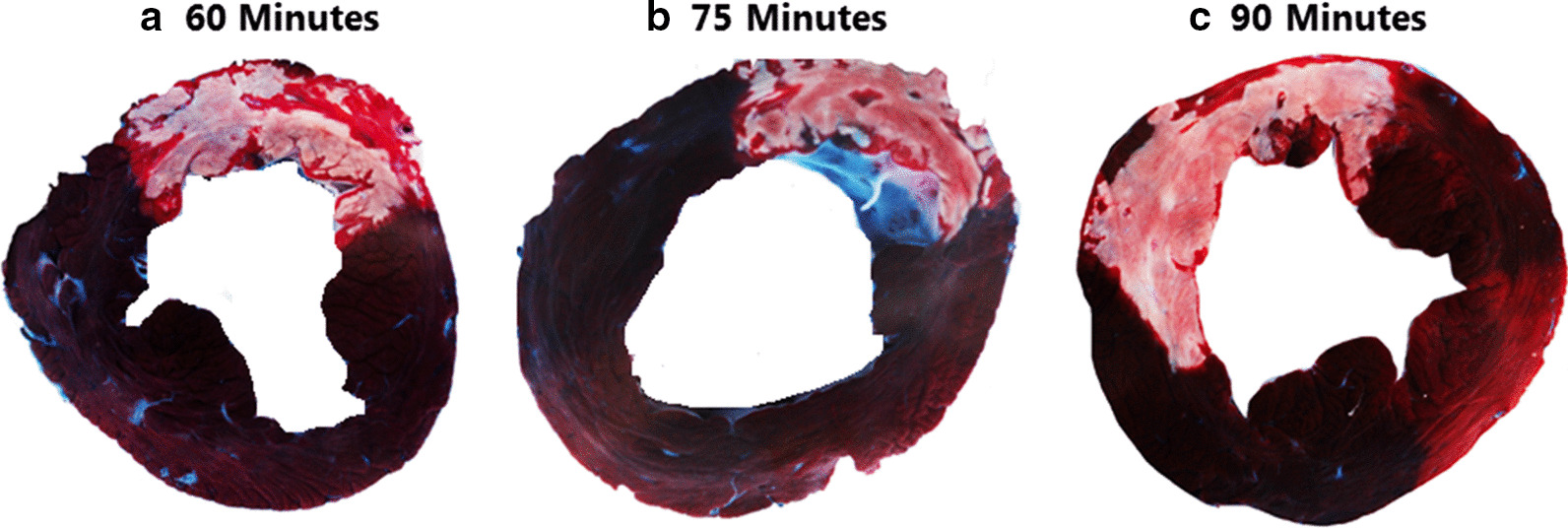
Increasing occlusion time resulted in an increased IS as a ratio of the AAR (IS/AAR). This ranged from 53 ± 23% after 60 min of occlusion to 88 ± 2.2% after 90 min (P = 0.01). Increasing follow-up, from 1 to 3 or 7 days after 75 min of occlusion did not effect IS/AAR. Increasing AAR led to a larger IS/AAR (r = 0.34, P = 0.002), earlier VF (r = 0.32, P = 0.027) and a higher number of shocks (r = 0.29, P = 0.004) in pigs subjected to 60 min of occlusion.
These experiments describe the association of occlusion time, follow-up duration, AAR and VF with IS in closed chest pig LAD I/R models. These results have important implications for future I/R studies in pigs and can serve as a guideline for the selection of appropriate parameters and the optimal experimental design.
在将有前途的治疗急性心肌梗死的疗法转化为临床应用方面,尽可能接近临床环境的临床前模型至关重要。闭胸猪左前降支冠状动脉(LAD)缺血再灌注(I/R)模型具有重要价值且与临床相关。了解实验设计对这些模型中梗死面积(IS)的影响是合适模型的前提。为此,我们研究了几种实验特征(闭塞和随访时间以及危险区(AAR)的影响)对 IS 的影响。
共有 51 头雌性 Landrace 猪接受闭胸 LAD 球囊闭塞,并在三种不同方案的亚研究中进行评估。为了评估闭塞时间与 IS 之间的关系,18 头猪接受 60、75 和 90 分钟的闭塞,并在 24 小时的随访后终止。在 18 头猪中研究了延长随访时间对 IS 的影响,这些猪在 75 分钟的闭塞后,在 1、3 和 7 天终止。在 60 分钟闭塞和 24 小时随访后,在 28 头猪中研究了 AAR 与 IS 的关系。在 60 分钟闭塞后,在 28 头猪中研究了 VF、电击次数与 IS 的关系。
随着闭塞时间的增加,IS 与 AAR 的比值(IS/AAR)增加。这从 60 分钟闭塞后的 53±23%增加到 90 分钟后的 88±2.2%(P=0.01)。在 75 分钟闭塞后,从 1 天到 3 天或 7 天的随访时间延长并不影响 IS/AAR。在接受 60 分钟闭塞的猪中,AAR 的增加导致更大的 IS/AAR(r=0.34,P=0.002)、更早的 VF(r=0.32,P=0.027)和更高的电击次数(r=0.29,P=0.004)。
这些实验描述了闭胸猪 LAD I/R 模型中闭塞时间、随访时间、AAR 和 VF 与 IS 的关系。这些结果对未来猪的 I/R 研究具有重要意义,并可为选择合适的参数和最佳实验设计提供指导。