Golin Andrew P, Yuen Wallace, Flannigan Ryan
Department of Urologic Sciences, University of British Columbia, Vancouver, BC, Canada.
Transl Androl Urol. 2021 Mar;10(3):1457-1466. doi: 10.21037/tau-19-672.
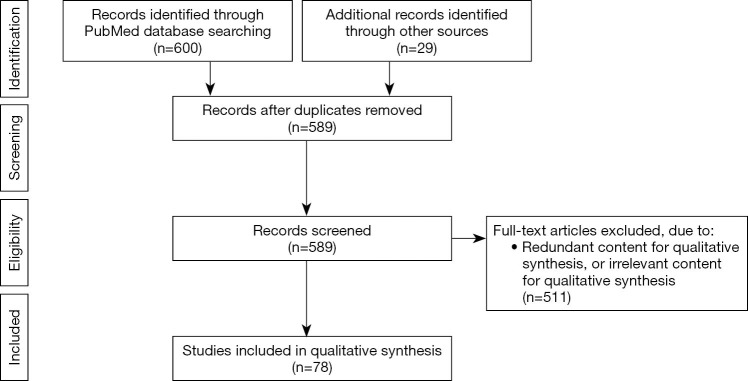
Male factor infertility accounts for approximately 50% of all infertility evaluations. A common cause of severe oligozoospermia and azoospermia is Y chromosome microdeletions (YCMs). Men with these genetic microdeletions must typically undergo assisted reproductive technology (ART) procedures to obtain paternity. In this review, we performed a thorough and extensive search of the literature to summarize the effects of YCMs on fertilization (IVF) outcomes, health abnormalities in offspring and recurrent pregnancy loss (RPL). The PubMed database was searched using specific search terms and papers were identified using Preferred Reporting Items for Systematic Reviews and Meta-Analyses (PRISMA) guidelines. Sperm retrieval amongst men with complete AZFa and/or AZFb deletions is extremely rare and thus data on ARTs is largely unavailable. In AZFc-deleted men undergoing assisted reproduction, the collective fertilization rate (FR) is 59.8%, the clinical pregnancy rate is 28.6% and the live birth rate is 23.4%. When successful, the YCM is always transmitted to the male offspring and the deletion size either remains unchanged or widens. YCMs generally result in decreased fertilization, clinical pregnancy and live birth rates compared to men with intact Y chromosomes during ART interventions. There is a minimal or absent association of YCMs with abnormalities in the offspring or RPL.
男性因素导致的不育约占所有不育评估病例的50%。严重少精子症和无精子症的一个常见原因是Y染色体微缺失(YCMs)。患有这些基因微缺失的男性通常必须接受辅助生殖技术(ART)程序才能获得亲权。在本综述中,我们对文献进行了全面广泛的检索,以总结YCMs对体外受精(IVF)结局、后代健康异常和复发性流产(RPL)的影响。使用特定检索词在PubMed数据库中进行检索,并根据系统评价和Meta分析的首选报告项目(PRISMA)指南确定文献。在完全缺失AZFa和/或AZFb的男性中,精子获取极为罕见,因此关于ART的数据基本无法获得。在接受辅助生殖的AZFc缺失男性中,总体受精率(FR)为59.8%,临床妊娠率为28.6%,活产率为23.4%。成功时,YCM总是会遗传给男性后代,且缺失大小要么保持不变,要么扩大。与Y染色体完整的男性相比,在ART干预期间,YCMs通常会导致受精率、临床妊娠率和活产率降低。YCMs与后代异常或RPL之间的关联极小或不存在。